10 tips to make family meals less stressful
For many women, the family dinner table has shifted from a place of connection to a source of daily fatigue.
Family meals are meant to be joyful, but many women are caught in a cycle of exhaustion when the dinner table should feel like a pause in the day. Between planning, cooking, and balancing everyone’s needs, it often feels less like bonding and more like survival mode.
The good news is that it’s possible to bring back warmth and connection to those moments with a few intentional changes. Small adjustments in preparation, communication, and expectations can help families rediscover the joy of eating together. Below are ten thoughtful approaches that can transform family meals into experiences that strengthen relationships rather than strain them.
Plan With A Theme In Mind

Instead of staring into the fridge each evening, assign simple themes for the week. For example, pasta on Mondays, tacos on Tuesdays, or soup on Thursdays. This limits the daily mental load of decision-making while allowing flexibility within the theme. It also gives your family a sense of expectation, making meals predictable and easier to organize.
Themes also reduce shopping stress. Knowing that you’ll need tortilla shells each week or fresh vegetables for soup nights means your grocery trips become more intentional. Over time, these small routines provide a sense of steadiness that helps meals feel less chaotic.
Prep Ingredients In Advance

Emily Davidson, wellness manager at UAB, recommends prepping components like chopped vegetables, marinated proteins, or batch-cooked grains ahead of time, noting that “this advance preparation will make the cooking quicker and more convenient.”
This method cuts down cooking time and helps you feel more in control. Walking into the kitchen to find half the work already done changes the entire tone of mealtime preparation. What was once stressful becomes a series of easy steps.
Involve Children In The Process

Inviting children to help in age-appropriate ways fosters connection while easing your load. Younger ones can wash fruit or stir ingredients, while older kids can take on tasks like setting the table. Their involvement transforms the meal into a shared activity rather than a solo responsibility.
This participation also creates a sense of pride for children. They are more likely to enjoy eating what they helped create, which can ease picky eating battles. Instead of nagging, you’ll find yourself sharing the joy of food as a team.
Keep A Go-To List Of Meals

When the day feels long, nothing is more complicated than trying to remember what to cook. A practical guide from ParentMap highlights that creating a “master list of your family’s favorites,” visible on a wall or phone, simplifies planning and makes cooking feel less stressful and more collaborative.
This list becomes your anchor during busy weeks. Instead of reinventing dinner every night, you’re reminded of reliable options. It’s a quiet but powerful way to make meals achievable without draining creativity.
Simplify The Table Atmosphere

A relaxed table doesn’t need elaborate decor or perfect plating. What sets the mood is calmness and presence. Lighting a candle or playing soft music can shift the energy instantly, making meals feel welcoming without extra effort.
Keeping dishes simple and serving food family-style also lightens the burden. Instead of juggling multiple plates, allow everyone to serve themselves. This creates an easy flow that reduces both workload and stress.
Embrace One-Pot And Sheet Pan Meals

Dinners that come together in a single pan or pot save more than time—they save mental space. A pot of chili or a tray of roasted chicken with vegetables cuts down on cooking and cleaning, leaving you with more time to connect at the table.
This one-pot meal approach doesn’t compromise variety or flavor. You can rotate ingredients, seasonings, and textures to keep meals interesting. The fewer moving parts in preparation, the more energy you preserve for enjoying your family’s company.
Set Realistic Expectations

It’s tempting to imagine every meal as picture-perfect, but releasing that pressure creates freedom. Not every dinner has to involve three courses or look like a magazine spread. Sometimes, sandwiches with fruit on the side are more than enough.
Acknowledging that meals are about togetherness, not performance, can ease unnecessary stress. When you shift the goal toward connection, the entire experience becomes lighter for you and more meaningful for your family.
Use Time-Saving Shortcuts
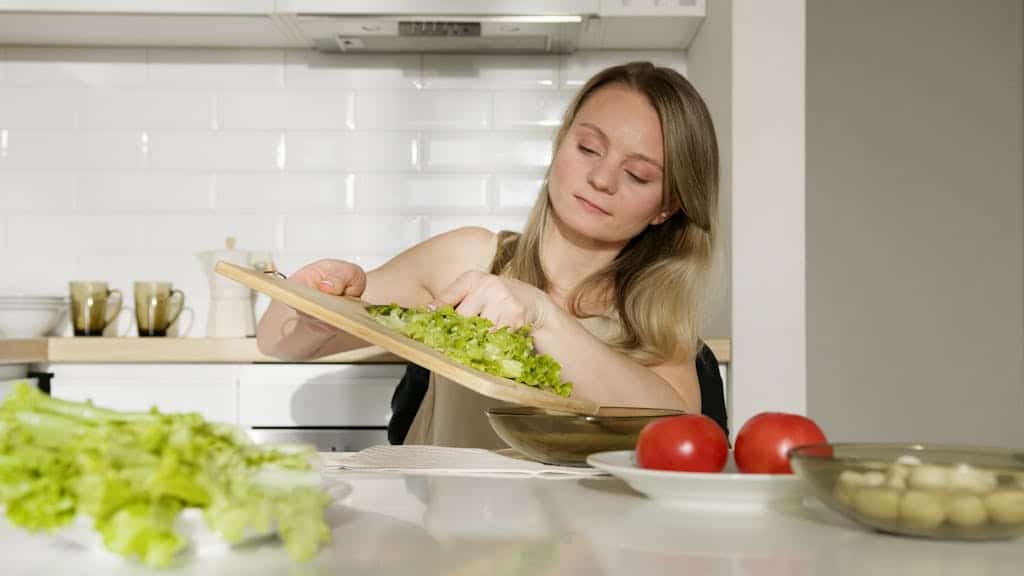
Pre-cut vegetables, frozen fruit, or pre-cooked grains can be quiet lifesavers. Mayo Clinic Executive Chef, Jen Welper, suggests that designing the cooking process to be efficient—like steaming broccoli while boiling pasta—means walking into the kitchen with only a few simple steps left to execute, offering structure and relief during the evening rush.
Small swaps like choosing ready-made sauces or keeping rotisserie chicken on hand make meals come together faster. With less energy spent on preparation, you can spend more energy on conversation and presence.
Encourage Conversation, Not Perfection
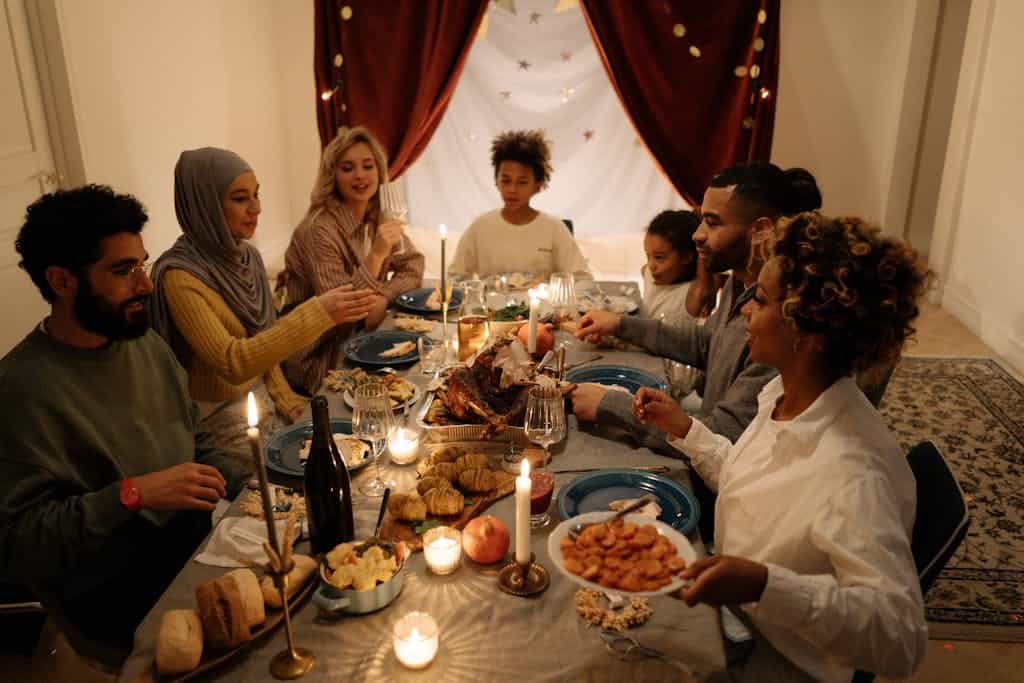
Mealtime tension often rises when the focus is on behavior or finishing every bite. Shifting the atmosphere toward storytelling, sharing highlights of the day, or even playing light conversation games can ease that pressure. Anne Fishel, clinical psychologist and co-founder of the Family Dinner Project, wisely notes: “The secret sauce of dinner is not a perfect roast chicken, but what happens around the table once the food arrives.”
When children and partners feel the table is a space for connection rather than correction, the entire mood shifts. Laughter, stories, and shared moments create memories that last far longer than any perfectly cooked dish.
Leave Dishes For Later, Sometimes

Constantly jumping to clean up right after eating can cut short valuable family moments. Experts emphasize that the family table is a space for open conversation in a relaxed setting. Allowing dishes to wait while you finish a conversation, play a quick game, or sit with your children shows them that time together matters more than chores.
Even when you return to the kitchen later, you’ll find that the pause added depth to the evening. Choosing presence first makes meals less about task completion and more about savoring shared moments.
The 15 Things Women Only Do With the Men They Love

The 15 Things Women Only Do With the Men They Love
Love is a complex, beautiful emotion that inspires profound behaviors. We express our love in various ways, some universal, while others are unique to each individual. Among these expressions, there are specific actions women often reserve for the men they deeply love.
This piece explores 15 unique gestures women make when they’re in love. From tiny, almost invisible actions to grand declarations, each tells a story of deep affection and unwavering commitment.