12 reasons higher gas prices aren’t always bad news
Every time the numbers at the gas pump climb, drivers across the country feel the sting. It is frustrating when a routine fill-up takes a noticeably larger bite out of your weekly budget. But as painful as high fuel costs are in the moment, they also trigger a ripple effect throughout our daily lives; one that goes far beyond just paying more at the pump.
When gas gets expensive, our habits naturally start to shift. In fact, long-term transit data from the Mineta Transportation Institute shows that even a simple 10% rise in fuel costs creates a measurable, immediate jump in public transit ridership across major cities as people look for smarter ways to commute.
High prices force us to rethink how we travel, prompting creative changes that impact our communities, our health, and our daily routines in ways you might not expect.
Automobile Manufacturers Invest In Greener Innovation
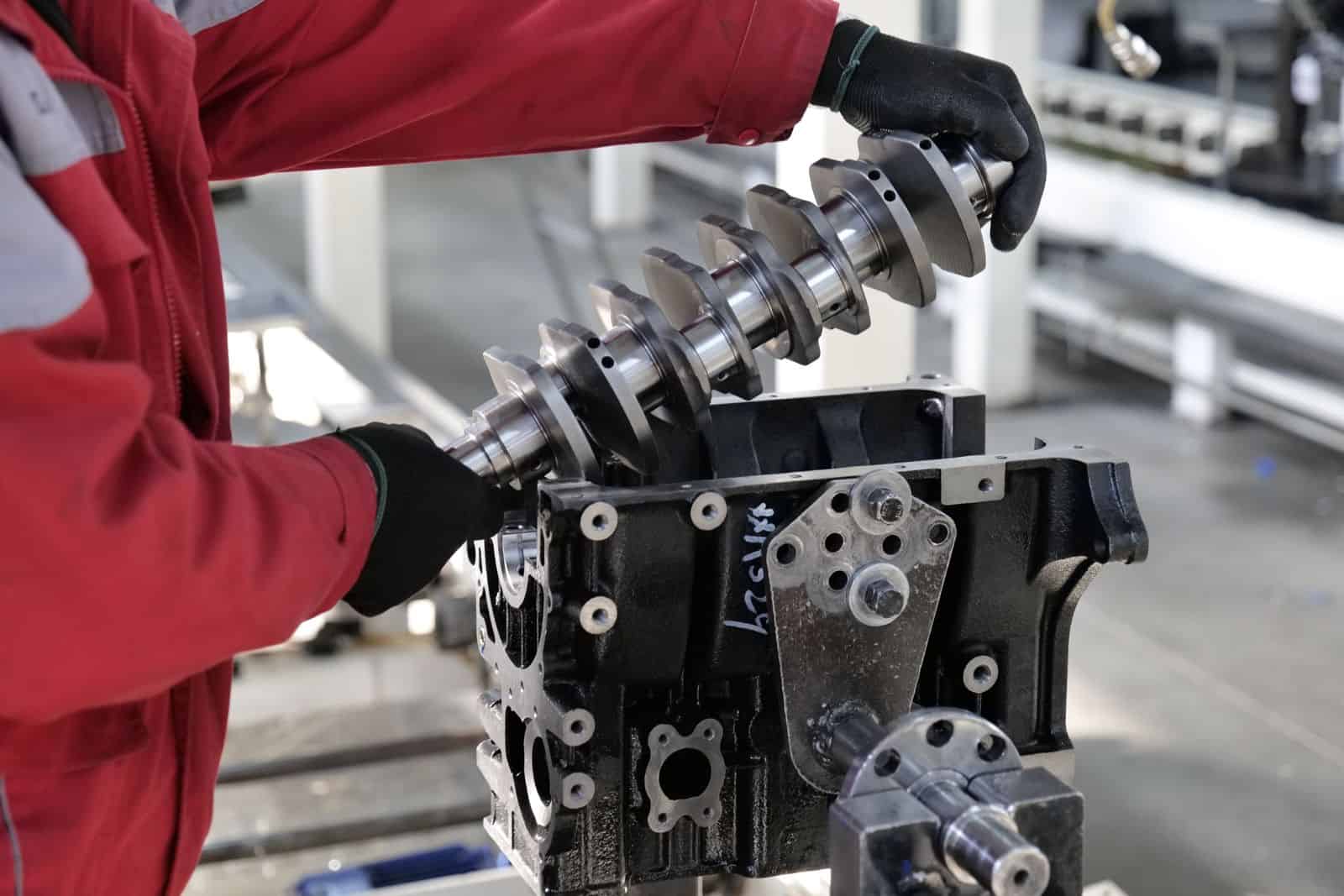
Automotive companies pay close attention when consumer demand swings toward fuel-efficient vehicles. High gas prices force car manufacturers to stop relying on heavy gas-guzzlers and accelerate research into hyper-efficient engines and alternative drivetrains.
Industry and academic work on gasoline price impacts underscore that sustained high prices increase demand for efficient vehicles, encouraging firms to invest more in fuel‑saving technologies. Over time, this innovation cycle builds a cleaner fleet that supports household wellbeing and national wellness goals.
Public Transit Sees A Welcome Surge
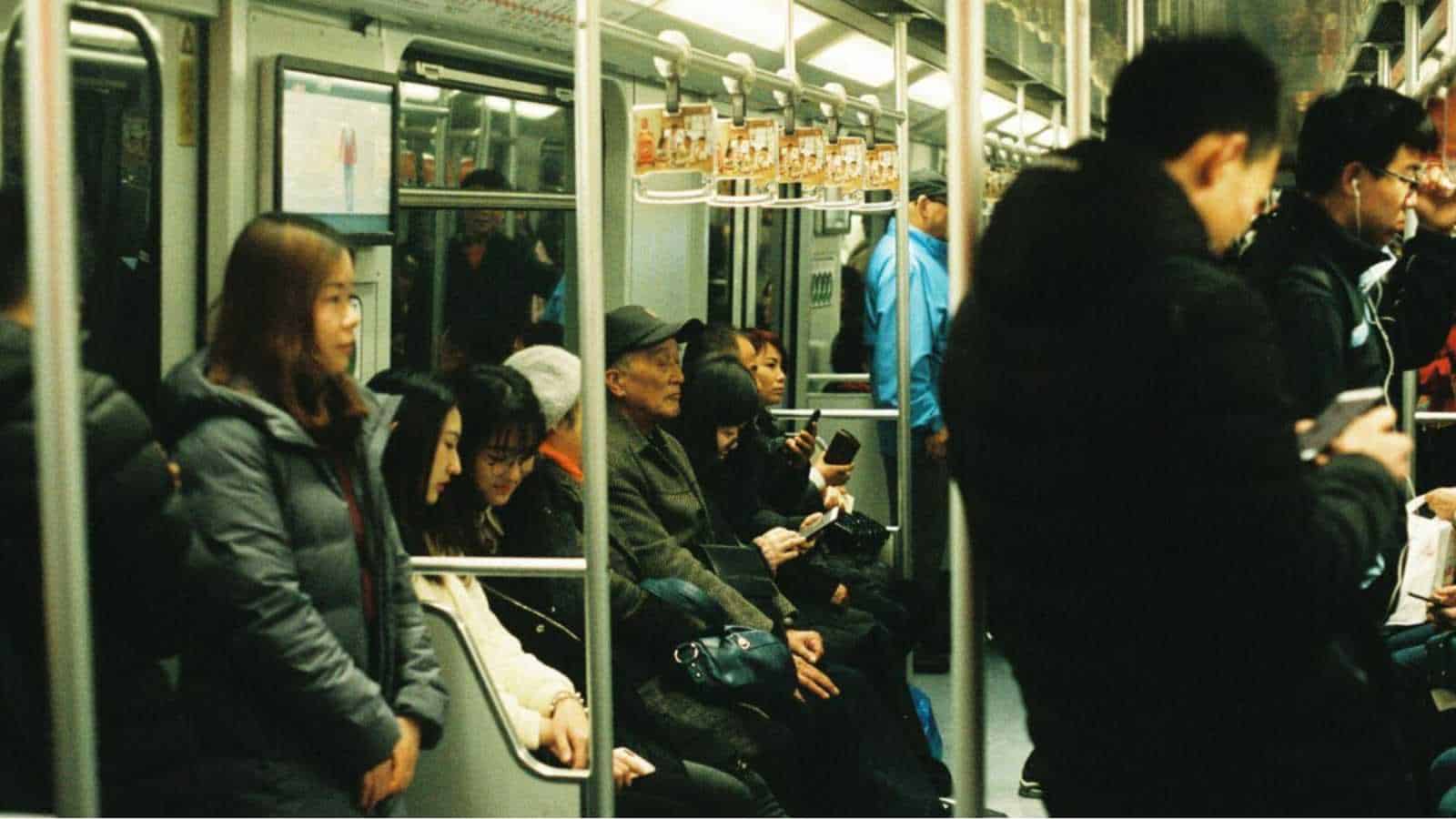
When gas prices climb higher, train platforms and bus stops suddenly fill up with new faces. Commuters realize that swapping a stressful morning drive for a quiet bus ride saves cash while granting extra time to read or relax.
Studies on transit use during fuel price spikes, such as “Changes in Fuel Prices and the Use of Public Transport”, find that rising fuel prices are significantly associated with higher public transport ridership as people look to cut commuting costs. That shift supports city budget priorities for transit investment and boosts everyday wellbeing for riders who enjoy calmer trips.
Carpooling Brings People Closer Together

Remember when sharing a ride to work was a regular habit instead of a rare memory. Expensive fill-ups give coworkers and neighbors a great excuse to split costs and ride together again. Grouping up turns a lonely commute into an enjoyable social hour full of good conversation.
Individual responses to rising gasoline prices show that households respond to gasoline price increases by carpooling more, consolidating trips, and changing travel patterns. Those adjustments build stronger relationship ties among coworkers and neighbors while easing parking stress at the workplace.
Electric Vehicle Adoption Gets A Massive Boost
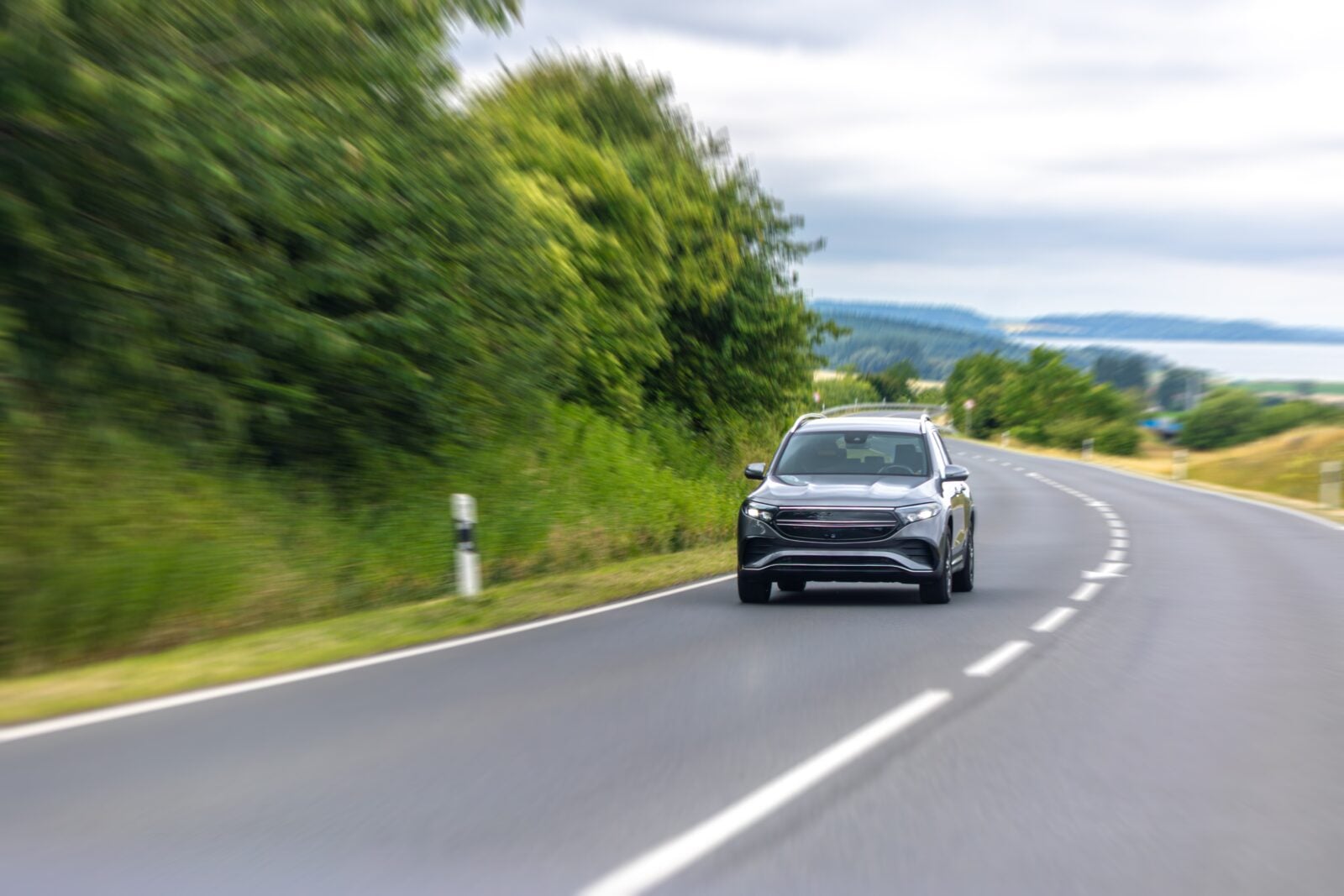
Nothing makes an electric vehicle look more appealing than a triple-digit total on a gas pump receipt. High fuel costs force hesitant buyers to run the numbers and realize how much they can save by plugging in.
Behavioral evidence from “Consumers’ response to price increases: Evidence from gasoline markets” shows that sharp fuel price increases push households to consider more fuel‑efficient and alternative‑fuel vehicles, changing purchase intentions. That pivot makes cleaner cars part of long‑term finance planning as families look to cut lifetime fuel costs.
Remote Work Options Gain Ground With Employers

When commuting expenses skyrocket, employees naturally ask their bosses for more work-from-home flexibility. Companies that previously resisted remote setups often cave to keep their staff happy without offering massive raises.
Research on commute burdens in “Effects of spikes in the price of gasoline on behavioral intentions” finds that gasoline price spikes significantly change consumers’ perceptions of their cost of living and planned spending, encouraging them to reduce travel and rethink work arrangements.
Remote work becomes a practical way to protect mental health, wellbeing, and the household budget when fuel costs jump.
Local Businesses Get A Surprising Neighborhood Boost

High pump prices make long weekend drives across state lines a lot less attractive for weekend shoppers. Instead, families stay closer to home and explore small shops, neighborhood markets, and independent restaurants around the block. You are far more likely to buy fresh food from the local corner store when driving ten miles feels like a splurge.
Studies of purchasing power show that fuel price hikes push families to reallocate spending, often favoring nearby goods and services. That shift keeps more money circulating locally and can strengthen small business finance and community entertainment options.
Reduced Traffic Reduces Air Pollution Fast

When driving gets pricey, people combine errands and eliminate unnecessary joyrides throughout the week. Fewer cars on the highway lead to an immediate drop in toxic tailpipe emissions across major metro areas.
Evidence from the Stanford Institute for Economic Policy Research in “Pain at the pump: What spiking gas prices mean for consumers and the economy” highlights that higher gas bills prompt households to cut discretionary driving, which in turn lowers fuel consumption and emissions. Cleaner air supports public wellness and reduces long‑term health risks for vulnerable groups.
Roads Become Measurably Safer For Drivers

High fuel costs encourage people to slow down on the highway and trim nonessential trips, which can translate into safer roads. Drivers cut late‑night outings, avoid long detours, and generally treat driving as something that should be done more carefully.
Longitudinal work such as “Consumer Adaptation to Gasoline Price Increases” finds that households adapt to higher gasoline prices by driving fewer miles and altering vehicle use, behaviors linked to lower exposure to crash risk. Those quiet safety gains protect families and contribute to community wellbeing.
Driver Habits Shift Toward Smart Fuel Efficiency
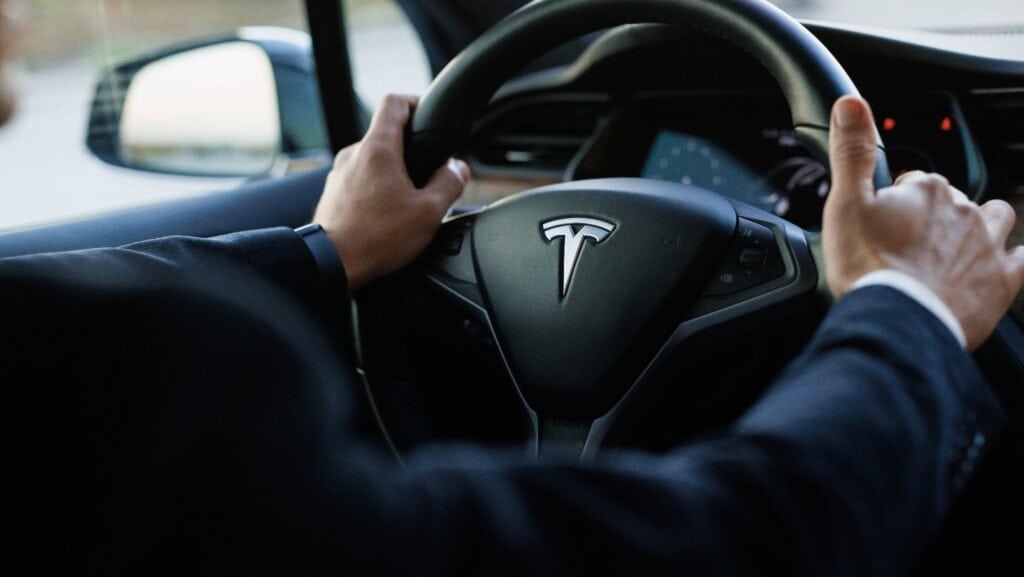
Pain at the pump forces people to abandon aggressive driving habits like rapid acceleration and hard braking. Drivers quickly learn that maintaining steady speeds and keeping tires properly inflated stretches every gallon much further.
Recent evidence in “Drive less, drive better, or both? Behavioral adjustments to fuel price increases” shows that when fuel prices rise, motorists respond by both driving less and driving more efficiently to conserve fuel. Those new habits become long‑term wins for the household budget, everyday saving money, and overall wellbeing.
You May Also Like: 9 Critical Mistakes You Should Avoid While Pumping Gas
Alternative Transportation Takes Center Stage

When filling up a gas tank costs a small fortune, bicycles and electric scooters suddenly look brilliant. City streets fill up with commuters riding to work on two wheels instead of sitting stuck in gridlock. People rethink how they travel short distances, trading car keys for comfortable walking shoes or a trusty helmet.
Boyi Yuan from the University of Calgary found that higher fuel costs encourage substitution to non‑motorized modes, which boosts physical activity and urban wellness. Walking or cycling turns a frustrating commute into daily exercise that also supports long‑term career resilience by lowering stress.
Household Budgets Force Smarter Spending Choices

Spiking gas prices serve as an unexpected wake-up call for overall family financial management. When one major expense shoots up, households sit down to review their general budget and cut out unnecessary subscription fees or wasteful impulse purchases.
Analyses of household responses to rising fuel prices, such as “Statistical Analysis on Consequences of Rising Fuel Prices”, show that higher fuel costs squeeze real income and force families to reprioritize spending. That pressure can lead to stronger financial habits, more intentional saving money, and better long‑term planning.
Communities Build Stronger Walkable Neighborhoods

When driving becomes a costly burden, town planners and residents place greater value on walkable communities. People advocate for neighborhood grocery stores, parks, and doctors’ offices located within easy walking distance of their homes. Mixed-use developments that blend apartments with retail shops become top targets for new investment.
Urban planning consistently links walkable design with higher social wellbeing, better mental health, and richer local entertainment life. Expensive gas simply speeds up demand for these human‑scale neighborhoods where daily errands require fewer miles and more face‑to‑face connection.
Key Takeaway
While higher gas prices certainly hurt your wallet at the pump, they act as a catalyst for positive long-term change. Expensive fuel becomes an unexpected nudge toward better budget discipline, stronger wellbeing, and more sustainable transportation choices that can support your future financial goals.
Disclaimer – This list is solely the author’s opinion based on research and publicly available information. It is not intended to be professional advice.
Like our content? Be sure to follow us