12 ways tariffs can raise prices for everyday consumers
Trade policy can directly affect what Americans pay for everyday goods. While tariffs are imposed on imported products, economic research consistently finds that much of those added costs are passed along to U.S. businesses and, ultimately, consumers through higher retail prices.
According to a 2025 analysis by the Yale Budget Lab, the latest round of U.S. tariffs is projected to increase consumer prices enough to cost the average household about $2,400–$2,500 per year, depending on purchasing patterns and future trade developments. Meanwhile, a 2026 National Bureau of Economic Research study found that tariff increases are passed through to U.S. import prices at nearly 100%, meaning American importers typically pay the full added cost before deciding how much to absorb or pass on.
These higher costs ripple across the economy because many imported goods, and the raw materials used to manufacture domestic products, become more expensive. Businesses often respond by raising prices on everything from groceries and clothing to electronics and vehicles, while domestic producers may also increase prices when foreign competition becomes less affordable. Understanding how these economic effects work helps explain why broad tariffs can steadily erode household purchasing power, squeeze monthly budgets, and make it harder for families to save.
Stress on Household Budget Management

When everyday costs climb, families have to constantly rework their monthly spending plans to keep up. Budgeting for recurring expenses like groceries, household supplies, and clothing requires trade-offs in areas such as dining out, streaming subscriptions, or weekend activities.
Tariffs as a “regressive tax,” noting that lower-income households experience a larger percentage hit to their after-tax income than higher earners. That unequal impact forces more frequent cuts to optional wellness spending and can heighten financial stress at home.
Higher Costs for Raw Materials

When manufacturers face tariffs on steel, aluminum, and other industrial inputs, production costs rise quickly. Domestic suppliers often follow by increasing their own prices when foreign competition becomes more expensive. To stay profitable, producers pass these higher costs down the supply chain into finished goods that show up in stores.
A 2026 National Bureau of Economic Research paper, The Incidence of Tariffs: Rates and Reality, finds that tariff pass-through to U.S. import prices is “almost 100%,” meaning higher statutory rates feed directly into what American companies pay for inputs.
Those higher input bills show up later as more expensive appliances, tools, hardware, and construction materials for consumers.
Increased Expenses for Grocery Items

Imported food products such as coffee, seafood, and fresh produce become more expensive when tariffs apply to agricultural and food items. Grocery chains cannot absorb sustained cost increases, so shoppers end up paying more at checkout for everyday staples and weekly baskets.
World Bank researchers created the Household Impacts of Tariffs (HIT) tool to simulate how higher import duties raise consumption costs across the income distribution, with food-related categories hitting lower-income households especially hard.
Even modest percentage increases in grocery prices compound fast for families already watching their budget.
Higher Retail Prices for Clothing and Footwear

The apparel industry depends heavily on global manufacturing networks for textiles, fabric, and footwear production. When tariffs target clothing, shoes, or the materials used to make them, fashion retailers raise price tags to offset higher sourcing and shipping costs.
Consumer Price Index Detailed Reports show that apparel prices respond to trade policy, with import cost spikes reflected in clothing components of the index after major tariff actions. That means routine wardrobe updates, back-to-school shopping, and workplace attire all eat up more of a family’s clothing budget.
More Expensive Home Electronics and Appliances

Electronics depend on complex global supply chains that source semiconductors, display panels, batteries, and other specialized components from multiple countries. When tariffs are imposed on these products or their inputs, import and manufacturing costs increase, and businesses often pass some or all of those higher expenses on to consumers through higher retail prices.
Research from the Yale Budget Lab estimates that the latest U.S. tariff measures could increase costs for the typical American household by roughly $2,400–$2,500 per year across all goods and services. Consumer electronics and home appliances are among the products expected to experience price increases because they rely heavily on imported components and internationally integrated supply chains.
As a result, replacing everyday household technology—from laptops and smartphones to refrigerators and washing machines—can become a more significant financial decision for families already coping with higher living costs.
Higher Costs for Automotive Buyers and Owners

Modern vehicles are assembled from globally sourced parts, so the auto sector is especially sensitive to trade barriers. When tariffs hit engines, electronics, or body panels, manufacturers add those costs to window stickers, and repair shops face higher bills for replacement parts.
A fact sheet from the Joint Economic Committee estimates that families paid about $1,745 in tariff costs between February 2025 and January 2026, much of it tied to goods such as cars and related components. These added costs show up both in new and used car prices and in everyday maintenance, straining household budget planning around transport and commuting.
Pressure on Personal Finance and Monthly Savings

As prices rise across essential categories, households are left with less disposable income every month. More of each paycheck goes toward groceries, fuel, clothing, and utilities, leaving less room for emergency funds, retirement contributions, or self-love spending like small treats and experiences.
The Federal Reserve’s Survey summary finds that rising living costs reduce the ability to save and that many families cannot cover even modest unexpected expenses without borrowing. In that environment, tariffs make saving money and long-term planning harder.
Reduced Competition in Domestic Markets
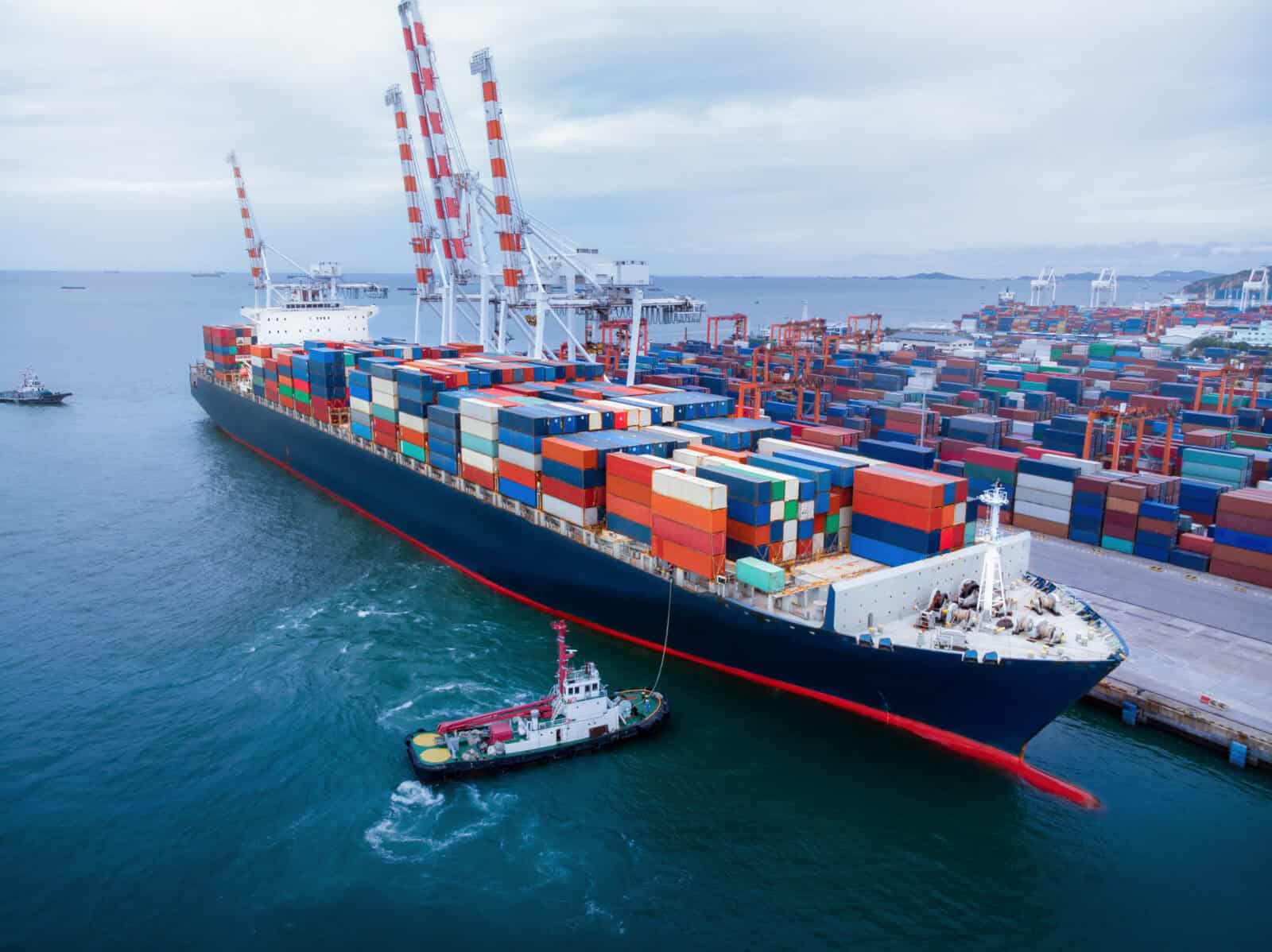
When foreign products face high duties, some overseas producers scale back shipments to avoid the added costs. With fewer imported options on shelves, domestic manufacturers and retailers can raise prices without worrying as much about losing customers to cheaper competitors.
Evidence from the World Bank’s HIT simulations shows that reduced import competition tends to raise domestic prices and limit product variety, especially in markets where a few large firms dominate supply. Shoppers see fewer lower-cost alternatives, and over time this erodes overall consumer wellbeing.
Supply Chain Disruptions and Delayed Freight

Trade policy changes also create friction at ports, customs centers, and shipping warehouses. Importers face new paperwork, inspections, and compliance checks that slow freight movement and add storage or handling charges to every shipment.
Disruptions to just-in-time supply chains for goods like electronics and auto parts led to higher inventory costs, which retailers then priced into what consumers pay. Shoppers may not see the port delays, but they do feel the impact through higher retail prices.
Strained Small Business Operations
Small retailers and independent businesses often operate on thin profit margins and have less bargaining power with suppliers than larger chains. When tariffs increase the cost of imported inventory or raw materials, many small businesses have little choice but to raise prices, reduce operating expenses, delay expansion plans, or absorb losses that strain their finances.
Research from the National Federation of Independent Business (NFIB) has found that rising input costs are among the biggest challenges facing small businesses, while tariff-related supply chain disruptions can further increase costs for firms that rely on imported goods or materials. As a result, neighborhood retailers, local boutiques, and independent repair shops may face greater financial pressure, leaving consumers with fewer shopping choices and, in some cases, higher prices.
Retaliatory Duties Impacting Household Income
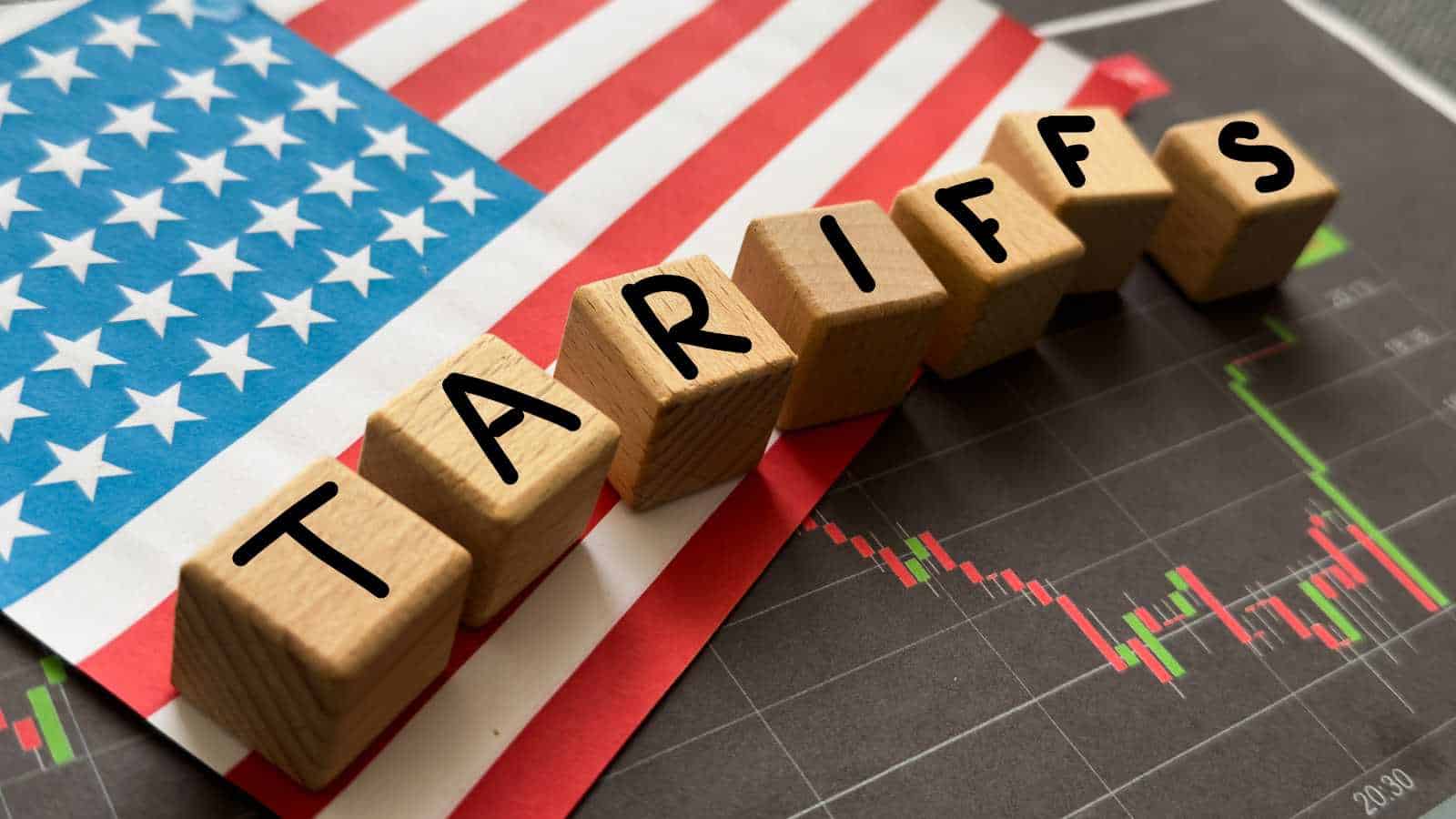
Tariffs rarely happen in isolation. When one country expands import duties, trading partners respond with retaliatory tariffs on agriculture, manufacturing, and technology exports, which cuts into domestic sales abroad and pressures wages at home.
Tariff systems hit lower-income families harder, both through higher prices and through income shocks when affected sectors cut back jobs or hours. That double squeeze reduces household income precisely when costs are rising.
Draining Extra Cash and Consumer Savings

As daily expenses increase, families end up spending more just to buy the exact same goods and services. Savings accounts shrink as workers withdraw funds to cover inflated grocery bills, rent, transport, and essential purchases.
U.S. tariffs are borne almost entirely by domestic importers and consumers through higher prices. Over time, that pass-through erodes household security, increases reliance on credit, and can worsen long-run finance stress and wellness outcomes for average working families.
Key Takeaway

Import duties function as an indirect tax that raises prices on everything from groceries and clothing to electronics and vehicles. When trade fees increase costs for businesses, those expenses flow directly down to household shoppers and show up as tighter budget margins and tougher saving decisions.
Understanding these price pressures helps consumers manage their spending, protect their wellbeing, and plan for higher living expenses in an era of persistent trade tensions.
Disclaimer – This list is solely the author’s opinion based on research and publicly available information. It is not intended to be professional advice.
You May Also Like: Spotting Any of These 7 Items in a Home May Signal Financial Trouble
Like our content? Be sure to follow us