Why driving in America feels worse than ever
Americans are spending the equivalent of more than a full workweek every year sitting in traffic—and the problem is getting worse.
In 2025, the typical U.S. driver lost 49 hours to traffic congestion, according to INRIX’s Global Traffic Scorecard. That was up from 43 hours just one year earlier.
But congestion is only part of the frustration. Across the country, drivers are dealing with roads that can feel poorly designed for the amount of traffic they carry, aging infrastructure, confusing intersections, dangerous stretches for pedestrians and cyclists, and commutes that can turn a relatively short distance into a daily ordeal.
So why has something as basic as getting across town become so difficult?
The answer isn’t simply potholes or too many cars. Some of the problems are baked into the way American roads were designed, while others reflect decades of development decisions, deferred maintenance, changing populations, and transportation systems struggling to keep up.
Here are the problems making America’s roads increasingly frustrating—and, in some cases, more dangerous—for everyone who uses them.
Roads Are Aging Faster Than They Can Be Repaired
Many American roads were built decades ago when communities were smaller, and transportation needs were different. Over time, heavier traffic, larger vehicles, and population growth have placed more pressure on systems not designed for today’s demands.
Maintaining thousands of miles of roads requires constant investment, but repairs often compete with other priorities. National bridge data and deferred-maintenance estimates show that America’s infrastructure backlog remains large, with tens of thousands of bridges still in poor condition and billions in unmet repair needs.
The result is a cycle where temporary fixes become common. Instead of solving problems completely, many areas continue repairing the same roads year after year.
Traffic Is Taking Away More Than Time
Long commutes have become a normal part of life for many Americans. Hours spent sitting in traffic not only affect schedules; they also influence stress levels, family time, and overall quality of life.
Many workers leave home earlier and return later because roads cannot efficiently handle the number of people traveling each day. The cost is measured not only in fuel and vehicle expenses but also in lost personal time.
When transportation systems fail, the impact reaches beyond the road itself. It changes how people work, relax, and experience their communities.
More Lanes Do Not Always Mean Less Traffic
For years, expanding roads seemed like the obvious solution to congestion. However, adding more lanes does not always create the easier travel experience many drivers expect.
When roads become wider, they can attract more drivers over time, creating new congestion problems. TomTom explains that induced demand means that adding road capacity can increase its use, so widening highways can attract more traffic instead of clearing congestion.
The issue is not always a lack of space. Sometimes the bigger problem is how transportation systems are planned and whether they match the way people actually move.
Walking and Cycling Have Become More Difficult
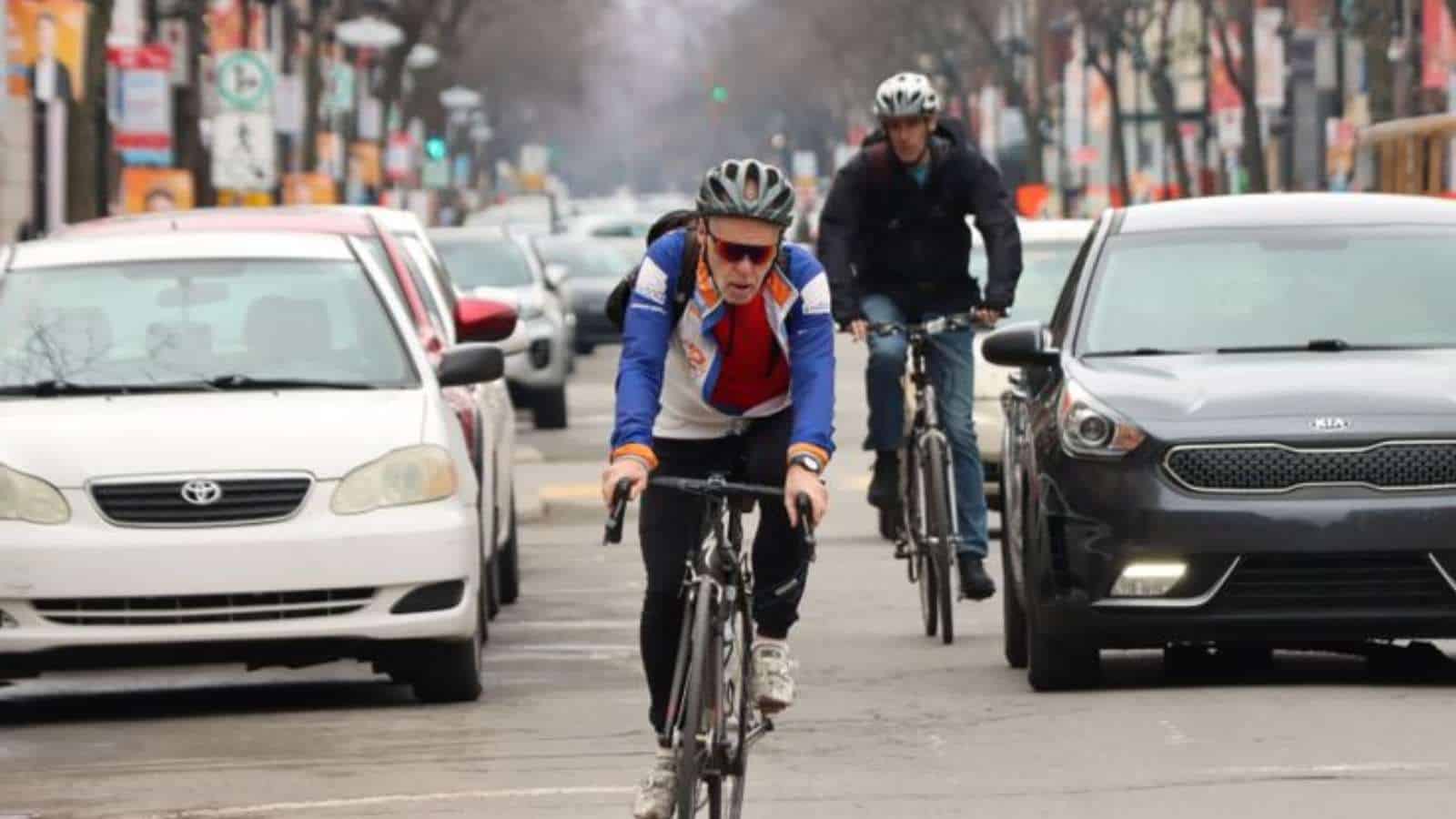
Roads are meant to connect people, but many communities have been built in ways that make walking or cycling challenging. Long distances between homes, stores, and workplaces often leave residents with fewer options beyond driving.
For pedestrians, crossing busy roads can feel unsafe because of high speeds, limited sidewalks, and poorly designed intersections. These challenges affect older adults, children, and anyone who cannot rely on a vehicle for every trip.
A transportation system should provide choices for everyone. When roads are designed mainly around cars, communities can become less accessible and harder to navigate for the people living in them.
Some Roads Were Built Without People in Mind
Many roads were designed primarily to move vehicles quickly, but communities are made up of more than cars. The U.S. Department of Transportation says safer roads should account for human mistakes and protect vulnerable users, showing why people-centered design matters.
Pedestrians, cyclists, and nearby residents often face challenges when roads prioritize speed over safety. The rise of “stroads,” which combine busy roads and local streets, has created environments that can feel uncomfortable and dangerous.
A transportation system should help people reach destinations safely. When design choices ignore everyday movement, roads can create more problems than they solve
You may want to read: 11 reasons public transportation continues to fail outside major cities
Dangerous Road Designs Create Daily Risks
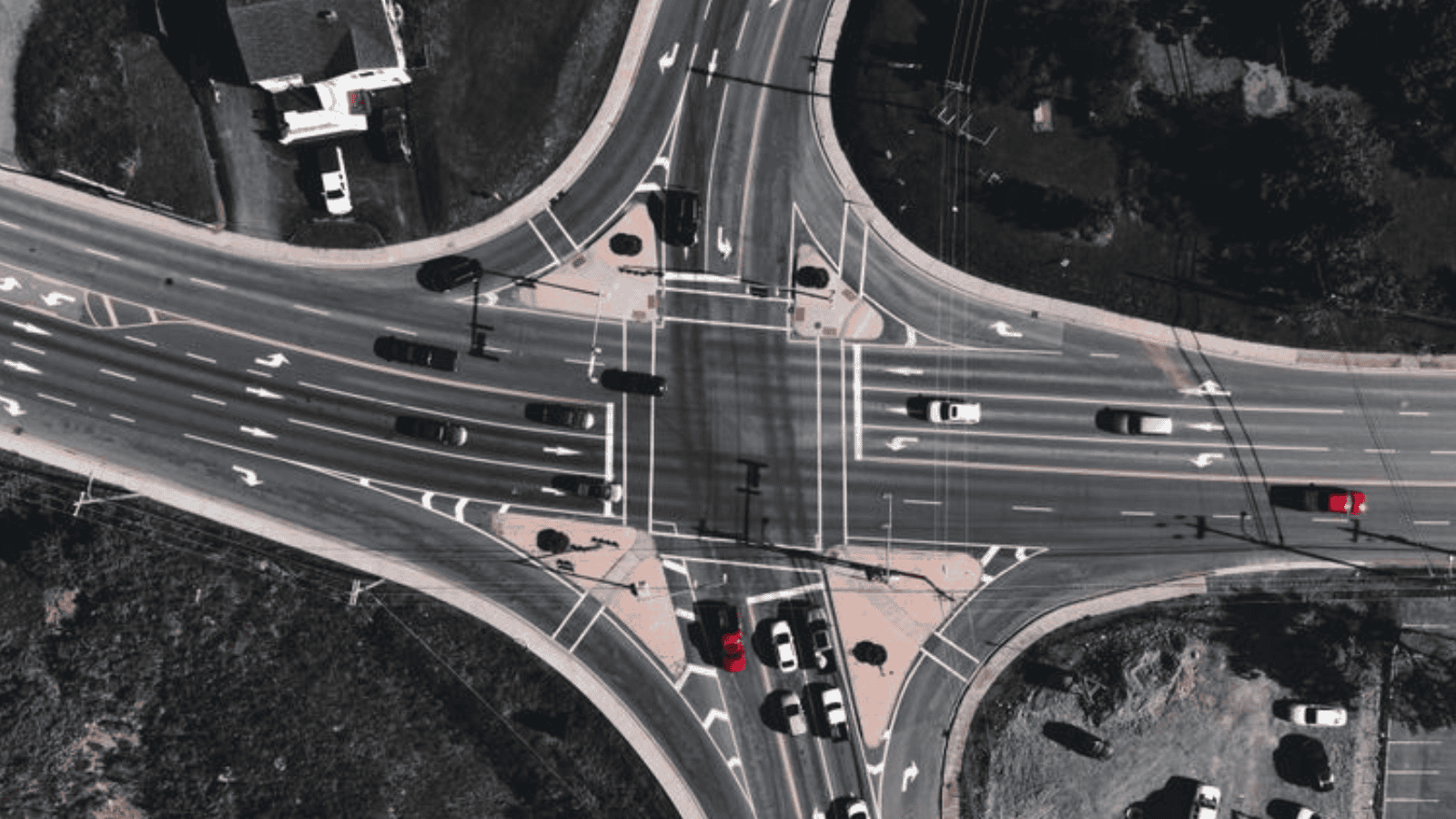
Some road problems are not caused by damage but by the way roads are designed. Wide lanes, unclear intersections, and areas where vehicles move at different speeds can create confusion for drivers and pedestrians.
These designs can increase the chances of crashes because they force different types of road users to compete for the same space. A road may move traffic quickly, but it can still create safety problems nearby.
The challenge is finding a balance between efficiency and safety. Roads should help people travel while also protecting the communities surrounding them.
America Became Too Dependent on Cars
For many Americans, owning a vehicle is not just a convenience but a necessity. In many areas, reaching work, school, healthcare, or basic services can be difficult without access to a car.
This dependence increases the financial burden on households. Beyond the cost of buying a vehicle, drivers also face expenses like fuel, insurance, maintenance, and repairs.
When communities are designed around driving alone, transportation becomes more expensive for everyone. A system built around cars can limit choices for people who need other ways to get around.
Aging Bridges and Infrastructure Add Pressure
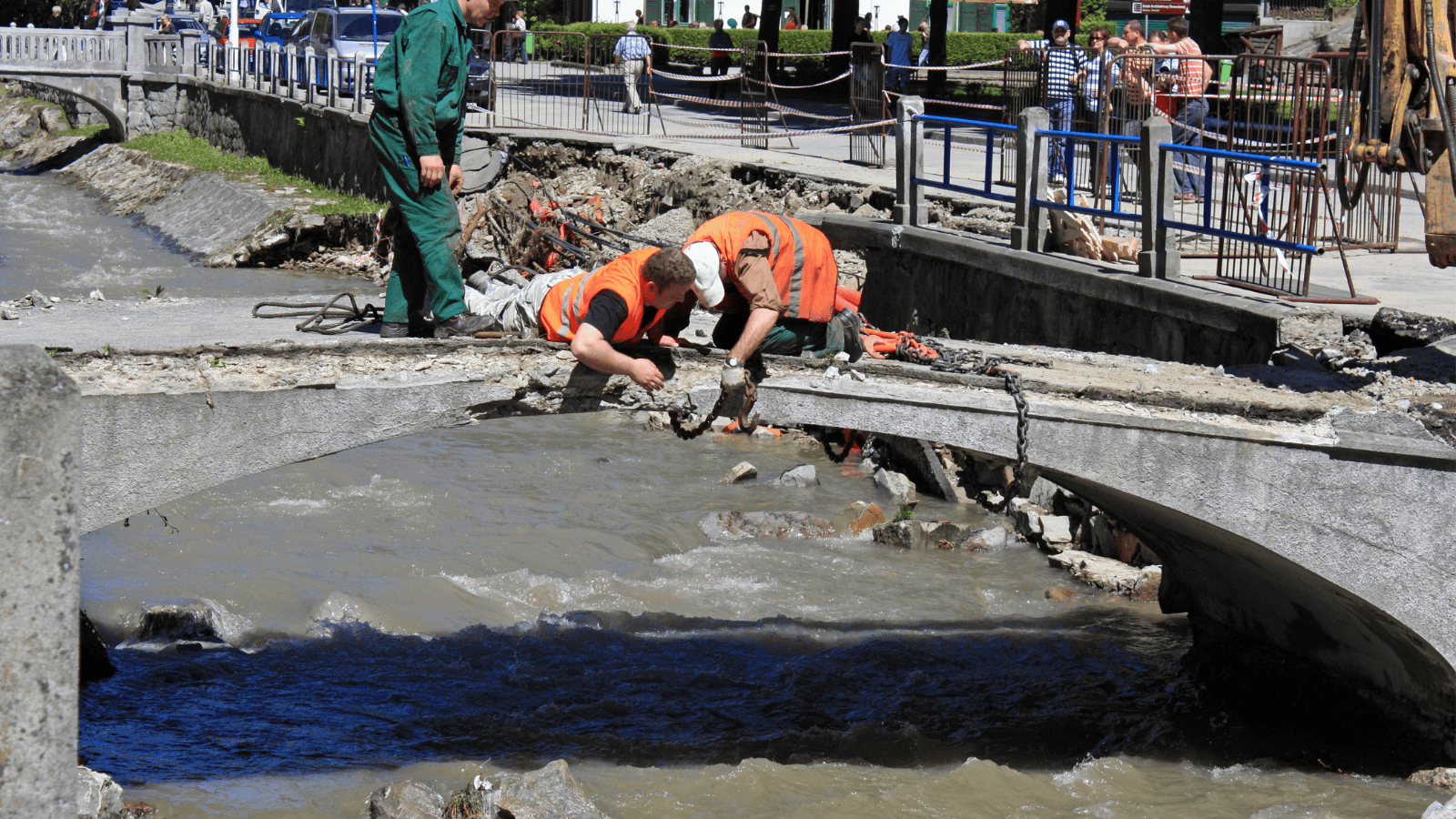
Roads are connected to a larger network that includes bridges, tunnels, and transportation systems. When these structures age, repairs become more complicated and expensive.
Many communities must balance urgent maintenance needs with limited resources. The ASCE Infrastructure Report Card says U.S. bridges still earned only a C grade, with 49.1% in fair condition, 44.1% in good condition, and 6.8% in poor condition, leaving a large share of the system vulnerable to future decline.
Infrastructure is something people often notice only when it fails. Until then, many aging systems continue operating quietly under increasing pressure.
Road Repairs Keep Getting More Expensive
Maintaining America’s roads requires more than fixing visible damage. As infrastructure ages, repairs often become more complex, costly, and difficult for communities trying to manage limited resources.
The cost of delaying maintenance can grow over time because small problems can become larger repairs. When road issues are ignored for too long, communities may spend more money addressing damage instead of improving transportation systems.
When repairs continue to fall behind, communities are forced to make difficult choices. Instead of creating better roads for the future, many areas spend more time catching up with existing problems.
Poor Road Systems Hurt Local Communities
Roads do more than move vehicles; they shape how communities grow and how people access jobs, businesses, and essential services. When transportation systems struggle, the effects can spread beyond traffic problems.
Poorly connected areas can make daily activities more difficult and limit opportunities for residents. Long travel distances and unsafe designs can influence where people choose to live, work, and spend time.
A strong road system should support the people who depend on it. When roads create barriers instead of connections, communities can lose convenience, accessibility, and economic potential.
Public Transportation Cannot Fill Every Gap.
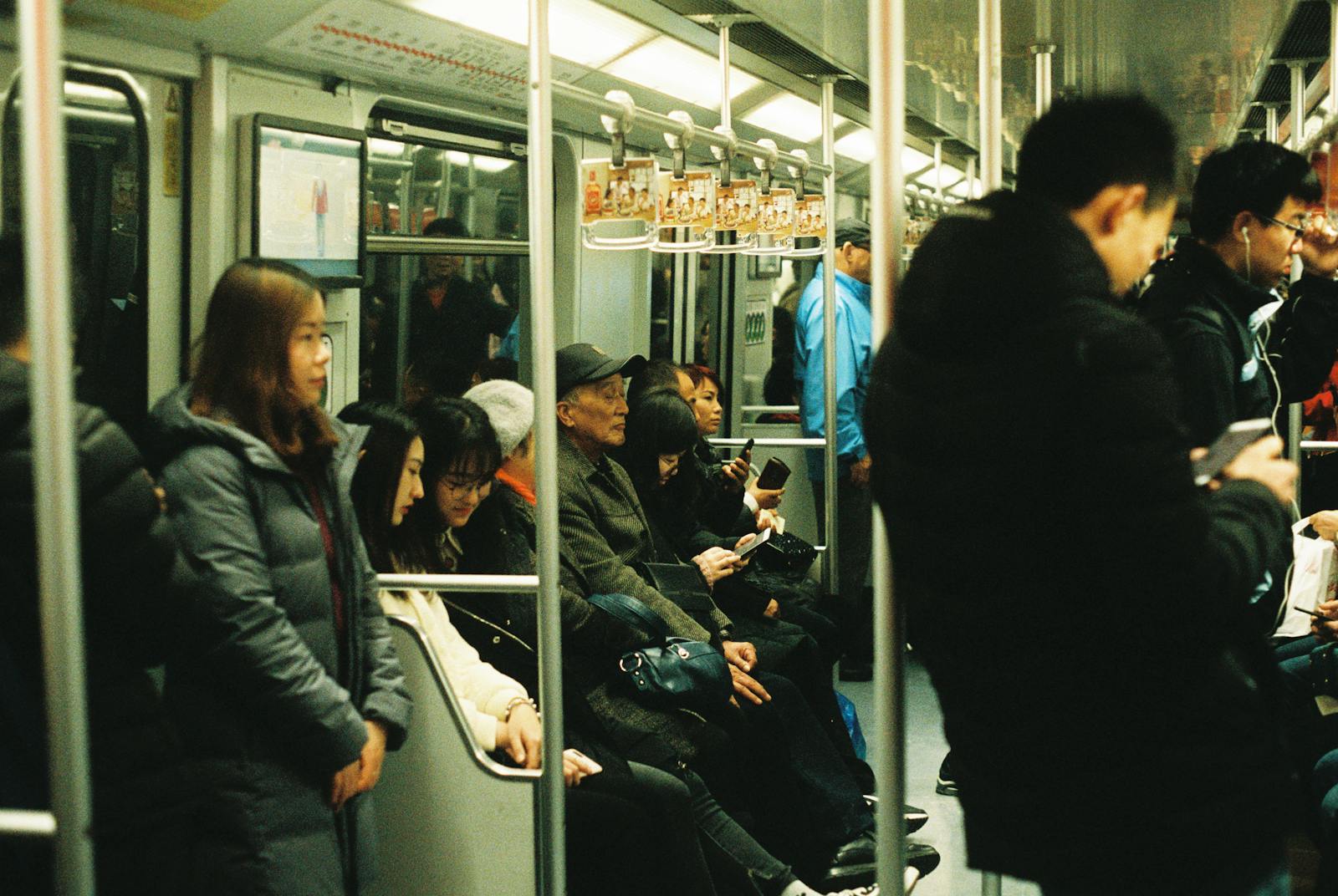
For many Americans, driving remains the only realistic way to reach work, school, healthcare, and daily necessities. In areas with limited public transportation options, road problems can have a much larger impact on everyday life.
When traffic increases or roads become difficult to navigate, people often have few alternatives. This creates extra pressure on drivers who cannot simply choose another way to travel.
A balanced transportation system requires more than roads alone. Communities need options that allow people to move safely, efficiently, and affordably.
America Needs to Rethink What Roads Are For
For decades, roads were mainly designed around moving vehicles as quickly as possible. Today, many communities are reconsidering whether roads should also support safety, accessibility, and quality of life.
A successful transportation system should work for drivers, pedestrians, cyclists, and the neighborhoods surrounding it. The future of roads may depend on creating designs that serve more than one purpose.
America’s road challenges are not only about repair costs or traffic delays. They are also about building transportation systems that better match the needs of modern communities.