12 signs of a silent faith crisis churches rarely discuss
A faith crisis rarely kicks down the door; it usually slips in, takes a back pew, and learns every lyric. Pew Research Center found that 35% of U.S. adults now hold a different religious identity from the one they grew up with, while 29% identify with no religion at all. Yet 70% of Americans still describe themselves as spiritual in some way, which suggests that many people do not simply stop caring about faith; they start renegotiating it quietly.
Barna research vice president Daniel Copeland puts the relational piece plainly: “Faith is a skill that must be modeled first.” A silent faith crisis can happen while you attend services, lead a small group, volunteer twice a month, and smile through the closing song. So, how do you spot the struggle before it turns into total withdrawal?
You keep attending, but your heart has checked out
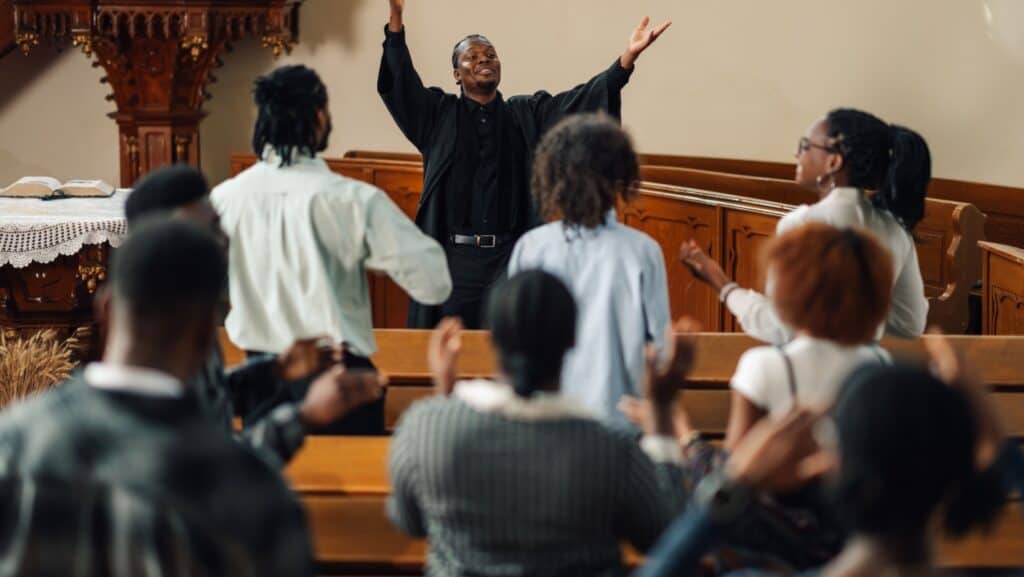
You still show up, find your usual seat, and know exactly when the bridge hits in the worship song, but the whole experience feels like muscle memory. Gallup found that only 30% of U.S. adults attended religious services weekly or almost weekly in its 2021–2023 averages, down from 42% two decades earlier. Attendance alone never tells the whole spiritual story because a person can sit in a sanctuary while mentally planning lunch, work, or an escape route.
Watch for the gap between physical presence and inward participation. Do you leave without remembering one idea, one prayer, or one human interaction that mattered? My honest take: churches often celebrate the head count because spreadsheets behave nicely, but your soul does not punch a time card, and routine that replaces meaning for months deserves curiosity rather than guilt.
Your prayers sound polished but feel empty

You may still pray with the right vocabulary, yet every sentence sounds like a memo you copied from your former self. Pew found that 44% of Americans feel deep spiritual peace and well-being at least once or twice a month, while 22% describe themselves as spiritual but not religious. Those numbers show that people still seek connection, but they do not always find it through familiar religious language or institutions.
Ask yourself a blunt question: Do I speak honestly in prayer, or do I perform competence? A prayer can include anger, doubt, boredom, grief, or even silence because God does not grade sentence structure with a red pen. When you edit every emotion before you express it, you may protect your religious image while starving the relationship that image claims to represent.
Honest questions make you feel disloyal

A healthy question tries to understand, while a hidden crisis treats every question like evidence for the prosecution. Pew’s 2025 survey found that 64% of religiously unaffiliated adults considered questioning religious teachings an extremely or very important reason for their nonaffiliation. Among adults who left their childhood religion, 46% said they stopped believing its teachings, and 38% said they gradually drifted away.
The warning sign does not lie in the question itself; it lies in your fear of asking it. Do you worry that one difficult Bible passage, doctrine, or church policy will collapse the whole structure? Faith communities often rush toward answers because uncertainty makes everyone twitchy, but a rushed answer can silence a person without resolving a single doubt.
You hide your real thoughts from church friends

You can discuss schedules, kids, football, recipes, and the parking disaster, yet you never tell anyone that faith feels fragile. Lifeway found that 57% of Protestant churchgoers openly shared difficulties with Christian friends, while roughly one in four said they did not. Research director Scott McConnell captured the problem: “It is easy for Christians to put their ‘church’ face on.”
Secrecy gives doubt extra power because it removes every chance for empathy, correction, or companionship. When someone asks, “How are you?” do you automatically answer “blessed” while your inner life waves a tiny white flag? You do not need to announce every private thought from the stage, but you do need at least one trustworthy person who can hear the unedited version.
Church language triggers shame instead of growth
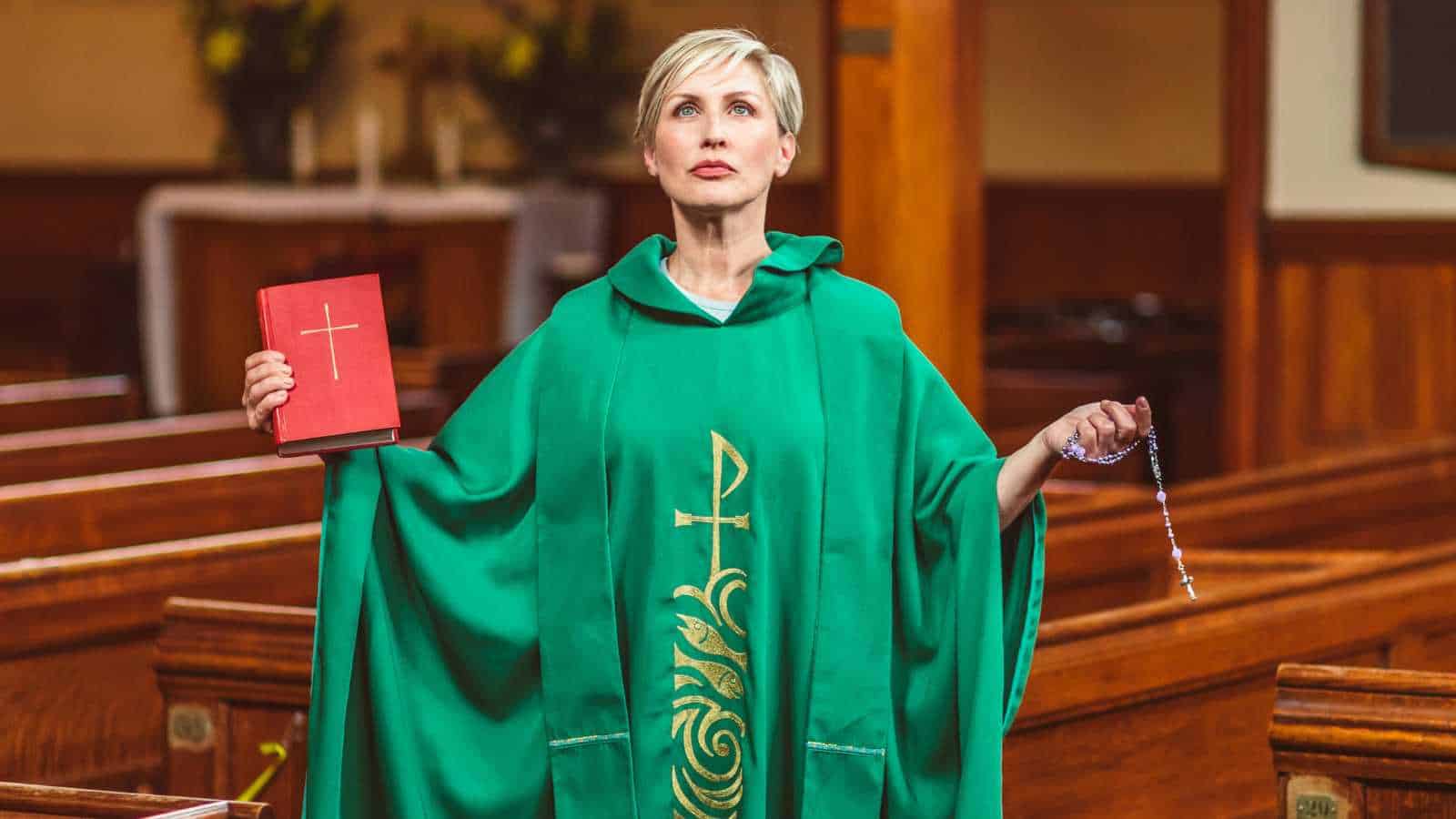
Certain sermons, phrases, or worship settings may now make you brace for impact instead of opening your heart. The American Psychological Association notes that religious and spiritual struggles consistently connect with mental health across many groups and settings. Pew also found a stark childhood pattern: 69% of adults who grew up with a negative religious experience no longer identify with any religion, compared with only 10% among those who reported a mostly positive experience.
Shame says, “Something is wrong with me because I struggle,” while healthy conviction points toward a specific action and leaves room for repair. Can you hear a message about failure without spiraling into worthlessness or fear? A faith crisis may grow when leaders use spiritual language to control, dismiss, or frighten people, and no amount of cheerful lobby coffee can turn that pattern into care.
Leadership scandals crowd out everything else

You try to focus on faith, but every new scandal reopens the same question: Why should I trust an institution that protects its image first? Pew found that 32% of Americans who left their childhood religion viewed scandals involving clergy or religious leaders as an extremely or very important reason. PRRI also found that 31% of unaffiliated Americans cited clergy sexual-abuse scandals as a reason for leaving, up from 19% in 2016.
This sign often looks like constant suspicion, anger, or compulsive news-checking around church leadership. Those reactions do not automatically prove cynicism; sometimes they show that your conscience still works perfectly well, thank you very much. The real test asks whether you can imagine accountability, transparency, and repair, or whether every leader now feels unsafe by default.
Politics starts defining your entire faith

You once measured faith through prayer, character, compassion, and community, but now every spiritual conversation turns into a campaign argument. Pew Research Center found that 34% of adults who left their childhood religion considered its social and political teachings an important reason for leaving. PRRI found that 17% of people who changed traditions said their congregation focused too heavily on politics, while Barna found political division among the top pressures on pastors who considered quitting.
Ask yourself whether your political tribe now supplies your moral vocabulary, enemies, heroes, and sense of belonging. Can you disagree with someone at church without questioning their salvation, intelligence, or basic humanity? Politics affects real lives and deserves serious discussion, but when one party platform becomes a substitute creed, faith starts wearing a campaign hat that never comes off.
You serve constantly and resent everyone quietly

You lead, organize, clean, teach, greet, sing, donate, and somehow still receive another group-text request at 10:47 p.m. Barna’s 2026 data found that 24% of U.S. senior Protestant pastors had seriously considered leaving full-time ministry during the previous year, down from pandemic-era peaks but still substantial. Earlier Barna findings showed that 56% of pastors who considered quitting named immense job stress, while 43% named loneliness and isolation.
Those figures describe pastors, not every volunteer, but they reveal a wider church-culture problem: ministry can reward output while ignoring exhaustion. Do you serve from love and purpose, or from fear that people will judge you if you say no? Resentment often signals a boundary problem before it signals a belief problem, yet long-term burnout can make God, church, and obligation feel like one giant unpaid shift.
Worship leaves you numb, angry, or strangely distant

Music once helped you focus, prayer once softened you, or communion once grounded you, but now those moments produce little more than irritation or blankness. Researchers who study religious and spiritual struggle consistently link higher struggle with greater psychological distress, although honest processing can also encourage reflection and growth. Pew’s spirituality survey found that 44% of U.S. adults experience deep spiritual peace at least monthly, which also means many Americans experience it less often.
Numbness does not always mean unbelief because grief, depression, trauma, exhaustion, medication changes, and ordinary stress can also flatten emotion. Still, ask whether you feel numb only in church or across your whole life, because that difference matters. A fog machine, louder chorus, or fourth key change cannot fix a trust wound, and pretending otherwise only makes the room noisier.
You consume faith content but avoid real community

You may listen to sermons, theology podcasts, deconstruction videos, worship playlists, and three-hour debates, yet you avoid every setting where someone might actually know you. Pew found that 39% of U.S. adults participated in a religious community, while only 14% participated in a spiritual community. Among Americans who called themselves spiritual but not religious, just 2% attended weekly worship, even though many still held spiritual beliefs.
Digital content gives you control because you can pause, skip, mute, or close the tab when discomfort arrives. Real community asks more from you, including patience, vulnerability, disagreement, and the occasional awkward potluck casserole. When you want endless information but reject every relationship, you may not lack faith content; you may lack a safe place to test what you still believe.
A painful event changed your picture of God

Loss, illness, betrayal, divorce, infertility, abuse, or unanswered prayer can turn a familiar belief into a live question overnight. PRRI found that 18% of Americans who changed religious traditions pointed to a traumatic event as a reason for leaving. Research on spiritual struggle also shows that people often wrestle with divine abandonment, anger toward God, meaning, and conflict with other believers during periods of distress.
The crisis often sounds less like “I reject every doctrine” and more like “I no longer know whether God feels trustworthy.” Have you allowed yourself to grieve what happened, or did people hand you a verse before they learned the details? Quick spiritual explanations can feel tidy to the speaker and brutal to the listener, so healing usually needs honesty, time, wise pastoral care, and sometimes a licensed mental-health professional.
The idea of leaving brings relief

You may feel sad about losing community, identity, family traditions, or meaning, yet the thought of stepping away also makes your shoulders drop. Pew found that half of religiously unaffiliated adults strongly cited dislike of religious organizations, while 49% cited distrust of religious leaders. The same research found that 38% of adults who left their childhood religion said they gradually drifted away, which shows that many exits develop through slow emotional distance rather than one dramatic showdown.
Relief does not automatically tell you what decision to make, but it tells you that your current situation carries weight. What exactly lifts when you imagine leaving: fear, performance, conflict, shame, overwork, or belief itself? Name the burden before you make a permanent decision because you may need a new congregation, firmer boundaries, trauma-informed counseling, a season of rest, or a complete reexamination of faith.
Key takeaway

A silent faith crisis often appears through distance, secrecy, shame, burnout, distrust, or relief long before someone changes a religious label. None of these signs alone proves that faith has disappeared, and doubt does not make you dishonest or defective. Start with one truthful conversation, one specific question, and one safe person who will listen without turning your struggle into a sermon illustration.
Pew’s newest switching data shows why that honesty matters: 61% of adults who kept their childhood religion said it met their spiritual needs, while 56% said it gave their life meaning. In other words, people rarely sustain faith through pressure alone; they need meaning, trust, relationships, and room to think. And yes, churches can schedule another program, but listening might work better.
Disclaimer – This list is solely the author’s opinion based on research and publicly available information. It is not intended to be professional advice.
You May Also Like: 10 ways your faith is tested in the modern world
Like our content? Be sure to follow us