12 reasons Middle East oil still matters to America—despite record U.S. production
America broke an oil record in 2025. Three months later, trouble beside a narrow sea lane helped send Brent crude from $61 to $118 a barrel. That’s the puzzle.
The U.S. Energy Information Administration says U.S. wells pumped 13.6 million barrels a day in 2025. The nation also held 46 billion barrels of proved crude oil and lease condensate at the end of 2024. Yet gasoline reached $3.99 a gallon on March 30, 2026, after war choked traffic through Hormuz.
One headline number needs fixing. The claim that America sits on 264 billion barrels came from a 2016 Rystad Energy estimate that combined proved, probable, possible, and undiscovered resources. It wasn’t crude ready for sale.
The newer EIA count of 46 billion proved barrels is narrower: oil recoverable with high confidence at current costs and under current rules. Even that stock can’t free drivers from world prices. Oil starts in rock; price moves through pipes, plants, ships, and fear.
Reserve Reality
Oil estimates come in different boxes. “Proved reserves” means drillers have data showing that crude can be recovered at current prices and under current working conditions.
The 264-billion-barrel figure placed proved, probable, possible, and undiscovered oil in one much larger box. In 2016, Rystad’s Per Magnus Nysveen used that broad method to compare nations on the same basis.
The latest EIA reserve report counts 46 billion proved barrels at the end of 2024, down 1% from 2023. Shale fields held 27.5 billion of those barrels, or 60%. A reserve is also a stock, not a daily flow. It still needs wells, workers, roads, pipes, money, and time. A giant number underground can’t become gasoline by Tuesday morning.
Crude Mismatch
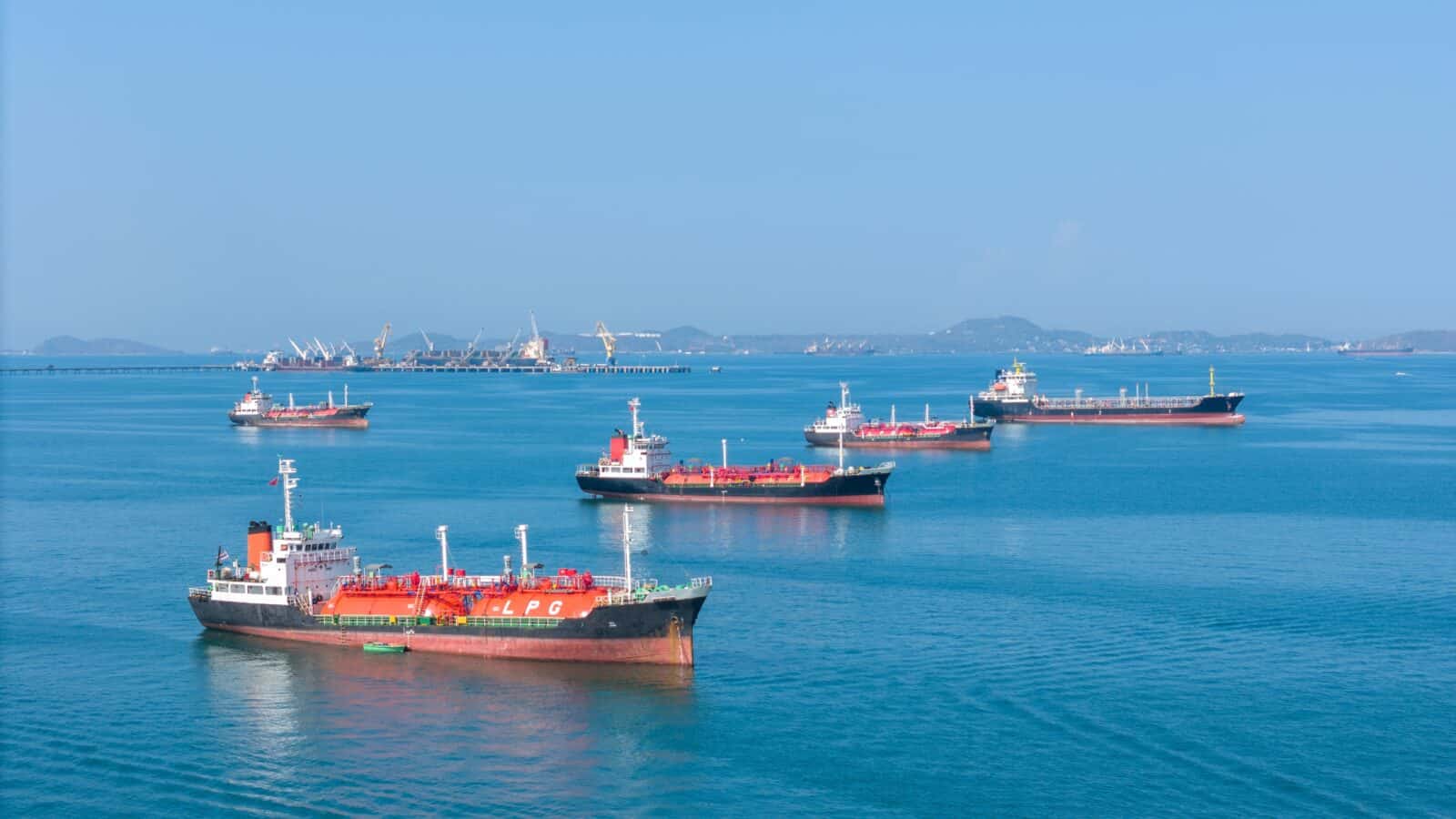
Crude oil isn’t one smooth, black recipe. Some grades are light and low in sulfur. Others are thick or rich in sulfur. Most oil from U.S. shale fields falls into the light, sweet group.
Many Gulf barrels are medium and sour. In 2025, the EIA found that 88% of U.S. crude imports from Middle East Gulf nations were medium sour. That came to about 432,000 barrels a day.
Think of a fictional bakery with sacks of white flour stacked to the ceiling. It may still buy rye because one oven and one recipe call for it. U.S. plants can process home-grown oil, but each has a mix that works best. Gulf crude still fits part of that mix. That fit can be worth cash when one grade costs less than the next. It earns its keep.
Refinery Design
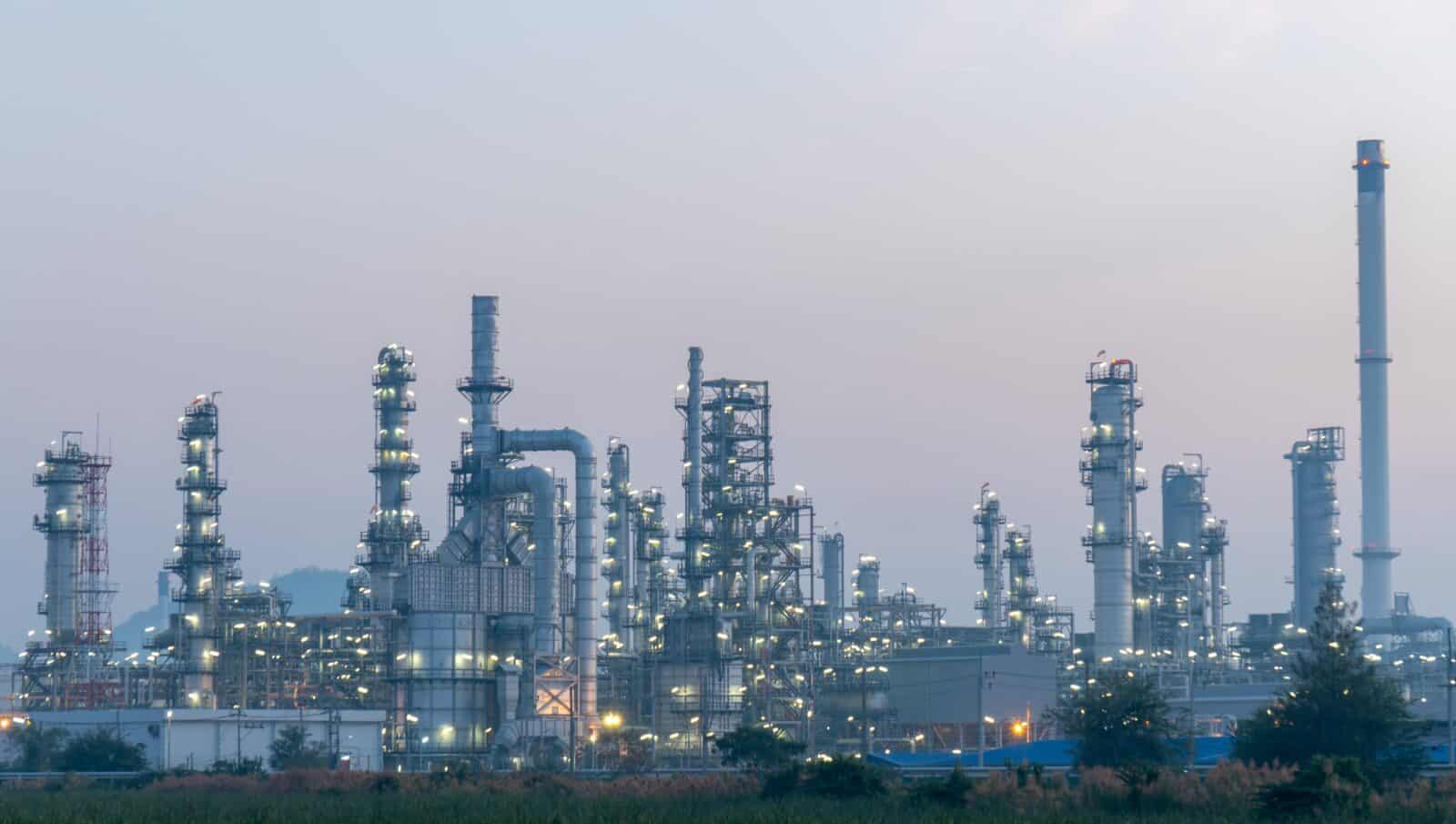
Many U.S. refiners spent years adding cokers, crackers, and sulfur-removal units. Those machines turn cheaper, harder-to-process crude into gasoline, diesel, and jet fuel.
The EIA reported more than 3 million barrels a day of U.S. coking capacity as of 2019. Feeding those units light shale oil can leave costly gear with less work to do. Price adds another pull.
In 2025, medium-sour Mars crude sold for an average of $2 less per barrel than Light Louisiana Sweet. A refinery built for the tougher grade may earn more from that discount.
Plants have taken more U.S. light crude since the shale boom, so the system isn’t frozen. Yet old steel carries old choices, and refineries rarely rebuild around one year’s oil boom.
California’s Divide

California’s fuel map looks a little like Texas’. State wells supplied 22.9% of the crude used by California plants in 2025.
Alaska supplied 16%, and foreign nations supplied 61.1%, state data shows. The West Coast also took 47% of all U.S. crude imports from the Middle East Gulf that year. Iraq sent the region 139,000 barrels a day, Saudi Arabia sent 62,000, and the United Arab Emirates sent 28,000.
Few pipes link West Coast plants with the huge fields of Texas, New Mexico, or Canada. Mountains and miles get a vote. So does the sea. Permian wells may roar in West Texas, but their oil doesn’t flow through an unseen pipe to Los Angeles. A ship can reach the coast where no crude pipe does. Ships bridge that gap.
Shipping Law
The Jones Act says cargo moving between two U.S. ports must use a U.S.-built, U.S.-owned, and U.S.-crewed ship flying the U.S. flag. The rule backs American shipyards, crews, and wartime shipping skills. It can also make a Texas-to-New Jersey trip cost more than a foreign voyage.
A 2025 MIT working paper modeled oil trade from 2018 to 2019. It found that lifting the limits could have raised Gulf-to-East Coast fuel flows from 253 million to 371 million barrels a year.
University of Chicago economist Ryan Kellogg and Boston College economist Richard L. Sweeney wrote, “These restrictions have the effect of increasing the cost of domestic shipping.” Their model isn’t a repeat test, but it shows why a shorter map route may lose on price.
Trade Math
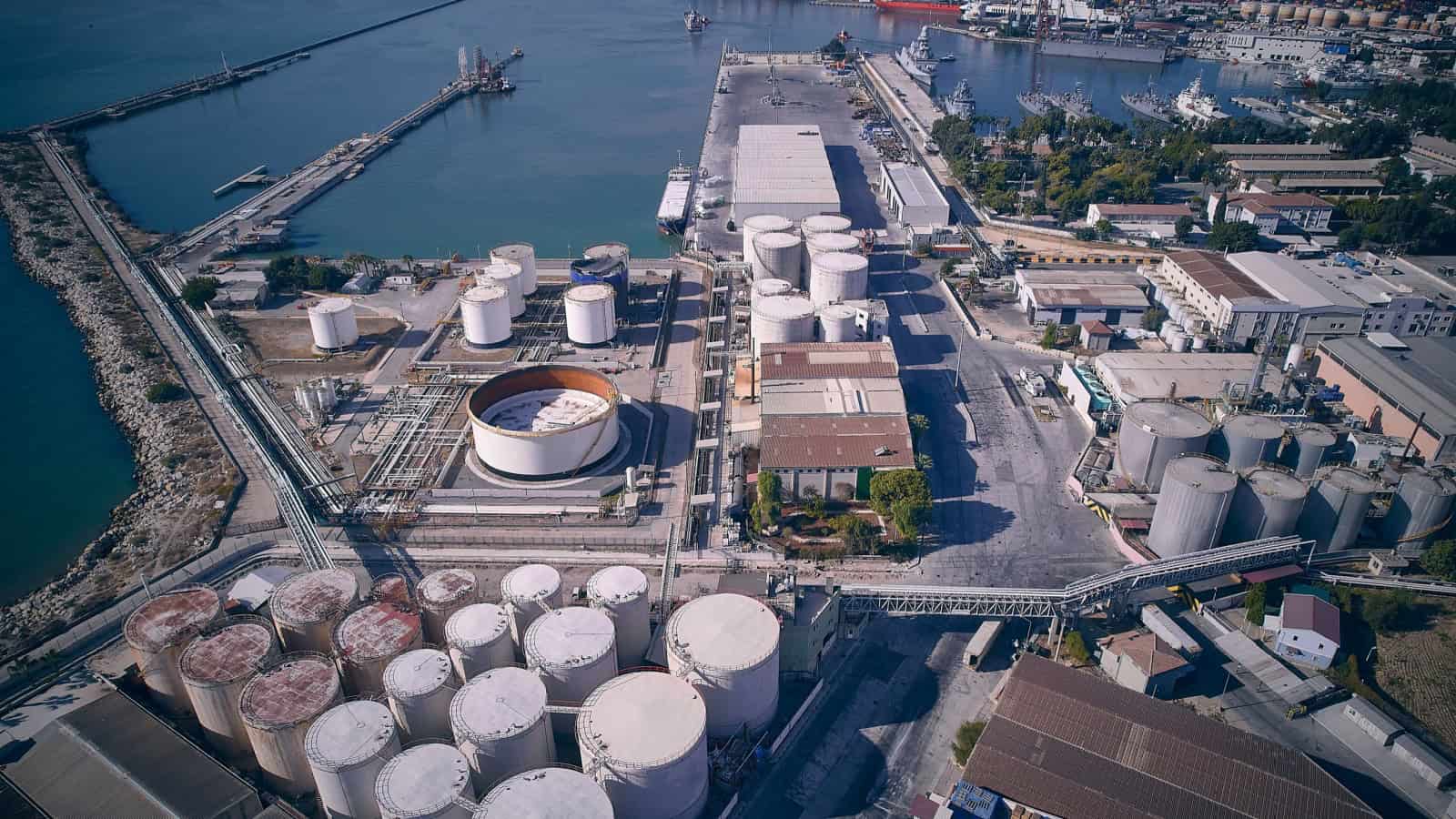
The U.S. can export oil and import it at the same time without breaking the laws of math. In 2025, the nation pumped 13.6 million barrels of crude oil per day and exported 4 million barrels per day.
That was about 29% of U.S. output. It also brought in 6.2 million barrels per day, leaving a crude import gap of nearly 2.2 million barrels per day. The phrase “net petroleum exporter” covers more than raw crude.
It includes fuels and other goods, such as diesel, gas, propane, and jet fuel. The Gulf Coast ships enough crude and fuel to outweigh imports elsewhere. The EIA says it was the only net petroleum-exporting region in the U.S. in 2025.
A national win can hide a local need. The trade ledger has more than one page. Both can be true.
Gulf’s Niche
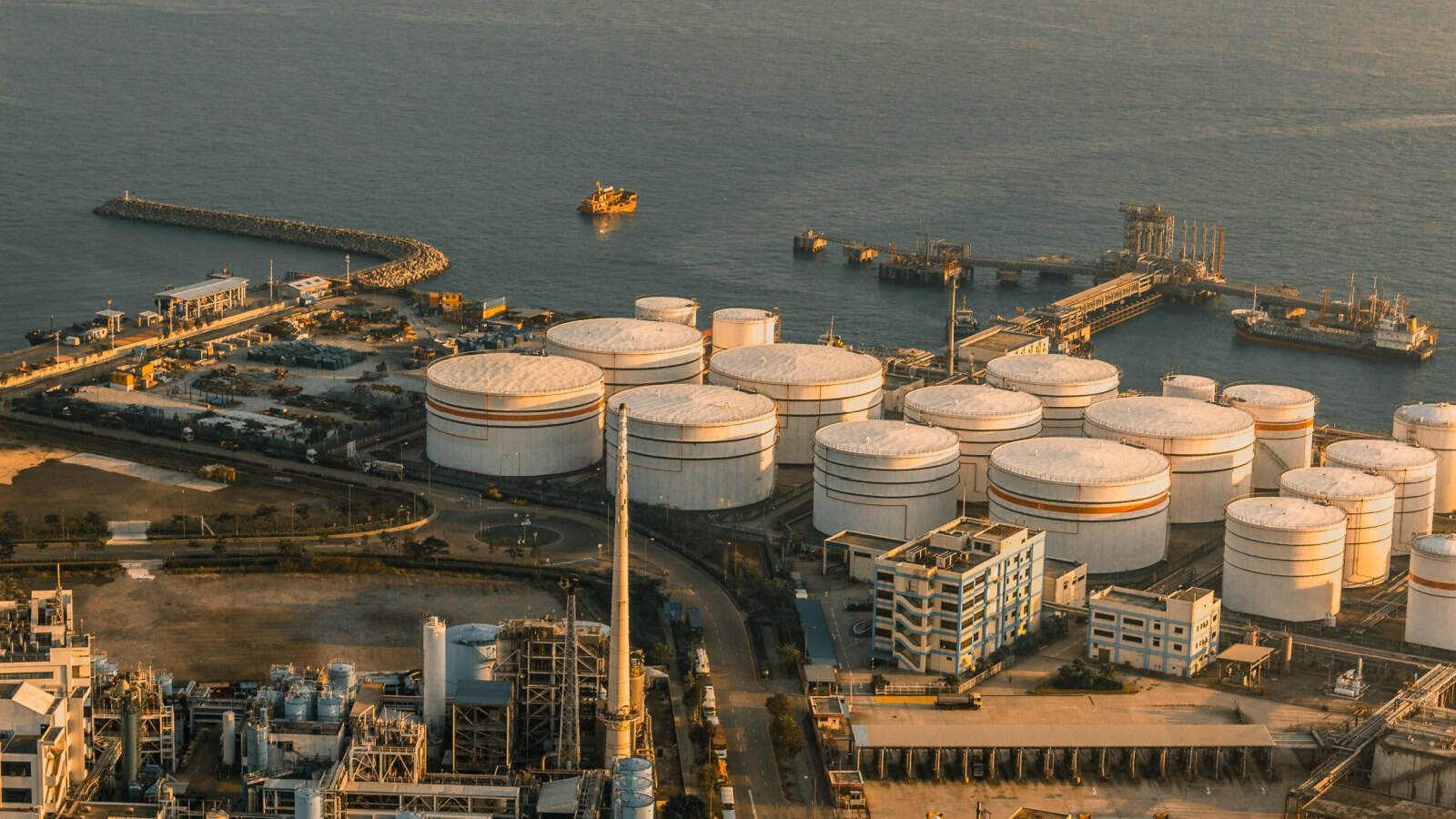
Middle East Gulf oil no longer rules the U.S. import stream. Those nations supplied 490,000 barrels a day in 2025, or 8% of the nation’s 6.2 million barrels a day in crude imports. Canada now towers over that share.
It supplied 4.1 million barrels a day in 2024, close to two-thirds of total U.S. crude imports. Still, Gulf oil fills a narrow slot. Of the crude arriving from Bahrain, Iraq, Kuwait, Oman, Qatar, Saudi Arabia, and the UAE in 2025, 88% was medium sour.
Those ships made up 17% of all U.S. imports in that grade. This is less like a chain around the nation’s ankle and more like one needed gear in a vast machine. Small doesn’t mean useless, but it also doesn’t mean control. The last slice still has a job.
Global Pricing

A barrel tends to go where buyers will pay the going rate. That fact ties a driver in Ohio to a tanker near Oman. After military action began in the Middle East on February 28, 2026, Brent crude climbed from $61 at the start of the year to $118 at the end of March.
The increase was the largest first-quarter jump in inflation-adjusted EIA data since 1988. Samantha Gross, director of the Brookings Energy Security and Climate Initiative, and researcher Ryan Beane put the link in eight words: “Oil is a globally traded and largely fungible commodity.”
In plain English, one barrel can often replace another. A lost Gulf barrel makes other barrels more prized, including the ones pumped in Texas.
Hormuz Risk
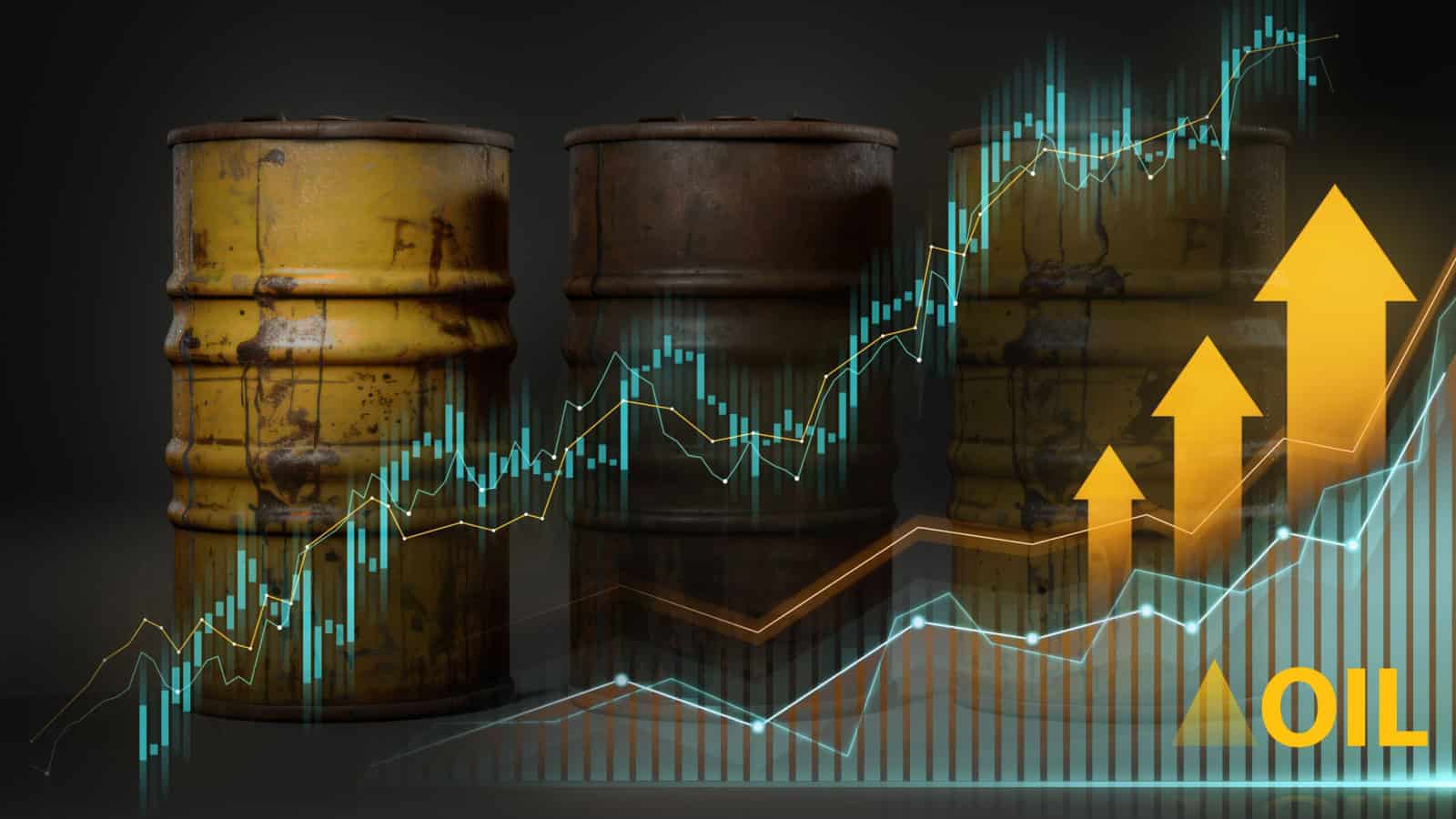
Before the 2026 supply break, about 20 million barrels of crude and oil products crossed the Strait of Hormuz each day.
That was close to 20% of world oil use, the International Energy Agency reports. Most Gulf exports go to Asia, not the U.S. Yet a blocked route prompts buyers there to seek crude from the United States, Canada, Brazil, and West Africa.
A fictional Texas plant could buy no Iraqi oil and still pay more after a buyer in Asia bids up the same Atlantic cargo. Risk at sea also raises ship and insurance costs. That’s how a slim U.S. import share can cast a long shadow.
The market counts lost world barrels, not just barrels bound for U.S. docks. A bid in Seoul can lift a bill in St. Louis.
Saudi Cushion
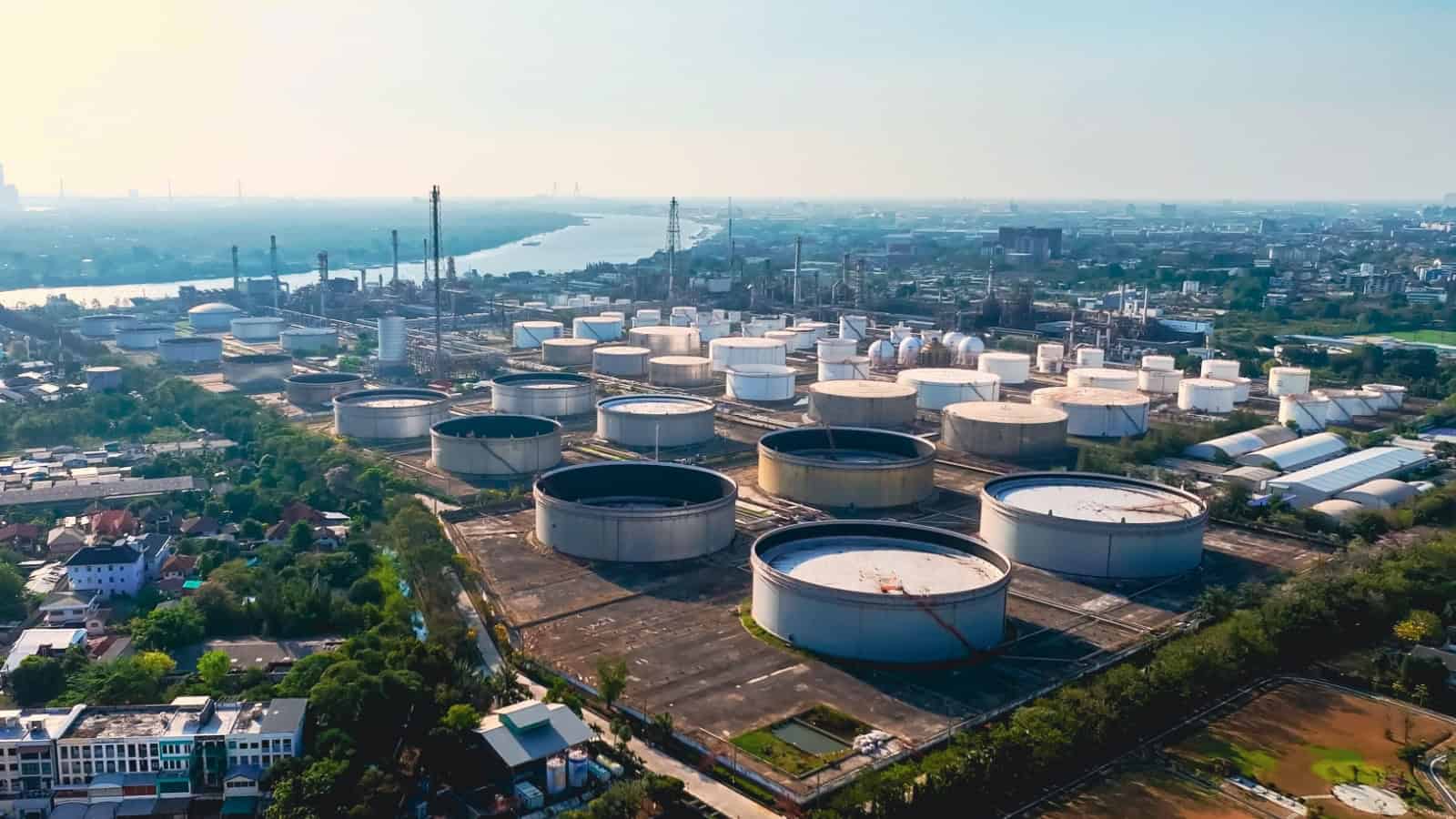
Saudi Arabia had stated room to pump about 12 million barrels a day before the 2026 crisis. It produced about 9.6 million a day in 2025, leaving a gap of nearly 2.4 million.
That gap made the kingdom a rare source of extra supply during past shocks. Yet spare output on paper still needs safe wells, ports, pipes, crews, and ships. Saudi Arabia’s East-West pipeline can move 5 million barrels a day to the Red Sea and, in a crisis, has been expanded to carry up to 7 million barrels a day, EIA data show.
Even that route has limits. OPEC+ supplied 43% of the world’s oil and other liquids in 2023. Its choices and woes can shift prices long before a U.S. shale crew drills a new well. Spare oil has value only if it can move.
Emergency Stockpile

The United States built the Strategic Petroleum Reserve after the 1973–1974 Arab oil embargo. Its salt caverns can hold 714 million barrels. The stockpile held 411 million at the end of 2025, then fell as the 2026 crisis grew.
The nation joined a 400-million-barrel global release and approved the release of 172 million barrels from its own reserves. By June 25, the Energy Department counted 336.8 million barrels left.
That oil can briefly ease a shortage. It can’t run refineries forever. International Energy Agency Executive Director Fatih Birol said, “The war in the Middle East is creating a major energy crisis.”
His agency called it the largest supply break in oil-market history. Each emergency barrel helps today but leaves more empty cavern space for tomorrow.
Slow Rebuild
New pipes, refinery units, ports, and ships take years to plan and build. They face land disputes, clean-air rules, permit requirements, and uncertainty about future fuel sales. U.S. refining capacity fell in 2025 after large plants closed in Houston and Los Angeles.
The three biggest refiners reported capacity gains below 1% for 2026, mostly from small upgrades, the EIA found. More transport links could cut regional import needs. Yet cars that burn less fuel can also cut the power of the next shock.
Road travel accounts for about 45% of global oil demand, according to the IEA. Better mileage, electric cars, buses, and shorter trips won’t fix a crisis in one season. Over time, though, the barrel a driver never needs can’t be held hostage by a distant strait.
Key Takeaways

The EIA expects Brent to ease from $103 in the second quarter of 2026 to about $70 in the fourth, then average $65 in 2027.
That forecast rests on more Gulf oil reaching buyers. Another break could bend it. America has more wells and export power than it did a decade ago.
It still lives inside one world price. Texas oil can fill a pipe. It can’t keep Hormuz open.
Disclaimer – This list is solely the author’s opinion based on research and publicly available information. It is not intended to be professional advice.
Like our content? Be sure to follow us