Trump’s Great American State Fair draws small crowds and big reactions
The utilization of national landmarks for highly centralized political branding has faced an unprecedented empirical test on the National Mall.
The launch of the 16-day Great American State Fair has exposed severe fractures in the administrative and cultural landscape of modern civic celebrations. Billed as a historic celebration of the nation’s 250th anniversary, the event running from June 25 to July 10, 2026, has instead drawn intense polarization and widespread administrative friction. Data reveals that a combination of state boycotts, major artist withdrawals, and logistical failures has significantly depressed public participation.
This political branding effort represents a major departure from traditional bipartisan civic programming. Rather than relying on established organizations, the administration created a public-private task force called Freedom 250 to oversee the festivities. This structural shift has converted a historically unifying anniversary into a highly contested and controversial political battleground.
Administrative divisions and funding splits
The organizational framework of the 250th anniversary has been deeply fractured by institutional infighting between rival planning committees. This tension stems from the creation of Freedom 250, a public-private task force established to run preferred events. This group bypasses the bipartisan America250, which was originally established by Congress a decade ago to prepare for celebrations.
Funding disparities between these two organizations have drawn significant scrutiny from lawmakers. In contrast to America250’s steep budget shortfall, the Interior Department allocated at least $68 million to Freedom 250. This massive allocation highlights a strategic effort to centralize control over public memory and patriotic spectacles.
The resulting polarization has led several state governments to distance themselves from the event entirely. At least six states refused to participate. While organizers claimed every community would be represented, these boycotts severely undermined the fair’s claim of national unity.
Logistical challenges and empty midways
The physical design of the fairgrounds has drawn sharp criticism from architectural and planning experts. Observers note that the National Mall is cluttered with temporary plywood structures, resulting in extensive road closures and bus detours. Instead of utilizing the grand axial views of the Lincoln Memorial and Capitol, the linear pavilions create a closed, inward-facing layout.
Public engagement has been further undermined by chronic technological and operational failures. The centerpiece attraction, an 110-foot Ferris wheel, suffered an immediate power outage on opening day and had to be temporarily shut down. These infrastructure challenges, alongside extreme weather events, have severely compromised the visitor experience.
The commercial spaces within the pavilions have struggled to project a coherent national identity. Critics argue the aesthetic resembles a cheap, rushed imitation of historical landmarks rather than authentic folkways. For example, displays such as the Northrop Grumman Sky Tunnel showcase next-generation defense technology rather than traditional heritage.
Attendance discrepancies and talent withdrawals

A profound divergence has emerged between the official crowd estimates and empirical observations on the ground. The administration asserted that at least 45,000 people attended the opening rally on Wednesday night. However, independent news reports and photographic evidence demonstrate that actual attendance was extremely sparse.
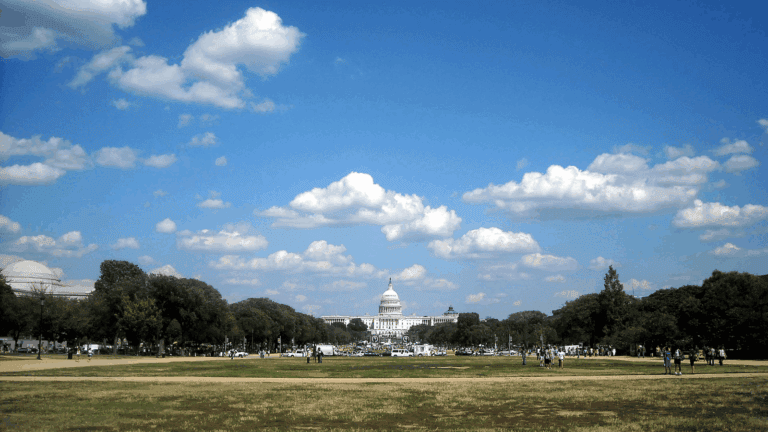
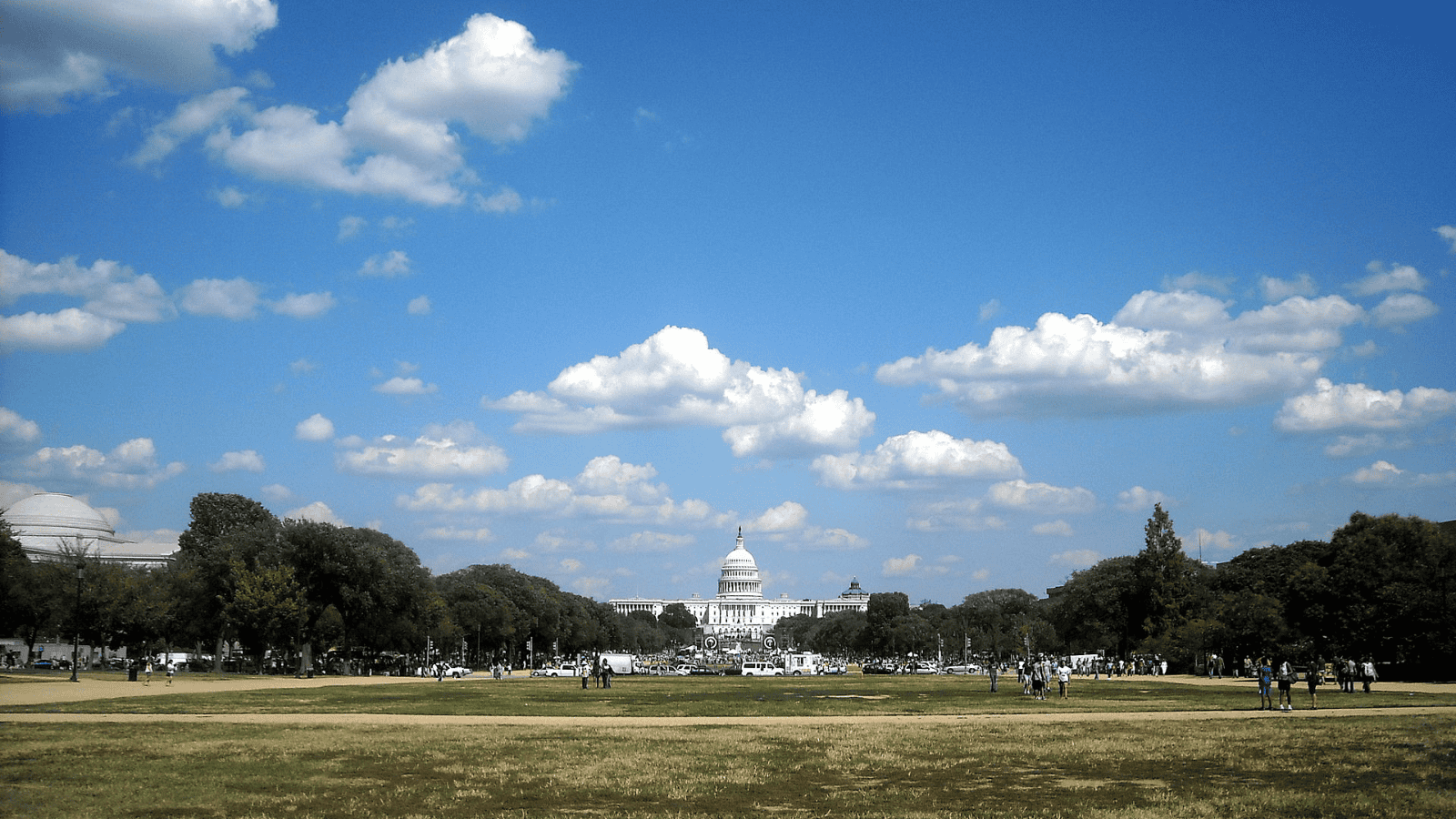
Media estimates put the crowd at around 1,000 attendees in the event’s initial hours. Security lines remained virtually empty, and vendors reported that no crowds materialized even an hour after the gates opened. The lack of sustained interest left massive stretches of the National Mall empty.
This drop in attendance was heavily exacerbated by the mass exodus of key musical talent. Major artists such as Martina McBride, the Commodores, and Young MC withdrew after realizing the event’s partisan nature. As a result, the musical programming devolved into a much more limited and politically aligned lineup.
The empty spaces became an emblem of public disinterest, captured in several viral images. One striking photograph documented a musician performing in David’s Tent, a Christian worship space, before rows of empty seats. This image triggered widespread mockery on social media, with political commentators comparing the event to the disastrous Fyre Festival.
The public relations fallout from these empty spaces immediately drew commentary from political media. This narrative was further reinforced by visual evidence showing a quiet midway and empty plazas.
Cultural polarization and local controversies
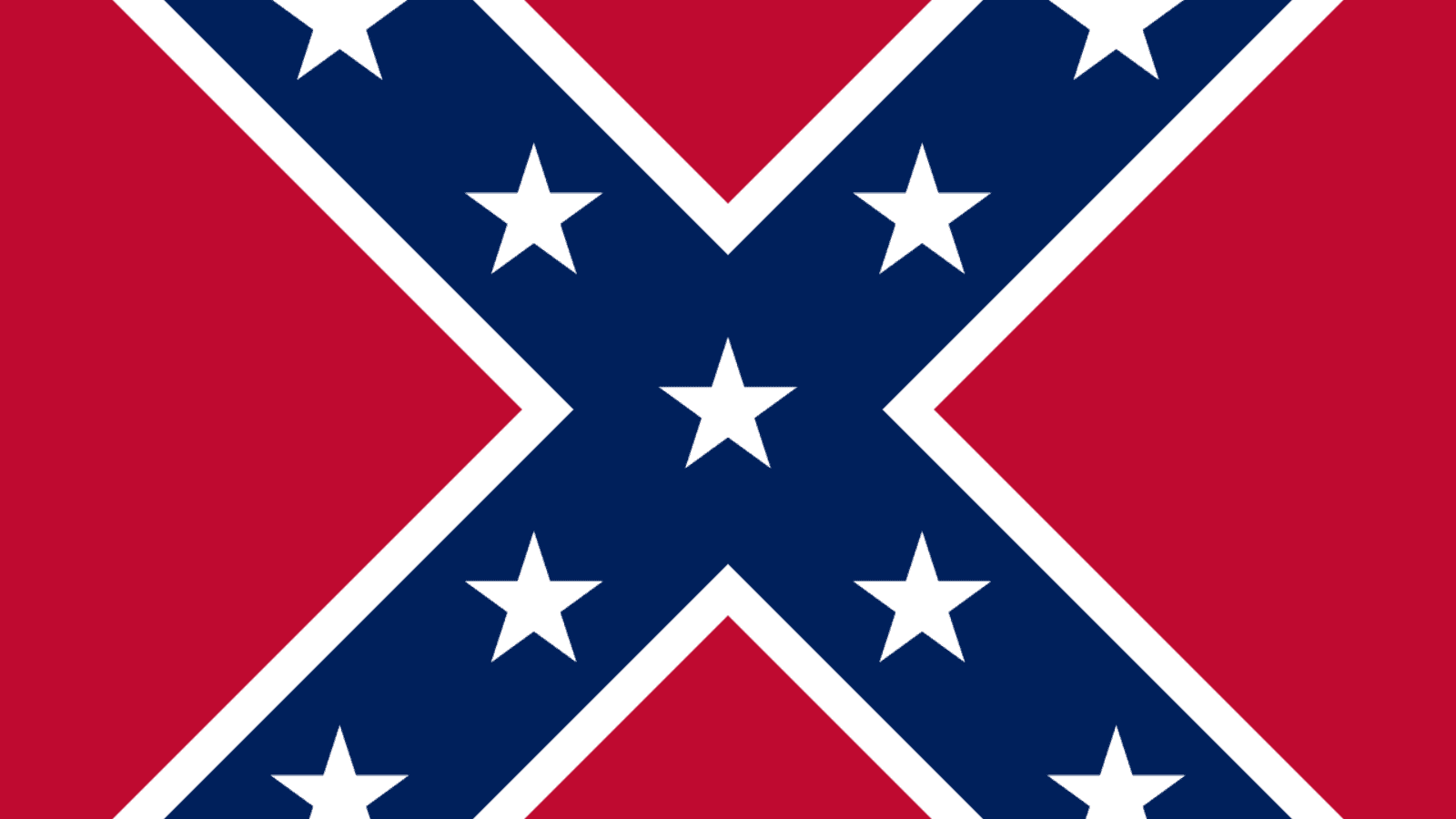
The ideological framing of the fair has sparked intense political and cultural disputes. A major controversy erupted in the privately funded North Carolina pavilion, where video displays featured Confederate imagery superimposed on the state flag. North Carolina Governor Josh Stein strongly condemned the display, stating that it “does not reflect the North Carolina that we love.“
Volunteer organizer Lorie Khatod, a former chief of staff to Representative Nancy Mace, explained that the display was an “unapproved image.” Despite this explanation, major corporate partners like the Mt. Olive Pickle Company immediately withdrew their support. This swift commercial fallout highlighted the reputational risks associated with the event.
Further public relations damage resulted from incidents involving behavior on the fairgrounds. A prominent right-wing livestreamer dressed in an Uncle Sam costume was arrested and charged with lewd, indecent, or obscene acts. This arrest, occurring in front of families and performers, further stained the event’s public image.
Even the agricultural exhibits became targets of political satire and online debate. A cow named Melania became a central curiosity due to its name. This bizarre convergence of agricultural tradition and political homage became symbolic of the fair’s overall branding strategy.
Financial viability and administrative fallout

The dismal turnout raises severe questions regarding the financial stability of the entire operation. Local food and merchandise vendors who relied on massive crowds face devastating revenue shortfalls. With a fixed 16-day schedule, the high overhead costs are unlikely to be offset by current ticket and concession sales.
The administrative friction between Freedom 250 and America250 has only worsened these outcomes. By shifting federal resources away from the bipartisan congressional committee, the executive branch created a parallel, highly partisan apparatus. This administrative capture has resulted in a joyless national milestone marked by cultural conflict.
The long-term impact on civic planning in Washington, D.C. will be felt for years. Local residents have complained that weeks of road closures and traffic diversions have choked the city center for little public benefit. Ultimately, the event serves as a warning about the limitations of weaponizing public spaces to advance a personal political legacy.
Strategic lessons from a polarized plaza
The Great American State Fair demonstrates that national unity cannot be manufactured through top-down, highly partisan spectacles. Civic celebrations succeed when they build upon authentic local representation and broad bipartisan support. By turning a national milestone into a campaign-style rally, the organizers alienated both states and performers, resulting in an expensive logistical failure on the National Mall.
The deep structural rift between the bipartisan America250 task force and the well-funded Freedom 250 group undermined the event’s operational integrity. This dynamic, coupled with major infrastructure failures and controversial cultural imagery, directly suppressed public participation. Ultimately, the fair serves as a cautionary tale of how politicizing civic space can turn a historic national anniversary into an empty, highly criticized plaza.
Disclaimer – This list is solely the author’s opinion based on research and publicly available information. It is not intended to be professional advice.
Like our content? Be sure to follow us