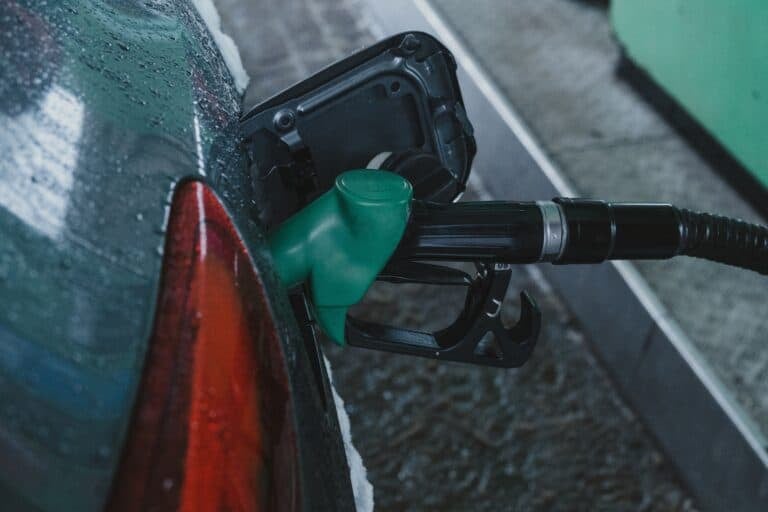
Massive mayfly swarm blankets Ohio gas station in viral summer spectacle
The gas station looked less like a place to buy fuel and more like a scene nature had swallowed whole. Under the white canopy lights near Lake Erie, mayflies clung to the pumps, poles, pavement, windows, and cars until the whole place seemed to twitch.
The air looked dusty with wings. The ground looked alive. It was the kind of scene that makes a driver pull in, stare through the windshield, and decide the gas gauge can suffer a little longer.
Northern Ohio knows mayflies, but this swarm still had the shock value of a bug blizzard. Local reports from the Lake Erie region say mayflies were out in force around Point Place, Put-in-Bay, and Cedar Point in late June, right as the annual hatch season peaked along the shore. For anyone watching online, it looked like an invasion. For locals, it was summer doing one of its grossest tricks.
The twist is that the scene was mostly harmless. Gross, yes. Smelly, sometimes. Slippery, if enough bodies pile up. But dangerous? Not really. Mayflies do not bite. They do not sting. They rush in, cover everything that glows, mate, lay eggs, and vanish almost as fast as they came.
Why the Gas Station Got Hit So Hard
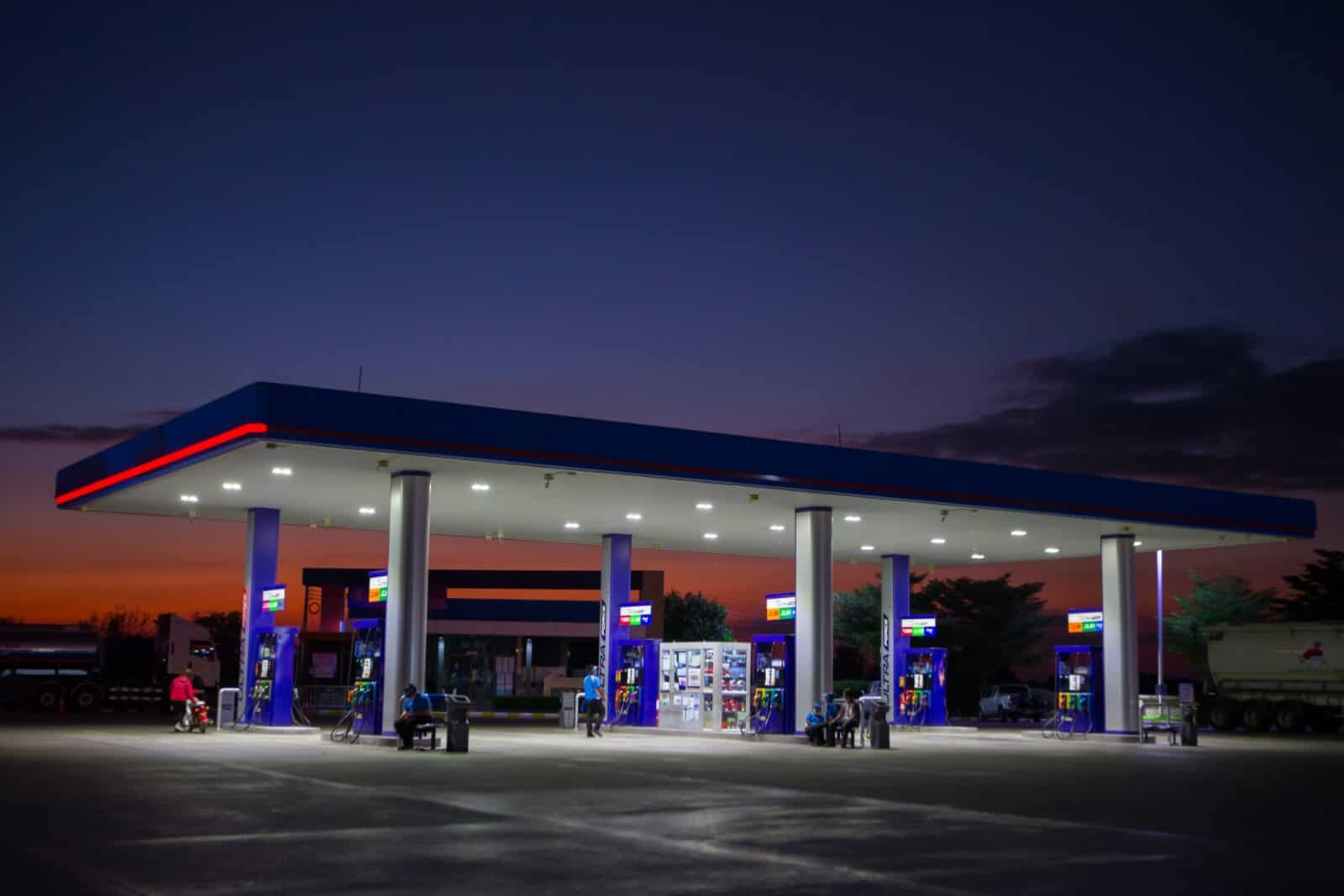
Gas stations are almost perfect mayfly traps. They are bright, open, warm, and often close enough to water to become the nearest glowing stage after dark. Adult mayflies are drawn to artificial light, so a canopy over fuel pumps can shine like a false moon over the pavement.
That is why the Ohio scene looked so intense. The insects were not attacking the pumps or chasing customers. They were following light after rising from Lake Erie and nearby waters.
Michigan Sea Grant says mayfly swarms are expected within days of water temperatures reaching about 20 degrees Celsius (68 degrees Fahrenheit), and those swarms can continue for up to 10 days.
A Short Life, a Huge Entrance
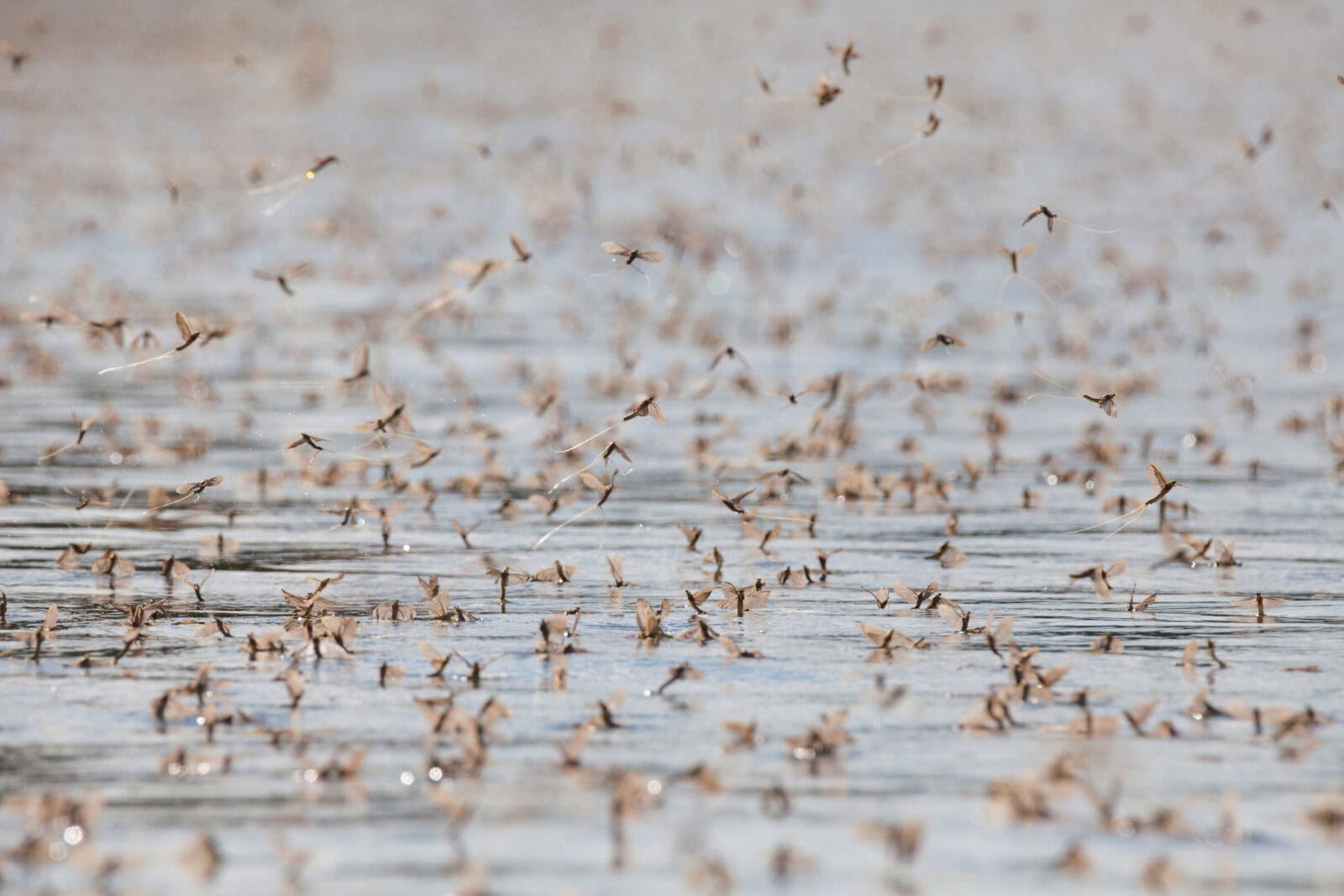
Mayflies are nymphs that spend most of their lives underwater, tucked into lake or river sediment. Then, when temperature and timing line up, they rise together in a synchronized hatch. For people on shore, it can feel sudden. One evening, the gas station is normal. Next, the pumps look wrapped in trembling wings.
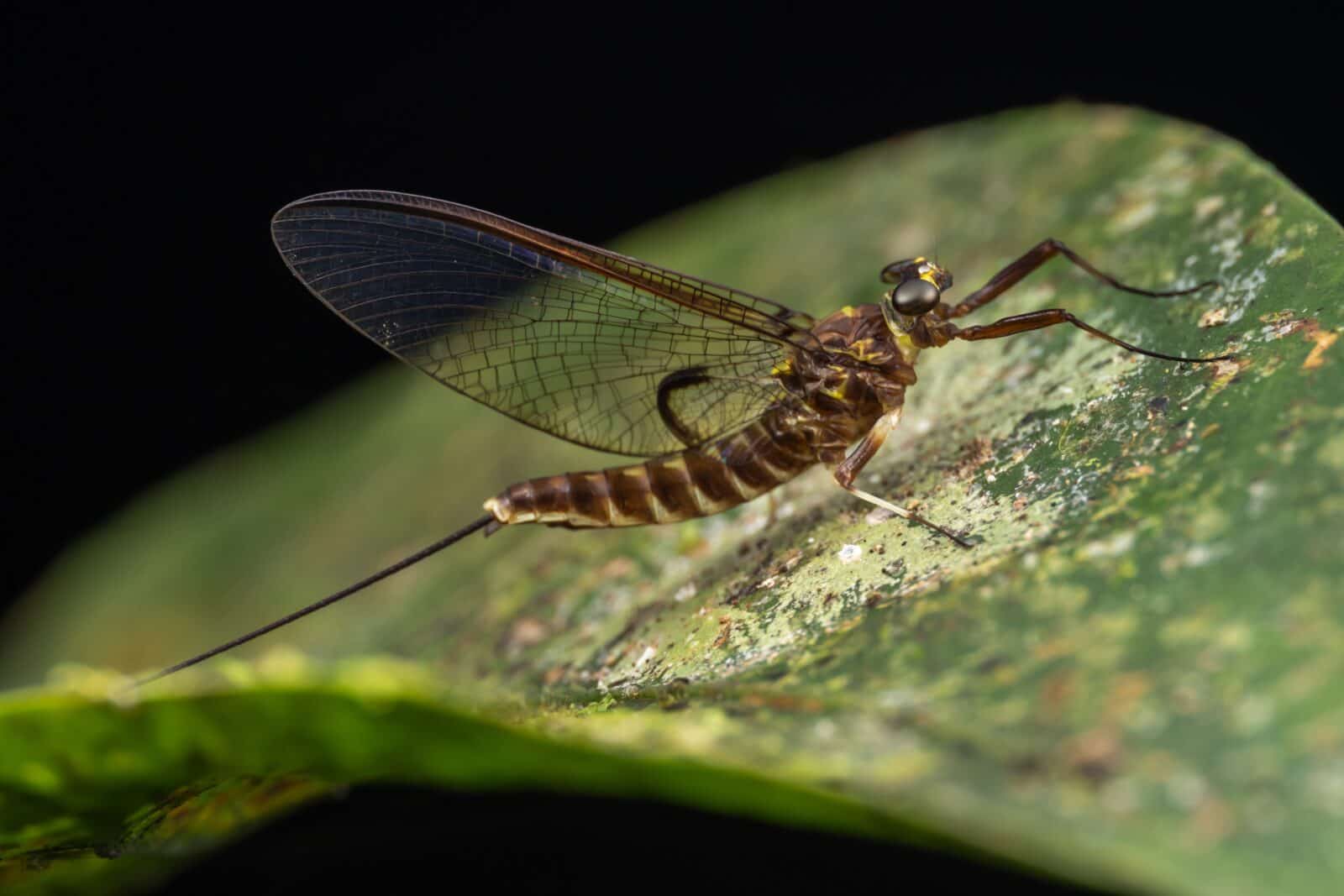
Their adult life is shockingly brief. Many adult mayflies live for about a day or two, and their purpose is simple: to mate and lay eggs. Penn State Extension notes that adult mayflies lack functional mouthparts for feeding. They are not out looking for your snacks, your soda, or your bare arms. They are burning through the final hours of a life that began in the mud.
Gross Does Not Mean Dangerous
For drivers, the problem is not pain. It is the ick. Mayflies can stick to doors, smear windshields, gather in piles, and leave behind a fishy smell once they die. Around heavy swarms, the crunch underfoot can make a normal stop for gas feel like walking across a living carpet.
Local residents have also warned that piles of mayflies can make roads slick. In a 13abc report from Point Place, one resident compared braking on heavy mayfly layers to sliding on ice or snow. That is the practical risk: slippery pavement, blocked entrances, messy sidewalks, and cleanup crews who know the broom will not be enough by morning.
The Creepy Scene Is Actually a Lake Erie Signal
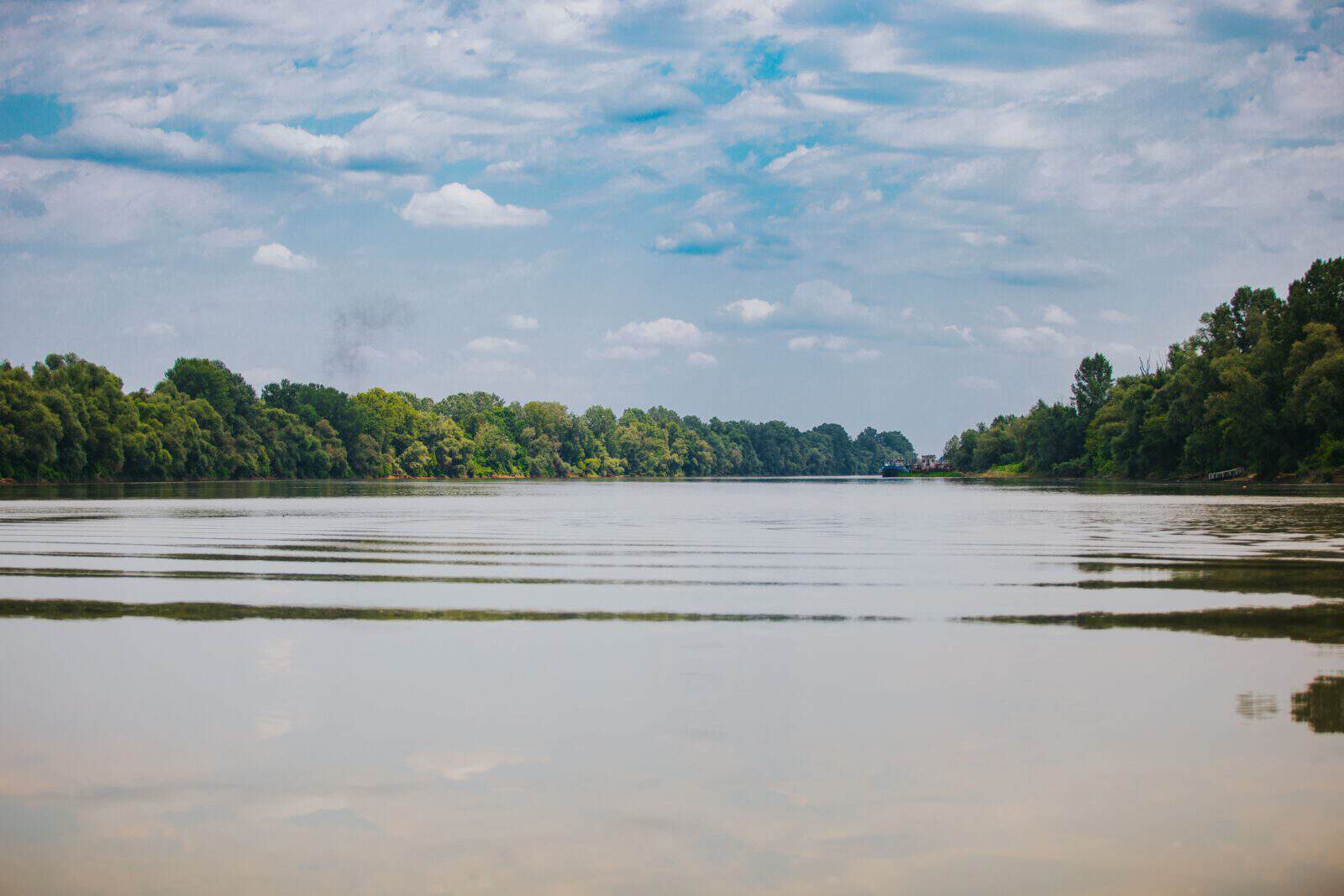
The strangest part is that a mayfly-covered gas station can be good news. Cleveland 19 reported that the Ohio Department of Natural Resources described mayflies as a sign of good water quality in Lake Erie. The insects also provide food for fish, which makes them part of the lake’s food chain, not just a seasonal nuisance.
That does not mean Lake Erie has no problems. It still faces runoff, harmful algal blooms, warming water, and pollution stress. But mayflies are sensitive insects. A large hatch suggests the water and sediment can still support life that would struggle in dirtier, lower-oxygen conditions. The swarm may look like a mess on land, but it begins as a pulse from the lake.
The Lake Once Lost Them
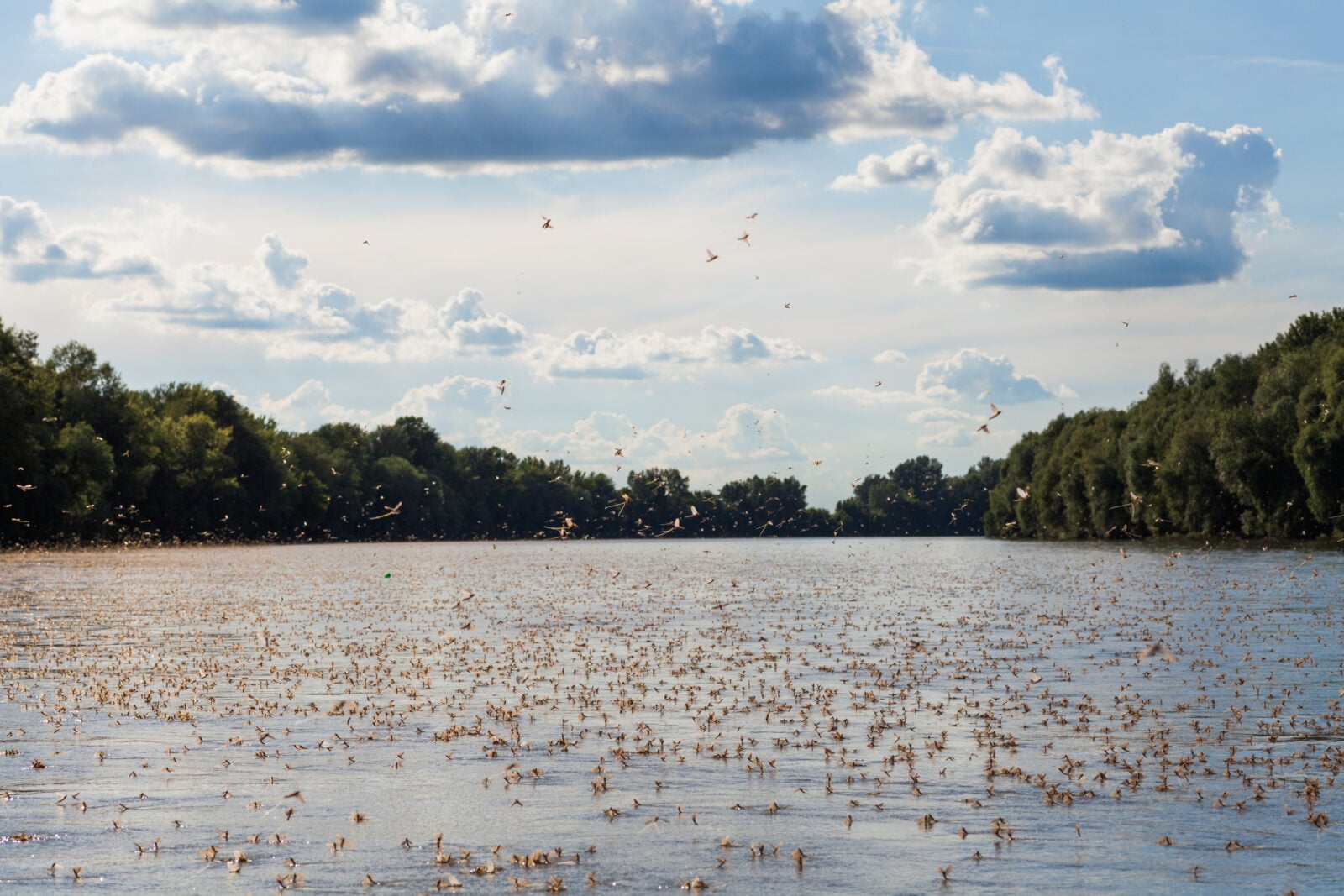
Lake Erie’s mayflies carry history in their wings. Research published by the USGS notes that Hexagenia mayflies disappeared from western Lake Erie for about 40 years, then began appearing again in the 1990s as water quality improved. To scientists and longtime lake residents, their return meant something.
That makes every hatch a little more complicated than a viral bug clip. The same insects that make people gag at gas pumps also mark a freshwater recovery story. A resident may hate scraping them from a windshield and still understand that an empty sky would be worse. Around Lake Erie, the swarm is both a chore and a signal.
A Buffet With Wings
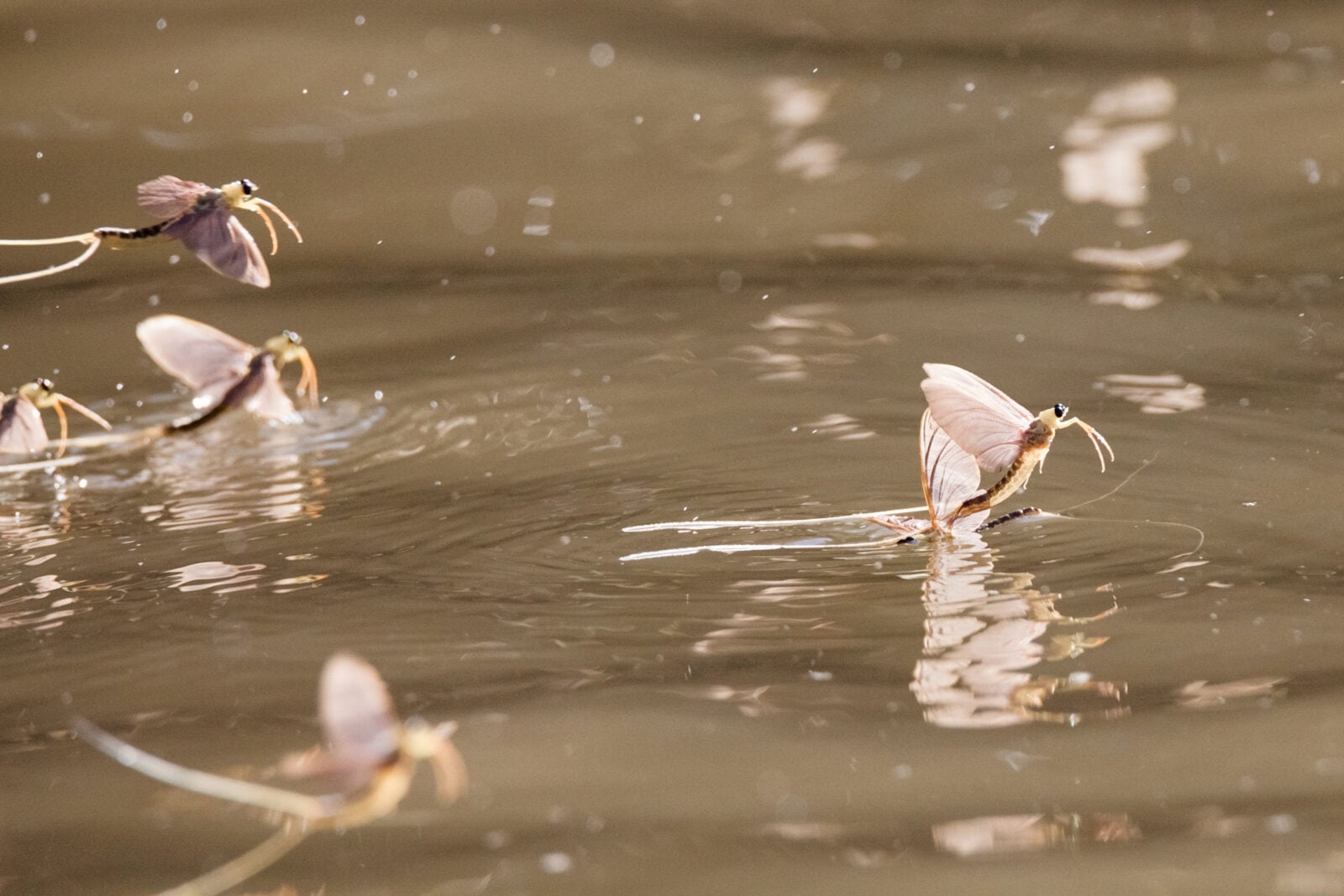
Mayflies are tiny, but they arrive as a feast. In the water, their nymphs feed fish such as perch, bass, and walleye. Once they rise into the air, they become food for birds, bats, dragonflies, spiders, and other insects. When they die, their bodies release nutrients from the water to the land.
That is why scientists pay attention to them. A mayfly hatch is not just a spectacle. It is a burst of biomass, a short wave of food that ripples through the ecosystem. For humans, it is gross. For wildlife, it is dinner falling from the sky.
Why Scientists Still Watch the Numbers

A big swarm can be a good sign, but researchers also warn that mayfly populations are not guaranteed. A 2020 study in Proceedings of the National Academy of Sciences found persistent declines in Hexagenia mayflies in Lake Erie and the upper Mississippi River.
A Virginia Tech summary of that work reported an 84% decline in Lake Erie abundance from 2015 to 2019 and a 52% decline along the upper Mississippi River from 2012 to 2019.
That is the hidden tension behind the viral clips. People see too many bugs. Scientists worry about having too few in the long run. Warming water, low oxygen, agricultural runoff, algal blooms, and pesticides can all stress mayfly populations. The question is not just why so many showed up at one Ohio gas station. It is how many will still rise from the lake years from now.
Why These Videos Keep Going Viral

Mayflies are built for the internet because they look worse than they are. The scale is shocking. The sound is strange. The sight of adults laughing nervously inside cars while insects coat the windows feels both disgusting and safe. It is nature doing something massive without becoming a true threat.
There is also a local pride hidden in the jokes. Lake Erie towns know this rhythm: summer heat, bright lights, hatch night, piles of wings, quick cleanup, then life goes on. Tourists see a nightmare. Locals see June being June, just with more sweeping.
What Readers Can Take Away

The Ohio gas station will be cleaned. The pumps will shine again. The mayflies will be gone in days, leaving behind a mess, a smell, and another round of videos that make people say they would never get out of the car.
But the lake keeps the longer story. In the mud, in the fish, in the oxygen, and in the sudden lift of wings under summer lights, mayflies show that freshwater is not quiet or still. Sometimes a healthy lake announces itself by covering a gas station in bugs.
Disclaimer – This list is solely the author’s opinion based on research and publicly available information. It is not intended to be professional advice.
Like our content? Be sure to follow us