America’s car market may be heading for a long slump, and the damage could reach far beyond dealerships
For decades, the American auto market ran on a simple belief: people would keep buying cars. Families would keep adding vehicles, young drivers would eventually become showroom customers, and automakers would keep finding a new truck, SUV, luxury trim, or financing deal to keep sales moving.
That belief is starting to look shaky.
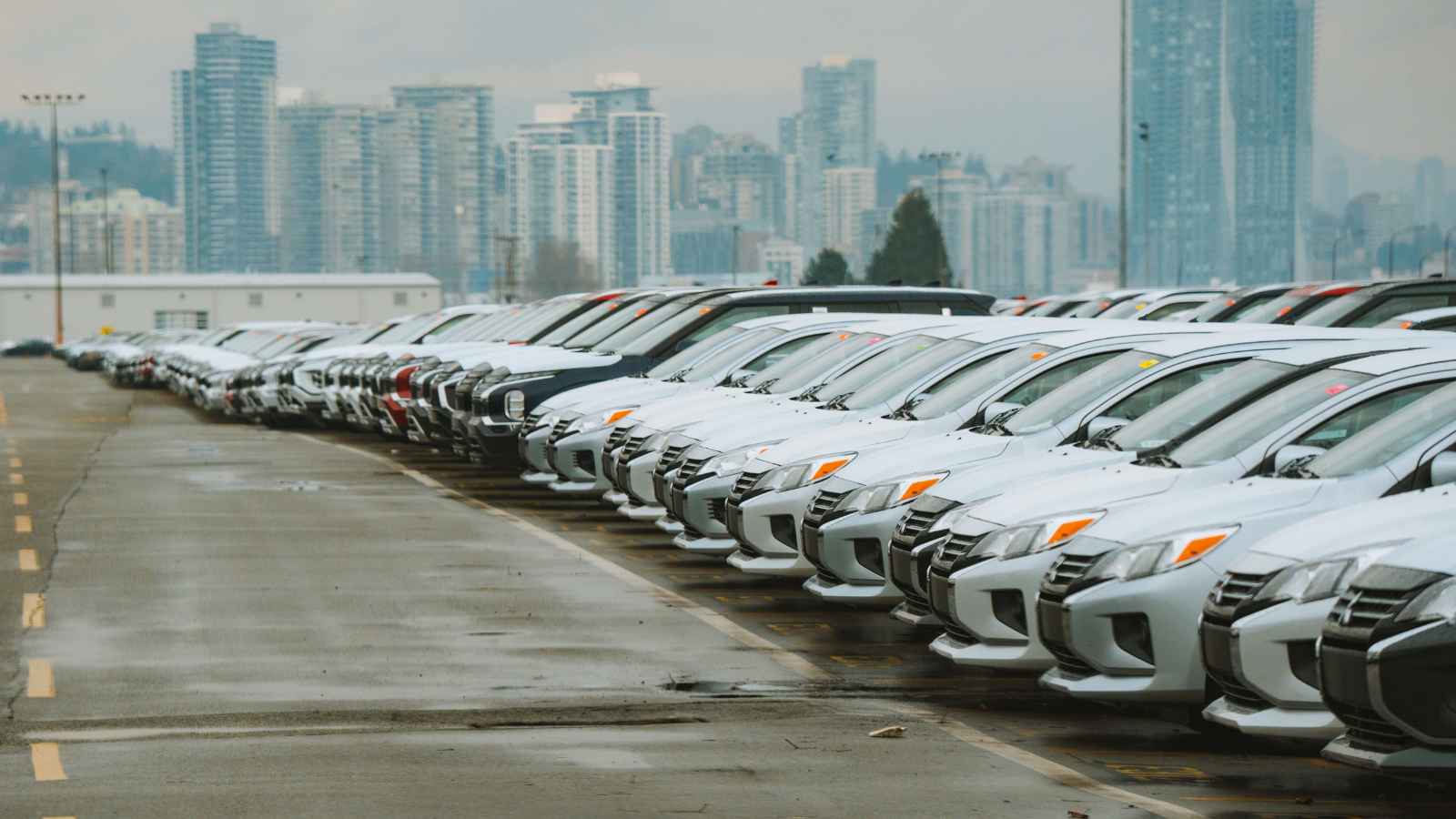
A new wave of forecasts suggests the U.S. auto market may not be going through a normal slowdown. It may be entering a longer and deeper shift. Bain & Company has projected that annual new vehicle sales in the United States could fall by more than 2 million units by 2040. The pressure is coming from several directions at once, including slower population growth, high prices, changing driving habits, and more transportation alternatives.
At first, that sounds like an industry problem, but it is much bigger than that. A shrinking car market touches household budgets, factory jobs, local tax bases, road funding, climate goals, and the basic question of how Americans get to work, school, doctors, and family.
The car market is not just about cars. In many parts of the country, it is about access to ordinary life.
The slowdown is already showing up

The short-term numbers do not look like a collapse. They look more like fatigue.
Cox Automotive has projected U.S. new vehicle sales at about 15.8 million units in 2026, down from 2025. S&P Global Mobility has also pointed to lower sales in 2026, with affordability and economic pressure still weighing on buyers.
Those declines may sound modest because a 2% or 3% dip does not usually cause panic. But the bigger issue is not one soft year. The real concern is whether the old growth engine has stopped working.
The U.S. auto market once had strong built-in demand. More households meant more vehicles, more young drivers meant more first-time buyers, and older cars were replaced on a fairly predictable cycle.
That cycle is weaker now. Cars last longer, people are delaying purchases, and younger consumers are not entering the market in the same way. Many households still need cars, but fewer can afford the version of car ownership the industry is selling.
That is the warning inside the forecast. The market is not simply waiting for buyers to come back, as some of those buyers may already have been priced out.
Sticker shock is doing real damage

The most obvious problem is price.
The modern car market has become very good at selling expensive vehicles. It has become less good at serving people who just need dependable transportation.
Automakers leaned hard into trucks, SUVs, premium trims, big screens, driver assistance packages, and luxury interiors. That strategy helped profits, but it also pushed new vehicles further away from ordinary household budgets.
A new car payment above $700 a month changes the rest of a family’s financial life. Add insurance, interest, registration, repairs, tires, and fuel, and the real cost can feel like a second rent payment.
For a household already stretched by groceries, child care, housing, medical bills, or student loans, the math gets ugly fast. Even a buyer with decent credit may look at the numbers and decide to wait.
That is what many consumers are already doing. They are keeping old cars longer, buying used, repairing vehicles they might once have traded in, or sharing cars within families. Some are relying more on rideshare, delivery services, public transit, or remote work when they can.
Americans are keeping cars longer because they have to

One key detail in Bain’s outlook is the falling vehicle scrappage rate, which means fewer vehicles are being retired each year.
The rate was about 6% in 2000, and it is closer to 5% now. Bain expects it could fall to about 4.4% by 2040. Cars are staying on the road longer, which reduces the need for new replacement vehicles.
Some of this is good news. Cars are more durable than they used to be, and a vehicle with 150,000 miles no longer feels unusual. Many drivers have learned that a well-maintained older car can be a better deal than a new loan.
But there is a harder truth underneath it. People do not always keep old cars because they love them. Sometimes they keep them because buying new no longer feels realistic.
That creates a different kind of stress. An old car can save you from a payment, but it can also leave you waiting for the next repair bill. A warning light can become a family emergency, while a bad transmission can threaten a job. A dead battery at the wrong time can throw off school drop-off, a shift, or a medical appointment.
This is the hidden cost of the auto slump. Families may avoid the showroom, but they do not escape the need for reliable transportation.
Demographics are working against the industry

The auto industry is also facing a population problem.
Lower birth rates mean fewer future households and fewer new drivers. Slower immigration could reduce that demand even more. For a long time, the United States could count on population growth to support car sales, but that assumption is weaker now.
This does not mean every person will own fewer cars. In many suburbs and rural communities, a car remains almost nonnegotiable because the grocery store is too far, jobs are too spread out, and public transit is limited or nonexistent.
But the industry does not need everyone to stop driving for demand to weaken. It only needs fewer new buyers, slower household formation, and longer replacement cycles. That may be enough to pull sales down over time.
Younger consumers also think differently about cars. Many still want mobility, but they do not always see car ownership as the automatic symbol of adulthood it once was.
In some cities, a car is optional. Remote work has reduced commuting for some workers, while ride-hailing, e-bikes, scooters, car-sharing, and delivery apps have changed daily routines. These options do not work everywhere, but they still chip away at the old assumption that every adult will eventually buy a vehicle.
EVs are not saving the market yet
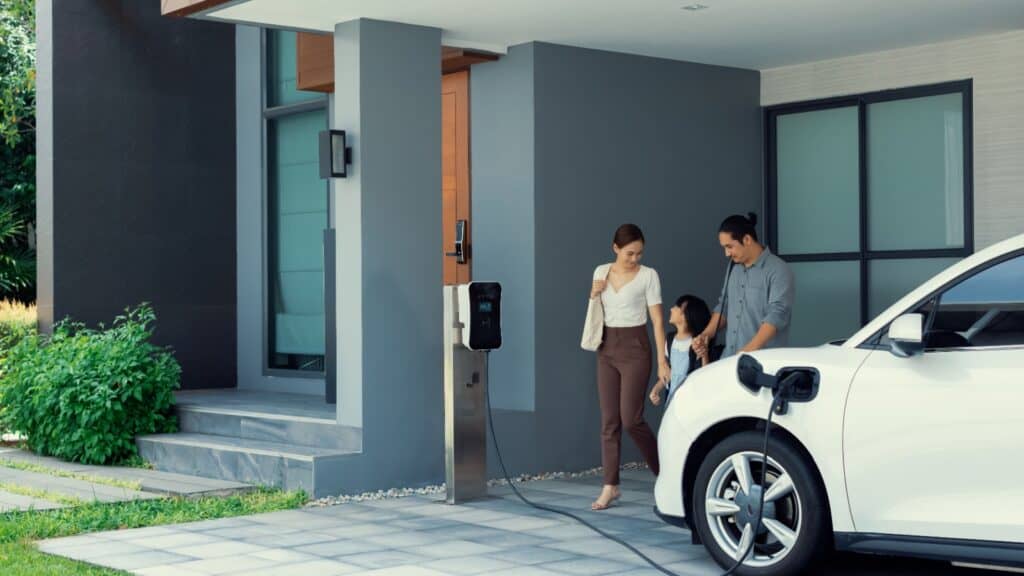
Electric vehicles were supposed to be the next big growth engine, but the story has become more complicated.
EV demand has not disappeared, although it has become uneven. Many buyers still worry about charging access, range, resale value, battery life, and upfront cost. The loss or reduction of federal EV incentives has made the price problem harder for some shoppers.
Hybrids have gained momentum because they offer a compromise. Drivers get better fuel economy without changing their routines. They do not need a charger at home, and they do not have to plan every long trip around charging stops.
That tells us something important about consumers. Many are not against new technology. They are cautious and want savings without sacrificing reliability. They may want a cleaner vehicle, but they still need it to work on a normal Tuesday morning.
For now, EVs may be reshaping the market more than expanding it. Hybrids are rising, pure EVs face a tougher climb, and gas vehicles are staying on the road longer. That makes the transition slower and messier than many expected.
The job risk reaches deep into local economies

A shrinking auto market would not only hurt automakers. It would also hit workers and communities that depend on vehicle production.
The U.S. motor vehicle and parts manufacturing sector supports over 1 million jobs. Those jobs are concentrated in states such as Michigan, Ohio, Indiana, Kentucky, Tennessee, and parts of the South. Many of them pay better than local service-sector work, and many support families that have no easy backup plan.
The impact does not stop at assembly plants. Auto production supports parts suppliers, steel and aluminum companies, trucking firms, warehouses, repair shops, dealerships, finance offices, and local businesses near factories.
When a plant cuts shifts, the whole area feels it. A supplier may reduce hours, a diner near the plant may lose customers, and a city may collect less tax revenue. A family may also lose one of the few remaining paths to a middle-class life without a four-year degree.
That is why the phrase “market contraction” can sound too clean. It hides the human cost. On a spreadsheet, it is a decline in units; in a town built around auto work, it can mean empty parking lots and harder choices.
Public budgets are tied to cars, too

There is also a government revenue problem.
The auto sector generates money for public budgets through corporate taxes, payroll taxes, fuel taxes, sales taxes, fees, and tariffs. A Center for Automotive Research assessment estimated that the U.S. automotive sector generated at least $43 billion in federal tax revenue and $91.5 billion in state tax revenue in 2010.
Fuel taxes are especially important. The federal gas tax is 18.4 cents per gallon, while the federal diesel tax is 24.4 cents per gallon. Those rates have not changed since 1993.
That money helps support the Highway Trust Fund, which pays for highways and transit grants. But the funding model is already under pressure. Cars are more fuel-efficient; EVs use little or no gasoline, and if people drive less or buy fewer vehicles, the old tax structure brings in less revenue.
That leaves policymakers with difficult options. They can raise gas taxes, create mileage-based fees, charge EV owners in new ways, use more general tax revenue, or allow infrastructure funding gaps to grow.
None of those choices is painless. Gas tax hikes hit drivers, mileage fees raise privacy and fairness concerns, EV fees can slow adoption, and general fund transfers move the burden to taxpayers more broadly.
The road system was built around the assumption that fuel use would keep paying the bills. That assumption is getting weaker.
A smaller car market could be good, but only with a plan
Fewer cars could mean less congestion, cleaner air, safer streets, lower household transportation costs, and more walkable communities. A smaller car market could be part of a healthier transportation future.
But that future does not happen by accident.
A shrinking auto market caused by better transit, affordable housing near jobs, safer streets, and cleaner technology would be one thing. A shrinking market caused by unaffordable vehicles, stagnant wages, aging cars, and weaker factory towns would be something else entirely.
That is the real tension. A smaller car market could signal progress, but it could also signal exclusion.
Right now, the market seems to be saying something blunt. Americans still need mobility, but more of them are struggling to afford the version being offered.
Automakers may call it softer demand, and economists may call it structural decline. Families may use simpler words.
The cars got too expensive. The loans got too long. The choices got too narrow. So people started waiting.
Disclaimer – This list is solely the author’s opinion based on research and publicly available information. It is not intended to be professional advice.
Like our content? Be sure to follow us