World Cup heat fears grow as players’ union warns of climate risk
The World Cup has always been a test of legs, lungs, and nerves. In 2026, it will also be a test of body temperature.
World Weather Attribution estimates that 26 of the tournament’s 104 matches could be played at or above 26°C Wet Bulb Globe Temperature, the level where FIFPRO, the global players’ union, says heat strain becomes a real risk and cooling breaks should be used.
Five matches could reach at least 28°C WBGT, at which point FIFPRO says play is unsafe and postponement is advised. That turns heat from a background condition into part of the match sheet.
What the players’ union is warning about

FIFPRO is not arguing that professional footballers are fragile. The warning is medical.
WBGT combines heat, humidity, sun, and wind to measure how hard it is for the body to cool itself while working. A player sprinting under the sun on a humid afternoon is not dealing with the same stress as someone reading a temperature app in the shade.
Reuters reported that FIFPRO medical director Vincent Gouttebarge said the 2026 estimates match the union’s earlier calculations and “justify the need for” mitigation strategies to protect player health and performance.
The union’s line is clear: cooling measures at 26°C WBGT, delay or postponement above 28°C.
Why does 2026 feel different from 1994

The United States hosted the men’s World Cup in 1994, but the climate baseline has moved. World Weather Attribution found that 26 games are expected to hit at least 26°C WBGT in 2026, compared with about 21 under 1994 conditions.
At the higher 28°C threshold, the estimate rises from three matches in 1994 to five in 2026. The researchers also said that hot events reaching WBGT values of 26°C, 28°C, and 32°C are far more likely during the 2026 tournament period than they were three decades ago.
The tournament got bigger, with 48 teams and 104 matches. The summer got harsher, too.
The science behind the scary number
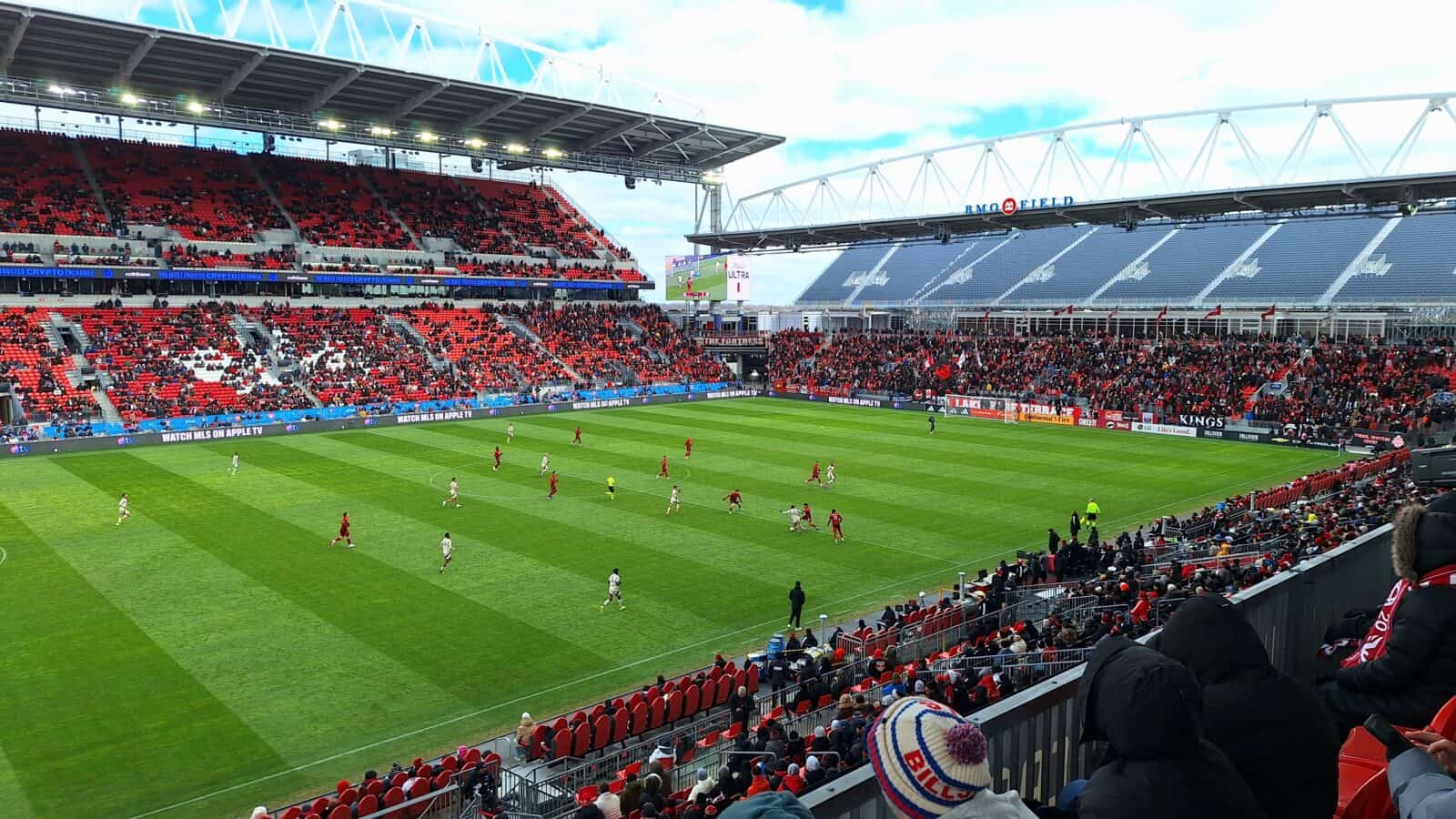
Air temperature alone does not tell the full story. Humidity slows sweat evaporation, sunlight heats the body, and weak wind gives players less help cooling down.
That is why WBGT is used in sports science and workplace safety: it asks a more useful question than “how hot is it?” It asks how much heat the body can dump back into the air.
A 2025 peer-reviewed study on World Cup host cities found that afternoon kickoffs carry the greatest risk, with high-risk locations including Miami, Monterrey, Philadelphia, Kansas City, Boston, and New York in non-air-conditioned settings. In a match built on repeated sprints, that matters.
FIFA’s response
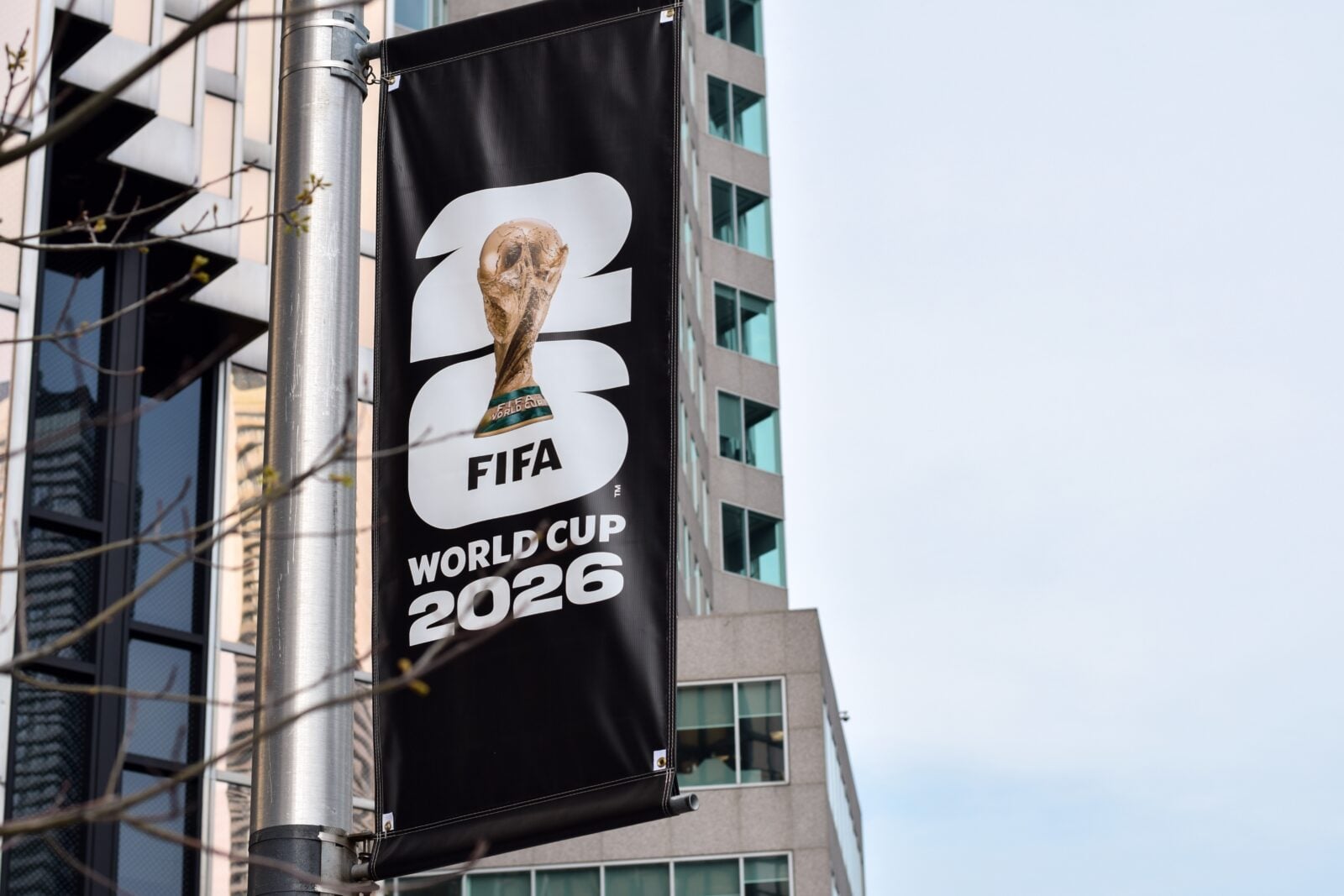
FIFA has already changed the tournament rhythm. It announced three-minute hydration breaks midway through each half of every match, regardless of venue or weather.
Manolo Zubiria, chief tournament officer for the U.S. portion of the 2026 World Cup, said: “For every game, no matter where the games are played, no matter if there’s a roof, (or) temperature-wise, there will be a three-minute hydration break.”
FIFA says the schedule considered average temperatures, cooling infrastructure, transport, security, medical planning, broadcasting, and other needs. That is a real step. The dispute is about scale. Scientists and players’ advocates say breaks help but cannot replace heat-aware scheduling.
The heat break dilemma
Hydration breaks protect players, but they also change the sport’s pulse. Reuters reported that the pauses have become tactical windows, allowing coaches to regroup their teams and reshape matches mid-half.
PeakMetrics found that 75% of online discussion about hydration breaks was unfavorable, while S&P Global sports analyst Michael Johnson told Reuters that those windows could be “extremely valuable” for broadcasters, with ads potentially priced at $7 million to $9 million.
That is the uncomfortable triangle: a medical pause, a coaching timeout, and a commercial slot all occupying the same three minutes. Player safety comes first, but fans can still feel the game becoming more stop-start.
Heat will shape how the football looks
Extreme heat can change a match without sending anyone to the hospital. Chris Mullington, a consultant anesthetist at Imperial College London NHS Trust and clinical senior lecturer at Imperial College London, told Reuters: “It will be more of a performance issue than a health issue.”
He said elite players are acclimatized and may self-pace, adding: “So you may end up with more conservative football.” That could mean less pressing, slower restarts, more possession used as recovery, and more careful squad rotation.
Fans may notice fewer wild sprints and more teams choosing control over chaos when the air is heavy.
Players are not the only people exposed

The medical risk stretches beyond the pitch. Fans stand in security lines, walk across parking lots, and gather in outdoor fan zones. Stadium workers, vendors, camera crews, volunteers, and police may spend longer in the heat than the players.
Reuters reported that a heat dome this week could push heat indices to 105°F to 115°F across parts of the Midwest and East Coast, while Philadelphia fans faced conditions expected to approach 100°F.
AccuWeather meteorologist Tyler Roys warned that spectators spending hours in direct sun with little shade face sustained exposure, during which heat illness can take hold.
The climate accountability question

Football for the Future and Common Goal’s “Pitches in Peril” report casts a longer shadow over the World Cup heat debate.
The report found that 14 of 16 World Cup 2026 stadiums already exceed safe-play thresholds for major climate hazards, and nearly 90% are projected to face unplayable heat by 2050.
It also found that 96% of Mexican fans, 90% of Canadian fans, and 87% of U.S. fans surveyed want the World Cup to model climate leadership.
Reuters reported that 10 of the 16 venues are at a very high risk of extreme heat stress. This is no longer just about one tournament. It is about how global sport plans for a hotter century.
What readers can take away

The 2026 World Cup heat debate is really a question about responsibility. FIFPRO wants stricter medical thresholds.
FIFA says it has planned hydration breaks, cooling measures, and real-time monitoring. Fans want the match to flow. Broadcasters see new windows. Climate scientists see a sport running into the limits of old calendars.
Friederike Otto, professor of climate science at Imperial College London, told Reuters that from a health point of view, World Cups in vulnerable regions should be held earlier or later in the year, so cities can have “a football party rather than something that is a massive health risk for the whole city.”
The world’s game is learning a hard new rule: the calendar now matters as much as the stadium.
Disclaimer – This list is solely the author’s opinion based on research and publicly available information. It is not intended to be professional advice.
Like our content? Be sure to follow us