American film director Carl Erik Rinsch sentenced to 30 months after fraud scheme unravels
The sci-fi series was supposed to deliver a world of spectacle. Instead, federal prosecutors said the money went toward a very real trail of failed trades, luxury cars, legal bills, watches, furniture, and mattresses so expensive they now read like courtroom folklore.
Carl Erik Rinsch, the writer-director known for the 2013 Keanu Reeves film “47 Ronin,” was sentenced in Manhattan to 30 months in prison after being convicted of defrauding Netflix out of $11 million tied to his unfinished series “White Horse.”
The Justice Department said Rinsch, 48, also received three years of supervised release, an $11 million forfeiture order, and a $700 mandatory special assessment. A show that was once sold as a bold streaming bet ended as a case about trust, money, and what can happen when Hollywood ambition meets weak guardrails.
What happened
Rinsch’s case moved from production trouble to criminal conviction after prosecutors argued that he lied to Netflix about needing more money to finish “White Horse.”
The Justice Department said Netflix had already paid about $44 million between 2018 and 2019 for the series, then sent another $11 million in March 2020 after Rinsch said the funds were needed to complete the project.
A Manhattan jury convicted him in December 2025 after a one-week trial, finding him guilty of money laundering, wire fraud, and unlawful monetary transactions. The Associated Press reported that supporters, including Keanu Reeves, asked U.S. District Judge Jed Rakoff for leniency before sentencing.
The judge imposed 2.5 years, less than the five years prosecutors sought, but still a clear prison term for a case the government treated as theft rather than creative failure.
How the money moved

The heart of the case was not that “White Horse” failed. Many shows fail. Pilots stall, budgets swell, footage disappoints, and streaming services walk away.
Prosecutors said Rinsch crossed the legal line by taking money meant for production and routing it into personal financial moves. The Justice Department said he moved the $11 million through several bank accounts, sent much of it to a personal brokerage account, and lost more than half of it in less than two months through speculative stock-option trades.
A DOJ statement after conviction quoted U.S. Attorney Jay Clayton saying Rinsch “took $11 million meant for a TV show” and gambled it on stock options and crypto transactions. That sentence stripped away the Hollywood fog. The government’s case was simple: Netflix paid for a show, and the show did not get the money.
The mattress detail everyone will remember.

Every fraud case has a detail that sticks. In this one, it is the mattresses. AP reported that trial evidence included about $638,000 spent on mattresses, while the Justice Department said Rinsch spent at least $3.3 million on furniture, antiques, and mattresses.
Prosecutors also listed at least $2.4 million for five Rolls-Royces and a Ferrari, at least $387,000 for a Swiss watch, and at least $1.7 million toward credit card bills. Those numbers do more than feed tabloid curiosity. They help explain why the jury saw a spending spree rather than a contract dispute.
A production budget is supposed to leave fingerprints: payroll, vendors, editing, visual effects, sound, insurance, delivery. Prosecutors argued this money left a different kind of trail, one lined with cars, furnishings, and personal indulgence.
Why did this become a courtroom story?

Rinsch’s defense tried to frame the dispute as a messy business fight over creative control, project delays, and who owned the remaining funds. That argument matters because Hollywood has plenty of expensive misses that never become criminal cases. The jury did not accept it.
Business Insider reported that jurors found Rinsch guilty on all seven counts after less than five hours of deliberation. Prosecutors argued he falsely told Netflix the extra $11 million would finish the show, then used the money for trading and personal spending.
AP reported that prosecutor David Markewitz described the motive as “naked greed,” while Rinsch apologized in court and said the process had forced him to confront his health, judgment, and life. The sentencing, then, carried two truths at once: the court heard about mental health struggles, and the court still punished deliberate fraud.
Keanu Reeves and the human wrinkle
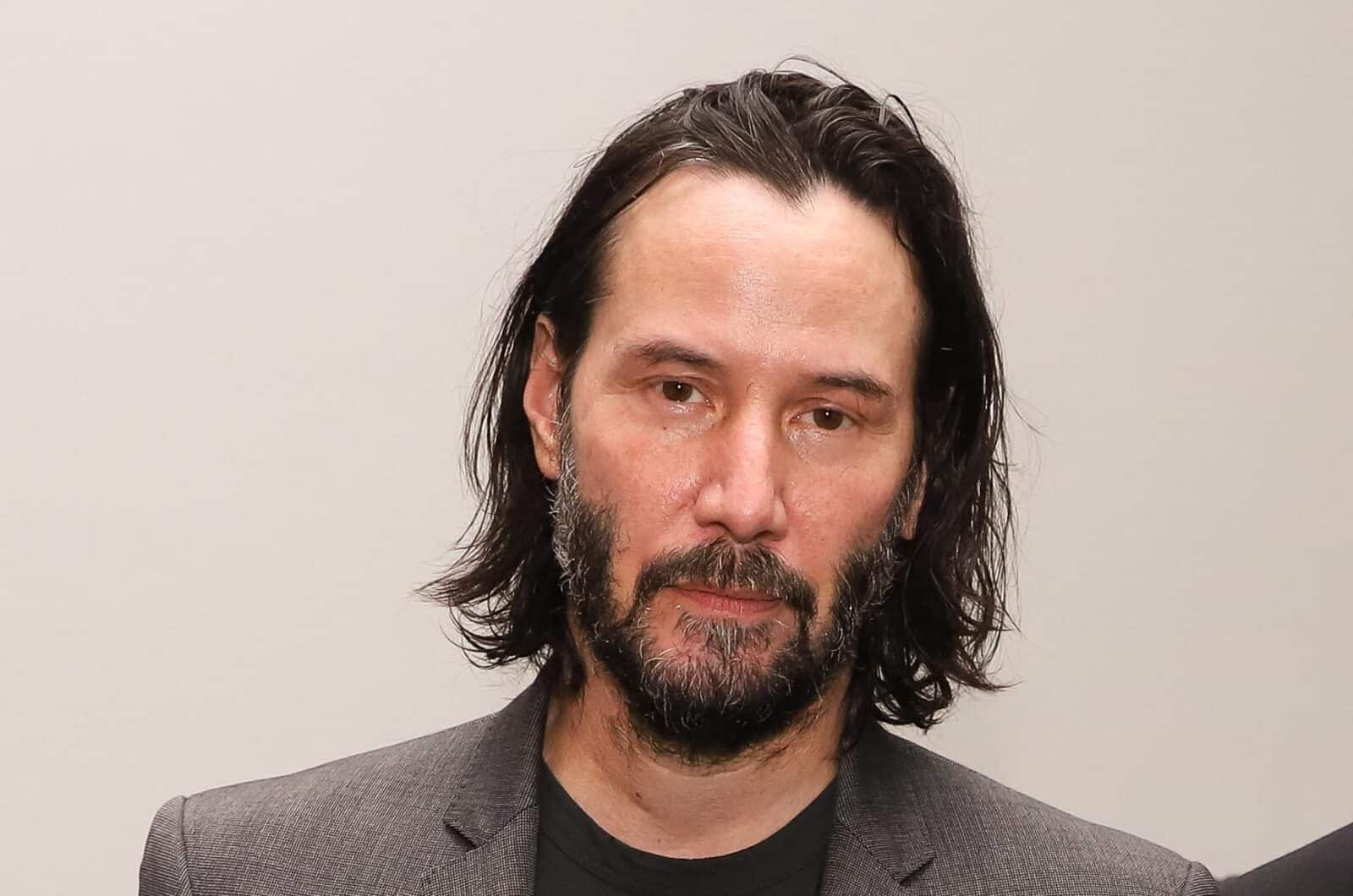
The case also had a softer, stranger Hollywood note: Keanu Reeves. People reported that Reeves wrote to the court, asking for “leniency and mercy,” citing his past work with Rinsch on “47 Ronin.”
Reeves’ support did not erase the conviction, but it did add a human layer to a case built from bank records and luxury receipts. AP reported that Rinsch’s lawyers pointed to mental health and medication issues, while Judge Rakoff said those struggles did not excuse what the jury found to be a long-running fraud.
That balance is part of what makes the case linger. It is not a clean fable about a villain in sunglasses. It is a story about talent, trust, collapse, and the law’s cold way of sorting sympathy from responsibility.
The bigger warning for streaming
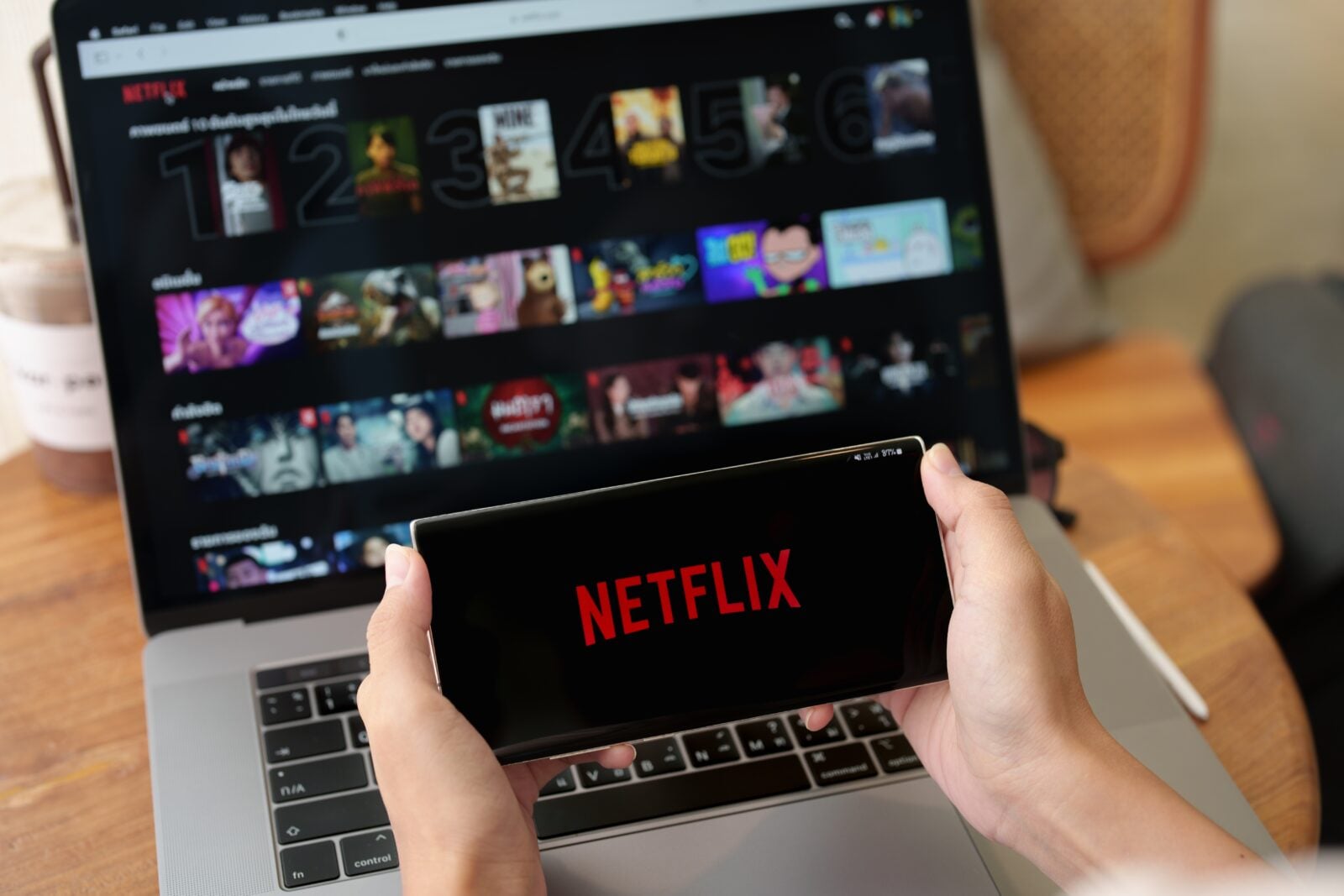
The Rinsch case falls under a broader business lesson for streamers. For years, platforms chased prestige shows with huge checks, fast timelines, and faith in creative names who promised global hits. That system can produce great television. It can also leave companies exposed when oversight arrives too late.
The Association of Certified Fraud Examiners’ 2026 report found certified fraud examiners estimate organizations lose 5% of revenue to fraud each year; the median fraud loss was $104,000, the average was $1.457 million, and 20% of cases topped $1 million.
Rinsch’s $11 million fraud sits far beyond the average case. It shows how a single trusted creator, a giant budget, and delayed delivery can turn a production headache into a federal case.
Netflix has seen control failures before

Rinsch was an outside creative partner, not a Netflix employee. Still, the case echoes another Netflix-linked fraud warning. In 2021, former Netflix vice president of IT operations Michael Kail was sentenced to 30 months in prison for taking bribes and kickbacks from vendors.
The Justice Department said a jury had returned 28 guilty verdicts and that Kail received more than $500,000 plus stock options from outside companies. The cases are different: one involved production funding, the other vendor contracts. But both point to the same hard lesson.
Fast-growing companies cannot run on trust alone. They need milestone payments, expense controls, conflict checks, and audits that move as fast as the money.
What readers can take away.

The most tempting way to read the Rinsch case is through the wild details: the cars, the crypto, the mattresses, the celebrity plea. But the deeper story is about a business model built on expensive faith.
Netflix paid for imagination, and prosecutors said Rinsch turned the final $11 million into a personal bankroll. That is why this case matters beyond a single director or an unfinished show.
The streaming age made it easier to greenlight giant dreams. It also made it easier for giant checks to travel through opaque corners of production. A good story still needs risk. A good business needs proof. When those two get out of balance, the ending can move from the soundstage to the sentencing bench.
Disclaimer – This list is solely the author’s opinion based on research and publicly available information. It is not intended to be professional advice.
Like our content? Be sure to follow us