Millions are losing food stamps, and Arizona shows what happens when the safety net shrinks fast
In Arizona, the food line is now telling a bigger story than the policy memo. In April, about 843,000 Arizonans sought help from food pantries, more than the number receiving SNAP benefits in the state, according to data reported by Reuters from the Arizona Food Bank Network. That surge came after more than 457,000 Arizonans, including nearly 196,000 children, lost food stamp benefits following changes tied to President Donald Trump’s 2025 tax and spending law.
For many families, the debate over food stamps no longer feels like a Washington budget fight. It feels like a mother standing in a pantry line after work, a grandparent stretching cereal through the weekend, or a child asking why the usual snacks are missing from the kitchen.
SNAP, the Supplemental Nutrition Assistance Program, was once known mainly as food stamps. In 2026, it became one of the clearest examples of how quickly federal policy can land on a dinner table.
The cuts moved from Congress to the grocery aisle.
The current controversy grew out of Trump’s major tax and spending law, signed in July 2025. The law reduced SNAP funding by about $187 billion over 10 years, expanded work requirements, limited eligibility for some immigrants, and shifted more administrative costs onto states. Reuters reported that more than 4.7 million people nationwide had lost SNAP benefits by March 2026, equal to about 11% of participants.
Arizona stands out because the decline there has been unusually steep. The state’s SNAP rolls fell by roughly half, the sharpest drop in the country. State officials and policy analysts told Reuters that Arizona moved faster than many states to implement the new federal requirements, partly because states face financial penalties if they fail to meet certain performance standards.
The law passed last year, but the lived effect is arriving in 2026: missed renewals, longer phone waits, stricter paperwork, new work-rule pressure, and food banks absorbing demand that used to be handled through monthly benefits.
Why Arizona became the warning sign
Arizona’s situation is not simply about people becoming ineligible overnight. It is also about the machinery of government becoming harder to navigate. Arizona tightened documentation requirements, such as pay stubs and leases, to avoid costly federal penalties tied to error rates.
That matters because benefit loss can occur through paperwork, not just due to income changes. A person may still be poor, still working, still caring for children, and still unable to afford groceries. But if the form is late, the phone line drops, the lease copy is missing, or the agency has a backlog, the benefit can disappear.
The state’s food banks are now seeing the human result. Food pantry use in Arizona rose from about 779,000 people in April 2025 to 843,000 in April 2026, before easing to about 790,000 in May. Even the lower May number still reflects enormous pressure on charities that were never designed to replace a federal nutrition program.
The grocery backdrop makes the loss sharper
Food stamps are being cut at a time when grocery prices remain high for many households. USDA’s Economic Research Service reported that food prices in April 2026 were 3.2% higher than in April 2025, while grocery-store food prices were 2.9% higher over the same period. Fresh vegetable prices were up 11.5%, and fresh tomatoes were nearly 40% higher than a year earlier.
That is the contradiction at the center of the story. Support is shrinking while food remains expensive. A household losing a few hundred dollars a month in SNAP does not simply “budget harder.” It changes what it eats, where it shops, which bills it waits on, and whether children get fresh fruit or cheaper shelf-stable foods.
The larger hunger picture was already troubling before the new law fully rolled out. USDA’s 2026 food-security statistics show that 13.7% of U.S. households, or 18.3 million households, were food insecure at some point in 2024. Among households with children, 18.4% experienced food insecurity.
Why supporters say the changes are necessary
Supporters of the law argue that SNAP needed tighter rules. House Speaker Mike Johnson’s office said in June 2025 that Republicans were trying to “protect taxpayers, reward work, and refocus government food assistance” on people who truly need it. His office cited rising enrollment, increased SNAP spending, payment errors, and concerns about fraud as reasons to change the program.
The White House has also framed the overhaul as a way to prioritize citizens, increase state responsibility, and reduce waste, fraud, and abuse. Reuters reported that a White House spokesperson defended the policy as a reasonable cost-sharing approach with states.
That argument resonates with Americans who believe public benefits should come with accountability. SNAP is a large program, and mistakes in payments matter. People across the political spectrum can agree that taxpayer-funded programs should be accurate, efficient, and focused on eligible households.
Why critics say the burden is falling on families

Critics do not deny that program integrity matters. Their concern is that the fix may be catching too many people who still need food assistance. The Center on Budget and Policy Priorities estimated that SNAP participation fell by more than 4 million people, or 10%, between the law’s July 2025 enactment and March 2026, using USDA and state Georgia data.
The Congressional Budget Office also flagged the law’s distributional impact. In its 2025 analysis of Public Law 119-21, CBO said household resources would decrease toward the bottom of the income distribution while increasing for households in the middle and toward the top.
That is why the Arizona numbers are drawing national attention. They suggest that the biggest effect may not be on imaginary abuse, but on families who are hard to reach, hard to document, or already living close to the edge.
This is bigger than food stamps
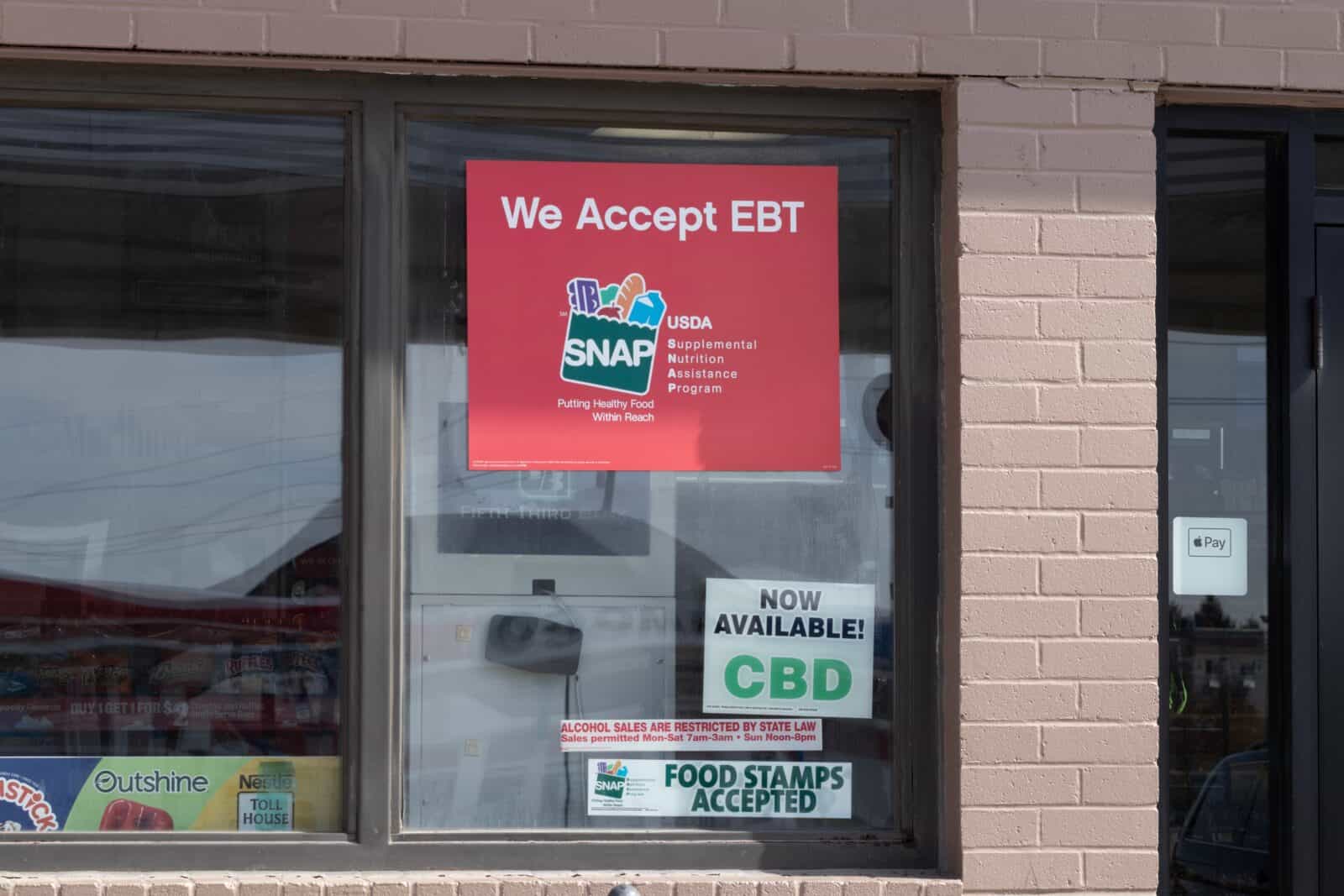
The SNAP fight reveals a broader American tension: how much hardship should the government prevent, and how much responsibility should be pushed onto states, charities, and households?
Food banks can help, but they are not the same as SNAP. A pantry visit may offer a box of food, but SNAP lets families shop with more choice and dignity. It also supports grocery stores, local economies, and household routines. When benefits vanish, the loss spreads beyond one kitchen.
The state-by-state rollout adds another layer. Reuters reported steep declines in SNAP enrollment in Arizona, Louisiana, Wyoming, and Virginia. That suggests the issue is not isolated, even if Arizona is currently the most dramatic example.
The takeaway is not simply that food stamps were cut. It is that the safety net can shrink through rules that sound technical: verification, work requirements, error rates, cost sharing, and administrative standards. On paper, those words belong to policy. In real life, they decide whether a family buys groceries this week.
Arizona is now the test case. If the goal is better accountability, the country will have to ask whether the system can improve accuracy without pushing eligible families into pantry lines. If the goal is smaller government, Americans will have to decide whether churches, charities, relatives, and already-stretched parents are expected to fill the gap.
The story is not finished. It is unfolding in grocery aisles, food bank parking lots, state call centers, and homes where dinner has become a math problem. That is why the Arizona SNAP crisis matters beyond Arizona: it shows how a national policy becomes personal, one missing benefit card at a time.
Disclaimer – This list is solely the author’s opinion based on research and publicly available information. It is not intended to be professional advice.
Like our content? Be sure to follow us