Supreme Court hands Trump asylum win amid historically low border crossings
The most striking part of the Supreme Court’s latest asylum ruling is not that it comes during a border surge. It comes after one of the sharpest border slowdowns in modern U.S. history. A 2026 Pew Research Center analysis of federal data found that Border Patrol encounters at the U.S.-Mexico border fell to 237,538 in fiscal year 2025, the lowest annual total since 1970.
Since February 2025, monthly encounters have stayed below 10,000, a level not seen in more than 25 years of monthly data.
That is why this decision landed with such force. The legal fight is not happening against the familiar picture of overwhelmed border stations and nonstop crossings. It is happening at a moment when the border is already unusually quiet, immigration courts remain deeply backed up, and the country is still split between wanting order and wanting a fair place for people fleeing danger to ask for protection.
What Happened

On June 25, 2026, the U.S. Supreme Court sided with the Trump administration in Mullin v. Al Otro Lado, a case centered on a border practice known as “metering.” The policy allows U.S. officials at ports of entry to limit the number of asylum seekers processed each day and to turn away people waiting on the Mexican side of the border before they physically cross into the United States.
The 6-3 ruling turned on a narrow but powerful question: when does someone “arrive in” the United States under immigration law? In the Court’s majority opinion, Justice Samuel Alito wrote that a person standing in Mexico has not arrived in the United States until they cross the border. That interpretation means the government is not required to inspect or process an asylum request from someone who has been stopped before setting foot on U.S. soil.
Why People Are Talking About It
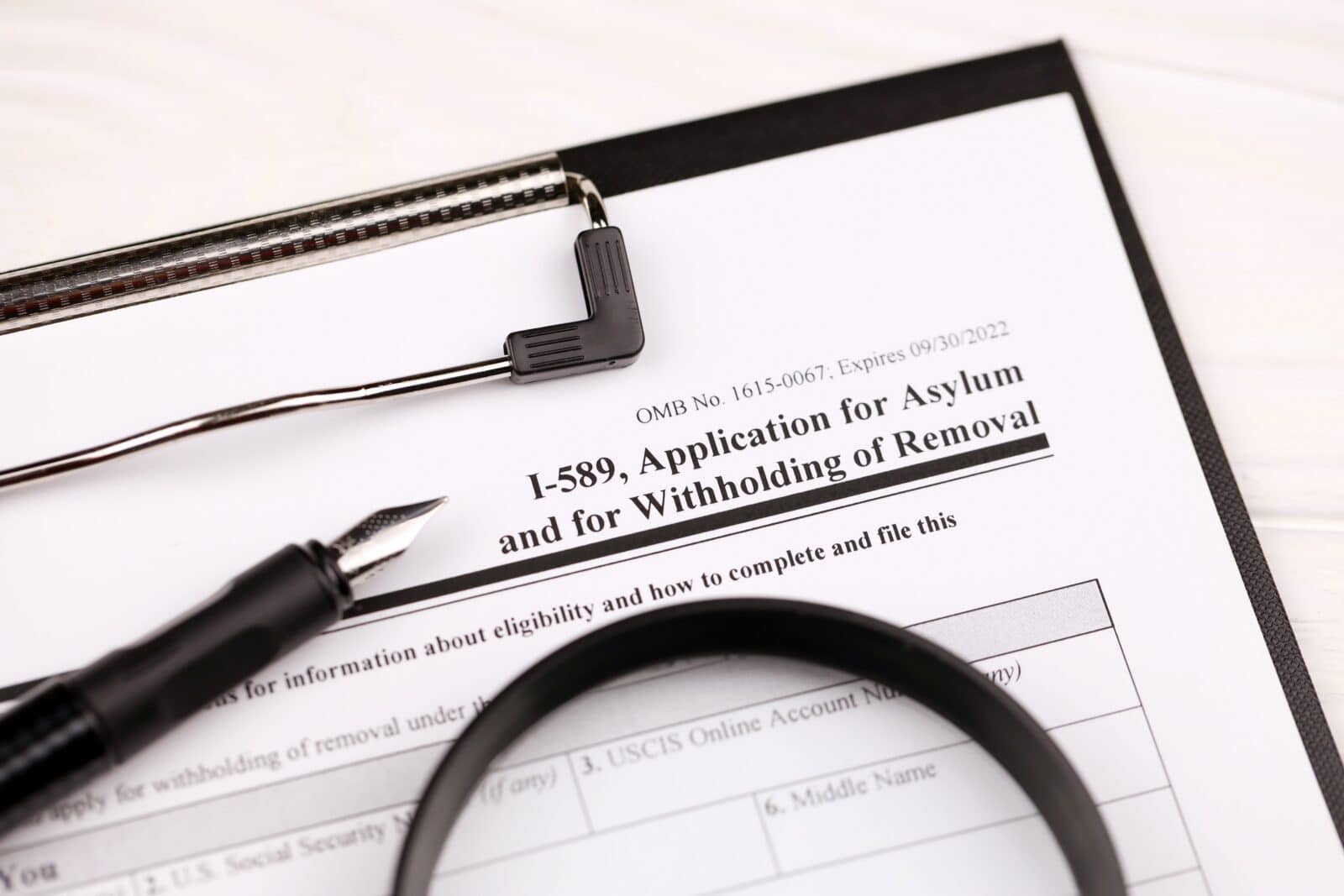
The case is being discussed because it changes the practical meaning of the border itself. For supporters of the ruling, the decision gives the government room to manage crowded ports of entry, protect staff, and prevent the system from being overwhelmed by more people than it can safely process. They see it as a basic enforcement tool, not a rejection of asylum law.
For critics, the ruling creates a troubling loophole. If the legal right to request asylum begins only after a person physically crosses into the country, then a border officer’s ability to stop someone just short of that line becomes enormously important. The concern is simple and human: a family may reach the official doorway to the asylum system and still be told that, legally, they have not reached it at all.
The Bigger Picture
This ruling fits into a larger 2026 immigration moment. The Trump administration has pushed a more restrictive approach across several fronts, including border access, detention, deportation, and Temporary Protected Status. Around the same time as the asylum decision, the Supreme Court also allowed the administration to move forward with ending protected status for many Haitians and Syrians, adding to the sense that the Court is giving the executive branch wide running room on immigration.
But the bigger story is not only about Trump or the Court. It is about how the United States is redefining access. For decades, asylum has carried a moral promise: people fleeing persecution can ask for protection. The current debate is about where that promise begins. Does it begin when someone reaches an official U.S. port of entry and asks for help, or only when they physically enter the country?
Supporting Evidence
The ruling arrives while the immigration system is still under heavy strain. TRAC’s May 2026 immigration court data showed more than 3.24 million active cases pending before immigration courts. TRAC’s broader 2026 immigration-court tracking also showed that more than 2.3 million pending cases involved people who had already filed formal asylum applications and were waiting for hearings or decisions.
That backlog helps explain why both sides talk past each other: one side sees a system too clogged to function, while the other sees delays being used to close the door.
Public opinion is just as layered. A January 2026 Pew Research Center survey found that 62% of Americans favored maintaining a large military presence at the U.S.-Mexico border, but 66% opposed suspending all asylum applications. A June 2026 Chicago Council on Global Affairs survey found that 68% of Americans supported granting asylum to refugees displaced by war and political instability. In other words, many Americans want a controlled border, but they do not necessarily want the asylum system erased.
Different Perspectives
The administration’s argument has political and practical appeal to voters who believe the border cannot accommodate unlimited demand. Ports of entry have staffing limits, detention space is finite, and officers need authority to prevent chaos. From that view, metering is a pressure valve. It does not say no one can seek asylum; it says the government can control timing and processing when capacity is strained.
Immigration advocates see it very differently. They argue that making asylum depend on one physical step invites arbitrary enforcement and dangerous waiting conditions in Mexico. Justice Sonia Sotomayor’s dissent focused heavily on the real-world consequences of turnbacks, including reports that asylum seekers were sometimes redirected despite available capacity and left exposed to crime, exploitation, and unsafe conditions. To critics, the ruling turns a technical reading of the law into a life-altering barrier.
What Readers Can Take Away
The key takeaway is that this decision is not just about border policy. It is about access to a legal process. The Court did not rule that asylum no longer exists, nor did it settle every dispute over Trump’s broader asylum restrictions. What it did was give the government more power to decide when people waiting outside the United States can be processed at official crossings.
That distinction matters because immigration debates often get flattened into slogans. This ruling is more specific and more consequential than a slogan. It shows how a single legal phrase can shape thousands of real decisions at the border. At a time when crossings are at a historic low, courts are overloaded, and Americans remain divided but not one-dimensional on immigration, the ruling forces a sharper question: Can the country enforce its borders without making the right to seek refuge depend on whether someone is allowed to take one final step?
Disclaimer – This list is solely the author’s opinion based on research and publicly available information. It is not intended to be professional advice.
Like our content? Be sure to follow us.