Oil prices slide toward a sharp monthly loss as Trump and Iran send conflicting signals on Qatar talks
Oil markets spent spring buying fear by the barrel. Now they are selling some of it back. Brent crude settled at $72.92 on June 30, while U.S. West Texas Intermediate closed at $69.50, leaving both benchmarks near their February 27 levels, just before the U.S.-Israeli war on Iran began.
Reuters reported that Brent was down about 21% in June and about 38% for the second quarter, putting oil on track for its sharpest monthly and quarterly losses since the Covid shock in early 2020.
For drivers, the question is simple: will this finally cool gas prices? For traders, the harder question is whether the market is reading the diplomatic signals correctly.
What happened to oil prices
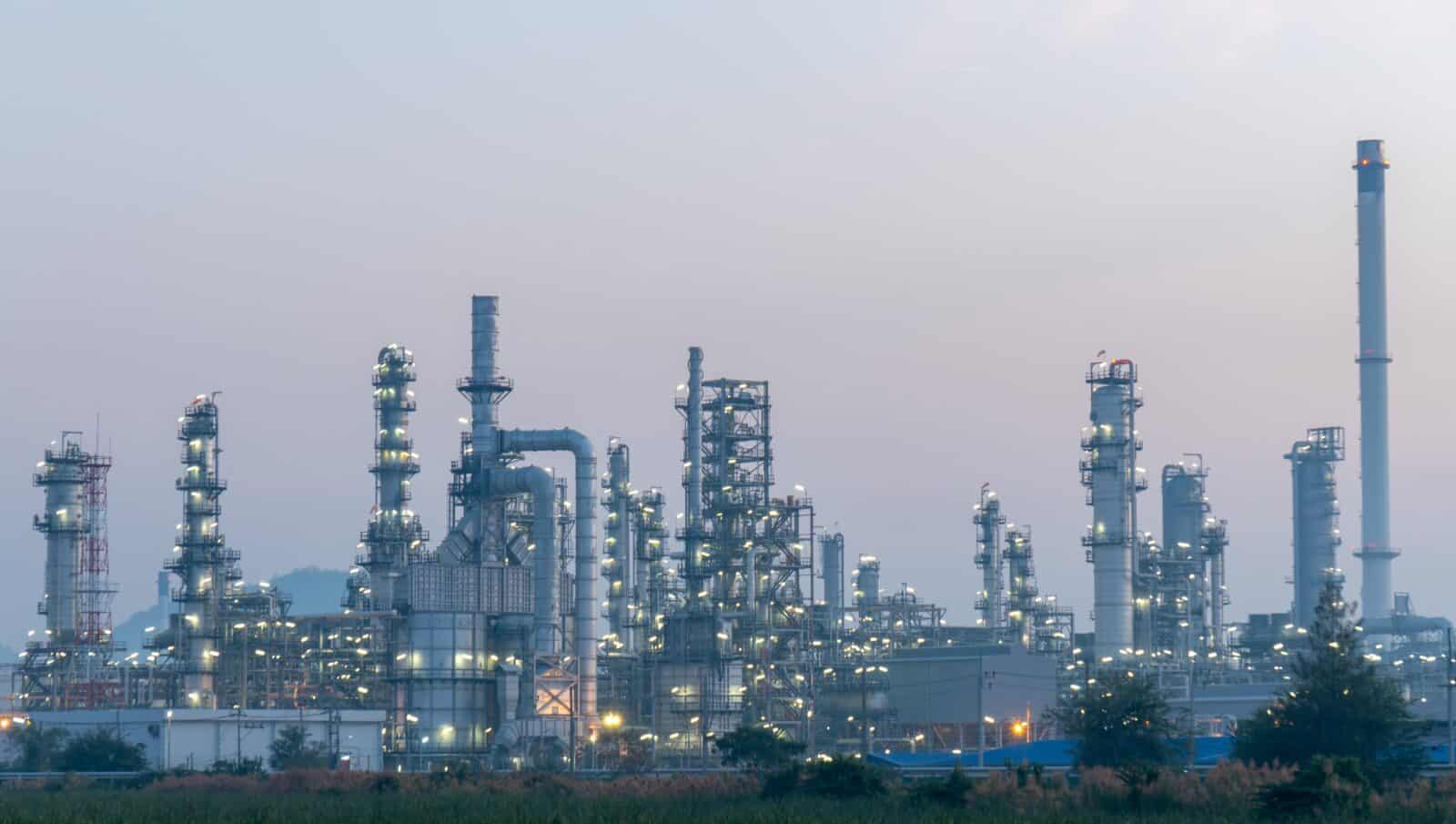
The latest drop is not only about barrels. It is about belief. Investors are watching talks in Doha, Qatar, where U.S. and Iranian officials have entered indirect technical discussions aimed at keeping shipping moving through the Strait of Hormuz and securing a longer ceasefire.
Reuters reported that the talks are based on a 14-point interim accord signed in June, which reopened the strait and gave both sides 60 days to work toward a more permanent deal. President Donald Trump sounded upbeat on July 1, saying recent meetings in Qatar had gone well and that the U.S. and Iran were “getting along very well.”
But Iran’s public position remains far tougher, especially on control of Hormuz. That mixed message is why oil is falling, but not relaxing.
Why are drivers watching
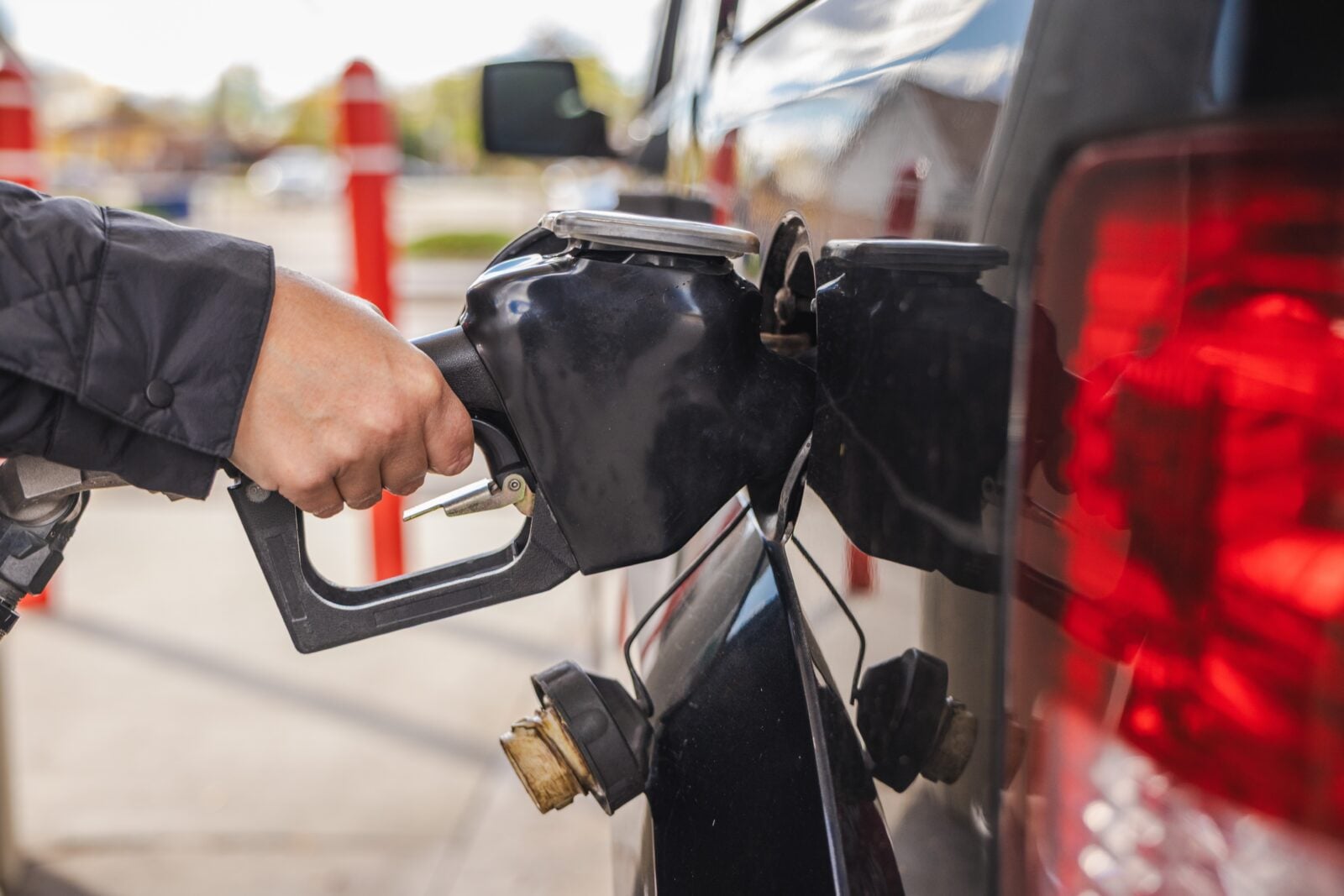
Crude oil is not the same thing as gasoline, but it is a major part of the pump-price math. The Energy Information Administration’s June 30 gasoline update showed crude oil made up 57% of the March 2026 retail price of regular gasoline, with refining, taxes, distribution and marketing making up the rest.
That means lower crude can help drivers, but it does not move through every gas station overnight. AAA listed the national average for regular gasoline at $3.847 a gallon on July 1, while the St. Louis Fed’s FRED database showed regular gas at $3.831 for the week ending June 29.
So the relief is real enough to notice, but still fragile enough to vanish if Gulf headlines turn hot again.
The Hormuz heartbeat
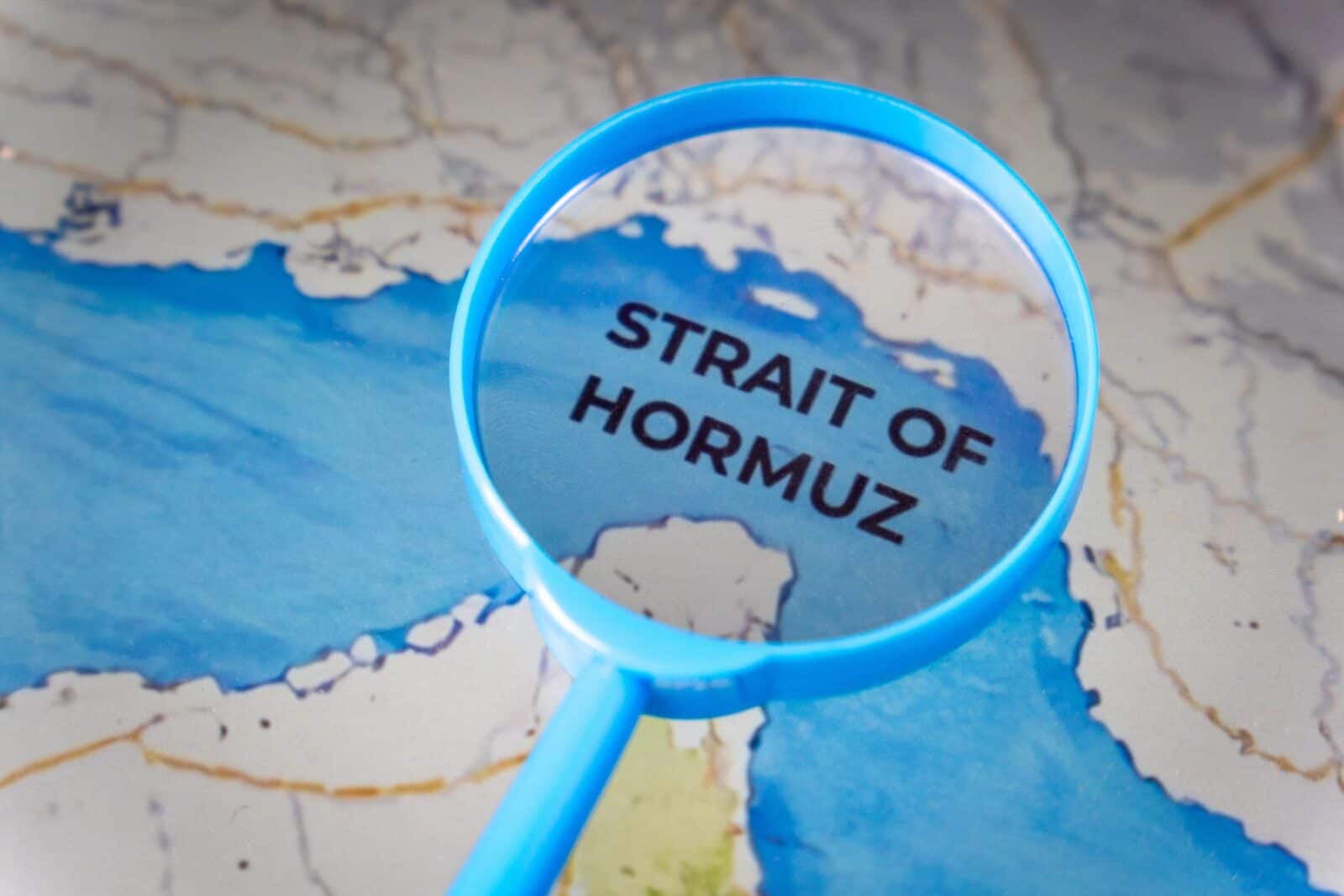
The Strait of Hormuz is the narrow waterway that makes this story beat faster. Reuters reported that about 20% of global oil supplies moved through the strait before the war, and that traffic has only partially resumed.
Vandana Hari, founder of Vanda Insights, put the mood in one clean line: “Hormuz continues to reopen but it’s patchy, unpredictable, and not fully transparent.” That is the pulse traders check every morning. If tankers move, prices breathe out. If Iran fires near ships, if fees return, or if talks stall, the market can inhale fear again.
The strait is not just a map feature. It is one of the world economy’s most sensitive nerves.
Why are prices falling despite the danger
The selloff does not mean traders think the Gulf is safe. It means they think the worst-case scenario looks less likely than it did a few weeks ago.
UBS analyst Giovanni Staunovo told Reuters the market had not fully priced out risk, but previously stranded ships were becoming available again as more vessels moved out of the Gulf, creating “a temporary wave of new supply.”
That matters for consumers because gasoline prices react not only to actual shortages but to feared shortages. When the fear premium fades, crude prices can fall quickly. But if the supply wave is temporary, the pump-price break may be temporary too.
The supply story under the headlines
The diplomacy is loud, but the supply story is doing quiet work beneath the surface. Reuters reported that U.S. crude production rose to a monthly record of 13.93 million barrels per day in April, as producers responded to earlier high prices tied to the war in Iran.
At the same time, analysts estimated U.S. firms pulled 4.5 million barrels of crude from storage in the week ending June 26, which would mark the tenth straight weekly crude draw if confirmed.
That is a strange mix: strong U.S. output, tight recent inventories, returning Gulf ships, and lower risk premiums all fighting for control of the price. For drivers, it explains why gas prices can feel stubbornly high even as crude oil prices fall.
What Trump and Iran are really signaling
Trump is sending one kind of signal: calm, progress, a deal still alive. Iranian sources are sending another.
Reuters reported on July 1 that Iran wants international recognition of its control over the Strait of Hormuz and its right to levy fees on ships entering or leaving the Gulf.
Two senior Iranian sources said Tehran may resume charging ships in mid-August if the interim deal ends without an extension. That is why the Qatar talks matter so much. They are not just about political theater. They are about who controls a chokepoint that touches fuel costs, shipping costs, inflation, and the price of moving goods around the world.
The inflation link

Falling oil prices can soften inflation, especially if they lower gasoline, diesel, airline fuel, and freight costs. But the pass-through is uneven. A family filling an SUV before a holiday trip may not care about Brent spreads or futures curves; they care about the number on the sign.
Treasury officials and the White House care too, because high gasoline prices hit consumer mood fast. Reuters reported that Trump faces domestic pressure to contain the war’s economic fallout before the November midterm elections.
That gives the oil slide political weight. Lower crude can help the inflation story, but only if the Gulf stays calm long enough for wholesale relief to show up at retail pumps.
The market’s split view

Analysts are now cutting forecasts, but not declaring victory. A Reuters poll of 31 economists and analysts lowered the 2026 Brent forecast to $84.50 a barrel from $90.44 a month earlier, while WTI was cut to $79.49 from $84.63.
UniCredit analyst Tobias Keller said, “the bulk of the geopolitical risk premium has already unwound.” Frank Schallenberger, head of commodity research at LBBW, said that if Hormuz traffic returns to normal, oil markets could move into surplus, and prices may keep falling in the second half of 2026.
The consumer-friendly version: cheaper crude may have room to run, but it depends on diplomacy staying boring.
What readers can take away
Oil’s June slide is good news for households tired of seeing gasoline eat into grocery and travel budgets. It may also give inflation a little breathing room if lower crude prices last.
But this is not a clean peace story. It is a fragile ceasefire, indirect talks in Qatar, a disputed shipping corridor, rising U.S. output, and an oil market trying to price in headlines before they harden into facts.
Over the next few weeks, watch three things: tanker traffic through Hormuz, Trump and Iran’s language around control of the strait, and the national gas average. If all three calm down, drivers may feel real relief. If one breaks the wrong way, oil’s fear premium can come roaring back.
Disclaimer – This list is solely the author’s opinion based on research and publicly available information. It is not intended to be professional advice.
Like our content? Be sure to follow us