Can NYC freeze rents without freezing building repairs?
New York City’s rent freeze has given roughly one million rent-stabilized households something many renters rarely get in this city: a little breathing room.
For tenants watching groceries, transit, childcare, medical bills, and everything else climb at once, a frozen rent renewal is not an abstract policy win. It is the difference between staying put and starting over. It is one less envelope to fear, one less negotiation with a budget that already feels picked clean.
But the argument unfolding around Mayor Zohran Mamdani’s landmark rent freeze is not as simple as tenants winning and landlords losing. The harder question is what happens inside the buildings themselves when rents stop rising, but the cost of keeping old plumbing, roofs, elevators, insurance policies, taxes, and repairs alive does not.
What the Rent Freeze Actually Does
New York City’s Rent Guidelines Board voted 7–1 to freeze rents on both one-year and two-year leases for rent-stabilized apartments. The freeze applies to leases beginning between October 1, 2026, and September 30, 2027.
That makes the decision historic in a very specific way. New York has frozen one-year stabilized leases before, including under former Mayor Bill de Blasio, but this is the first time the board has frozen two-year leases as well.
The policy does not cover every rental apartment in the city. Market-rate apartments, many smaller properties, and newer luxury units outside stabilization are not included. That distinction matters because much of the online debate has blurred the line between “New York rent” and the city’s regulated rental system.
For Mamdani, the vote is also a major political marker. He campaigned on freezing rent, appointed several board members, and now has a concrete housing victory to show supporters who wanted more than campaign language. In a city where rent policy often moves by small percentages, zero became the loudest number in the room.
Why Tenants Are Cheering

The emotional force behind the freeze is easy to understand if you have ever lived with a rent renewal sitting unopened on the kitchen table.
For many tenants, rent stabilization is not a luxury. It is the thing keeping them near work, school, doctors, family, neighbors, subway lines, and the everyday structure of their lives. A rent freeze tells those residents that, for at least one renewal cycle, the city is not asking them to absorb another increase just because the calendar turned.
That is why the tenant reaction has been so intense. In the Reddit discussion around the freeze, supporters described the vote as a long-overdue correction in a city where renters often feel like they are always the ones told to adjust. Adjust to higher rent. Adjust to a smaller apartment. Adjust to longer commutes. Adjust to leaving the neighborhood they helped hold together.
There is also a political validation here. Mamdani promised a tenant-first affordability agenda, and the board delivered one of the clearest versions of that promise. To supporters, the freeze is proof that government can still intervene directly when the housing market feels less like a market and more like a trap.
The strongest case for the freeze is not that it solves New York’s housing crisis. It does not. The strongest case is simpler: current tenants need protection now, not after a perfect zoning bill, tax reform package, or construction boom arrives years from now.
The Cost Side Landlords Keep Raising

The problem is that buildings do not become cheaper to run because rent is frozen.
The Rent Guidelines Board’s own 2026 Price Index of Operating Costs found that costs for buildings containing rent-stabilized apartments rose 5.3% in the most recent measured year. Insurance costs rose 10.5%. Maintenance rose 6.0%. Fuel rose 11.0%. The board also projected another 4.1% increase in operating costs for the following year.
Those numbers are not small when applied to older buildings with thin reserves. A century-old walk-up does not care that a political promise has been fulfilled. Pipes still crack. Roofs still leak. Facades still need work. Boilers still fail on the coldest week of the year, because of course they do.
NYU’s Furman Center has documented the longer pressure line. Between 2019 and 2025, insurance costs for rent-stabilized buildings rose by 150%, while maintenance costs rose by 39% and utilities by 31%. That is the kind of math that turns “we will fix it next month” into a permanent building strategy.
This is where the Reddit debate becomes less ideological and more practical. Some landlords in the thread warned that the freeze could push smaller owners toward losses, delayed repairs, or sales. One owner’s message was blunt: a freeze, they said, could make them lose the building.
It is tempting to dismiss landlord complaints in a city where renters have endured brutal housing costs for years. But the stronger argument is not sympathy for every property owner. It is a concern for tenants who still have to live inside buildings when the repair budget is cut to the bone.
Can a Rent Freeze Make Housing Worse?
This is the uncomfortable trade-off at the center of the debate: rent can be affordable on paper, even as the apartment becomes harder to live in.
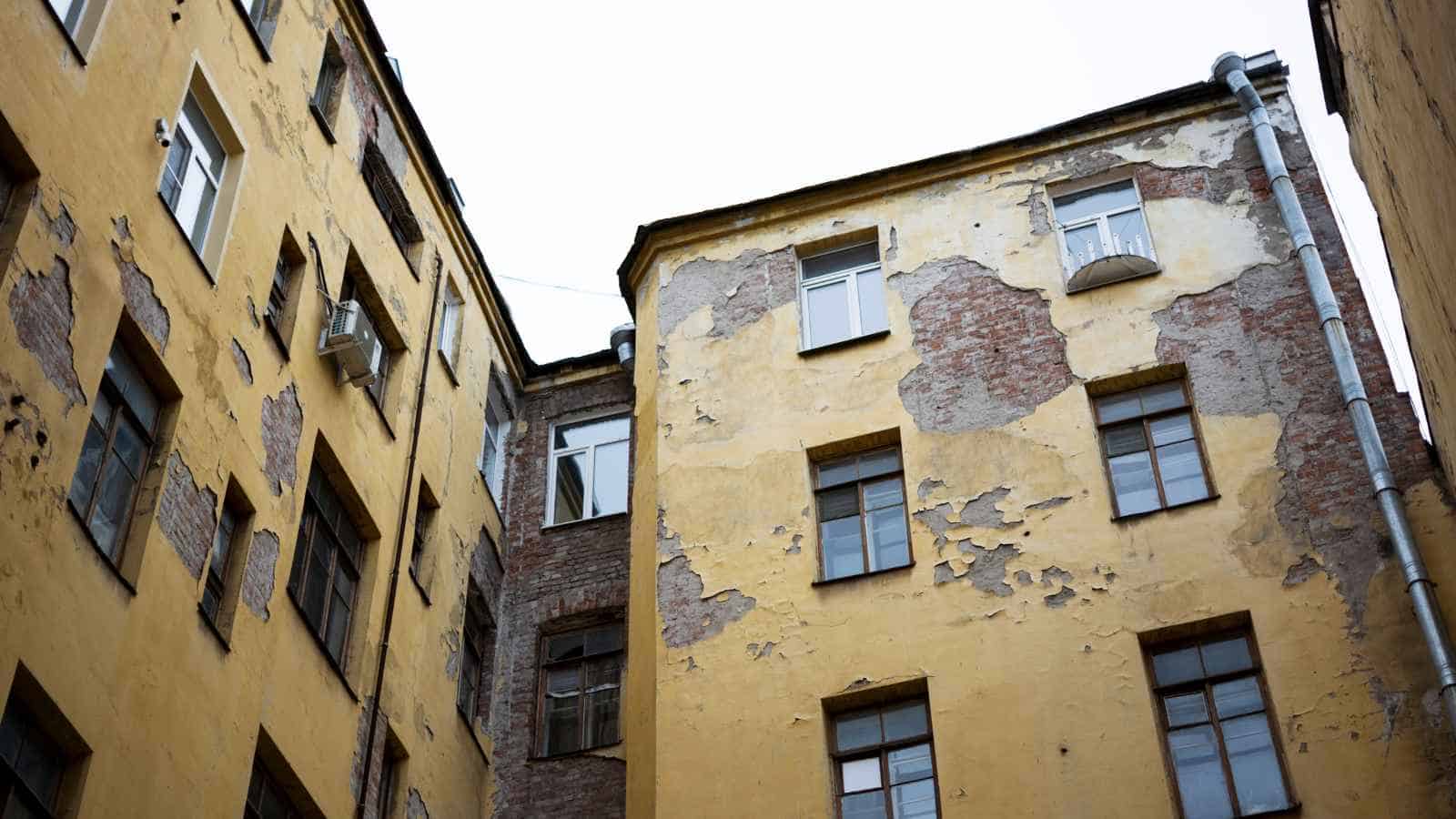
A tenant may be protected from a rent hike and still deal with mold, a broken elevator, unreliable heat, pests, leaks, or repairs that never quite become repairs. Anyone who has lived in an aging building knows the difference between a fix and a patch. A fix solves the problem. A patch buys the landlord time.
Housing research has long warned about this tension. Rent controls can protect current tenants from displacement. However, if the rules become overly strict and property owners cannot recoup the costs of major repairs, some may reduce maintenance, remove units from the rental market, or avoid investing in older buildings.
The San Francisco evidence is often raised in these debates for that reason. ScienceDirect reports that rent control helped keep tenants in place, but also reduced rental housing supply as some landlords converted or redeveloped units. That does not mean New York will repeat San Francisco’s experience exactly. Different city, different laws, different market. But it does show why supply and maintenance concerns cannot be brushed away as landlord panic.
New York already has a vacancy and affordability problem. If frozen or tightly capped rents make expensive-to-renovate units sit empty, the city could end up protecting some tenants while making it harder for future renters to find homes. That is not a reason to abandon tenant protections. It is a reason to design them with the building’s actual operating life in mind.
The Real Question Is What Comes Next

The cleanest version of the rent-freeze argument says it is about fairness. Tenants have carried too much for too long, and the city needed to act.
The cleanest version of the landlord argument says this is about arithmetic. If income is frozen while insurance, taxes, labor, repairs, and compliance costs rise, something eventually gives.
Both can be true.
A serious housing policy has to hold those truths at once. A rent freeze can protect people from immediate displacement, especially low- and middle-income tenants in older stabilized buildings. But if it is not paired with maintenance enforcement, repair financing, targeted tax relief, and a plan to preserve aging housing stock, the freeze may quietly shift the crisis from the rent bill to the ceiling stain.
That means the next fight should not only be about whether landlords deserve more money or tenants deserve more relief. It should be about whether New York can keep regulated apartments both affordable and habitable.
Tenant advocates are right to demand strong enforcement so landlords cannot use the freeze as an excuse to neglect buildings. Small owners are right to ask how they are supposed to fund major repairs when insurance and maintenance costs keep climbing. Policymakers are responsible for answering both questions, not choosing the easier audience.
The rent freeze is a political victory. It is also a stress test.
If New York wants this moment to become more than a headline, the city will have to prove it can freeze rents without freezing repairs, investment, and basic dignity inside the buildings where people actually live.
Disclaimer – This list is solely the author’s opinion based on research and publicly available information. It is not intended to be professional advice.
Like our content? Be sure to follow us