12 ways suburban life quietly strains parents and kids
Suburbia promises space, quiet streets, and “good schools,” but behind the picket fences and two-car garages, life looks very different. Families are trapped in car-dependent routines that quietly steal hours every day. Long commutes to work, school drop-offs, errands, and activities leave parents exhausted before they even sit down at the dinner table.
Meanwhile, kids’ worlds are shrinking: wide roads, few sidewalks, and sprawling distances make it harder to walk to friends, parks, or shops, eroding independence that generations before took for granted. The very neighborhoods marketed as safe havens are quietly reshaping family life, draining energy, and limiting the everyday freedoms parents and kids need to thrive.
Car-dependent design steals parents’ time and money

Suburban layouts often separate homes from schools, stores, and jobs, making cars a daily necessity. Families spend hours driving for errands, school drop-offs, and work, which drains time, energy, and money. U.S. workers average 27–28 minutes one way, but low-income and immigrant parents often face hour-long commutes.
These trips reduce time with children and partners, raise stress levels, and act as a hidden financial tax on families, turning everyday life into a logistical juggling act that chips away at well-being, relationships, and personal time.
Long commutes erode family balance
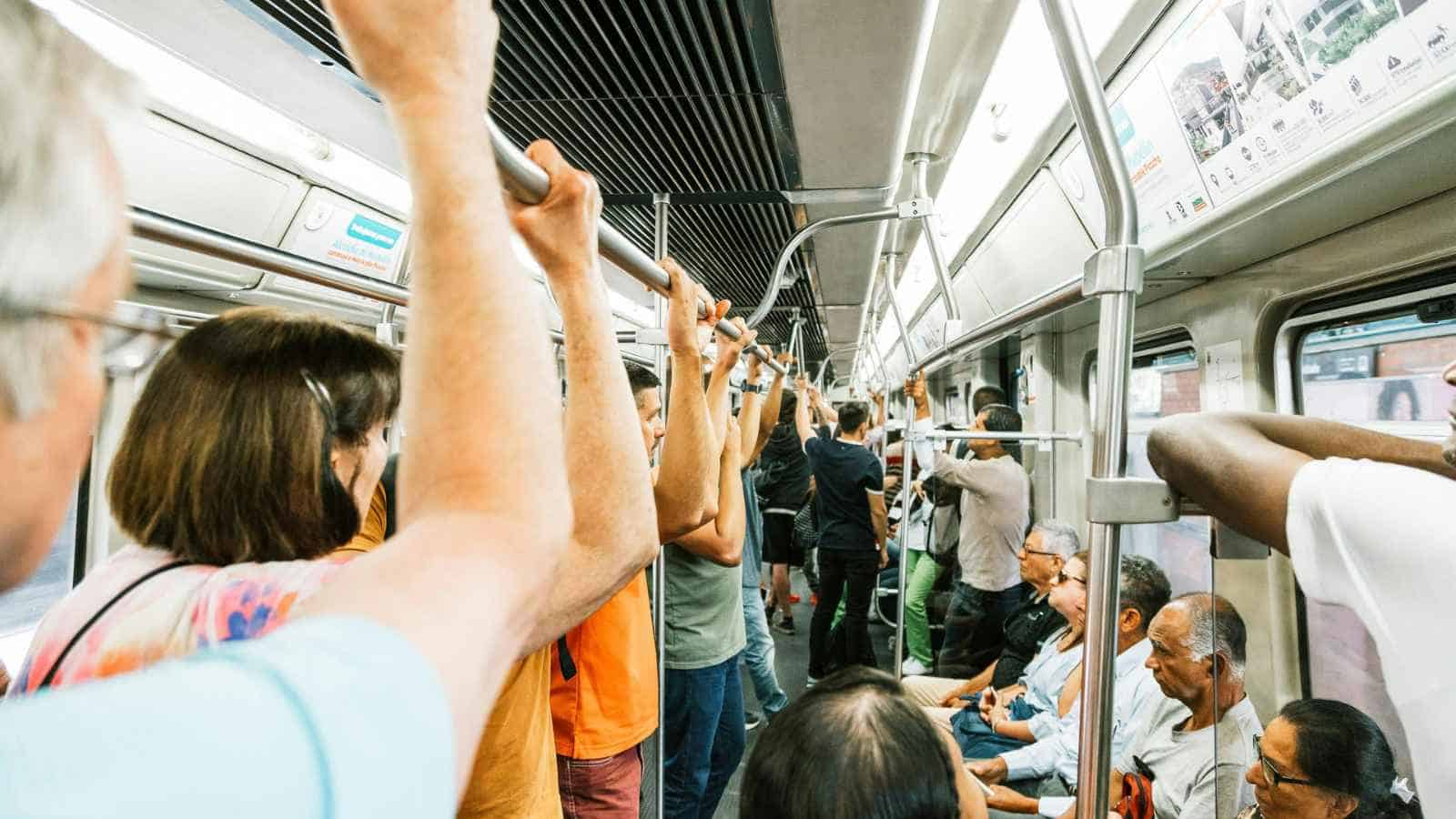
Extended travel times don’t just consume hours; they disrupt emotional balance. Studies show long, unpredictable commutes increase stress, reduce caregiving time, and make home life feel like another job. Latino and low-income parents disproportionately bear this burden, juggling both the emotional strain and financial cost of commuting.
Every hour spent in traffic is time lost for homework help, spontaneous conversations, or family play, and the constant pressure leaves parents exhausted and children with less quality interaction, subtly eroding family cohesion over months and years.
Sprawl fuels childhood inactivity and

Living in sprawling, car-centered suburbs limits kids’ movement. Adolescents in these areas are more than twice as likely to be overweight compared to those in compact neighborhoods, even after adjusting for demographics. Lack of sidewalks, safe bike lanes, and nearby parks keeps children confined indoors or in cars.
Daily physical activity declines, and opportunities for spontaneous outdoor play disappear. Over time, sedentary habits, reduced social interaction, and limited outdoor exploration can affect not only physical health but also mental well-being, embedding inactivity as a routine part of childhood.
“Drive-everywhere” childhoods limit independence
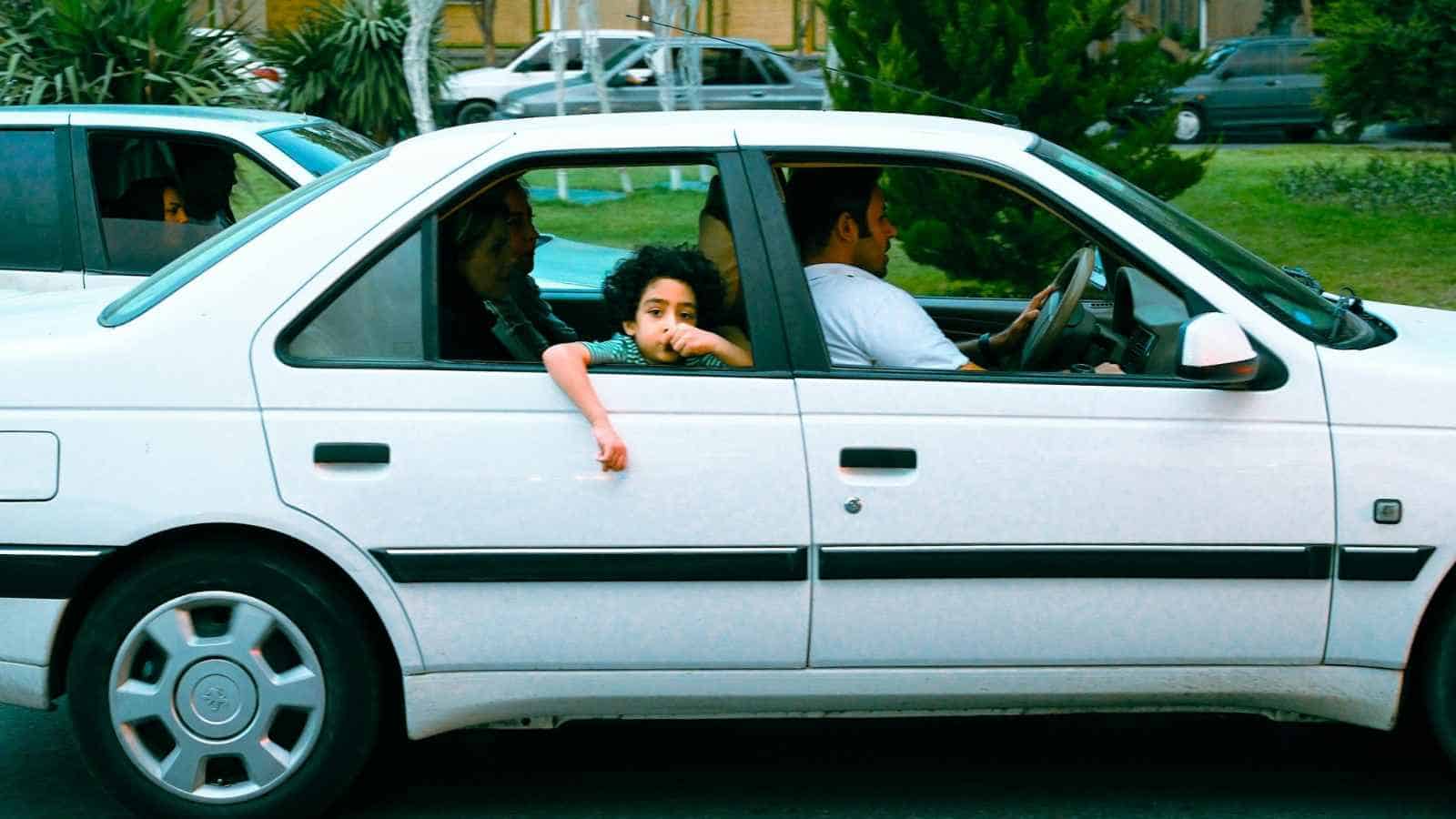
Child development depends on progressive independence—walking to school, exploring the neighborhood, or visiting friends alone. Suburban street layouts—cul-de-sacs, wide collector roads, and few sidewalks—make this risky, leaving parents as constant chauffeurs. The lack of safe, accessible routes discourages self-reliance and confidence-building opportunities.
Research shows that walkable, green, and well-connected environments reduce anxiety and depression in children. When suburban design requires adult supervision for every movement, kids miss crucial chances to develop problem-solving skills, decision-making abilities, and a sense of personal autonomy.
Traffic danger undermines suburban safety

Suburban streets are designed for speed, not play. Wide arterials, limited crossings, and long distances to schools or parks create hazards parents must constantly manage. While crime may be lower than in urban areas, road injuries become a hidden risk. The perception of safety erodes when families weigh daily car travel against potential accidents.
Exposure to traffic risk increases with high car dependency, making streets unsafe for children and stressful for parents. Safety becomes conditional, tied to supervision and vigilance rather than neighborhood infrastructure, challenging the traditional idea that suburbs automatically provide a secure environment for raising kids.
Isolation weakens social ties for parents and teens

Car-centric neighborhoods limit casual encounters and spontaneous connections, contributing to loneliness. Teens may retreat to screens instead of forming social bonds, while parents miss out on informal support networks that buffer stress.
Only 58.5% of teens report receiving sufficient social-emotional support, highlighting a gap between perception and reality. The lack of walkable spaces, local parks, and transit access reduces daily interaction opportunities.
Families often rely on scheduled playdates or structured events, creating isolation cycles that exacerbate stress, weaken neighborhood support systems, and leave both kids and parents without the daily social scaffolding essential for emotional and mental well-being.
Oversized, distant schools drain families

School consolidation often pushes students to campuses far from home, reachable only by bus or car. Long bus rides and remote locations reduce opportunities for active commuting and spontaneous engagement. Parents must navigate complex schedules and additional driving, leaving little room for unstructured family time.
These distant schools act more like logistical obligations than neighborhood hubs. Families experience constant time pressure, and children lose opportunities for incidental socialization or community interaction. Over time, the combination of travel, planning, and dependency diminishes the perceived benefits of suburban schooling.
Suburban stress affects family health

Neighborhood design influences physical and mental health. Long commutes, poor infrastructure, and limited recreation increase stress, disrupt sleep, and elevate risk for hypertension and chronic conditions. Adults face higher mental and physical strain, while children experience indirect effects through parental stress and reduced outdoor activity.
Studies link sprawl to reduced exercise, higher obesity, and worse cardiometabolic outcomes. Environmental stressors combine with financial pressures to erode family well-being quietly over time. Families pay a health premium for convenience and space, revealing the hidden costs of suburban living.
Housing and transport costs squeeze budgets

Finding a larger, affordable home often requires moving far from work and resources. Transportation costs (cars, insurance, fuel, maintenance) can rival any savings on rent or mortgage, especially for lower-income families. Long commutes reduce take-home pay and limit discretionary spending on enrichment, childcare, or savings.
Families navigating decentralized jobs and housing face an ongoing financial squeeze. The suburban trade-off looks beneficial on paper but is punishing in practice, where every extra mile to school, grocery, or park reduces time, energy, and money, quietly undermining quality of life for both parents and children.
Lack of nearby amenities limits enrichment and play

Proximity matters. Access to parks, libraries, schools, and safe recreation spaces promotes social, cognitive, and emotional development. Suburbs often place housing far from these resources, forcing families to drive for basic enrichment. Kids rely more on screens, and parents bear the responsibility of ferrying them to every activity.
The absence of walkable, local destinations limits spontaneous play, social skill-building, and neighborhood interaction. Over time, the built environment shapes habits and experiences, constraining both fun and opportunity for children, and adding mental and logistical load on parents.
Segregation and inequality persist

Suburban design reinforces economic and racial segregation. Neighborhoods often concentrate wealth and opportunity, leaving low-income and minority families with fewer high-performing schools, parks, and health resources. Children growing up in these environments face reduced access to academic, social, and recreational opportunities, perpetuating inequality.
Behind neatly trimmed lawns, systemic barriers quietly shape children’s trajectories. Sprawl and zoning rules dictate who belongs and who is excluded, influencing access to future success long before families realize the constraints imposed by geography and policy.
Suburban layout erodes community support

Strong social networks are crucial for parenting resilience and children’s emotional development, but car-dependent suburbs limit daily interactions. Casual encounters, neighborly support, and shared communal spaces are rare, leaving families isolated.
Parents rely on structured playdates or formal events to connect, and children miss informal social learning experiences. Over time, the physical environment reduces access to the “village” families need, weakening support systems for coping with illness, work stress, and parenting challenges. Suburban design silently shapes community engagement, with consequences for well-being.
Disclaimer – This list is solely the author’s opinion based on research and publicly available information. It is not intended to be professional advice.
Like our content? Be sure to follow us