California’s plastic packaging law faces lawsuit from 17 states
A plastic wrapper has become the latest front in America’s fight over power, prices, and pollution.
California’s sweeping packaging law was designed to force companies to cut plastic waste and help pay for the recycling system their products depend on. But to 17 Republican-led states, it looks like something else: one state using its massive economy to rewrite packaging rules for the rest of the country.
That is why this fight has moved beyond bottles, takeout boxes, and grocery-store packaging. At stake is a bigger question that affects nearly every household purchase: when plastic waste piles up, should taxpayers keep paying to clean it up, or should the companies that put it into the market carry more of the cost?
The answer could reshape what Americans buy, what businesses pay, and how far California can go in setting rules that ripple across the national economy.
Why California’s Plastic Law Is Causing Such a Fight

California’s law, known as SB 54, is one of the most aggressive packaging laws in the United States. It was signed in 2022, but the real battle began after final regulations took effect on May 1, 2026.
The law requires companies that sell covered packaging and single-use plastic foodware in California to reduce plastic use, improve recyclability, and help fund the recycling system. By 2032, the state wants all covered packaging to be recyclable or compostable, 25 percent of single-use plastic packaging to be reduced, and 65 percent of single-use plastic packaging to be recycled.
That sounds technical until you imagine how many products it touches. Food, cosmetics, household cleaners, beverages, shipping materials, restaurant containers, and countless grocery items all rely on packaging that may now have to be redesigned.
For California officials, that is the point. Packaging is a massive part of what ends up in landfills, and the state says producers should be responsible for what happens after customers throw it away. Instead of cities and households carrying the cost of collection, sorting, recycling, and cleanup, companies would pay into a producer responsibility system.
To supporters, that is fairness. To opponents, it is a hidden national tax.
The 17-State Lawsuit Is About More Than Trash
Nebraska is leading the legal challenge alongside Alabama, Florida, Georgia, Idaho, Indiana, Iowa, Louisiana, Missouri, Montana, North Dakota, Oklahoma, South Carolina, South Dakota, Texas, Utah, and West Virginia.
For businesses that sell across state lines, the practical concern is simple. Creating one version of a product for California and another for the rest of the country can be expensive, complicated, and inefficient. In many cases, brands may decide it is easier to redesign everything rather than build a separate supply chain for one market.
Plastic may now follow the same path.
Nebraska Attorney General Mike Hilgers framed the case in terms of household budgets, warning that if the policy is not checked, “consumers will be forced to pay more for basic necessities.” The National Association of Wholesaler-Distributors has also joined the challenge, arguing that one state should not be able to turn its market power into a nationwide mandate.
That message is designed to resonate with shoppers already frustrated by grocery prices. If producers spend more to meet the new requirements, even a small share of that burden could eventually show up at the checkout line.
The Cost Question Is Real, But So Is the Pollution Problem
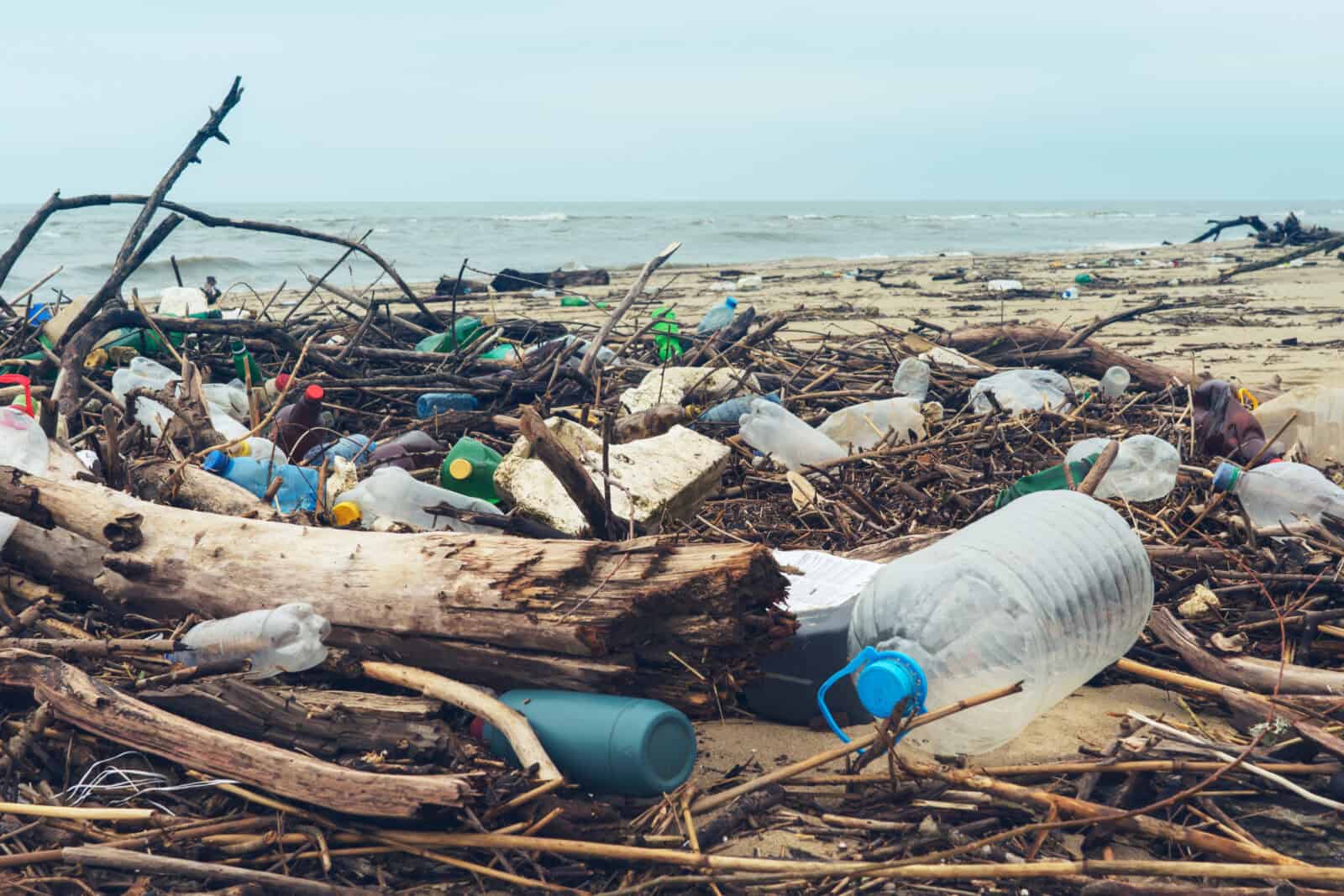
The lawsuit lands because the cost concern is easy to understand. If businesses must redesign packaging, pay fees, submit data, meet recycling targets, and change suppliers, those expenses do not disappear.
Some may be absorbed by producers. Some be offset by better recycling systems. And Some may eventually reach shoppers through higher prices.
But supporters of California’s approach argue that Americans are already paying for plastic waste through garbage bills, local taxes, landfill pressure, litter cleanup, and polluted waterways. Ocean Conservancy reports that SB 54 could prevent about 23 million tons of single-use plastic over the next decade and avoid roughly 115 million tons of carbon dioxide-equivalent emissions.
Supporters say the law changes the incentive. Hard-to-recycle packaging becomes more expensive, while materials designed for reuse, refill, composting, or recycling become more attractive. That makes SB 54 more than a recycling rule. It is an attempt to change packaging decisions before the waste is created.
Why Environmental Groups Are Also Suing California

The twist is that California is being Challenged from both directions.
Groups including the Natural Resources Defense Council, Californians Against Waste Foundation, and Oceana have challenged the state’s regulations, arguing that loopholes weaken the law’s original goals. Their concern centers partly on how California defines recycling and whether certain chemical recycling technologies should count.
That matters because “recyclable” can be a slippery word. A package may technically be accepted somewhere, but that does not mean it is widely collected, economically processed, or turned back into useful material at scale.
Environmental groups worry that weak definitions could allow companies to claim progress without meaningfully reducing plastic use. In their view, the law’s success depends on if it actually cuts waste at the source, not if it creates a paperwork system that allows business as usual to continue under greener language.
What This Means for Shoppers and Businesses

For shoppers, the effects may arrive quietly at first.
For restaurants and retailers, the shift could mean rethinking suppliers. For national brands, a broader review of how products are packaged, labeled, shipped, and priced may be required. A beverage company, for example, may need to consider bottle weight, caps, labels, recycled content, multipack materials, and compliance fees as part of a single system.
The most important changes may happen far from the store aisle. Packaging that was once treated as cheap and disposable may become a regulated business expense.
That is why the lawsuit carries national weight. A win for California could encourage more states to adopt producer-funded waste systems. And for the challengers, it could limit how far large states can go when their rules affect national supply chains.
Either way, the case could shape what consumers see on shelves years from now.
The Bigger Trend
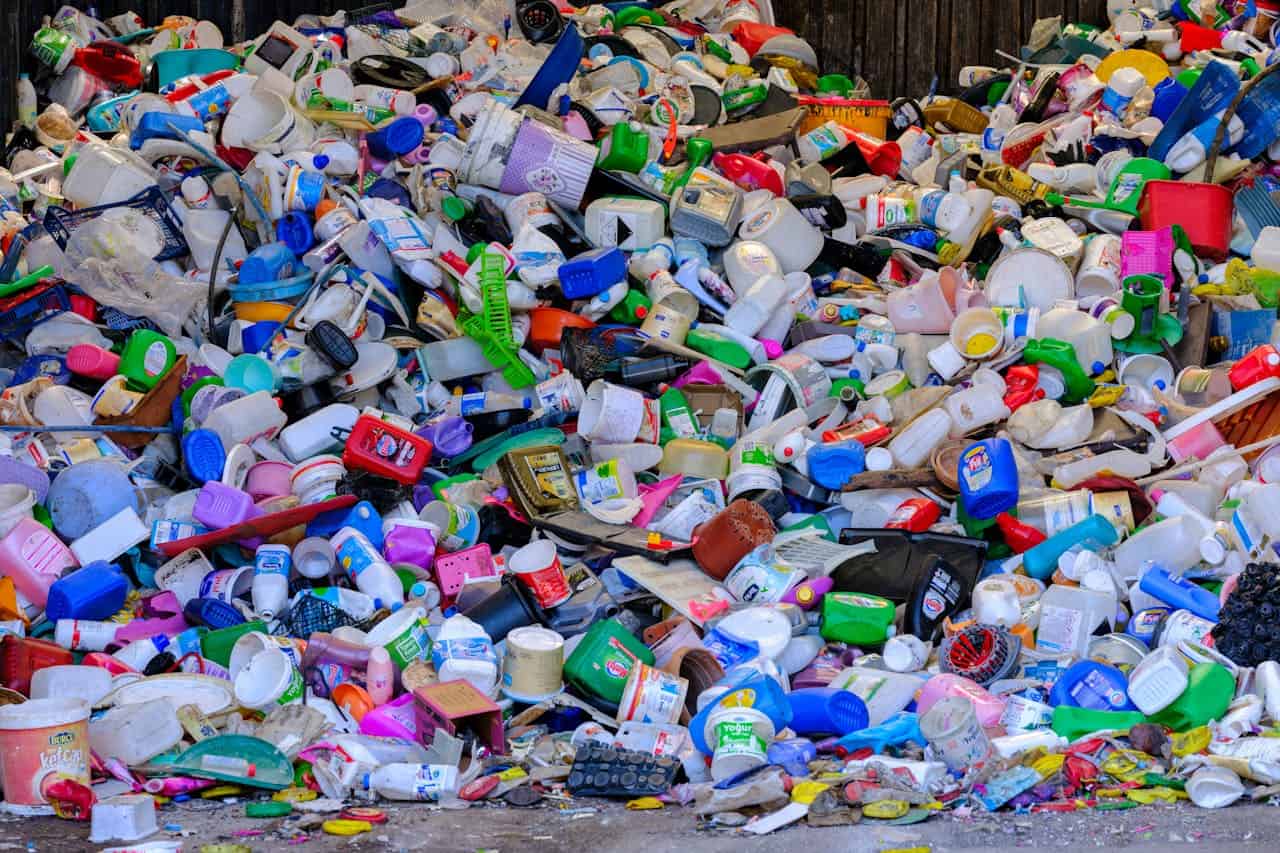
The public reaction has been sharp because plastic is both everywhere and hard to ignore. It shows up in takeout bags, delivery packaging, grocery aisles, storm drains, parking lots, and overflowing bins.
Based on a report by Yahoo, only about 43 percent of U.S. households participate in recycling, with large gaps between states. That uneven system is part of the frustration.
Most people want less plastic pollution, but they also want low prices, fast shipping, takeout meals, bottled drinks, and individually wrapped products. Modern life depends on disposable packaging, and then gets angry when the disposal system fails to keep up.
The scale on the business side is just as large. The U.S. Plastics Pact reported that its participating companies alone placed 5.57 million metric tons of plastic packaging on the U.S. market in 2023, representing about one-third of the plastic packaging within its scope nationwide.
The backlash shows how difficult that shift will be. Plastic is tied to manufacturing, shipping, food safety, retail pricing, consumer habits, and interstate commerce.
That is why this fight is unlikely to stay inside California. A rule aimed at cutting waste in one state could end up testing how much of America’s throwaway economy is ready to change.
What Happens Next

Court action could delay SB 54, reduce its scope, or leave it largely intact. Companies will be watching closely because product redesigns, supplier contracts, and compliance planning often take months or years to complete.
In California, the goal is to shift more of the burden of plastic pollution away from local communities and public budgets. For challengers, the concern centers on whether a single powerful market can influence product design far beyond its borders.
A broader problem lies beneath the case: America still lacks a single national framework for packaging waste. With Washington largely absent from this fight, individual states are moving ahead on their own.
That approach can push innovation, but it can also create a confusing map for brands selling across the country. One product may face different fees, deadlines, reporting systems, and recycling definitions depending on where it is sold.
This fight offers a preview of where environmental regulation may be heading. Older debates focused on whether plastic could be recycled. Newer ones ask who should pay when that system fails.
The outcome could change the containers, wrappers, bottles, and boxes around nearly everything Americans buy.
Disclaimer – This list is solely the author’s opinion based on research and publicly available information. It is not intended to be professional advice.
Like our content? Be sure to follow us