Renting isn’t what it used to be: 12 ways landlords, laws, and technology changed the tenant experience
A lease once began with a brass key. Now it may come with a payment app, a screening score, a smart lock, and a page of charges.
The Harvard Joint Center for Housing Studies found that 22.7 million renter households spent more than 30% of their income on housing in 2024. That was 49% of all renters, including 12.1 million households that spent more than half their income keeping a roof overhead.
Still, some tenants have gained room. The U.S. Census Bureau put the rental vacancy rate at 7.3% in early 2026, and Zillow found concessions on 39.8% of listings in April. More empty units can mean bargaining room. Software, monitoring, corporate rules, and fees have made renting less personal.
Higher Vacancies Have Given Some Renters Room to Bargain

An empty apartment earns nothing, so a rising vacancy rate can change the talk at the leasing desk. Census data placed the national rate at 7.3% in early 2026, versus 7.1% a year earlier.
Realtor.com found that the median asking rent across the 50 largest metros fell 1.5% to $1,672, though it remained 15.2% above January 2020. The shift is local. Austin posted a 13.8% vacancy rate and a 7.3% rent drop, but New York’s 4.6% vacancy rate left renters less room to push.
If nearby buildings have unoccupied apartments, bring those listings to a renewal talk. Ask for a rent match, free parking, a smaller deposit, or a waived fee. An empty unit down the block gives the request meaningful weight.
Free Rent and Waived Fees Have Become Leasing Tools

The banner offering a free month is no longer rare decoration. Zillow’s April 2026 rental report found concessions on 39.8% of listings, up five percentage points in one year and more than double the pre-pandemic share.
Deals appeared on 68.3% of Denver listings, 66.6% in Charlotte, and 64.2% in Dallas. Zillow senior economist Kara Ng captured the shift in an NPR interview published by WPLN: “Renters, this is your year.” Still, read past the ribbon on the ad.
A free month on a $1,930 lease lowers the first year’s effective cost by about $161 a month, but the next renewal may use the full $1,930 as its starting point. Ask for the total cost across all 12 months and the price that will appear on any renewal offer.
Corporate Ownership Has Made Renting More Standardized

Your landlord may now be a company with thousands of homes and a call center several states away. A Government Accountability Office review found that 32 investors owning more than 1,000 properties each controlled nearly 450,000 single-family rentals as of June 2022, close to 3% of that national market.
Their local footprint was larger: GAO estimated shares near 25% in Atlanta, 21% in Jacksonville, and 18% in Charlotte, though it warned that metro estimates had limits. Scale can bring online service, set repair steps, and longer support hours.
It can also bring fixed late fees, strict payment rules, and little space for an exception after a rough month. For many tenants, a talk with an owner has become a case number inside a system.
Pricing Software Can Help Shape Your Renewal Number

Large property managers can now feed market data into software that recommends a price for each unit. A 2026 paper by Sophie Calder-Wang of Wharton and Gi Heung Kim of Boston College estimated that algorithmic pricing raised rents by about $25 a month across 4.2 million units, equal to roughly $1.5 billion a year.
That is the researchers’ estimate, not a federal finding. Regulators have stepped in. In 2025, the Justice Department proposed restrictions on Greystar, which manages almost 950,000 units, over alleged use of competitors’ private data in pricing tools.
Software can read a market fast. The concern starts when rivals share nonpublic information, and renters face prices made by a process they cannot inspect or question.
The Leasing Office Has Moved Into an App

The rental office is now open on your phone at 2 a.m., but the digital door leaves a trail. A 2025 GAO review examined 34 tools used for advertising, tours, screening, leasing, payments, rent setting, maintenance, and facial recognition.
Online payments and dated repair tickets can prevent a lost check or a fight over when a pipe began leaking. Smart locks and cameras can record entries, faces, and movement. All 10 public housing agencies in GAO’s review saw safety value in facial recognition, yet all 10 wanted more federal guidance; six sought clearer rules on permitted uses.
An app can make service faster and still leave renters unsure about who holds their data, how long it stays, and how a saved entry log might be used.
A Screening Error Can Follow You to the Next Door

Many landlords buy reports that combine credit history, eviction filings, criminal records, income checks, and a risk score. One wrong name or old court entry can close several doors.
The Consumer Financial Protection Bureau says a landlord must name the screening company after a report causes a denial, larger deposit, or added fee. You can request a free copy within 60 days, and most negative information such as an eviction generally cannot remain after seven years.
Accuracy has drawn enforcement. In 2023, the FTC and CFPB reached a $15 million settlement with TransUnion over alleged failures involving eviction records. Check that dismissed, sealed, duplicate, or paid cases appear correctly before applying again.
The Advertised Rent May Be Just the First Number

A listing can glow at $1,800, then grow teeth as required services appear. The Federal Trade Commission’s 2024 case against Invitation Homes alleged that mandatory charges could exceed $1,700 a year.
The agency said applicants paid fees of up to $55 and reservation charges of up to $500, and it secured a proposed $48 million settlement for refunds. Then-FTC Chair Lina M. Khan said, “No American should pay more for rent or be kicked out of their home because of illegal tactics by corporate landlords.”
The case involved one company, so it does not describe every large owner. It does show why renters should request the full monthly payment, every one-time charge, and each required service before paying to apply.
Some Laws Now Push Move-In Costs Back Toward Landlords

The price of crossing the threshold has changed in several high-cost markets. New York City’s FARE Act, effective June 11, 2025, makes the party that hired a broker pay that broker. Massachusetts adopted a comparable rule on August 1, 2025, according to its landlord and tenant guide.
California took aim at deposits: since July 1, 2024, most owners may collect no more than one month’s rent as security, with an exception for some small-scale landlords. On a $2,000 apartment, removing an extra month of deposit or the owner’s broker fee can keep $2,000 in a renter’s account.
Tenants who hire their own broker may still owe a fee, but these rules can make the first invoice less punishing.
Pet Charges Remain, but Some States Have Set Limits

A dog can turn an affordable listing into a pricier home before the first bag of food reaches the cupboard. Colorado’s House Bill 23-1068, effective January 1, 2024, generally capped a refundable pet deposit at $300. It also limited monthly pet rent to $35 or 1.5% of monthly rent, using the larger figure.
At $35 a month, that is $420 during a one-year lease, plus the deposit and ordinary animal care. Most states still leave standard charges to the lease and local market. Assistance animals follow different federal rules and are not ordinary pets for fee purposes.
In a market with many vacancies, compare pet-friendly listings and ask the manager to lower the deposit or remove monthly pet rent before you sign.
Rent Hikes Face New Guardrails in Some States

Some landlords can no longer pick any renewal increase the market might bear. Oregon’s 2026 limit is 9.5% for most covered homes, and rent generally cannot rise more than once in 12 months.
California uses the lower of 10% or 5% plus the change in living costs for covered properties. These are caps, not promised increases. A 9.5% jump would still add $190 to a $2,000 rent. Exemptions also matter. Newer buildings, certain owner-occupied properties, and other listed homes may sit outside a state rule, while cities can add protections.
Check the property’s age, exemption notice, past increases, and local housing page before accepting a renewal. The patchwork has made rent review a job for documents, not guesswork.
Also on MSN: 10 Forces Pushing the Middle Class Toward Permanent Renting
Eviction Now Requires More Process in Some Places
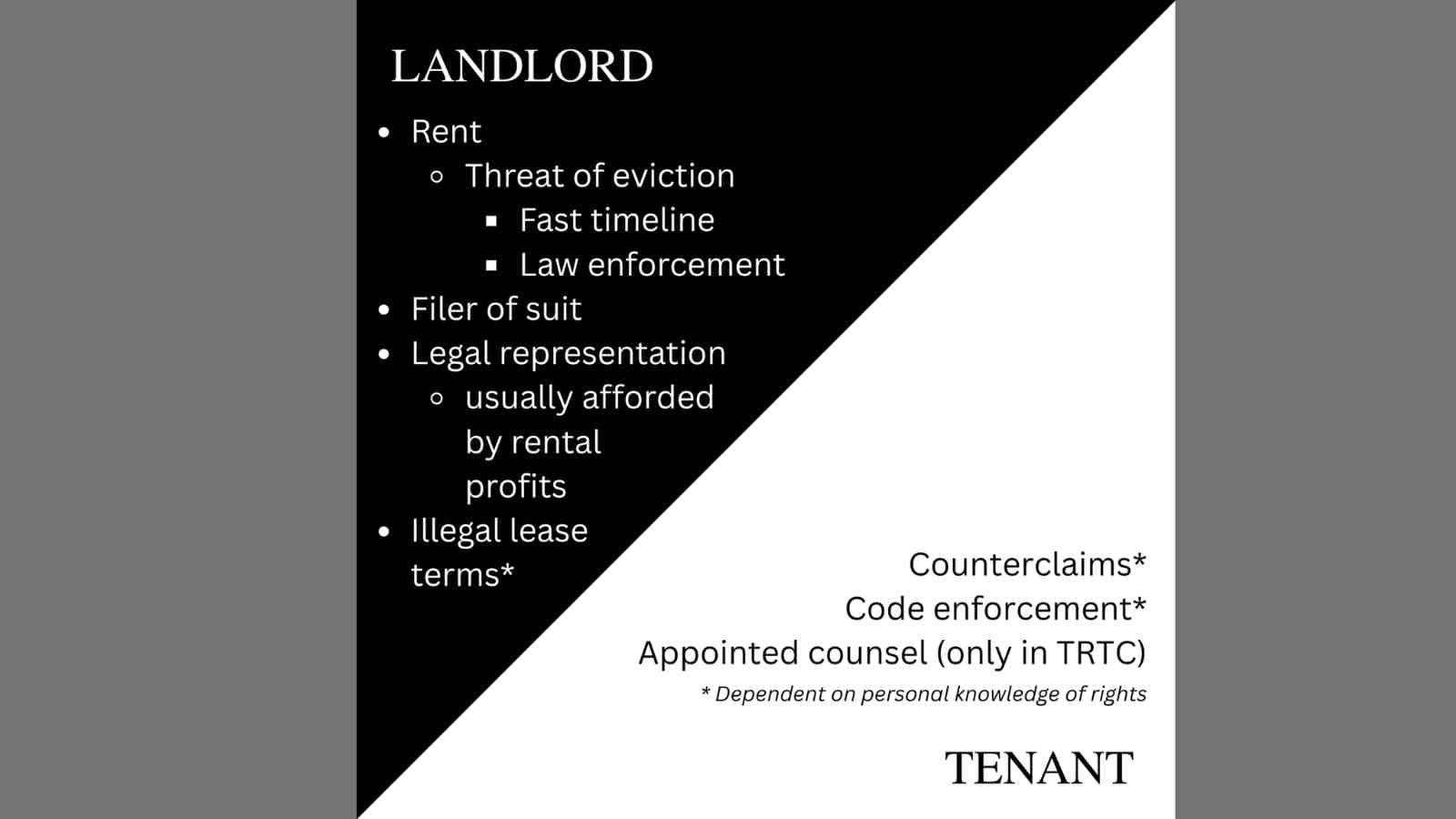
The notice on the door carries more rules in parts of the country. California’s SB 567 strengthened proof requirements for owner move-in and major-remodel evictions on April 1, 2024.
Attorney General Rob Bonta said, “The Tenant Protection Act is a powerful tool that my office has used to protect renters from unscrupulous landlords.” A federal 30-day nonpayment notice rule still covers certain public housing and assisted homes after HUD delayed its planned repeal in March 2026.
Philadelphia says its right-to-counsel program now covers 10 ZIP codes and more than 43% of renters facing eviction. The city credits counsel and diversion work with cutting filings 35% to 40% from pre-pandemic levels.
Housing Discrimination Has Drawn Stronger Local Enforcement

A polished application portal does not remove an old problem: renters can still face rejection for using lawful housing aid. New York City’s Commission on Human Rights reported a 2025 source-of-income settlement with $1 million in civil penalties and commitments involving 850 apartments.
The city had also committed $3.1 million over four years to testing and enforcement. Such action gives applicants a complaint route and gives landlords a cost for unlawful refusals. Yet protection depends on the address.
Federal law covers bias tied to race, color, national origin, religion, sex, family status, and disability, but source-of-income rules vary by state and city. A lease may look national and digital, while a renter’s strongest remedy can stop at a city boundary.
Key Takeaways

Many renters can negotiate, but relief is uneven. A 7.3% vacancy rate and concessions on 39.8% of listings can support a request for free rent, a lower deposit, or reduced fees.
Compare the full 12-month cost, demand every required charge in writing, and save app messages and repair requests. If a screening report blocks you, request your free copy within 60 days and dispute errors in writing.
The modern lease brings more protections and bargaining tools, yet it also brings more data, more fine print, and more machines standing between you and the key.
Disclaimer – This list is solely the author’s opinion based on research and publicly available information. It is not intended to be professional advice.
Like our content? Be sure to follow us