12 things that could get Americans denied airline boarding in 2026
Getting turned away at the boarding gate is a fast way to ruin a dream vacation before the plane even leaves the runway. Every year, thousands of prepared flyers face unexpected rejections due to tiny regulatory details.
With massive biometric rollouts and strict new identification rules taking effect, the stakes are higher than ever. In 2026, evolving airline policies, federal screening upgrades, and strict identification laws mean travelers must navigate a complex web of rules to avoid being left on the tarmac.
Aviation data indicates that gate agents aren’t messing around when it comes to compliance checks. A simple mistake can turn a smooth check-in into an expensive nightmare. Understanding these rules is key to keeping vacations on track.
Flying without a REAL ID-compliant document

As of May 7, 2025, standard state driver’s licenses don’t get adult travelers through domestic security checkpoints. Every passenger aged 18 or older needs a compliant REAL ID or a valid alternative to board a domestic commercial flight. A compliant card is easy to spot since it features a star marking at the top.
For those without one, a U.S. passport or a Department of Defense ID will work as an alternative. State-issued enhanced driver’s licenses are also acceptable at TSA checkpoints. Failing to present acceptable identification means getting turned away on the spot.
Neglecting the $45 TSA ConfirmID emergency fee

From February 1, 2026, travelers who show up without a REAL ID can utilize an emergency fallback service called TSA ConfirmID. This paid program utilizes biometric screening and federal databases to verify a traveler’s identity. The catch is that this last-resort option costs a flat, non-refundable fee of $45 per traveler.
Payment must be processed in advance via Pay.gov, as security lanes won’t accept physical cash. This receipt covers a 10-day travel window, meaning a standard round trip won’t require a second fee. Importantly, paying this fee doesn’t guarantee clearance, and a failure to verify means missing the flight.
Presenting an unapproved mobile driver’s license

Digital credentials are expanding rapidly, with 21 states supporting mobile driver’s licenses by early 2026. In California alone, the DMV Wallet has provisioned over 3 million digital credentials as of late 2026. However, not all state-issued digital IDs are accepted at TSA checkpoints.
TSA only accepts mobile driver’s licenses that conform to the strict ISO/IEC 18013-5 standard. Non-compliant digital options from states like Delaware or Mississippi will lead to a rejected screening. Travelers should always carry a physical ID to avoid unexpected delays.
Falling afoul of the passport six-month rule
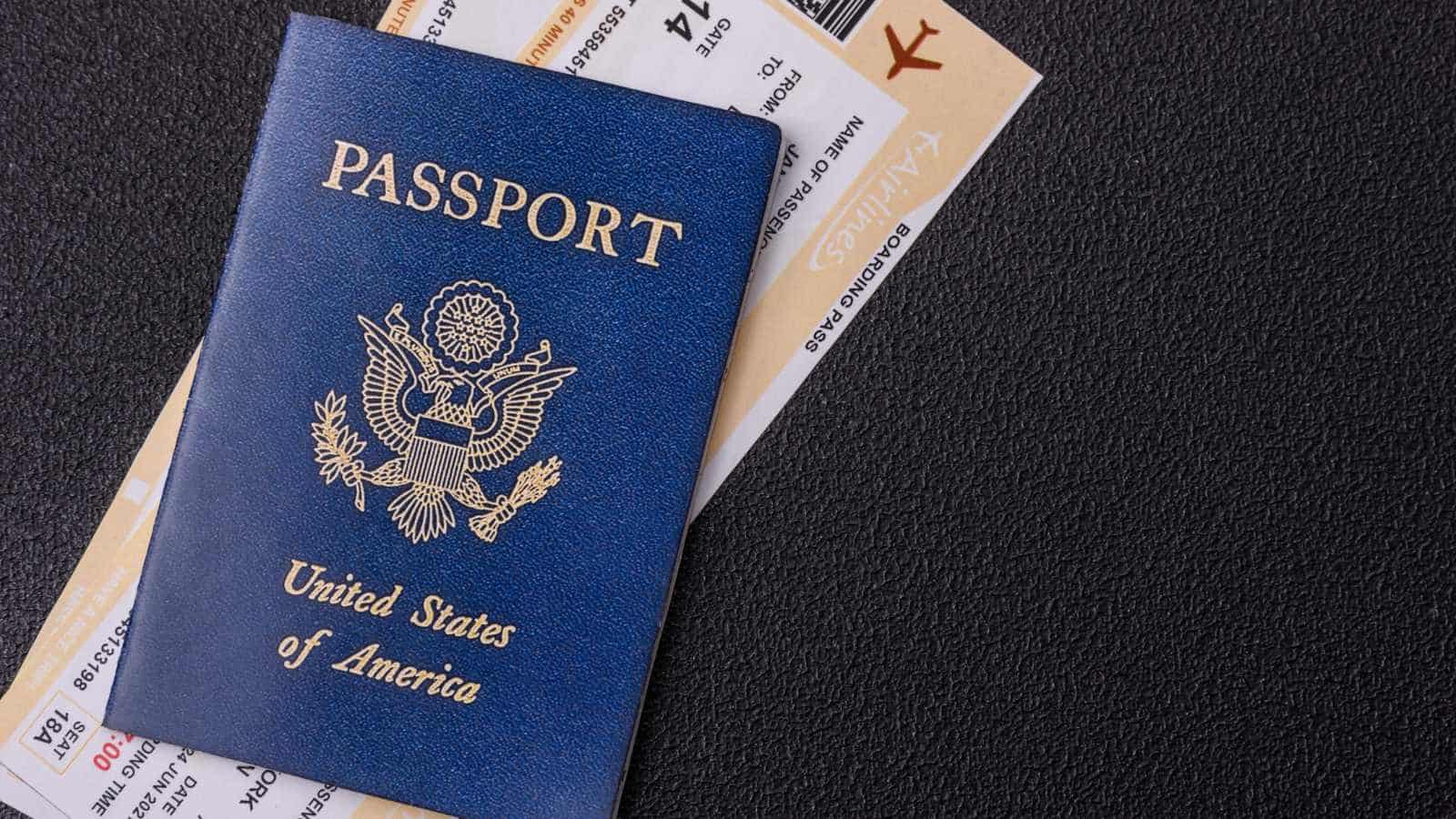
Many overseas destinations require a traveler’s passport to be valid for at least six months beyond their travel dates. Airlines strictly enforce this buffer to avoid paying massive government fines for transporting ineligible passengers. These border fines can reach up to $5,000 per passenger, plus mandatory repatriation costs.
Because of these penalties, gate agents inspect expiration dates with extreme care. A passport that is too close to expiring means immediate denial at the check-in desk. Planning ahead and renewing nine months early keeps travel plans safe.
Having a name discrepancy on the ticket

A minor typo on a plane ticket can completely ruin an international itinerary. According to the International Air Transport Association, name mismatches trigger about 3% of all check-in escalations. Using a nickname like “Ben” instead of the passport’s legal name “Benjamin” is a major risk.
Fixing these mistakes at the gate can cost upward of $380 in reissue fees and missed connections. Airlines require the ticket name to match the passport character-for-character to pass federal Secure Flight checks. Checking the booking confirmation immediately after purchase prevents these headaches.
Lacking verifiable proof of onward travel

One-way ticket holders often get flagged by airlines and border officials for lacking an exit plan. Strict destinations like Thailand, Indonesia, and Peru mandate that tourists show a confirmed exit route. Check-in systems use the real-time IATA Timatic database to block boarding passes for undocumented flyers.
Vague plans about booking a bus or train ticket later won’t satisfy the computer. Dedicated travel portals offer real, verifiable flight reservations to bypass this check safely. Getting exit proof sorted before leaving home is a must.
Traveling with integrated smart luggage batteries
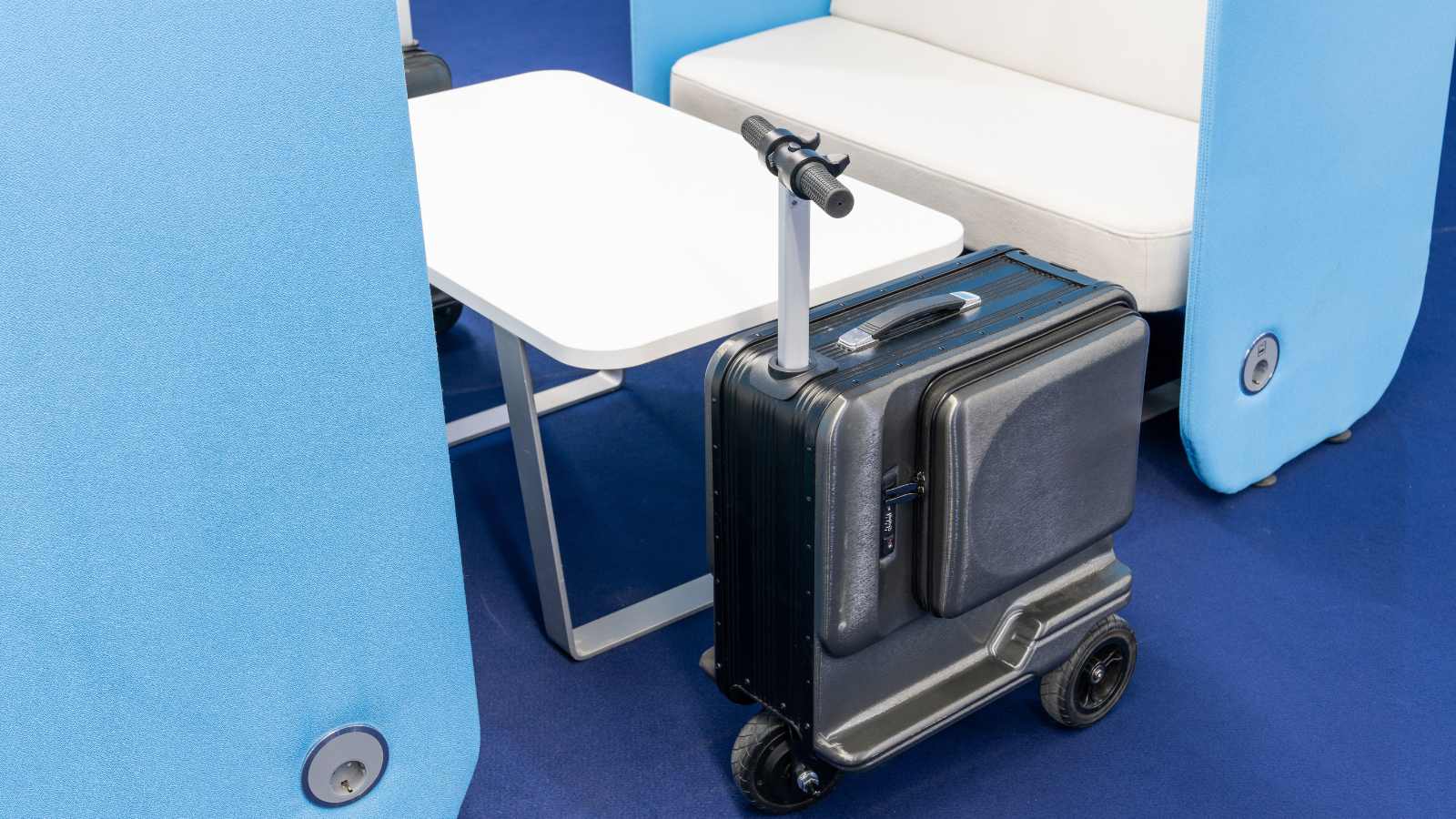
Suitcases with built-in electronic features are a growing trend, but they pose serious fire hazards. The FAA restricts lithium-ion batteries in cargo holds due to the risk of dangerous thermal runaway. If a flight is packed and a smart bag must be gate-checked, the battery must be easily removable.
If the power source is permanently integrated into the suitcase, airlines like Delta and American won’t allow the bag on the plane. This is a safety precaution for cases where bags must travel in the belly. Travelers must keep the removed battery with them in the cabin or face being turned away.
Violating recently updated airline dress codes

While modern travel is highly casual, airlines retain the legal right to enforce basic clothing standards. Carriers like Spirit Airlines recently tightened their contracts of carriage to define inappropriate dress more clearly. Banned items include see-through clothing, bare feet, or shirts with lewd or offensive graphics.
This gives staff the clear authority to deny boarding to non-compliant flyers. Disruptive pushback against a dress request will quickly result in being escorted away.
Showing signs of a contagious medical illness

Airlines have the authority to deny boarding if a passenger poses a health or safety risk to others. Visible symptoms like a severe cough, fever, vomiting, or diarrhea can trigger a boarding refusal. The CDC and DHS manage a Do Not Board list to prevent the spread of infectious diseases.
Airlines are not required to provide compensation if they have reasonable grounds to refuse an ill traveler. This standard is designed to protect both the flight crew and fellow passengers. Securing a doctor-signed “Fit to Fly” certificate is a smart move when recovering from sickness.
Failing to comply with flight crew instructions

Tensions in the sky remain an ongoing concern for airlines and regulators alike. According to IATA, unruly passenger incidents averaged one per 355 flights globally in 2025. FAA regulations allow individual passenger fines of up to $43,658 for non-compliance or aggressive behavior.
Ground crews can deny boarding to any passenger showing signs of hostility before the plane even pushes back. Fighting over seats or refusing instructions is a direct ticket to a permanent no-fly list. Remaining calm and following orders is the easiest way to ensure a safe journey.
Exploiting ticket rules through skiplagging

Skiplagging involves booking a cheaper multi-city ticket with the intention of walking away at the layover. All major airlines prohibit this practice in their official contracts of carriage. If a passenger is a no-show for any segment of their itinerary, the system automatically voids the rest of the ticket.
Carriers will happily cancel a passenger’s seat and refuse boarding for the return leg if caught. It is a risky travel game that rarely pays off for novice flyers.
Getting involuntarily bumped due to overbooking
Airlines often overbook flights to ensure cabins fly as close to maximum capacity as possible. If everyone shows up and no volunteers step forward, airlines must enforce involuntary bumps. In Q4 2024, the involuntary denied boarding rate rose to 0.25 per 10,000 passengers.
This means basic economy ticket holders remain the most vulnerable to getting bumped. Elite status and early check-ins are the best ways to protect a seat.
Key takeaway

With airlines enforcing strict rules, travelers must stay proactive to avoid getting left behind in 2026. Keeping a REAL ID on hand, double-checking passport validity, and spelling ticket names perfectly are vital steps. A little preparation saves hundreds of dollars and keeps vacations on track.
Disclaimer – This list is solely the author’s opinion based on research and publicly available information. It is not intended to be professional advice.
Like our content? Be sure to follow us