12 states with the best tap water quality in America
Have you ever taken a sip of tap water at someone else’s house and instantly noticed the difference? Maybe it tastes surprisingly crisp and refreshing, or maybe you get that familiar “why does this taste like a swimming pool?” reaction.
For something so ordinary, water carries a lot of weight. The quality of what comes out of your kitchen faucet can shape everything from your morning coffee to how comfortable you feel drinking straight from the tap.
Americans clearly care about what flows through their pipes. A Gallup poll found that 57% of Americans worry about safe drinking water, ranking it as a bigger environmental concern than issues such as global warming, air pollution, and the extinction of animal species. So, which states are winning the daily water battle?
Kentucky

Hidden among rolling hills, farmland, and limestone landscapes, Kentucky has quietly built one of the strongest tap water reputations in America.
Kentucky’s natural environment plays an important role. The state’s limestone geology influences mineral content, which can affect how water tastes. Many people notice that mineral-rich water can have a smoother, cleaner flavor compared with heavily treated alternatives.
But nature only tells part of the story. Reliable utility management helps Kentucky maintain strong customer satisfaction.
Washington
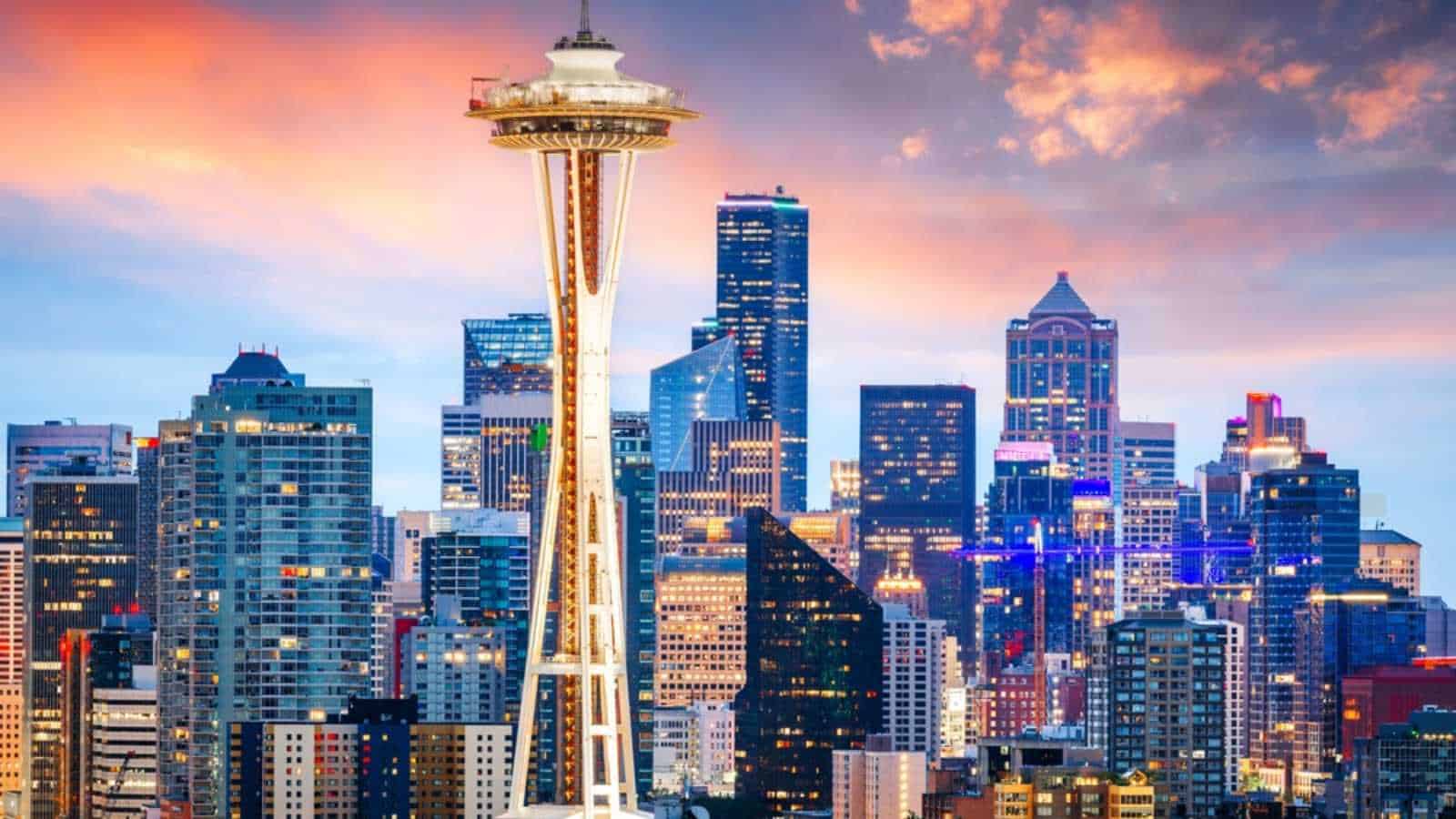
The Pacific Northwest has always been the kind of place that makes people stop and stare. With towering mountains, endless forests, and rivers winding through breathtaking landscapes, Washington already has plenty going for it. But there is another reason the state stands out: many residents are confident about the water flowing from their kitchen faucets.
Washington’s water story is not just about lucky geography. According to CNBC, the state has also taken steps to protect its drinking water supplies, including launching a program focused on reducing per- and polyfluoroalkyl substances (PFAS), often called “forever chemicals” because they can stick around in the environment for a long time.
Sure, having mountain snowpack, rivers, and reservoirs nearby gives Washington a natural advantage. But let’s be honest, a pretty river does not magically turn into perfect drinking water. Before it reaches your glass, that water still needs careful treatment, regular testing, and a reliable network of pipes and facilities.
New York
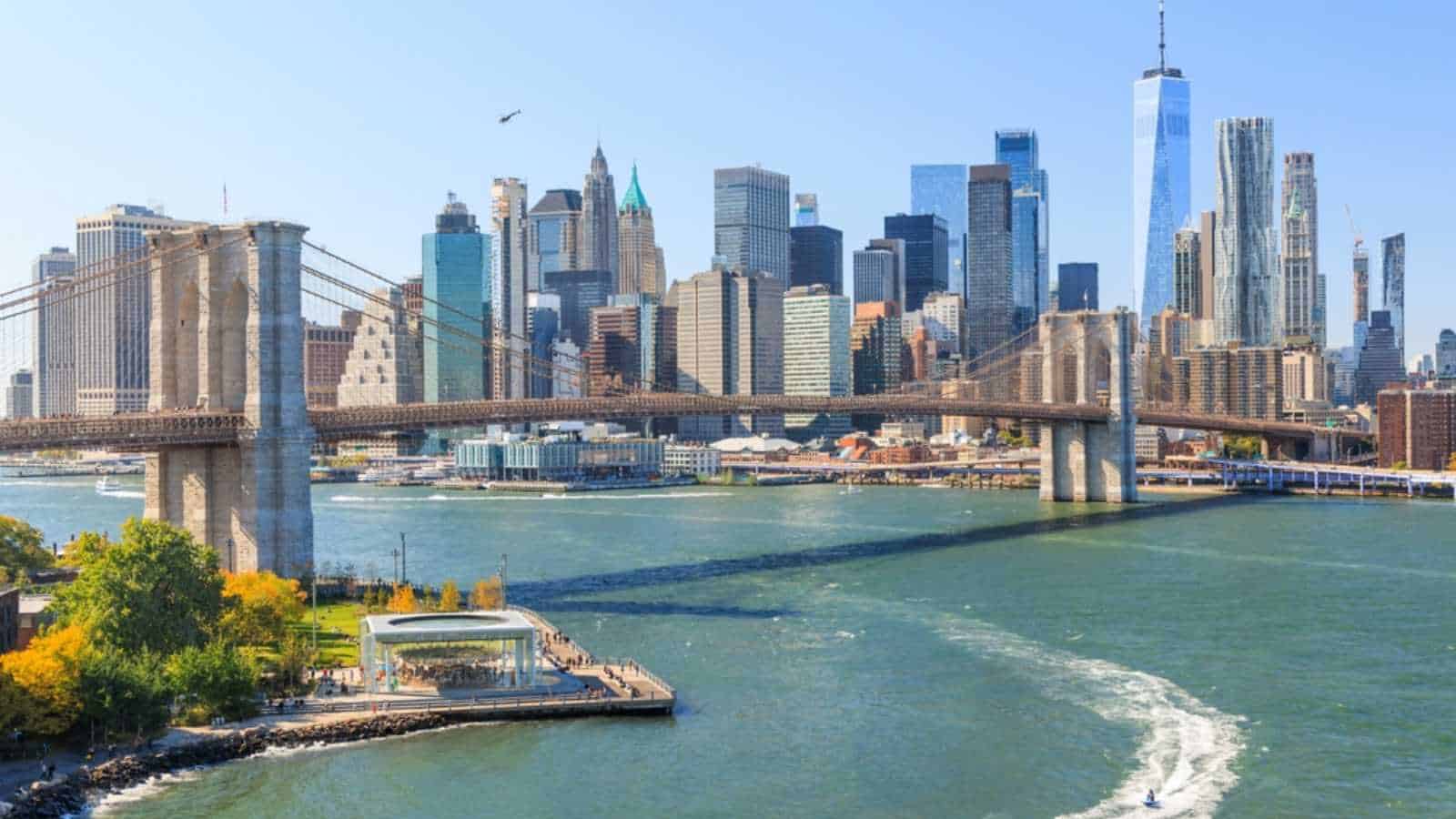
Millions of visitors think about New York’s bright lights, busy streets, and famous landmarks. Few people immediately think about its water system.
That may be changing.
Behind the energy of America’s largest city and the state’s many communities sits a water network that residents rate highly. The New York City Water Supply System provides one billion gallons of safe drinking water to New York City’s 8.5 million residents every day.
The state benefits from carefully managed reservoirs and established utility systems. New York City’s water supply, in particular, travels through an extensive network designed to serve millions of people every day.
Keeping water reliable for such a massive population is no small task. A state can handle crowded sidewalks and subway delays, but its residents still expect one thing to work perfectly: the kitchen faucet.
Oregon
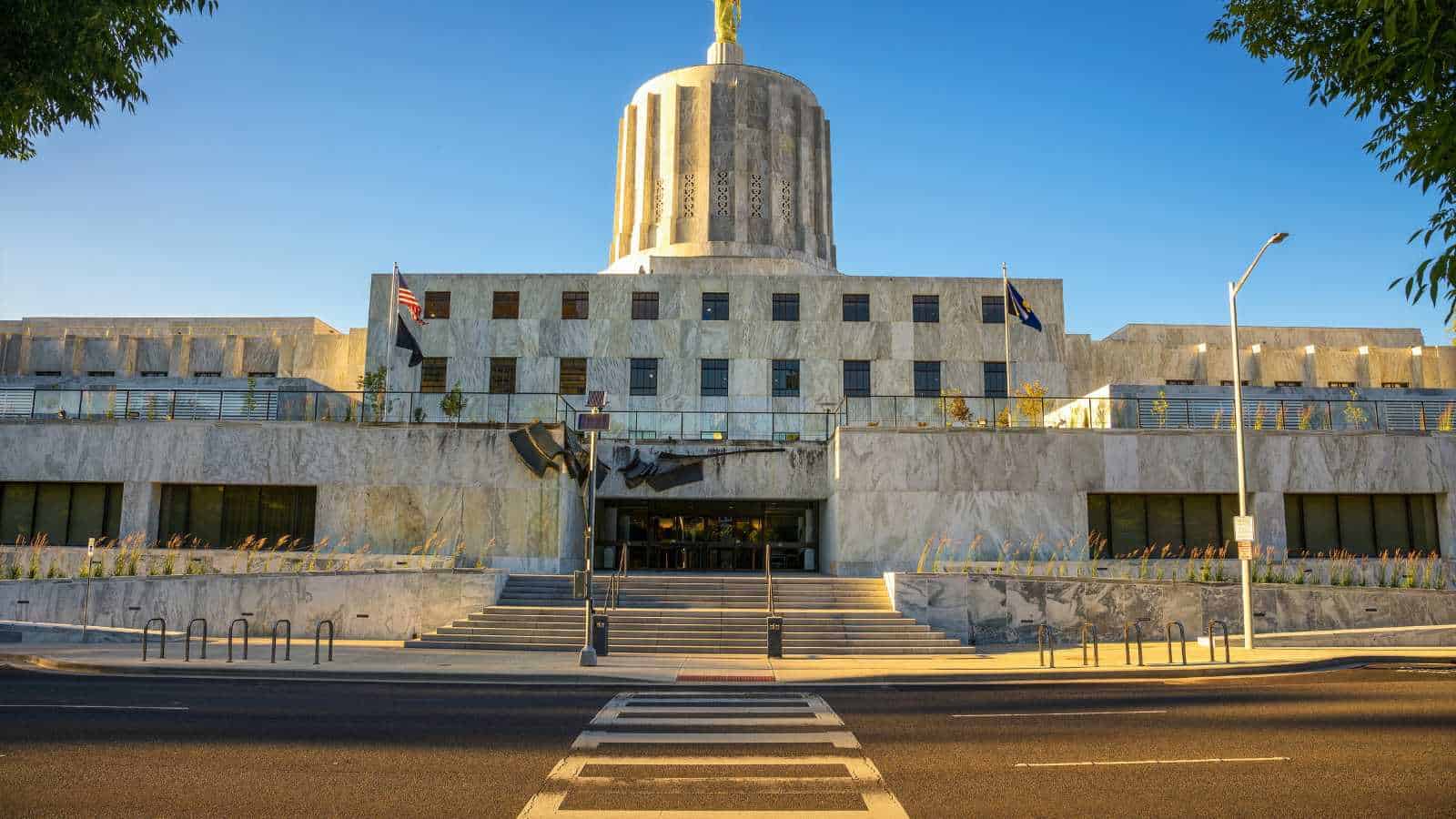
Few places inspire conversations about nature like Oregon. The state’s forests, rivers, and mountains create an environment where water feels like part of the landscape.
That connection helps explain why residents report strong satisfaction with their drinking water. However, the state’s success does not happen automatically because of its scenery. Water providers must protect sources, maintain equipment, and prepare for environmental changes.
The lesson here is simple: beautiful surroundings help, but smart management makes the difference.
Kansas

When people imagine America’s best tap water, Kansas may not be the first place that comes to mind.
That is exactly what makes its performance interesting.
The state earned 795 points, showing that excellent water service does not belong only to coastal states or mountain regions.
Kansas faces unique challenges involving agriculture, climate conditions, and changing water demands. Strong planning and responsible management help utilities maintain dependable service.
Sometimes the quiet performers deserve the loudest applause.
Massachusetts

From charming coastal towns to fast-growing cities, Massachusetts has managed to blend its historic character with modern water systems that serve millions of residents every day.
Behind the scenes, many communities depend on carefully managed reservoirs, advanced treatment facilities, and dedicated utility teams working to keep water quality consistent. The goal is simple: make sure residents can turn on the faucet and trust what comes out.
Quality tap water does not happen by accident. It requires regular maintenance, infrastructure improvements, and constant monitoring- the kind of behind-the-scenes work most people never notice until something goes wrong.
Minnesota
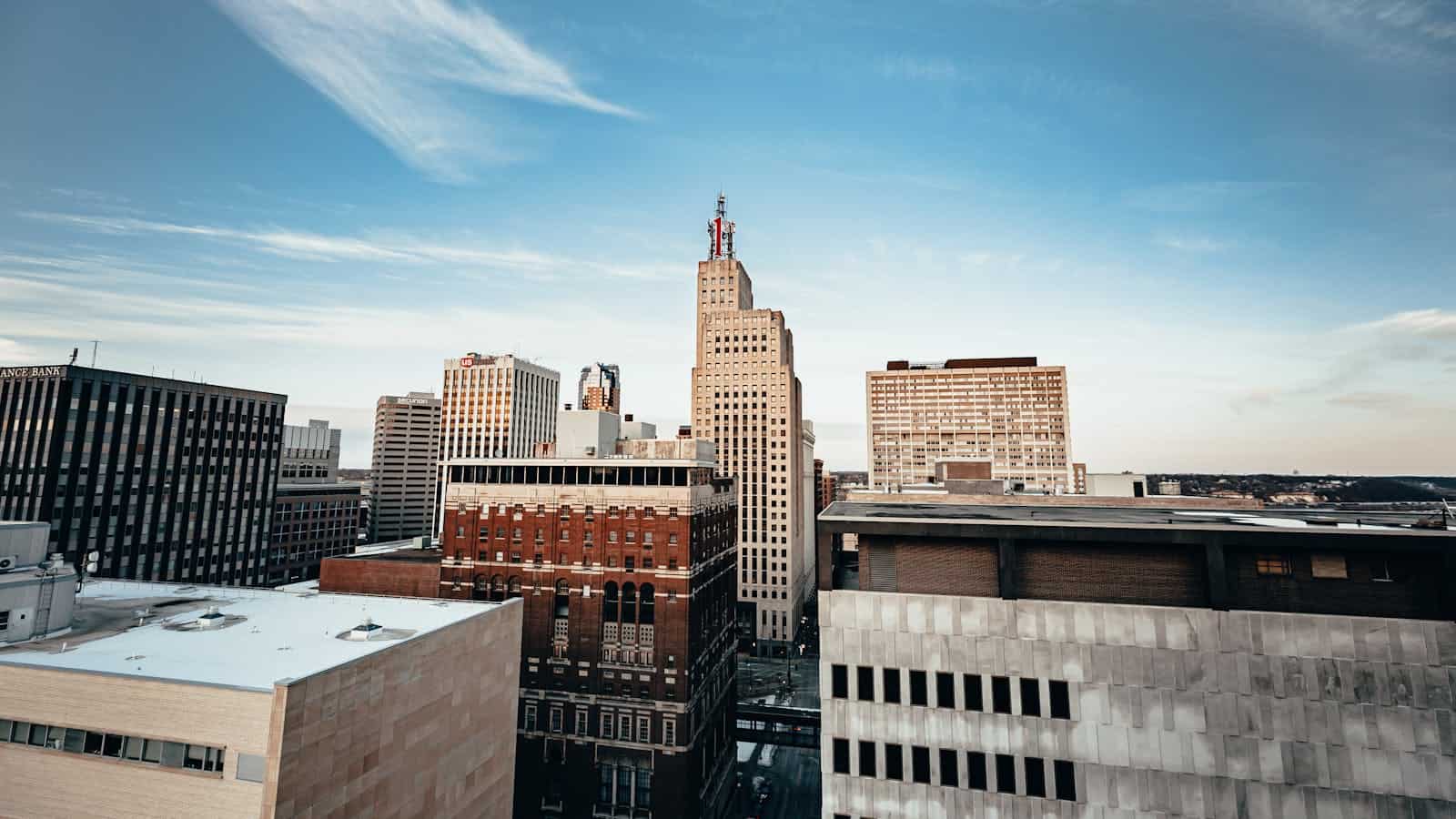
With thousands of lakes spread across the state, Minnesota has one of the richest freshwater landscapes in America.
What makes Minnesota interesting is how seriously it takes protecting the natural resources. The state and local communities work to preserve wetlands, peatlands, lakes, and groundwater areas that play an important role in maintaining healthy water supplies. At the same time, water providers rely on careful testing, treatment systems, and monitoring to make sure those resources become dependable drinking water.
Minnesota’s approach goes beyond simply using its lakes and rivers. Protecting the environment around those water sources helps reduce future problems and supports stronger water systems for generations to come.
The state’s water story proves an important point: having abundant natural resources is only the beginning. The real difference comes from how well communities protect, manage, and prepare those resources for the future.
Connecticut
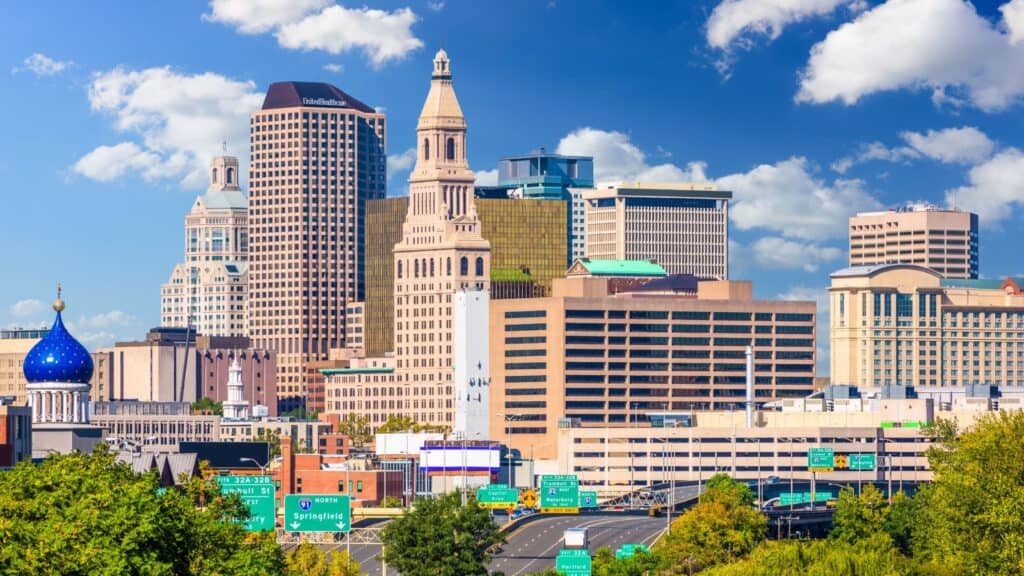
Despite its smaller size, Connecticut has quietly built a strong reputation for dependable tap water. From suburban neighborhoods to historic towns, communities across the state rely on water systems designed to keep daily life running smoothly.
A big part of that success comes from consistency. Residents want to know that the water they use for morning coffee, cooking, and drinking will taste reliable and meet their expectations every day.
Creating that kind of trust does not happen overnight. It takes careful planning, regular maintenance, and water providers that understand the importance of keeping a dependable supply flowing.
Virginia
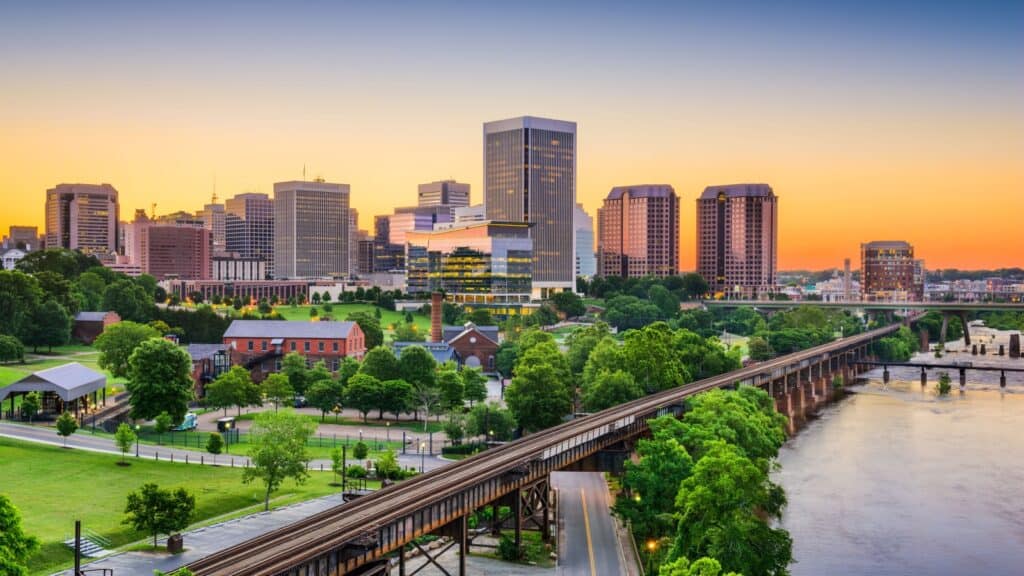
Virginia’s water story stretches from quiet historic towns to fast-growing cities where demand continues to rise. Keeping water quality consistent across such different communities requires more than just reliable pipes; it takes careful planning, modern treatment methods, and long-term investment.
The state has focused on protecting its water sources through programs that monitor rivers, lakes, and groundwater while encouraging utilities to maintain strong treatment and testing practices. Virginia also works to reduce pollution risks and improve infrastructure so communities can continue receiving dependable drinking water.
Much of the work happens quietly behind the scenes. Water providers regularly test supplies, upgrade systems, and respond to changing environmental challenges to help keep water safe and reliable.
Hawaii
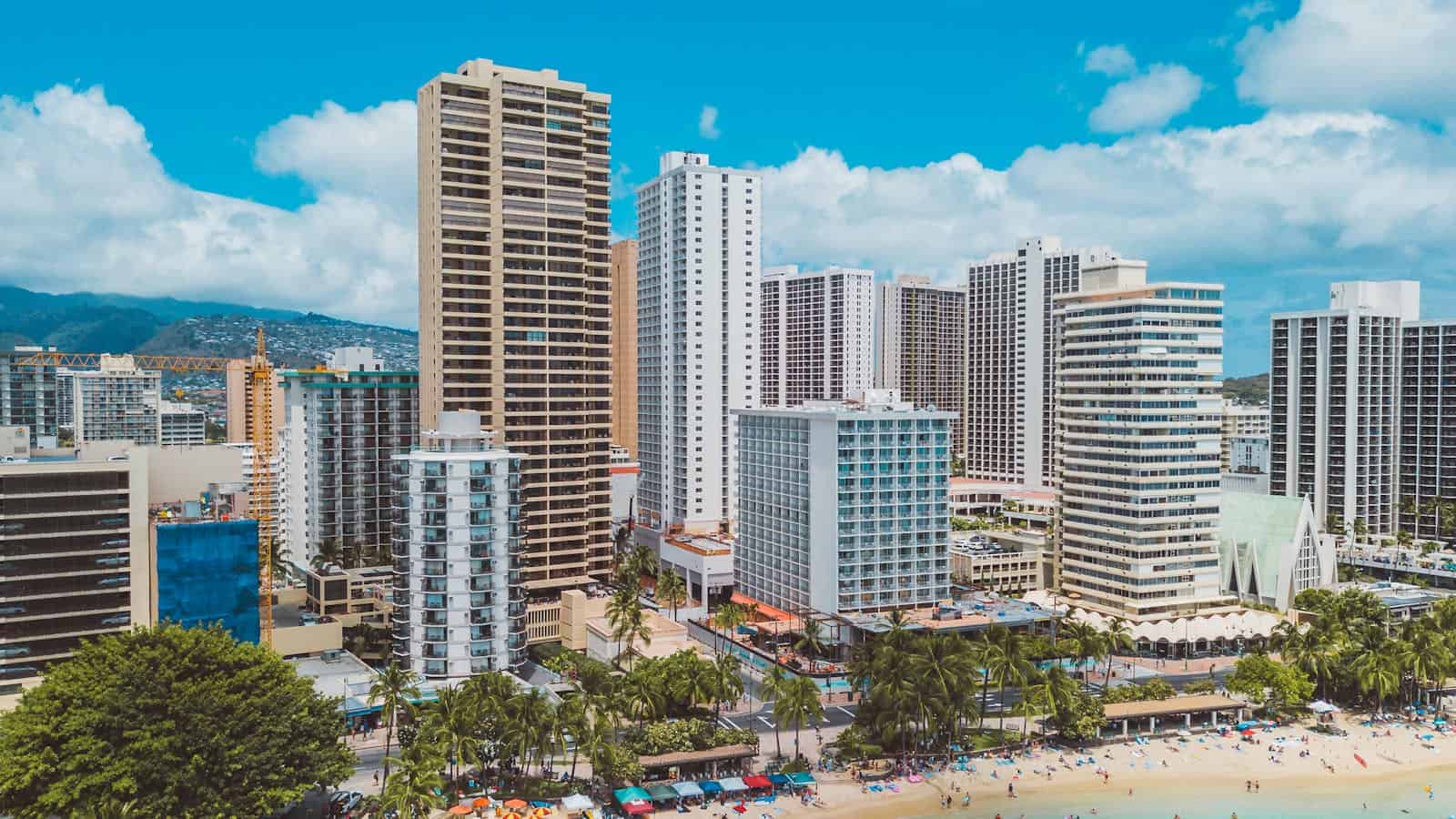
Hawaii is famous for its turquoise beaches, volcanic landscapes, and breathtaking natural scenery. In fact, U.S. News & World Report ranked Hawaii as the No. 1 state for natural environment, highlighting the state’s exceptional air quality, landscapes, and environmental conditions.
That same connection to nature plays an important role in Hawaii’s water system. Much of the state’s drinking water comes from underground aquifers, which collect and store water beneath the islands. Protecting these underground supplies is crucial because they provide a major source of clean water for residents.
The result is a unique water story where nature and careful management work together. In Hawaii, protecting the environment is not just about preserving beautiful scenery; it is also about protecting the water people depend on every day.
Indiana
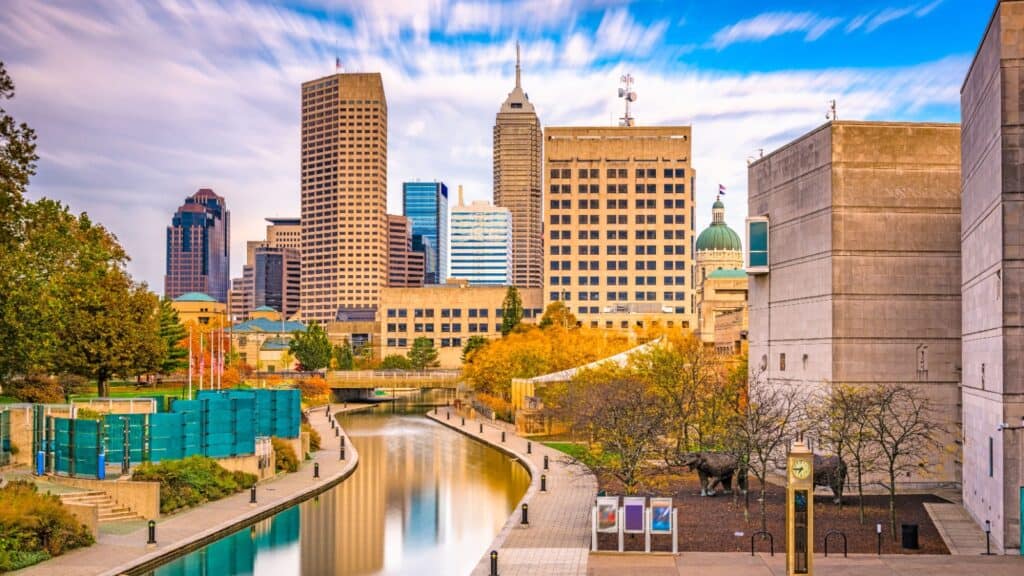
Indiana may not always be the first state people mention when they talk about outstanding tap water, but it has quietly built a reputation for dependable water service.
The state’s water management stands out because of its diversity. Communities near Lake Michigan rely on one of the world’s largest freshwater lakes, while many other areas depend on underground aquifers. Protecting these supplies requires regular testing, modern treatment systems, and careful resource management.
Sometimes the best water systems are not the ones that make the most noise. They are the ones quietly doing their job every day, delivering water residents can trust straight from the faucet.
Arizona
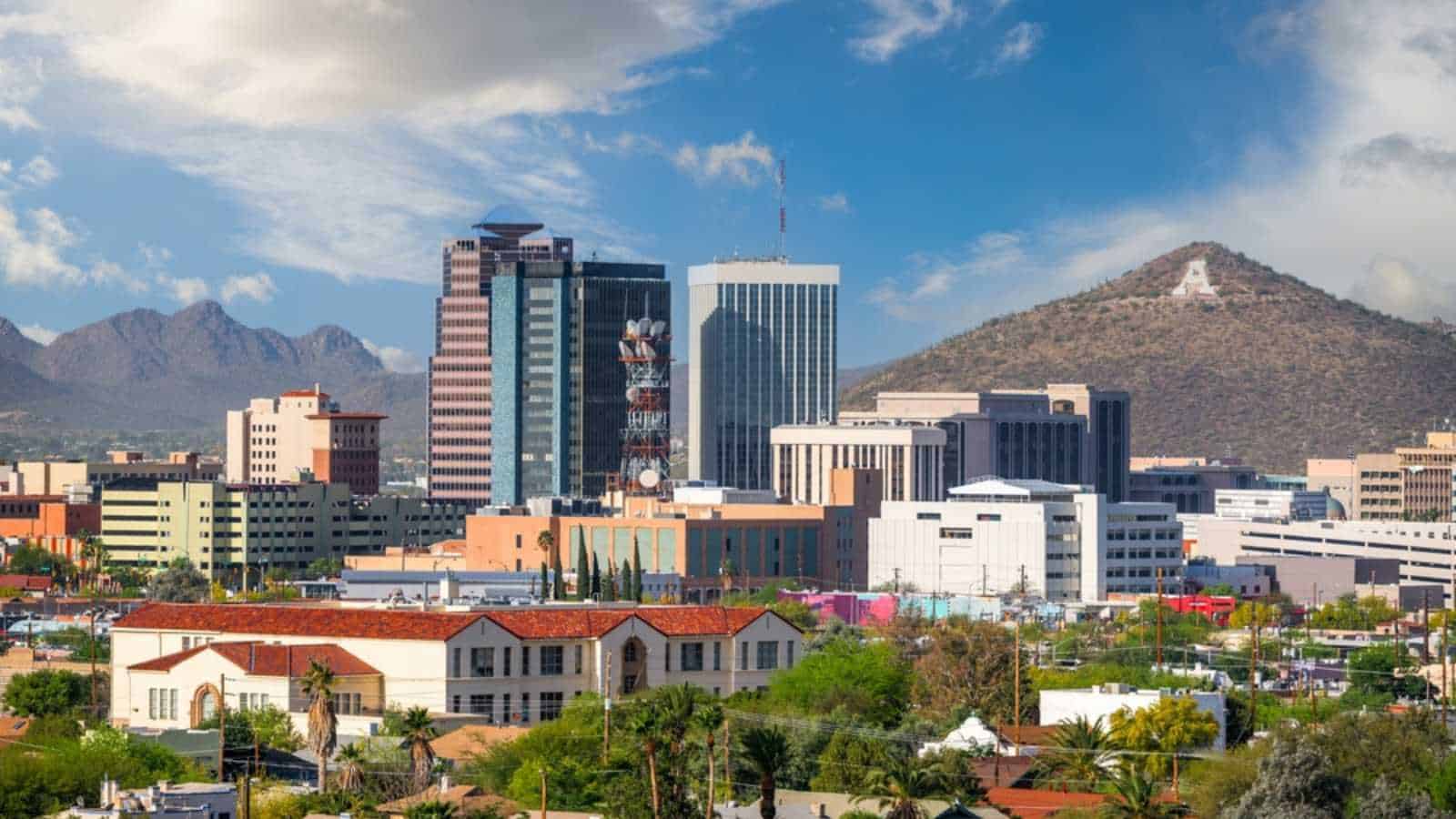
Arizona faces a water challenge unlike many states on this list. With scorching summers, limited rainfall, long-term drought concerns, and a rapidly growing population, maintaining a reliable water supply requires careful planning and innovation. The state uses a combination of groundwater, rivers, reservoirs, and advanced treatment systems to support millions of residents.
Water providers continue investing in conservation programs, infrastructure upgrades, and resource management strategies to protect future supplies. These efforts help communities maintain dependable drinking water even in one of the driest regions in the country.
Arizona’s place on the list proves that great tap water is not only found where water is plentiful. It is also created through smart planning, strong systems, and a commitment to protecting every drop.
Key Takeaways

The states with the best tap water quality in America show that great drinking water depends on more than natural resources. While places like Washington, Minnesota, and Hawaii benefit from impressive water sources, their success also comes from careful protection, treatment, and management. A clean river or a large lake is only the beginning; strong systems turn those resources into reliable water people can trust.
The rankings also show that every state faces its own water challenges. Arizona must manage extreme heat and drought, Indiana balances agriculture and growing communities, and Hawaii protects limited island water supplies. These examples prove that dependable tap water is not just about having plenty of water; it is about how effectively communities plan, invest, and adapt.
At the end of the day, the best water systems are the ones that work quietly in the background. From upgraded infrastructure to regular testing and conservation efforts, these states demonstrate that safe, reliable tap water requires long-term commitment. A simple glass from the faucet represents years of decisions made to protect one of America’s most important resources.
Disclaimer – This list is solely the author’s opinion based on research and publicly available information. It is not intended to be professional advice.
Like our content? Be sure to follow us