12 tips for introducing a new pet to your home
Welcoming a new pet into your home can transform your household overnight—if you know how to do it right.
Bringing a new animal companion into your life creates feelings of excitement and anticipation that ripple through the entire household for weeks. You might spend hours daydreaming about long walks in the park or cozy evenings curled up on the couch together. However, the reality of adding a furry friend to your family requires careful planning to prevent stress for everyone involved.
Real preparation involves more than just buying a cute bed or picking out the perfect squeaky toy for your new arrival. Experts agree that the first few days set the tone for your future relationship, making early decisions critical for long-term success. Taking the time to set up your space and schedule can turn a potentially chaotic transition into a smooth and joyful experience.
Create A Safe Sanctuary Room

Set up a quiet, enclosed space where your new pet can decompress away from the noise and activity of the rest of the house. This dedicated zone gives them a secure retreat where they can eat, sleep, and use the bathroom without feeling threatened. It acts as a necessary buffer zone that helps them adjust to the strange sights and sounds of their new environment at their own pace.
Keep this area off-limits to other pets and children during the first few days to prevent overwhelming the newcomer. Providing a hideout allows them to observe the household from a distance until they feel brave enough to explore. You can gradually leave the door open for short periods once they start showing signs of curiosity and confidence.
Swap Scents Before The Meeting

Animals rely heavily on their sense of smell to understand the world and identify potential friends or foes before they even see them. You can facilitate a smoother introduction by exchanging bedding or rubbing a cloth on each animal to swap their unique scents. Place the scent-infused item near their food bowls so they associate the new smell with something positive and rewarding, like dinner.
This technique helps reduce territorial aggression by making the stranger’s scent feel familiar before a face-to-face encounter occurs. It essentially serves as a polite handshake that happens comfortably through a closed door rather than a high-pressure confrontation. Repeat this process for several days until both animals show no signs of anxiety or agitation when sniffing the swapped items.
Burn Off Excess Energy First

A tired dog is generally a calm dog, which is exactly what you want during a high-stakes first introduction. Take your resident dog for a long walk or engage in a vigorous game of fetch to drain their energy reserves before bringing the new pet home. This simple step significantly lowers the chances of hyperactive greetings that could easily scare a nervous newcomer.
Pent-up energy often manifests as anxiety or aggression, so physical activity acts as a natural reset button for their emotional state. A weary pup is less likely to jump all over a new guest and more likely to offer a polite sniff. Lowering the energy level in the room sets a relaxed atmosphere that encourages a peaceful first interaction.
Use Barriers Like Baby Gates

Physical barriers allow pets to see and smell each other without the immediate risk of a physical altercation or chase. Installing a sturdy baby gate in a doorway creates a safe boundary that lets them get curious without feeling trapped. This visual introduction is a crucial middle step between scent swapping and full physical contact.
Keep the interactions short and positive, offering treats to both animals for staying calm near the gate. If either pet shows signs of aggression, you can easily close the door or move them away without having to break up a fight. You should only remove the gate when both parties seem relaxed and indifferent to each other’s presence.
Meet On Neutral Ground
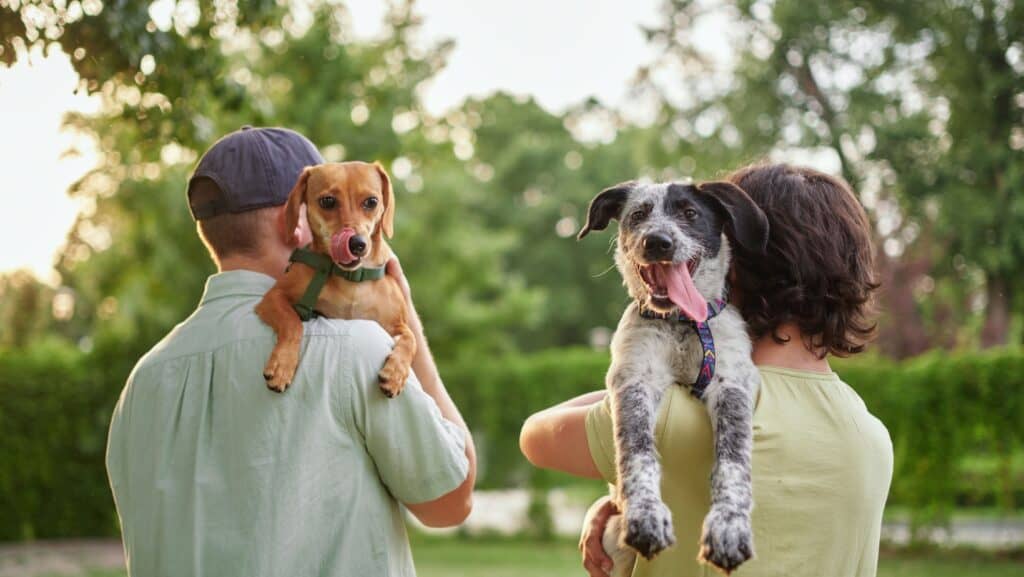
Dogs are naturally territorial, so bringing a strange dog directly into your home if you already have a dog or dogs can trigger defensive behaviors immediately. Arrange for the first meeting to happen in a neutral location like a quiet park or a neighbor’s yard where neither dog feels the need to guard resources. This levels the playing field and allows them to focus on social cues rather than property defense.
Keep both dogs on loose leashes and allow them to walk parallel to each other at a safe distance. Walking side-by-side helps them bond as a pack, moving in the same direction rather than staring each other down. Gradually decrease the distance between them as they become comfortable, rewarding them for ignoring each other.
Supervise Interactions With Children

Children often struggle to read animal body language, which can lead to dangerous situations if an adult is not actively watching. The American Veterinary Medical Association reports that 4.5 million people are bitten by dogs annually, with children being the most common victims. You must teach your kids to respect the pet’s space and never disturb them while they are eating or sleeping.
Never leave a new pet alone with a child, no matter how friendly the animal seems during the initial meeting. Active supervision means you are within arm’s reach and paying full attention to the interaction, not looking at your phone. Guiding your child’s hand for a gentle pet teaches them the right way to interact and builds mutual trust.
Stick To A Predictable Routine

Animals thrive on consistency because knowing what to expect next reduces their overall anxiety and stress levels. Feeding, walking, and playing at the same time every day helps your new companion feel secure and settled in their new life. A structured schedule acts as a comforting roadmap for a pet who has just had their entire world turned upside down.
Sudden changes in daily habits can cause behavioral regression or accidents in the house as the pet tries to cope. Sticking to a plan shows your pet that you are a reliable leader who provides for their needs. This stability allows their true personality to shine through much faster than in a chaotic environment.
Respect The Rule Of Three

Patience is your best tool, as experts often cite the 3-3-3 rule to explain the phases of a rescue pet’s adjustment. It takes three days to decompress, three weeks to learn your routine, and three months to start feeling truly at home. Understanding these milestones helps you manage your expectations and prevents frustration when progress seems slow.
Rushing the process is a common mistake that can set your relationship back by weeks or even months. Giving your new family member the time they need to adjust proves that you respect their boundaries and emotional state. A 2024 report by Best Friends Animal Society notes that if just 6% more people chose to adopt, we could end shelter killing, highlighting the value of patience with rescues.
Monitor Body Language Closely

Your pet is constantly communicating with you through subtle signals that can predict their next move. Watch for stiff postures, pinned ears, or a tucked tail, which are clear indicators that the animal is feeling fearful or aggressive. Responding to these early warning signs allows you to intervene before a situation escalates into a growl or a snap.
Learning to speak “dog” or “cat” can prevent misunderstandings that damage the bond you are trying to build. A wagging tail does not always mean a dog is happy; it can also signal high arousal or agitation, depending on the height and speed. Paying attention to these silent cues keeps everyone safe and helps you advocate for your pet’s comfort.
Give Equal Attention To Residents

Jealousy is a very real emotion in pets and can lead to fights if your resident animal feels they are being replaced. Make a conscious effort to spend quality one-on-one time with your existing pets so they don’t associate the newcomer with a loss of affection. This reassurance helps maintain the peace and prevents resource guarding over your attention.
The adoption landscape is shifting, with APPA’s 2025 report showing that 70% of Gen Z pet owners now have two or more animals. Managing a multi-pet household requires balancing the needs of all your furry family members to ensure harmony. Greeting your resident dog first when you come home is a small gesture that goes a long way.
Budget For The Transition

Adding a family member always comes with financial responsibilities that go beyond the adoption fee. Analysis 403 from Insurify in 2024 shows the average U.S. dog owner spends between $1,200 and $4,300 per year on their canine companion. You should be financially prepared for initial vet visits, vaccinations, and unexpected supplies that you didn’t realize you needed.
Financial stress can negatively impact your patience and the overall vibe in the household during the adjustment period. Having a dedicated pet emergency fund helps you handle surprise medical issues without panic. Being prepared for the costs allows you to focus on bonding rather than worrying about the bank account.
Focus On Mental Health Benefits
The challenges of the first few weeks are temporary, but the rewards of pet ownership are scientifically proven and long-lasting. A 2024 poll by the American Psychiatric Association found that 84% of pet owners said their pets have a mostly positive impact on their mental health. Remembering this can help you push through the difficult moments of potty training or chewed shoes.
Focusing on the love and companionship you will eventually share helps keep your perspective balanced during the rough patches. The bond you are building now will eventually become a major source of comfort and joy in your daily life. A little hard work upfront pays off in years of unconditional love and loyalty.
Like our content? Be sure to follow us.