10 things the Bible actually says about alcohol and drinking
Whether you’re skipping drinks this month or savoring a glass with dinner, the Bible’s take on alcohol is probably more reasonable than you expect.
Alcohol is a topic that stirs up plenty of strong opinions and lively debates in families and churches across America. Whether you are participating in “Dry January” or just enjoy a glass of merlot with dinner, it helps to look at the actual text rather than relying on hearsay. The Bible offers a surprisingly balanced perspective that avoids the extremes of total prohibition or reckless indulgence. It treats wine as a natural part of life while simultaneously issuing stern warnings against the dangers of excess.
Many people assume scripture is entirely against drinking, but the reality is much more practical and grounded in human nature. With cultural trends shifting, recent polls show Americans are rethinking their relationship with booze more than ever before. This list breaks down exactly what the Good Book says so you can understand the spiritual guidance behind the bottle.
Wine Is Often Presented As A Gift From God

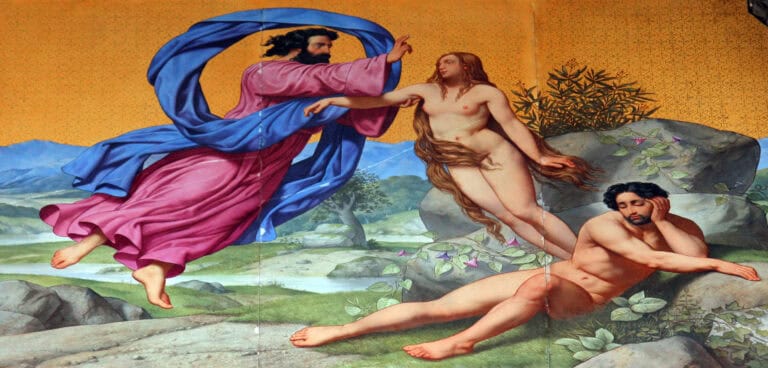
Many people are shocked to learn that scripture frequently lists wine alongside grain and oil as a sign of divine blessing and harvest provision. It was a staple of the ancient diet and a symbol of joy that was expected to be present at feasts and community gatherings. Psalm 104 specifically praises God for giving wine that gladdens the human heart, suggesting it was meant for enjoyment.
This positive view of alcohol stands in stark contrast to the modern idea that all drinking is inherently sinful or disappointing to the divine. The text suggests that the substance itself isn’t the problem, but rather how we choose to use it in our daily lives. According to a Gallup poll, 53% of Americans now believe drinking is detrimental to health, yet the biblical view was more about gratitude than avoidance.
Jesus Didn’t Just Drink Wine, He Made The Best Stuff
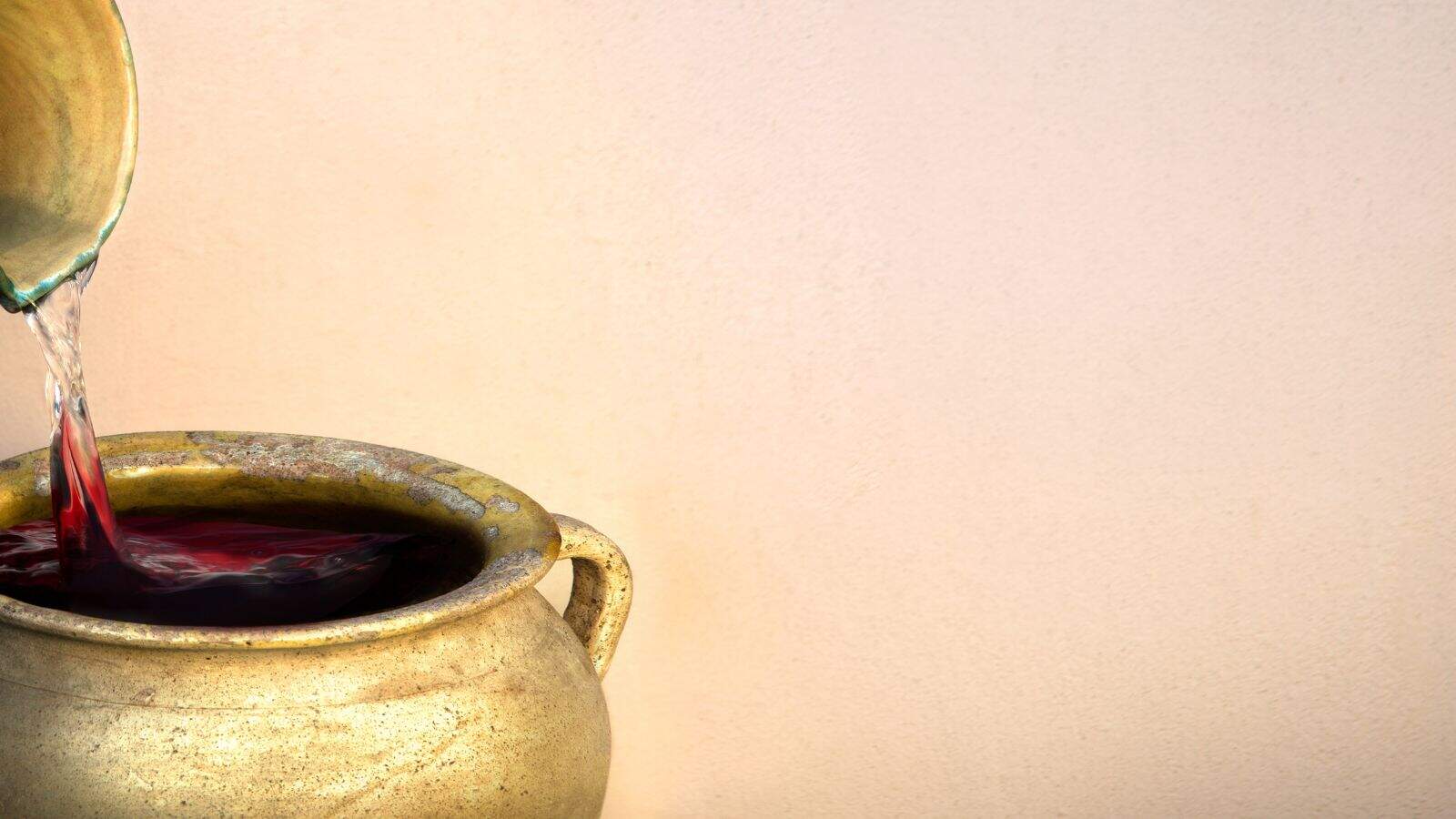
The most famous miracle in the New Testament involves saving a wedding reception from a major social disaster by turning water into premium wine. This wasn’t just a tiny amount for communion; it was gallons upon gallons of high-quality vintage for a party that was already in full swing. Jesus clearly approved of the celebration, showing that festive gatherings were a valid part of life.
Critics sometimes argue he made unfermented grape juice, but the original Greek words and the master of the banquet’s reaction suggest otherwise. The steward was surprised they saved the good stuff for last, implying the guests could tell the difference in quality and potency. Recent data from the NIAAA indicates that 27.9 million Americans struggled with alcohol use disorder in 2024, making the balance between celebration and excess a critical modern discussion.
Getting Drunk Is Definitely Out Of Bounds

While the drink itself might be a blessing, losing control of your senses is consistently described as foolish and dangerous throughout the pages of scripture. The Bible draws a hard line in the sand, distinguishing between enjoying a glass and drinking until you lose your judgment. Ephesians 5:18 commands believers not to get drunk with wine, which leads to debauchery, but to be filled with the Spirit instead.
This distinction is crucial because it shifts the focus from the object to the behavior and the condition of the human heart. It is less about the liquid in the cup and more about who is driving the bus when you have had too many. The CDC reports that excessive alcohol use is responsible for approximately 178,000 deaths in the United States each year, reinforcing the timeless wisdom of this ancient warning.
Religious Leaders Are Held To A Stricter Standard
When outlining the qualifications for those who want to lead or teach, the text gets very specific about their habits and self-control. Leaders aren’t necessarily told to abstain completely, but they are explicitly told not to be “given to much wine” or controlled by it. The expectation is that anyone in a position of influence needs to keep a clear head and set a positive example.
This creates a tiered approach where maturity is measured by discipline rather than just following a simple list of forbidden items. It acknowledges that leaders have a spotlight on them and their choices carry more weight in the community. Paul explains that an elder must be sober-minded and self-controlled, proving that character matters far more than just following rules.
Your Freedom Shouldn’t Trip Someone Else Up

One of the most empathetic teachings is the “stumbling block” principle found in the writings of the apostle Paul. He argues that even if you feel perfectly free to drink, you should willingly give it up if it hurts a friend who is struggling. Love for your neighbor is prioritized over your personal right to enjoy a merlot with your steak dinner.
This social responsibility is a massive theme, asking individuals to read the room and care about the vulnerabilities of the people around them. It changes the question from “am I allowed to do this” to “is this helpful for the people I care about.” With the “Sober Curious” movement growing, Circana found that 24% of Gen Z consumers are opting for non-alcoholic drinks to support their peers and health.
Alcohol Had Medicinal Uses In Biblical Times
Before modern pharmacies and antibiotics, wine was often used as an antiseptic and a digestive aid for common ailments. Paul actually advises his young protege Timothy to stop drinking only water and use a little wine for the sake of his stomach. This advice was practical and health-focused, acknowledging that water quality in the ancient world was often suspect.
It is a fascinating glimpse into the everyday life of the time, where the line between food, medicine, and beverage was quite blurry. They used what they had available to treat illnesses and keep their bodies functioning in a harsh environment. According to the Bureau of Labor Statistics, the average U.S. household spent $643 on alcohol in 2024, though for us it is rarely for the medicinal reasons Timothy had.
The Bible Warns Against Dependence And Addiction

Proverbs is full of punchy one-liners that warn about how alcohol can sneak up on you like a venomous snake if you aren’t careful. It describes wine as a “mocker” and strong drink as a “brawler,” personifying the substance as a chaotic troublemaker. The wisdom literature suggests that anyone who is led astray by it is not wise, highlighting the deceptive nature of addiction.
This isn’t just about breaking a rule; it is about the tragic loss of potential and the poverty that often follows a life of excess. The writers observed that those who loved pleasure and wine too much would not become rich or successful. Proverbs 21:17 reinforces that he who loves wine and oil will not be rich, serving as a practical warning for financial and personal stability.
Total Abstinence Isn’t A Blanket Commandment

You might be surprised to find that there is no single verse that commands every believer to stay dry forever. While there were specific groups like the Nazirites who took temporary vows to abstain, this was a special dedication rather than the norm for everyone. The choice to abstain is often presented as a personal conviction or a specific calling rather than a universal law.
This nuance allows for a wide variety of personal choices within the faith, respecting those who abstain while not condemning those who partake. It leaves room for conscience and personal history to play a role in the decision-making process. Interestingly, 54% of U.S. adults drink alcohol, a statistic that aligns with the historical reality that moderation was more common than total abstinence.
Strong Drink Was Sometimes Used For Those In Misery
There is a rather gritty passage in Proverbs that suggests giving strong drink to those who are perishing or in deep anguish. It acknowledges the numbing effect of alcohol and its ability to help people forget their poverty and trouble for a moment. This isn’t necessarily an endorsement of escapism, but a raw recognition of human suffering and the desperate ways people cope.
It shows a deep understanding of why people turn to the bottle when life gets incredibly hard and painful. The Bible does not pretend that life is easy, nor does it ignore the psychological reasons behind substance use. Proverbs 31:6-7 advises giving strong drink to him who is perishing, showing a strange form of mercy in a time without modern painkillers.
Celebration In The Kingdom Involves Wine

When the Bible talks about the end of history and the ultimate party in heaven, wine is almost always on the menu. Jesus himself promised he would not drink of the fruit of the vine again until he drinks it new in the Kingdom of God. This future hope is pictured as a rich feast with aged wine, symbolizing the ultimate joy and restoration of all things.
This imagery suggests that in a perfect world, the enjoyment of these gifts would be safe, pure, and completely free from the dangers of addiction. It points to a time when celebration will be unhindered by the brokenness we see today. It is a hopeful picture that goes beyond our current debates, looking forward to a time of perfect fellowship.
Like our content? Be sure to follow us