Los Angeles reported progress. Skid Row tells another story.
Skid Row can fool the eye. A cleaner sidewalk or fewer tents might make it seem as though one of America’s most infamous homeless neighborhoods is finally turning a corner.
But that impression doesn’t tell the whole story.
Los Angeles celebrated a second straight citywide decline after its 2025 homeless count. Yet researchers later found that Skid Row was moving in the opposite direction for much of the following year, with its homeless population growing again and more people sleeping outdoors.
That disconnect has kept Skid Row at the center of America’s homelessness debate. Surrounded by downtown wealth, corporate offices, and major public agencies, the neighborhood illustrates a difficult reality: changing what people see isn’t always the same as changing people’s lives.
The tent count misleads
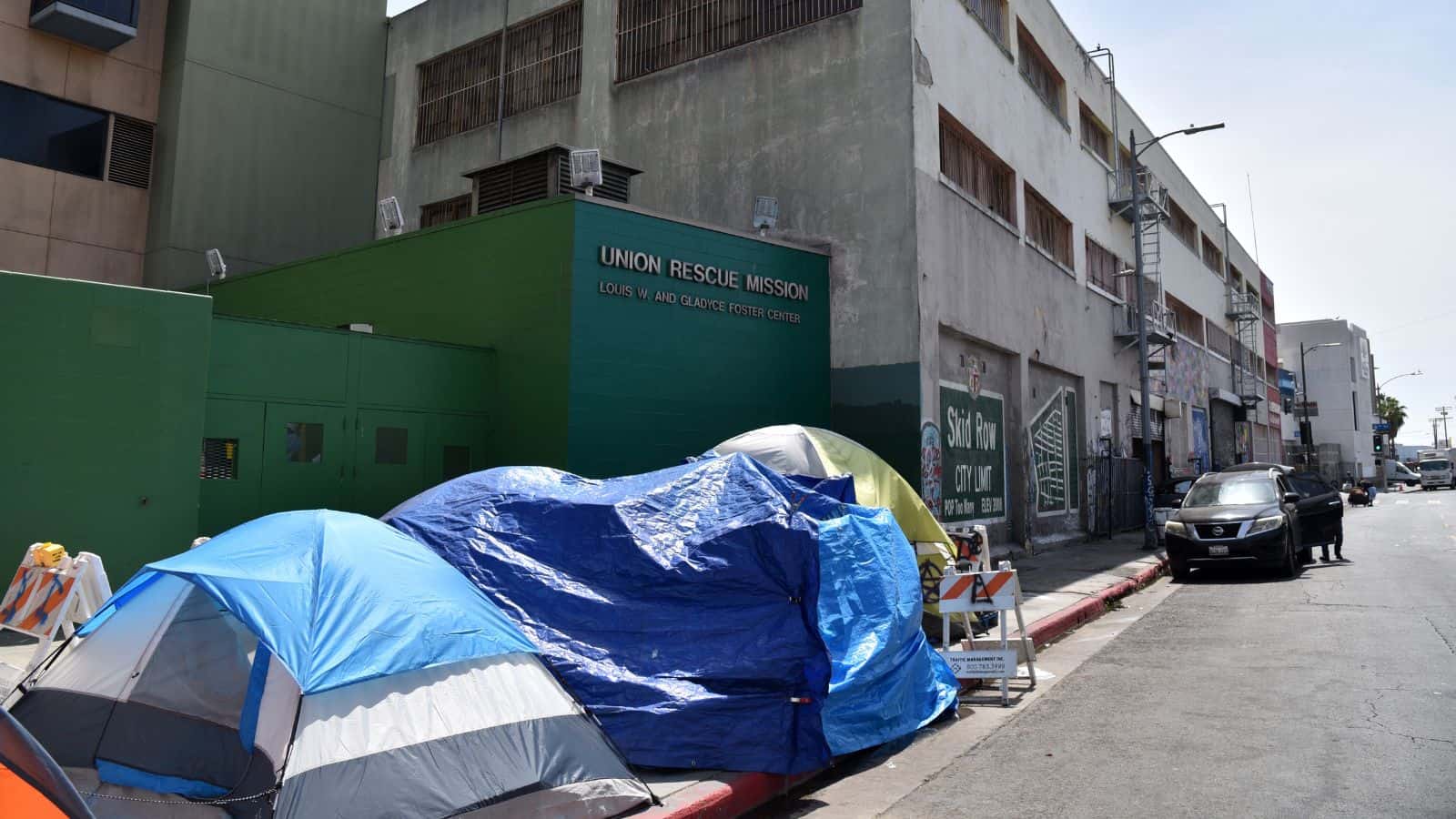
Skid Row can appear calmer after crews remove tents, yet deeper hardship may remain.
A cleared sidewalk never guarantees permanent housing, medical continuity, document recovery, or personal security. It may simply move someone from fragile canvas to exposed concrete, where weather, violence, exhaustion, and isolation become harder to survive.
Cleaner photos can therefore conceal worsening exposure, service disconnection, and relentless personal instability.
Care rarely reaches the curb
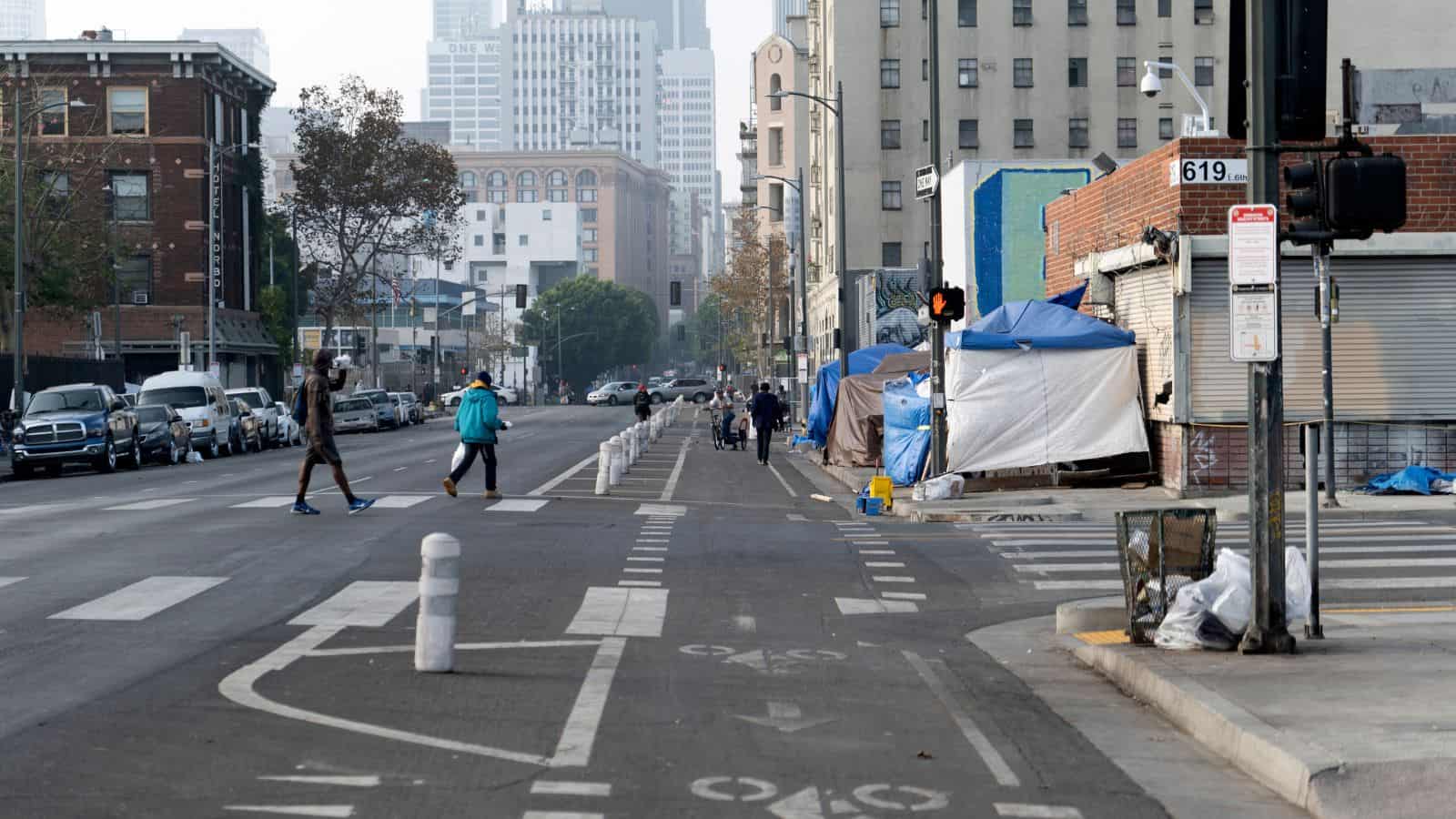
Mental illness influences many street encounters, but it never defines everyone on Skid Row. A March 2026 county motion estimated that 26% of unhoused Los Angeles County residents lived with serious mental illness. Officials said field treatment still lagged behind demand.
Missed appointments often reflect absent phones, transportation, sleep, identification, medication storage, or confidence. Mobile clinicians must return consistently, build relationships, and connect behavioral healthcare directly with permanent housing. Fragmented care can deepen paranoia, confusion, and avoidable hospitalizations.
Addiction thrives on instability

Fentanyl and methamphetamine transform everyday instability into lethal emergencies. Skid Row still concentrates danger within compact downtown blocks, where outreach workers may reverse an overdose and later meet the same person beside the same curb.
Recovery needs rescue, housing, continuity, trust, and time. Falling countywide deaths offer real hope, but every revival should open a doorway toward treatment and stable housing.
Poverty creates paperwork traps
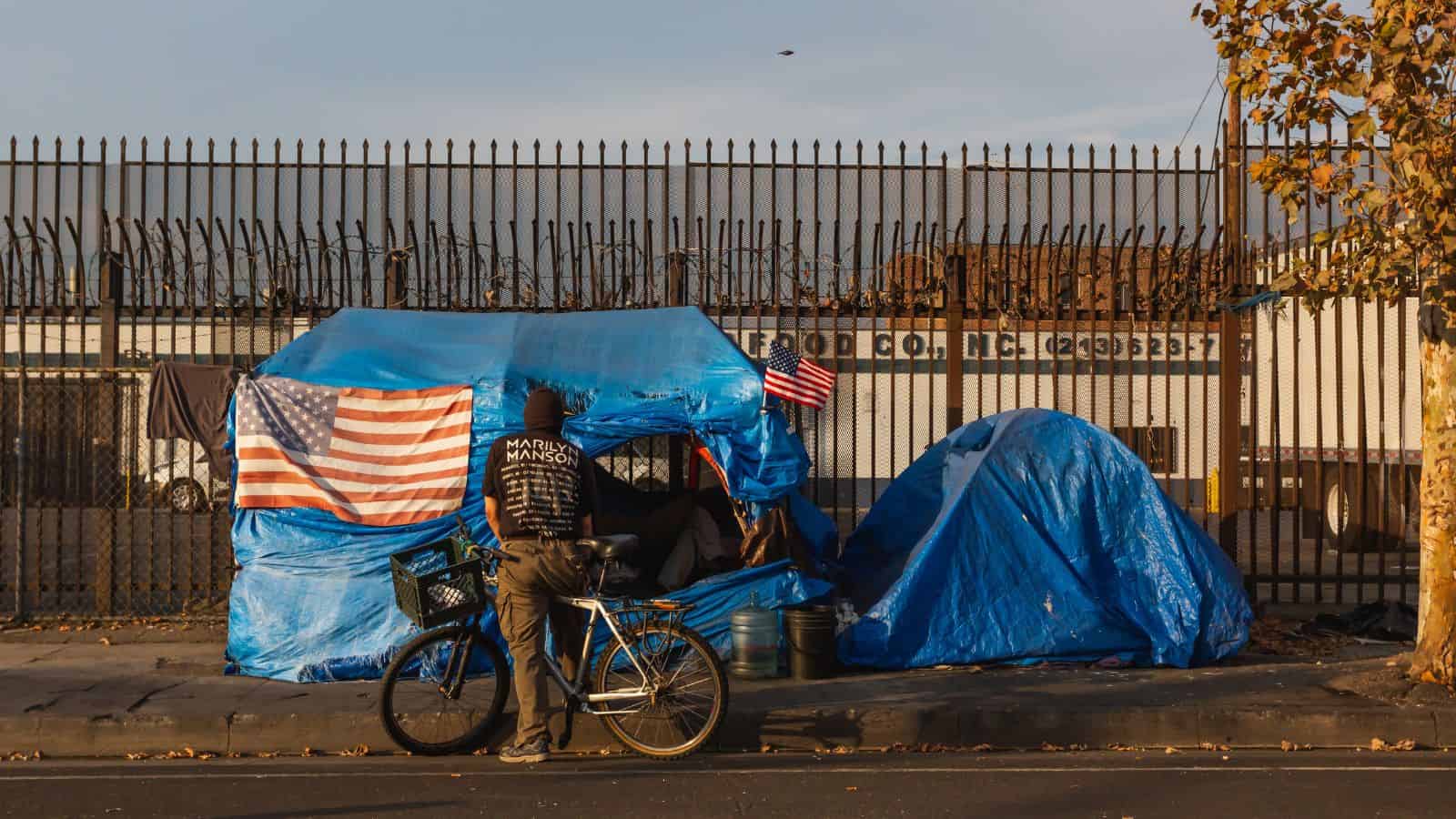
Skid Row poverty rarely begins with one missed paycheck. Job loss, rent debt, illness, family conflict, damaged credit, and expired identification often accumulate together.
RAND researchers described residents with scarce cash, limited employment, missing phones, and absent documents. Every missing item blocks another requirement. Identification enables work, money replaces identification, and an address receives it.
One stolen phone or rejected mailing address can restart a complicated application and defeat determined people before any landlord reviews their name. Bureaucracy can turn hardship into repetition.
Residents absorb the violence
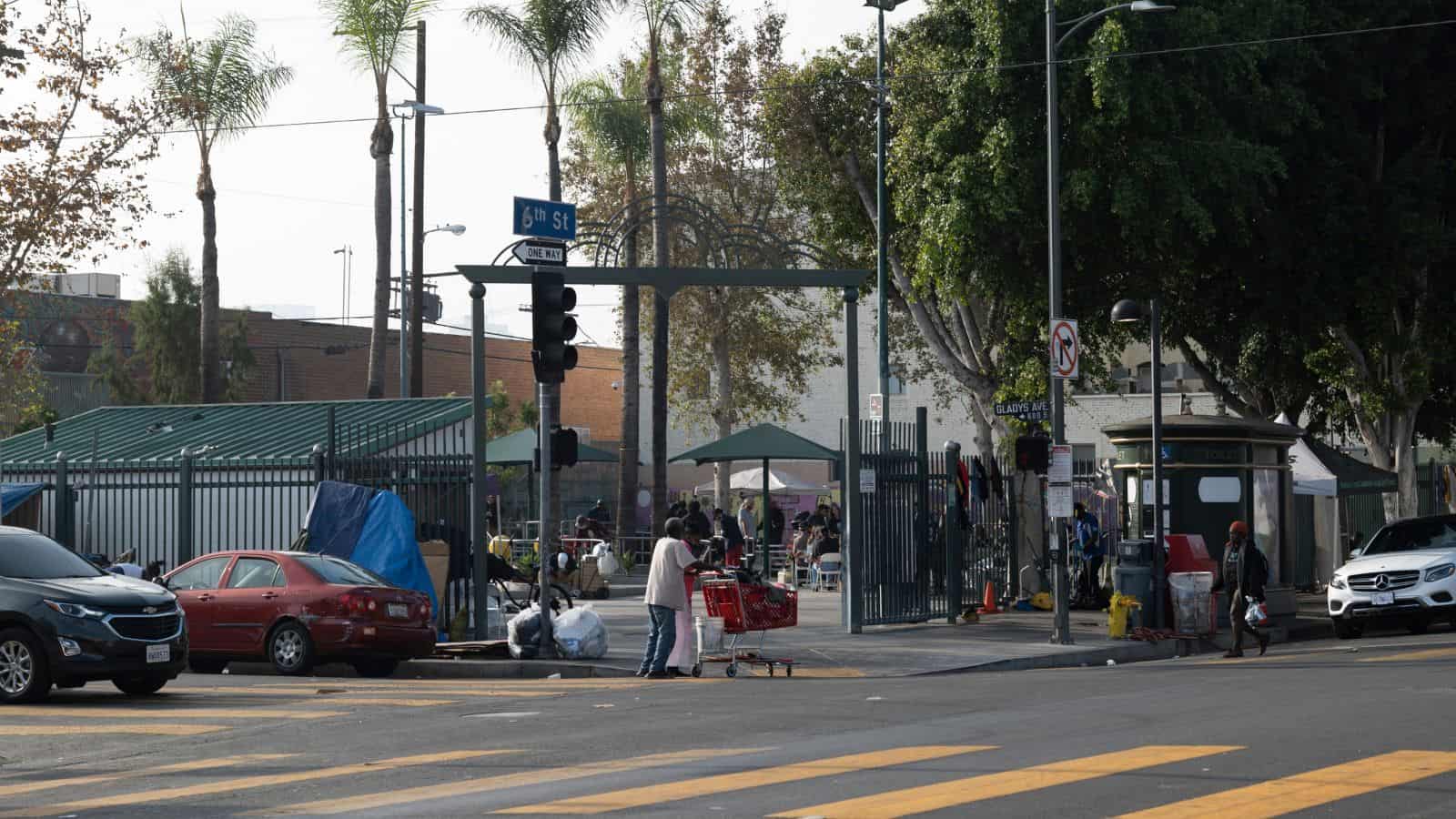
Skid Row residents experience violence as victims more often than distant observers recognize. A July 2026 local analysis found that Skid Row’s 2024 murder rate exceeded the overall Los Angeles rate by more than 17 times.
Tents provide no locked doors against gunfire, assault, theft, coercion, or exploitation. Women face additional exposure to sexual violence and abuse.
Public debate often calls the neighborhood dangerous, but genuine safety requires protecting unhoused lives with equal urgency. Residents need protection, accessible reporting, trauma support, and consequences for predators who target vulnerability.
Shelter access stays complicated
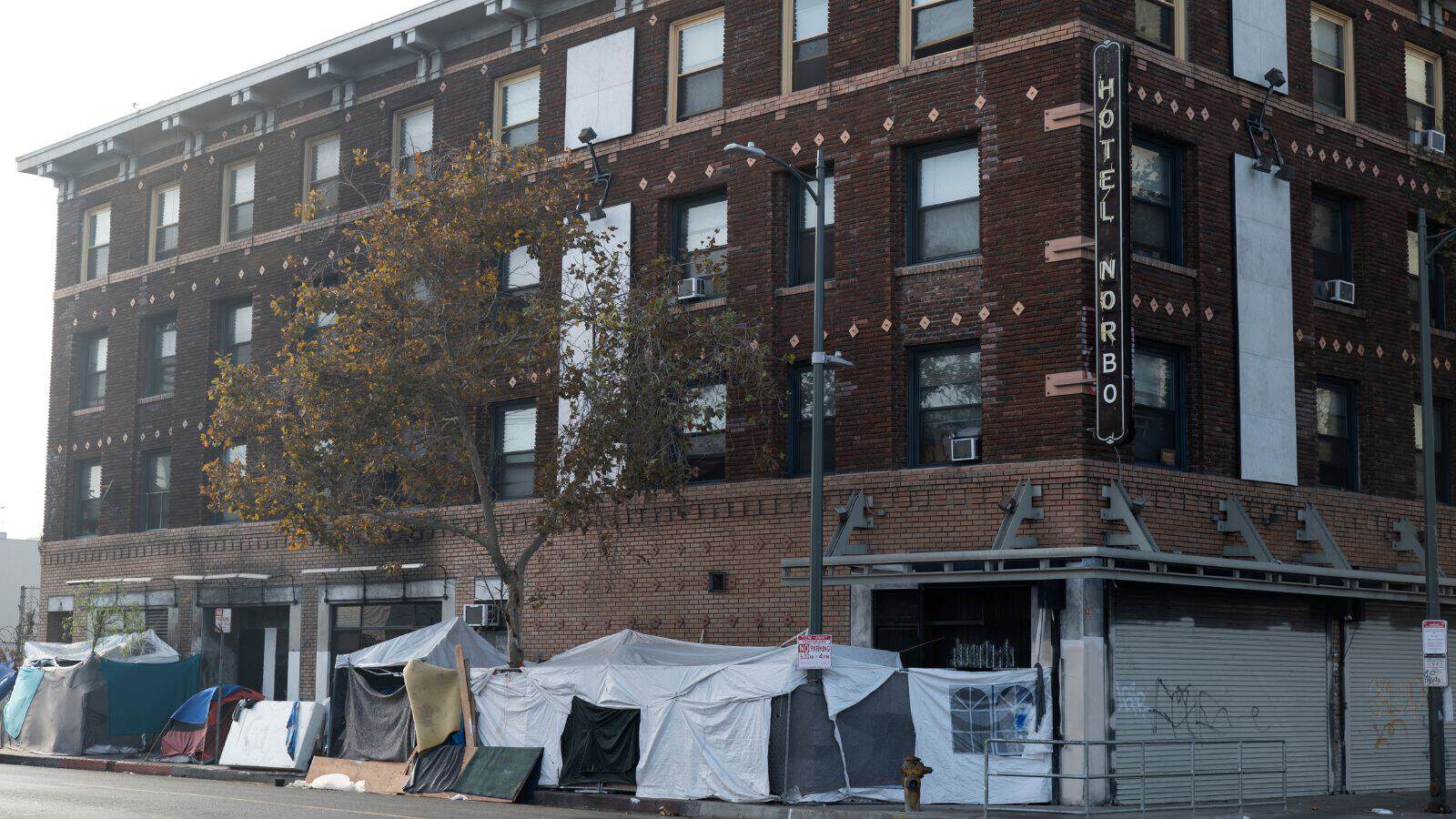
A shelter bed sounds straightforward until somebody tries to use one. The California Housing Partnership reported that Los Angeles County had 37,764 interim beds during 2024. Location, eligibility, disability access, partners, pets, privacy, safety, and transportation can shrink realistic choices.
Temporary rooms may also separate residents from clinics or trusted networks without offering permanent exits. Officials should measure accessible placements, stable stays, and successful housing moves instead of celebrating inventory alone.
Inventory matters less than access, safety, continuity, and a workable path into a permanent home.
Basic hygiene becomes medicine
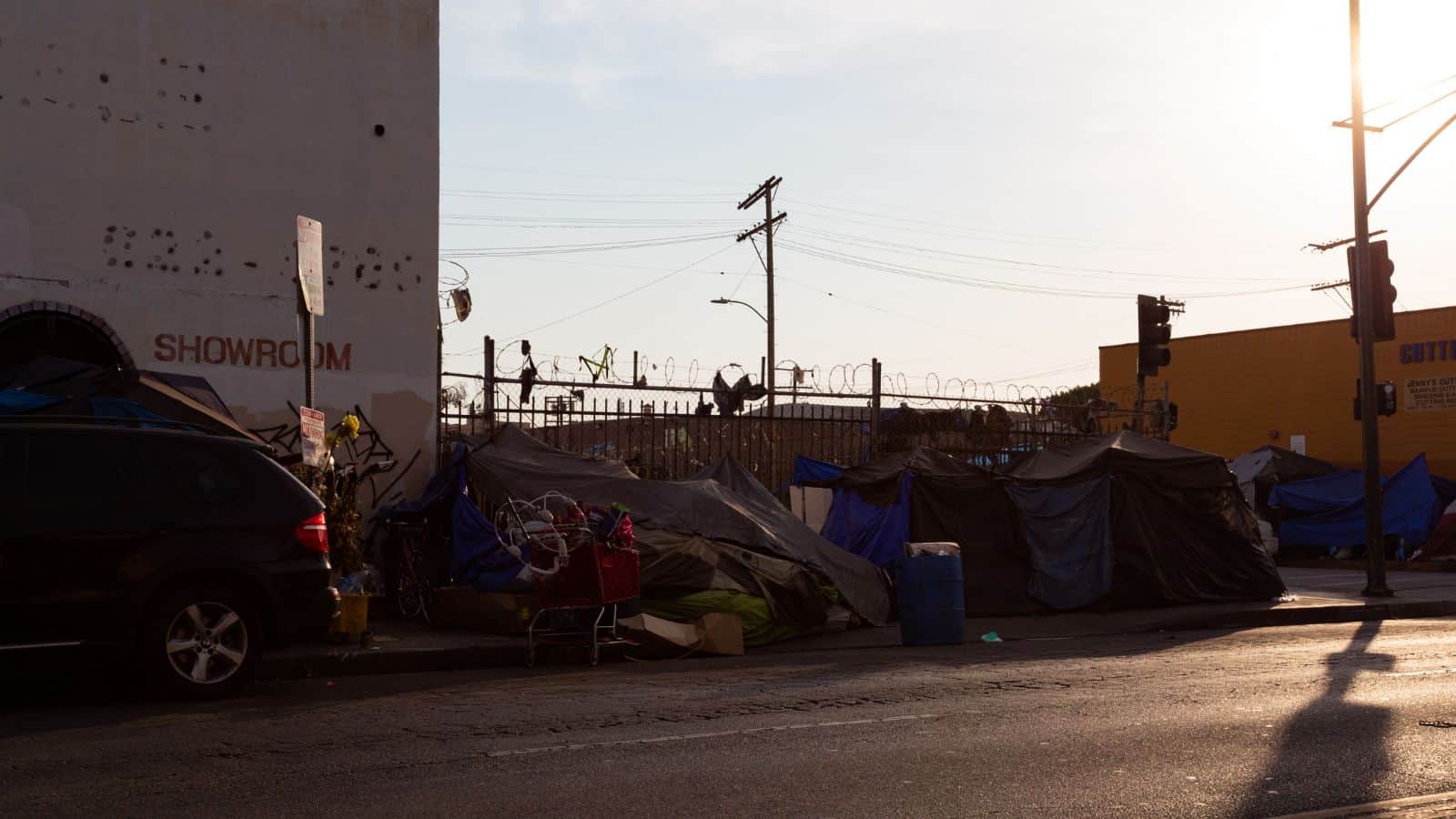
Sidewalk living exposes residents to preventable dangers that housing normally blocks. Los Angeles County officials declared a hepatitis A outbreak in May 2025 after tracking 165 cases since 2024. Limited toilets, handwashing facilities, clean water, refrigeration, and restorative sleep make infection harder to prevent.
Heat, pests, untreated wounds, and polluted air deepen the strain. Reliable bathrooms, vaccination, sanitation, and street medicine protect unhoused residents and strengthen public health throughout downtown Los Angeles. These basics operate as lifesaving infrastructure, not optional neighborhood extras.
Policing can deepen distrust

Police and unhoused residents meet inside a tense mix of safety calls, encampment rules, warrants, and medical emergencies. Los Angeles County promotes care-first responses, yet street encounters can still feel punitive.
Officers also enter crises that civilian clinicians may manage more effectively. Skid Row needs transparent rules, accountable conduct, protected belongings, and strong nonpolice teams before conflict escalates. Trust grows when public action safeguards essential medication, documents, tents, and other survival gear.
Rent blocks the exit
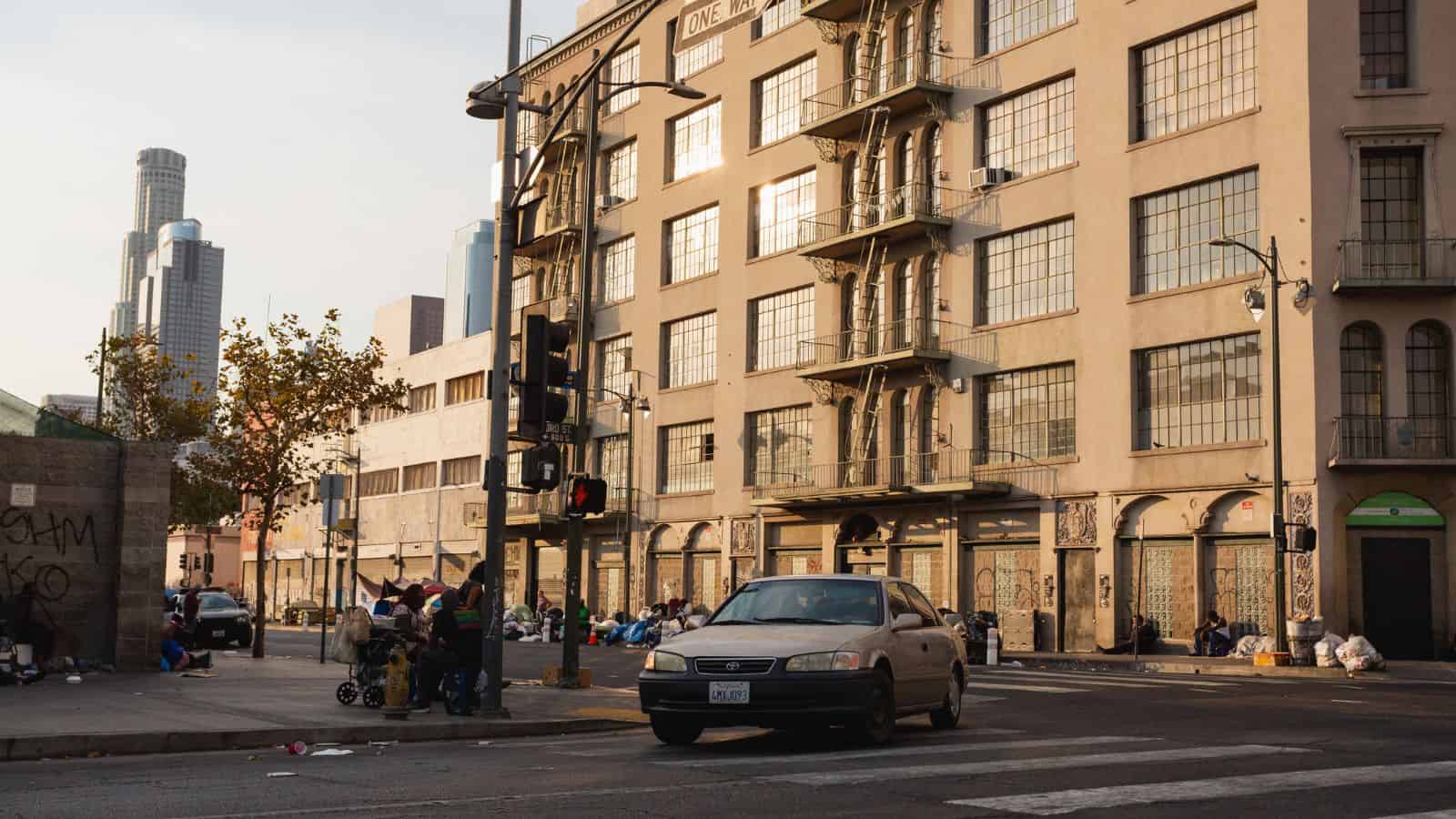
Skid Row stands beside expensive towers, yet ordinary apartments remain unreachable for many residents. Los Angeles needs deeply affordable homes that people with extremely low incomes can actually secure and keep.
Temporary rooms cannot repair the structural shortage without long-term housing construction and preservation.
Families stay out of view
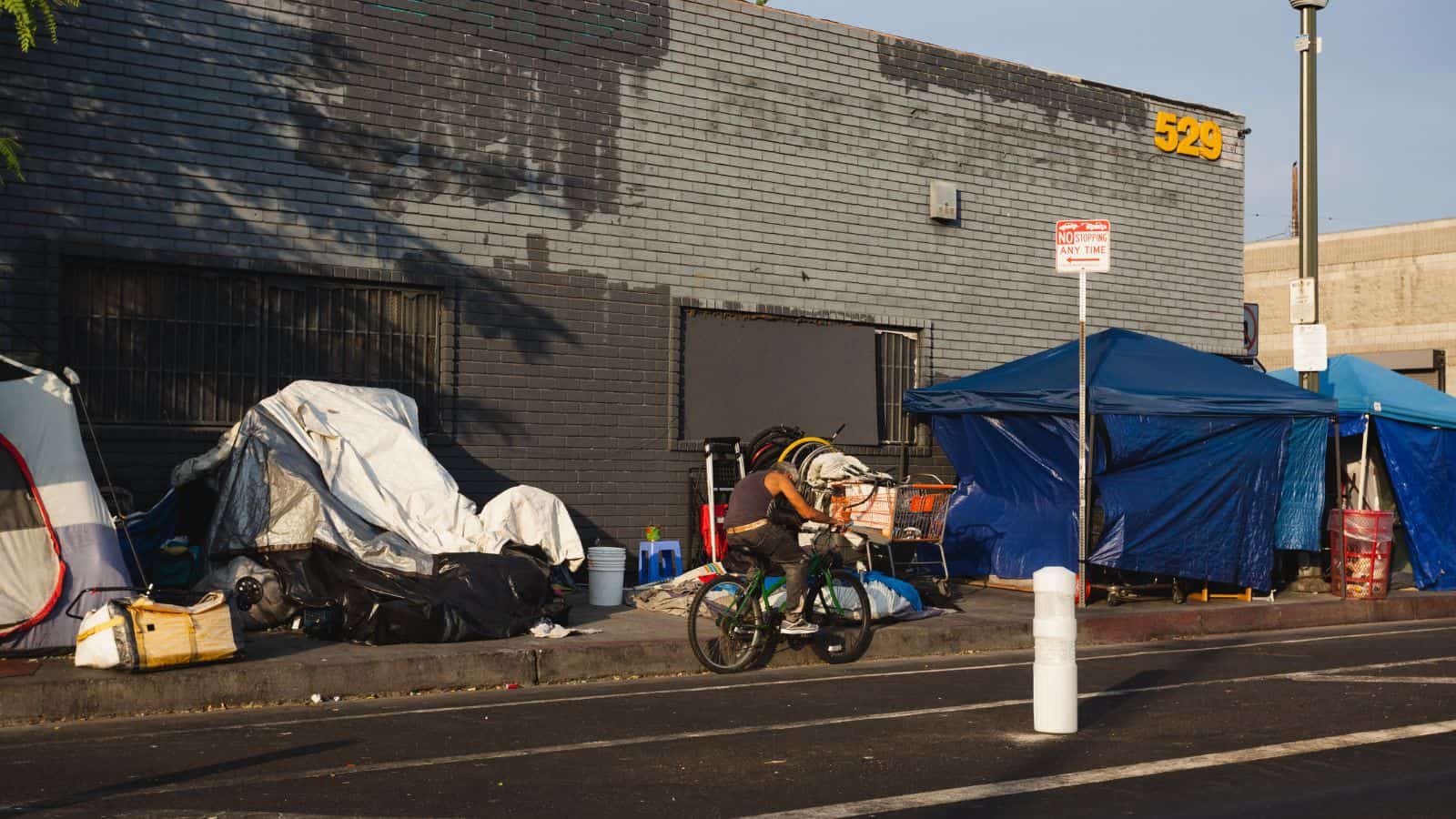
Families often disappear from Skid Row coverage because cameras favor visible sidewalk tents. Los Angeles County reported that its Every Woman Housed program had connected 140 families with safe interim housing by July 2025.
That figure reveals mothers, partners, and children moving through vehicles, shelters, motels, or unstable rooms while protecting school routines and privacy.
Domestic violence can intensify their danger. Services need childcare, trauma support, family-safe placements, educational continuity, and fast pathways toward permanent homes. Family homelessness demands care, dignity, privacy, and lasting security.
Charity carries public burdens
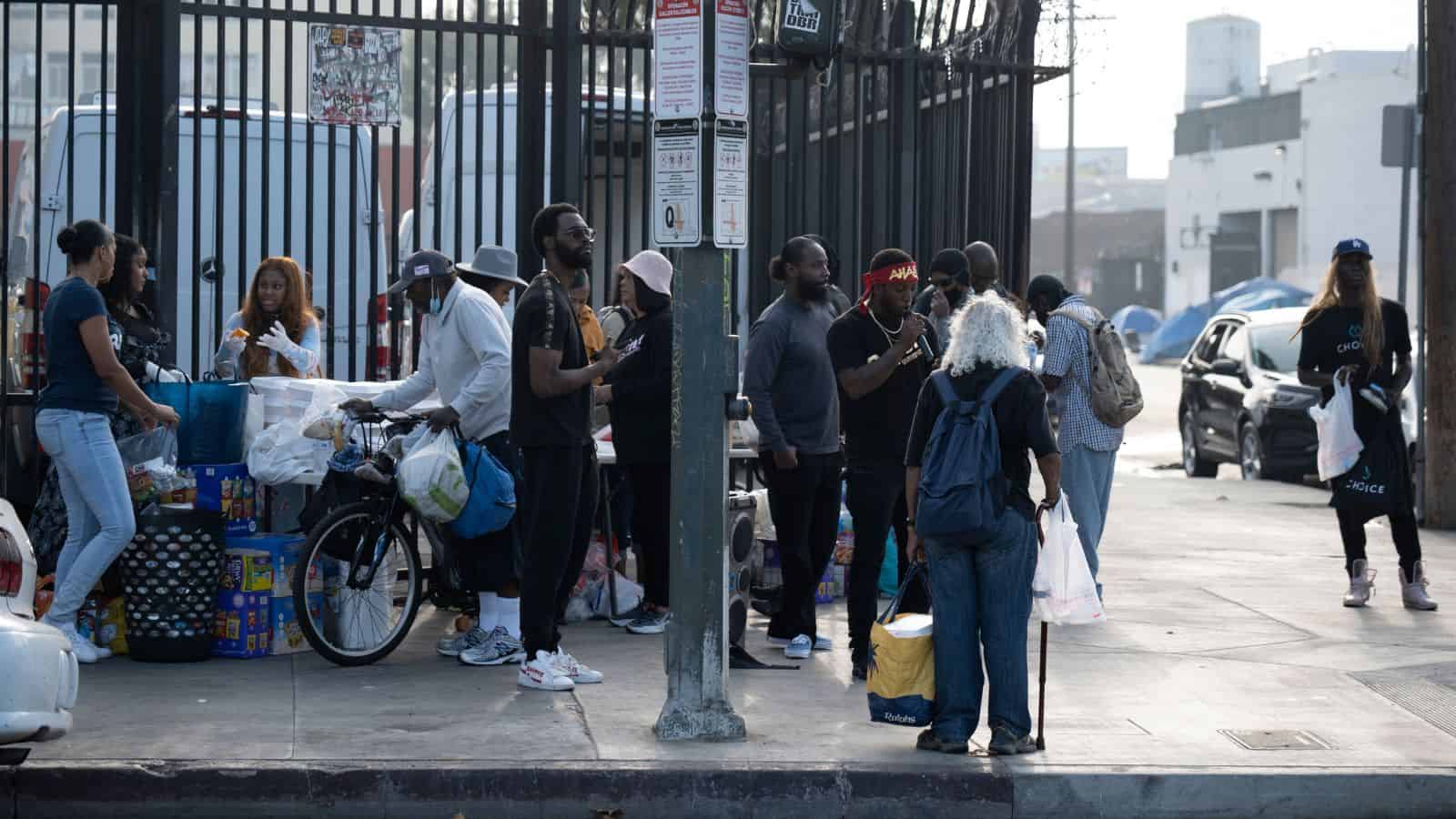
Skid Row depends on missions, clinics, meal programs, street teams, volunteers, and resident leaders. A 2026 community resource map shows local organizations providing food, showers, laundry, healthcare, recovery services, identification assistance, and benefits support.
Their practical experience reaches residents whom larger systems frequently miss. Yet donations and short grants can disappear without warning, leaving essential survival programs vulnerable to fundraising cycles.
Strong public infrastructure should support these groups, hire residents, respect neighborhood knowledge, and guarantee dependable access. Stability matters because hunger, illness, and homelessness do not follow charitable funding calendars.
Jail resets the cycle
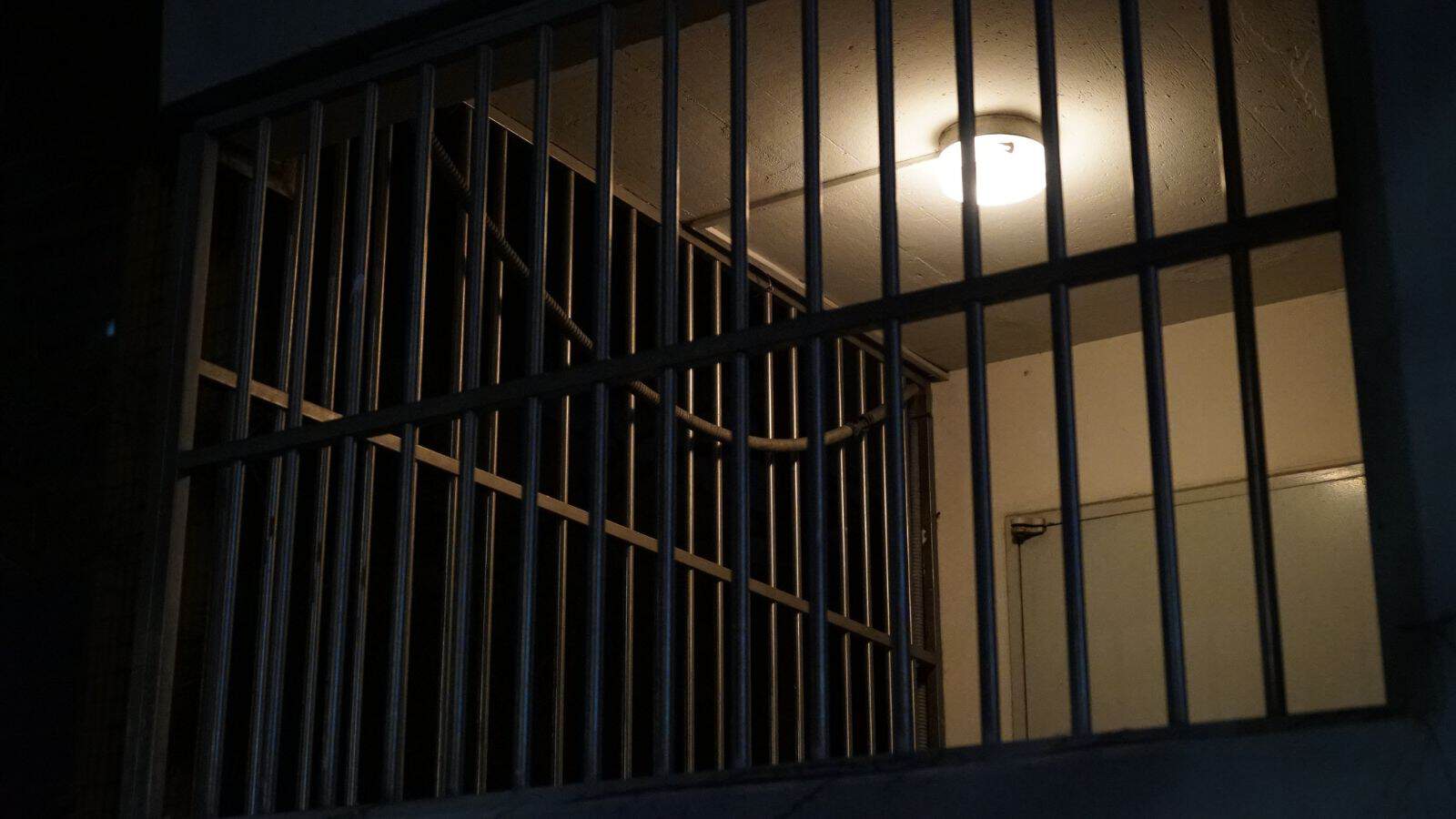
Jail interrupts homelessness without solving it. The Sheriff’s Department reported that 28% of people held in Los Angeles County custody during 2025 identified themselves as homeless. Arrest can erase tents, medication, benefits, documents, appointments, and positions in housing queues.
Release then returns many people to familiar sidewalks with fewer possessions and fresh court obligations.
Diversion, discharge planning, identification replacement, treatment connections, and housing navigation can prevent a minor charge from extending street homelessness. Better reentry can interrupt that costly cycle.
Key takeaway

Skid Row combines a severe housing shortage with failures involving healthcare, safety, paperwork, sanitation, and public trust. Cleaner streets may signal progress, but they do not prove that displaced residents entered stable homes.
Los Angeles needs deeply affordable housing, street-based treatment, safer temporary placements, and dependable support after people receive keys. Skid Row will change only when fewer residents remain trapped outside, rather than simply becoming less visible.
Disclaimer – This list is solely the author’s opinion based on research and publicly available information. It is not intended to be professional advice.
Like our content? Be sure to follow us.