America in 2050 will look completely different: 12 changes coming
A peek into the future reveals that the United States of 2050 will be unrecognizable to someone living in it today.
It’s not just a matter of changing calendar pages. Demographic shifts, climate realities, and artificial intelligence are converging to rewrite the American story. By mid-century, the nation’s population will reach 438 million, according to the Pew Research Center, powered by historic diversity, a dramatic silver surge, and high-tech transformations on American streets and dinner plates.
New immigration will fuel nearly all population growth

The growth of the U.S. population over the next few decades will rely almost entirely on new immigrants. Projections from the Pew Research Center indicate that 82% of the country’s population increase from 2005 to 2050 will come from immigrants and their descendants. That represents roughly 117 million people added to the nation’s headcount due to this demographic engine.
Without this steady stream of newcomers, the nation’s workforce would face a painful contraction. Native birth rates are dropping, making immigration a vital lifeline for economic stability. By 2050, nearly one in five Americans will be foreign-born.
White Americans will become a demographic minority

The traditional racial and ethnic mix of the United States is heading toward a historic tipping point. By 2050, non-Hispanic white Americans will make up just 47% of the population, down from 67% in 2005. This shift marks the transition into a majority-minority nation.
This transformation is happening even faster among younger generations. Today, fewer than half of American children under 15 are non-Hispanic white. The generational diversity gap will redefine cultural norms and public policy for decades.
The Hispanic population will triple in size

Latinos will represent the fastest-growing demographic bloc in the United States. The Hispanic population is expected to triple in size, surging from 42 million to 128 million by 2050. This means almost 29% of all Americans will identify as Hispanic, up from just 14% at the start of the century.
Such massive growth guarantees a profound impact on consumer markets, politics, and local communities. Births within the U.S. will drive most of this growth, rather than new migration alone. The cultural footprint of this group will be visible in every single state.
The silver tsunami will outnumber the nation’s children

The graying of America is about to trigger a massive economic shakeup. The 65-and-older population is projected to hit 82 million by 2050, a 42% increase from 2022. Well before mid-century, older adults will officially outnumber children under 18 for the first time in history.
Senior Fellow David Wessel of the Brookings Institution highlights that the country will host two-and-a-half times as many people aged 85 or older as it does today. This silver wave will strain the national dependency ratio to 72 dependents per 100 working-age adults. It’s going to require a complete reinvention of social safety nets and healthcare delivery.
Coastal communities will battle up to a foot of sea level rise
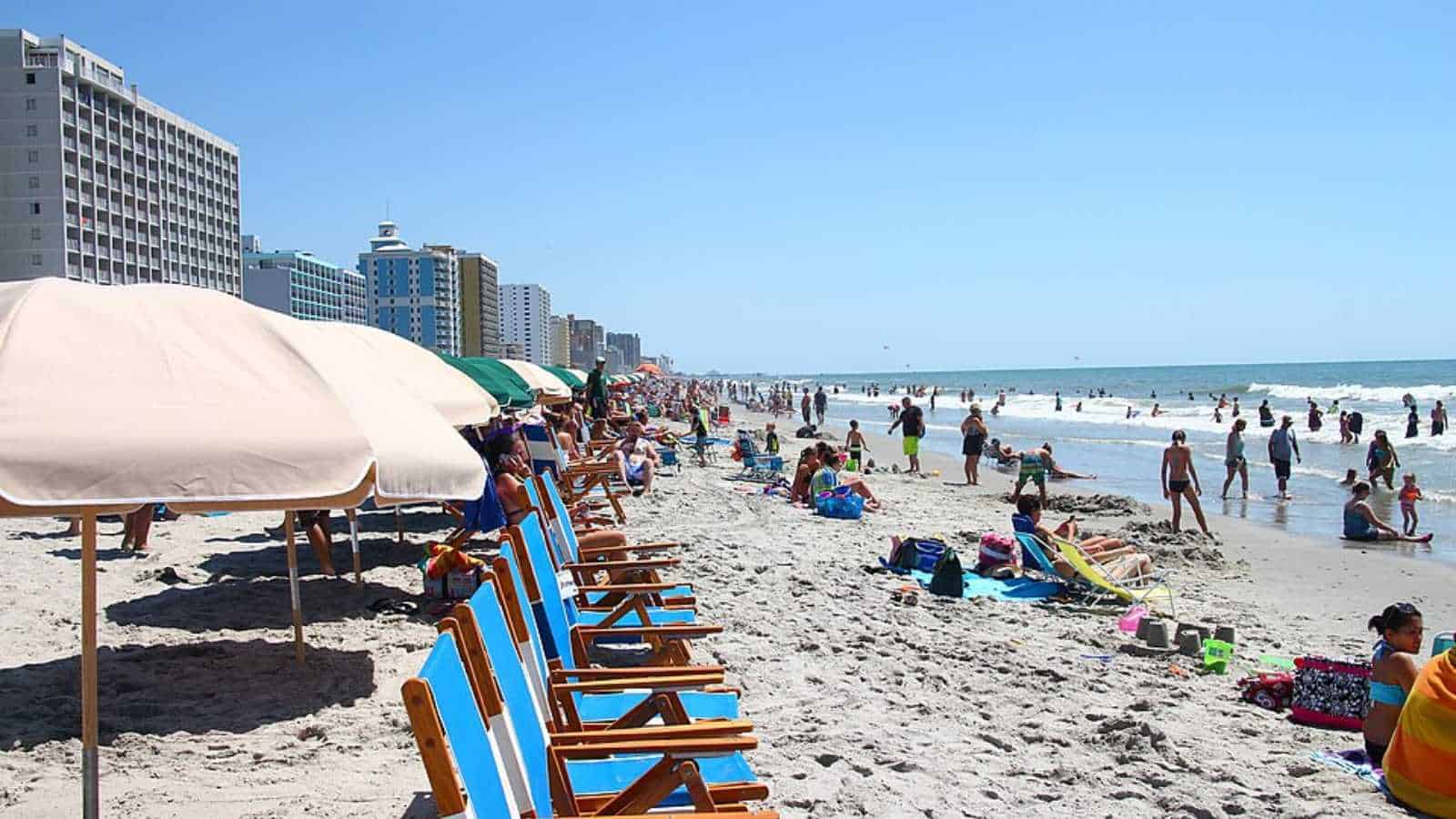
A century’s worth of sea level rise is coming compressed into the next thirty years. A landmark report led by the National Oceanic and Atmospheric Administration projects that U.S. coastlines will rise by an average of 10 to 12 inches by 2050. This isn’t a slow-motion problem; it’s a code-red reality for coastal infrastructure.
Daily life along the water will involve a constant struggle against the tides. NOAA’s Nicole LeBoeuf warns that damaging, moderate flooding will happen more than ten times as often as it does today. This shift turns a rare storm-surge event into a regular, disruptive nuisance that ruins property values.
Rust belt cities will rebrand as climate refuges
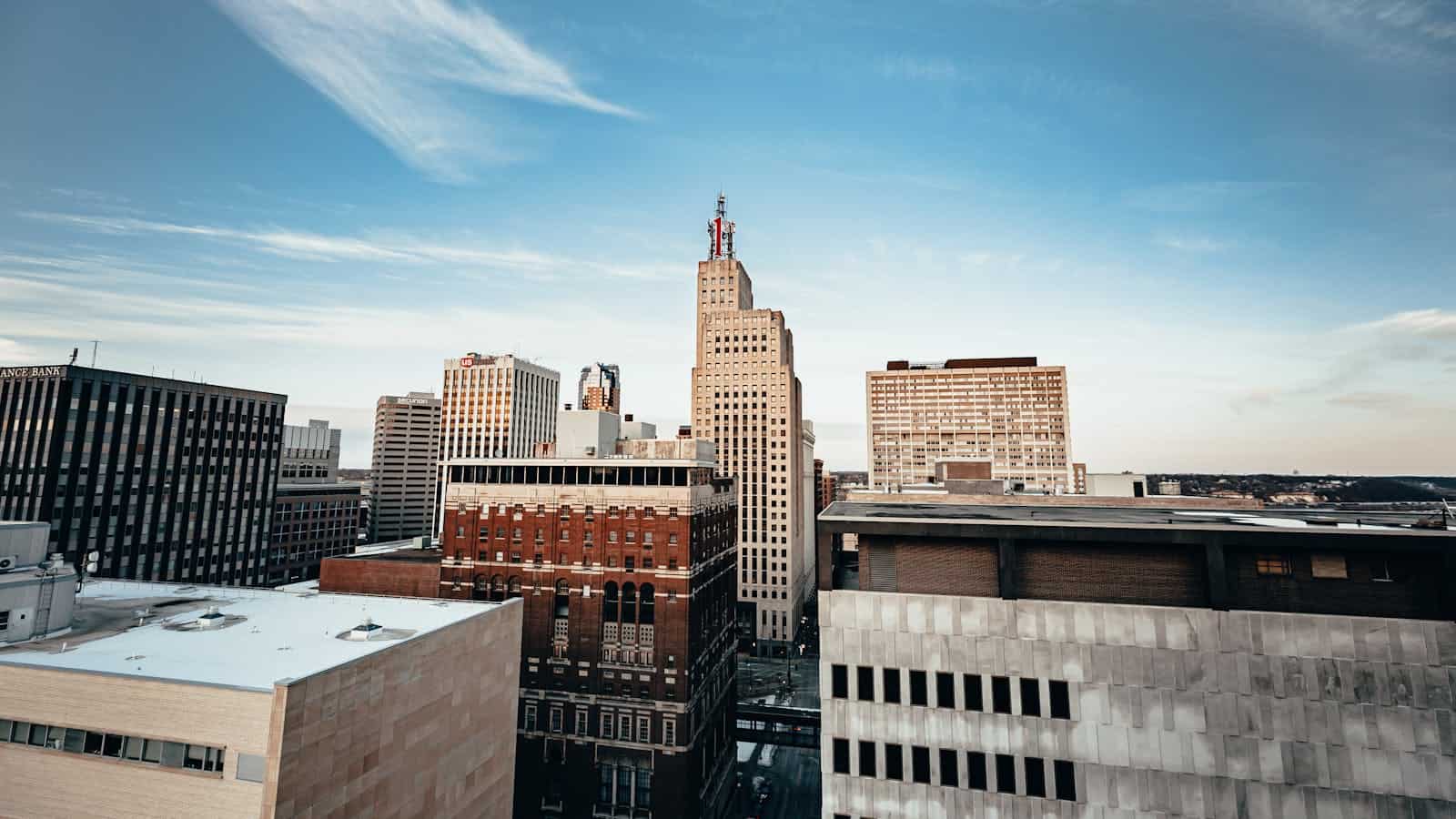
Frigid northern cities are preparing to welcome thousands of displaced Americans. Duluth, Minnesota, and Buffalo, New York, are already laying the groundwork to take in residents fleeing extreme southern heat and wildfires. These historic industrial towns possess abundant freshwater resources and room to grow.
These Rust Belt cities have underutilized roads, housing, and transit built for a larger era. Duluth, for example, has an infrastructure capacity designed for 150,000 more residents but currently holds just 86,000. The allure of 20% of the world’s surface freshwater in the Great Lakes will prove irresistible to climate migrants.
Water shortages will plague the Southwest and Plains

Getting a clean glass of water will become a high-stakes challenge in arid states. The USDA Forest Service projects that climate change and rising temperatures will trigger severe water shortages. Water yields across the country are expected to decline sharply, with drops exceeding 30% in critical western basins.
The agricultural sector, which relies heavily on irrigation, will bear the brunt of these surface-water shortfalls. This means cities, farms, and energy plants will face fierce competition over dwindling supplies. Dwindling groundwater tables and dried-up reservoirs will force unprecedented conservation mandates.
Electric vehicles will crowd out gasoline cars
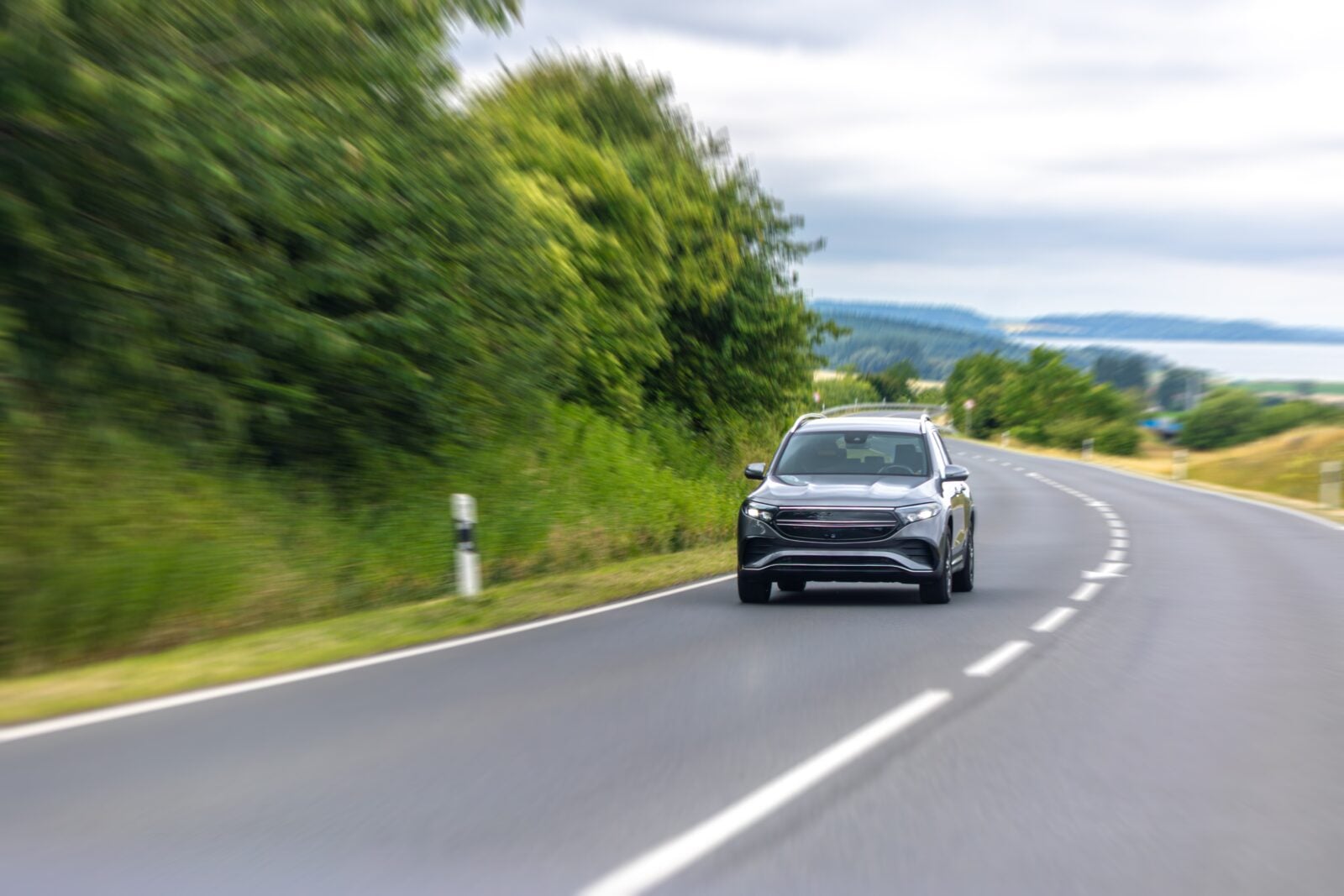
The roar of the internal combustion engine is fading fast. Projections show that electric vehicles will account for 65% of U.S. light-duty vehicle sales by 2050 in a standard scenario. If carbon-reduction policies accelerate, that market share could leap to nearly 100%.
Battery pack prices are expected to drop by an additional 50% from 2022 levels, making electric models cheaper than gas cars. This clean transition will require massive investment in charging infrastructure and transmission networks.
Clean renewables will dominate electricity generation
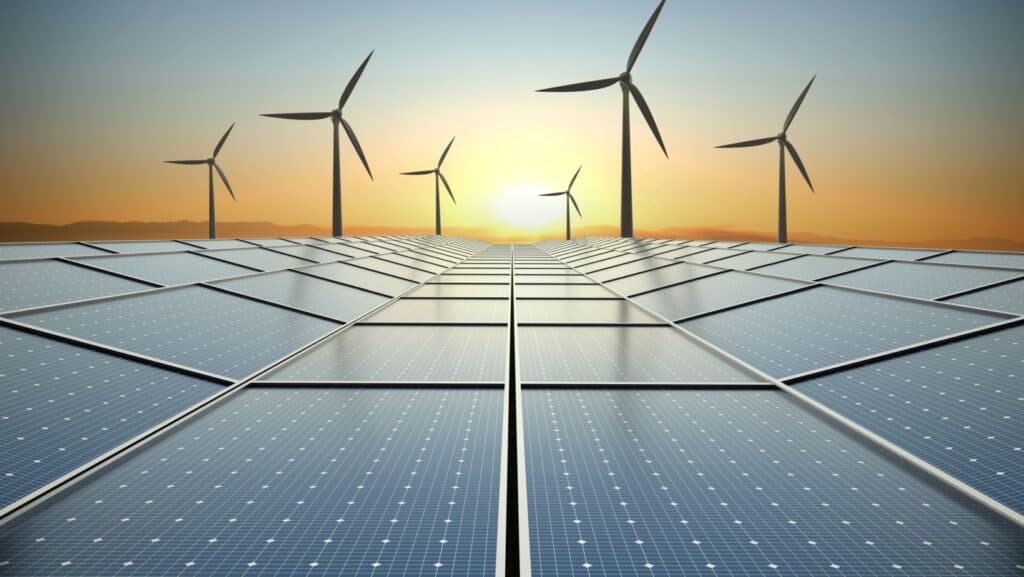
America’s power grid is undergoing a massive green makeover. The U.S. Energy Information Administration projects that the share of electricity generated from renewables will double, reaching 44% by 2050. This clean energy transition will be powered almost entirely by wind and solar farms.
Coal and natural gas plants will slowly be phased out or retrofitted with carbon capture technology. This shift ensures that the growing army of electric vehicles is powered by truly emission-free energy. Dirty power plants will become historical relics as cheap solar takes over.
Artificial intelligence will rewrite the rules of work

The lifetime career is officially going the way of the dinosaur. Artificial intelligence and advanced robotics are ushering in a transition as disruptive as the Industrial Revolution. By 2050, roughly 40% to 60% of all current job categories will be completely reshaped by automation.
Workers will adapt by building portfolio careers based on freelance gigs and contract projects. If Artificial General Intelligence arrives by 2040, over 80% of current tasks could be automated, making policy solutions like Universal Basic Income a necessity. Society will have to decouple personal identity and value from traditional employment.
Cultured meat will dominate the American dinner plate

Steaks grown in a laboratory bioreactor will soon be the norm at family barbecues. Industry analyst Kearney projects that conventional meat production will drop by over 33% by 2040.
Cultivating meat from animal cells bypasses the environmental damage and ethical issues of industrial livestock farming. This scientific breakthrough produces biologically identical meat without the need for slaughterhouses. Traditional meat will become an expensive luxury as scale brings lab-grown costs down.
Life expectancy will rise but hit serious health roadblocks

Americans will live longer lives, but they will face severe chronic health challenges. Census Bureau projections suggest average life expectancy at birth will rise to 80.4 years by 2050. Biomedical breakthroughs could even push female life expectancy past 93 years.
Over 260 million Americans are projected to be overweight or obese by 2050, fueling rates of diabetes and heart disease. Living longer won’t mean much if citizens spend those extra years fighting preventable chronic conditions.
Key takeaways

The year 2050 will bring a completely reimagined American landscape defined by diverse communities, older populations, and tech-driven lifestyles. Shifting demographics and rising tides will test the nation’s resilience, while AI and clean energy rewrite how people work and live.
The future belongs to the communities and individuals who can stay flexible and adapt to these inevitable changes.
Disclaimer – This list is solely the author’s opinion based on research and publicly available information. It is not intended to be professional advice.
Like our content? Be sure to follow us