Before you say “I do,” get these 20 legal and financial matters straight
Getting married doesn’t just change your relationship status, it can change your legal and financial life overnight.
Once you say “I do,” decisions involving money, property, debt, taxes, insurance, inheritance, and even medical emergencies may work differently than they did when you were single. And some of the most important conversations are much easier to have before the wedding than after it.
That means knowing what each person owns and owes, understanding how you’ll handle money, reviewing beneficiaries and insurance, considering whether you need a prenuptial agreement, and making sure you understand the legal consequences of marriage where you live.
You don’t need to turn your engagement into a legal seminar. But taking care of a few practical matters now can prevent expensive—and sometimes painful—surprises later.
Here are 20 legal and financial things couples should consider before getting married.
1. Obtain a Marriage License
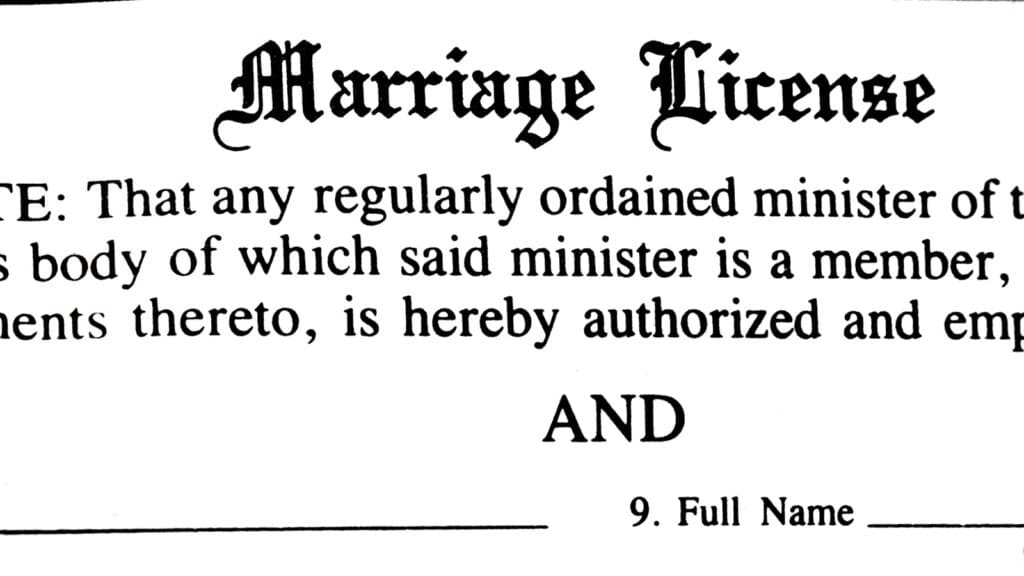
Obtaining a marriage license is a legal requirement in every state. The process typically involves submitting identification documents, such as birth certificates and photo IDs, and paying a fee. Some states also require blood tests or waiting periods. Check your state’s specific requirements well in advance to ensure you have everything in order.
2. Review Your Finances

Before getting married, it’s essential to have an open and honest discussion about your financial situations, including income, assets, debts, and credit scores. This transparency will help you make informed decisions about managing your finances as a couple and set realistic expectations.
3. Consider a Prenuptial Agreement

A prenuptial agreement is a legal contract that outlines how assets and debts will be divided in the event of a divorce or death. While not romantic, a prenup can provide peace of mind and protect both parties’ interests, especially if one spouse has significant assets or children from a previous relationship.
4. Update Your Beneficiary Designations

Review and update the beneficiary designations on your life insurance policies, retirement accounts, and other assets to reflect your new marital status. This step is crucial to ensure that your assets are distributed according to your wishes in the event of your death.
5. Create or Update Your Estate Plan

Whether you’re creating an estate plan for the first time or updating an existing one, it’s essential to do so before getting married. This includes drafting a will, establishing trusts (if necessary), and appointing powers of attorney for financial and healthcare decisions.
6. Discuss Your Financial Goals

Have an open and honest discussion with your partner about your short-term and long-term financial goals. This could include saving for a down payment on a house, planning for children, or saving for retirement. Aligning your goals will help you make informed decisions about your finances as a couple.
7. Decide on a Last Name

Discuss whether one or both of you will change your last name after marriage. If you plan to change your name, research the process and requirements in your state, as it may involve updating various legal documents and accounts.
8. Review Your Health Insurance Options

Evaluate your health insurance options as a married couple. Determine which spouse’s employer offers better coverage or if it makes more sense to combine your coverage under one plan. This decision can have significant financial implications, so it’s essential to weigh your options carefully.
9. Discuss Your Living Situation

If you’re not already living together, discuss your living situation after marriage. Will you rent or buy a home? If buying, what are your budget and location preferences? Having this conversation early will help you plan accordingly and avoid potential conflicts down the road.
10. Understand Your State’s Property Laws

Familiarize yourself with your state’s laws regarding property ownership and division in the event of a divorce or death. Some states follow community property laws, while others follow equitable distribution laws. Understanding these laws can help you make informed decisions about your assets and potential prenuptial agreements.
11. Review Your Credit Reports

Before getting married, review your credit reports from the three major credit bureaus (Experian, Equifax, and TransUnion) to ensure accuracy and address any potential issues. Your credit scores can impact your ability to obtain loans, credit cards, and even employment opportunities as a couple.
12. Discuss Your Attitudes Toward Debt

Have an open and honest conversation about your attitudes toward debt. If one partner is more averse to debt than the other, it’s essential to find common ground and establish a plan for managing existing debts and avoiding future ones.
13. Consider a Domestic Partnership Agreement

If you’re in a same-sex or opposite-sex domestic partnership, consider drafting a domestic partnership agreement. This legal document can outline your rights and responsibilities regarding property ownership, decision-making, and other important matters.
14. Understand Your State’s Laws on Common-Law Marriage

Some states recognize common-law marriages, which can occur when a couple lives together for a certain period and presents themselves as married, even without a formal ceremony or license. Understand your state’s laws on common-law marriage to avoid unintentionally entering into one.
15. Review Your Social Security Benefits

If one or both of you are entitled to Social Security benefits, review how your marital status may affect those benefits. In some cases, you may be eligible for spousal or survivor benefits based on your partner’s earnings record.
16. Discuss Your Family Planning Goals

If you plan to have children, discuss your family planning goals and timeline. This conversation should also include discussions about potential fertility treatments, adoption, or other options, as well as how you plan to financially support your future family.
17. Understand Your State’s Laws on Marital Property

Familiarize yourself with your state’s laws on marital property and asset division in the event of a divorce. Some states consider all assets acquired during the marriage as marital property, while others distinguish between separate and marital property.
18. Review Your Insurance Policies

Review your existing insurance policies, including life, health, and property insurance, and make any necessary updates or additions to reflect your new marital status. This may also be an opportunity to explore bundling policies for potential discounts.
19. Discuss Your Attitudes Toward Charitable Giving

If charitable giving is important to you or your partner, discuss your attitudes and goals toward philanthropy. This conversation can help you align your values and establish a plan for supporting causes that are meaningful to you as a couple.
20. Seek Professional Advice

If you have complex financial situations, significant assets, or unique circumstances, consider seeking professional advice from a financial advisor, estate planning attorney, or other relevant experts. They can provide guidance and help you navigate the legal and financial aspects of getting married.
The Takeaway

Getting married is a significant legal and financial commitment that requires careful planning and preparation. By addressing these top 20 legal and financial matters before tying the knot, you can start your marriage on a solid foundation and protect your interests. Remember, open communication and transparency with your partner are key to navigating these important decisions together.
Legal Surprises In Marriage: What You Need To Know Before Saying ‘I Do’

Marriage is often seen as a romantic union, but it is also a legal contract that comes with various obligations and rights. Many people are unaware of the full extent of these legal contractual obligations. This article aims to shed light on these often-overlooked aspects of marriage.
READ: Legal Surprises In Marriage: What You Need To Know Before Saying ‘I Do’