12 Social Rules Older Women Have Stopped Pretending Make Sense
By the time women reach their 50s, 60s, and beyond, they have lived through decades of unspoken rules about how they should talk, dress, spend money, and even age. Many of these expectations were presented as common sense, yet often made life smaller, more stressful, or less honest. With age, a lot of women become less interested in performing for approval and more interested in protecting their health, time, and peace of mind. That shift is not rebellion for its own sake. It is a practical response to what actually makes life better in the later chapter.
“Always be nice, no matter what”
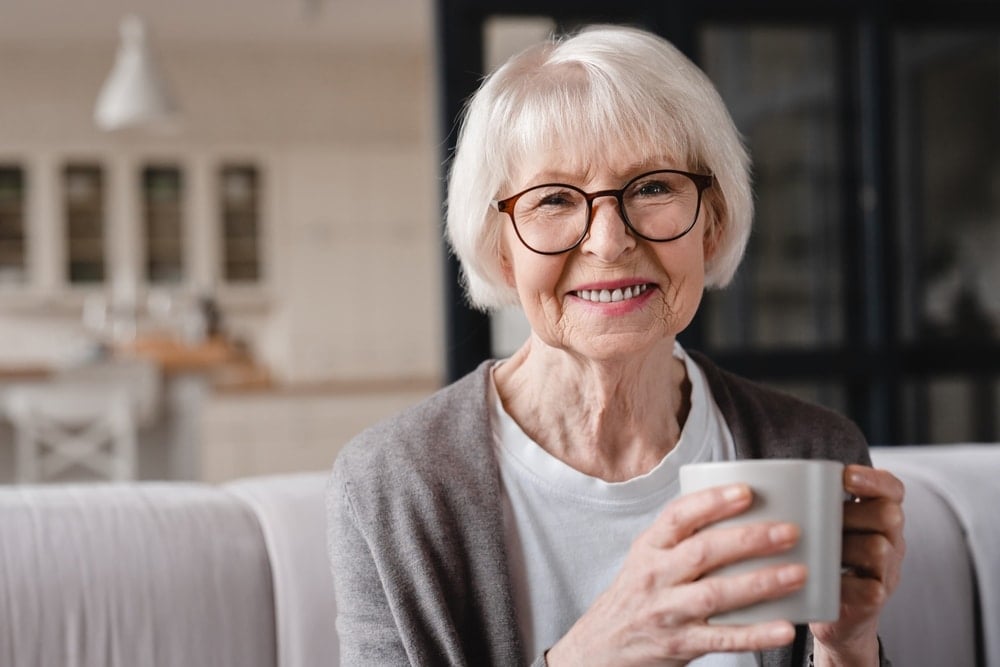
Older women have learned that being endlessly pleasant can come at the cost of self-respect. Smiling through disrespect or discomfort no longer feels like maturity, it feels like self-betrayal. Many now reserve their warmth for people who treat them with basic care. They are discovering that kindness without boundaries is not kindness to themselves
“Put everyone else first”
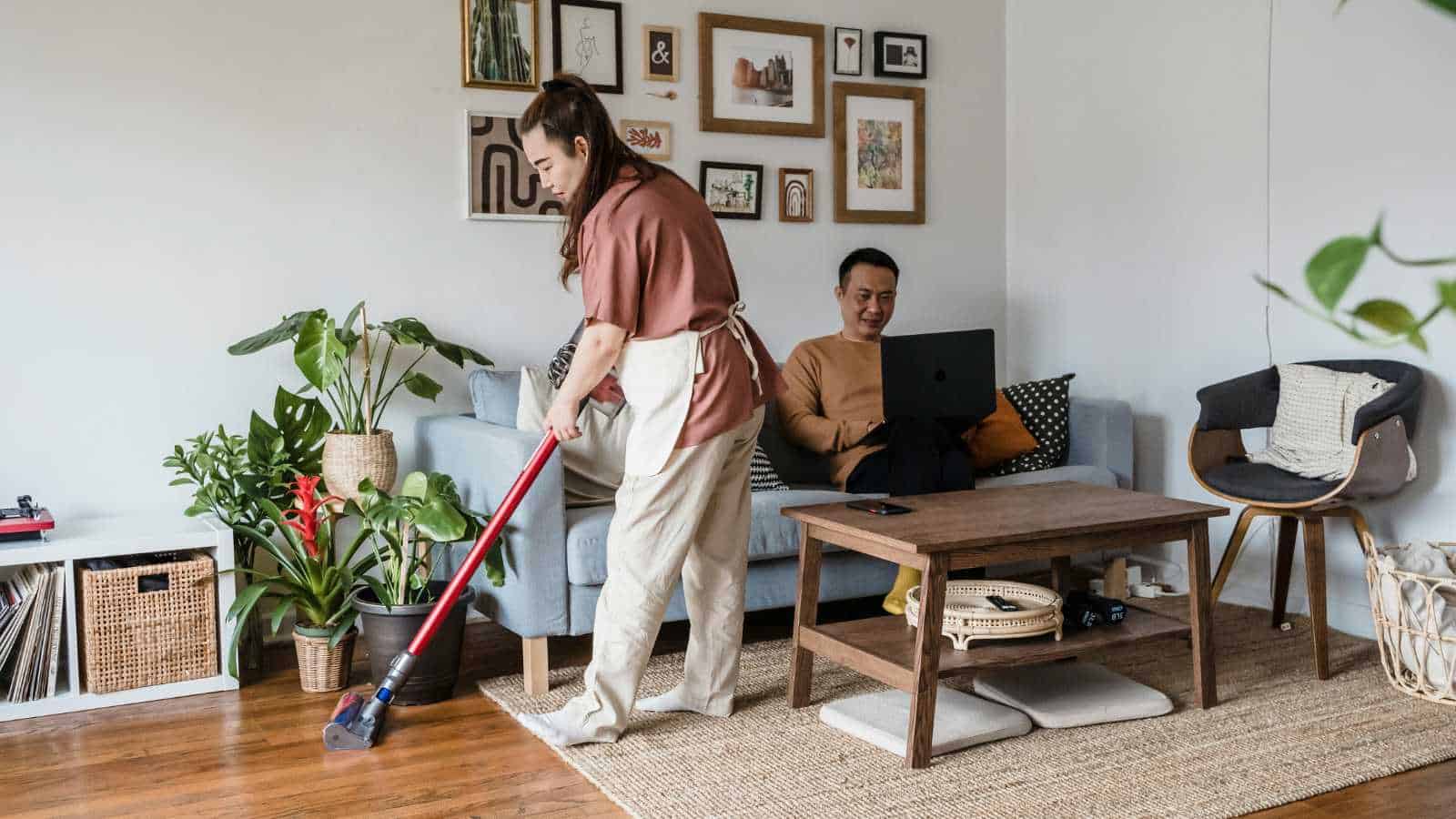
For years, women were praised for sacrificing their sleep, health, and personal goals for partners, kids, parents, and work. With age, the long-term cost of that pattern becomes clearer in burnout and resentment. Many older women are choosing a more balanced model of care, one where their needs matter too. They are realizing that constantly running on empty does not actually help the people they love.
“Don’t talk about feeling lonely”
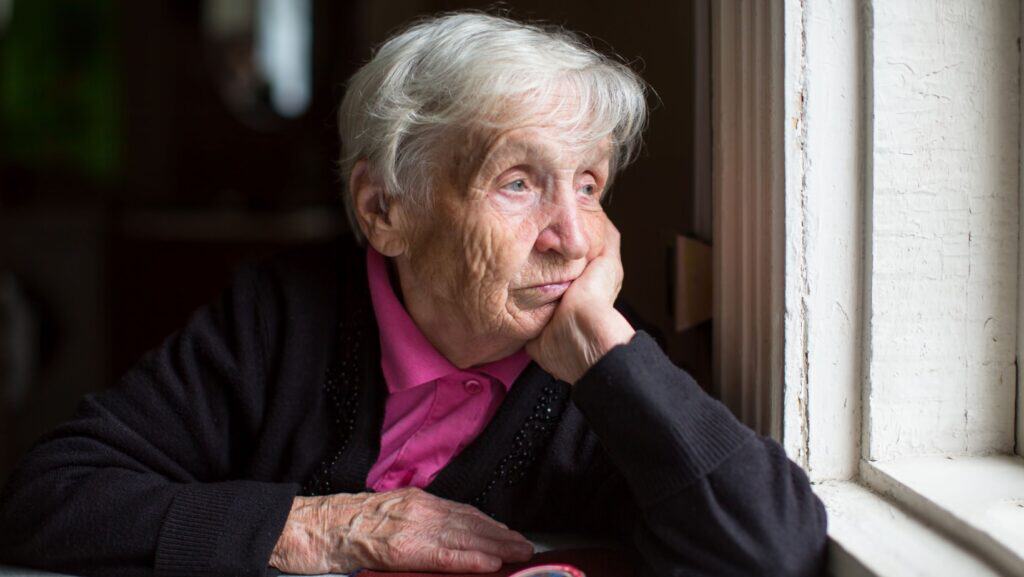
Loneliness used to be treated as a private shame, especially for older women who were “supposed” to be grateful and content. But the National Institute on Aging’s guide on loneliness and social isolation notes that isolation is linked to higher risks of depression, heart disease, and cognitive decline. Naming loneliness and actively staying connected is now seen as a health choice, not a weakness.
“Stay in a relationship for appearances”

Many women were told to stay married “for the family” or to preserve a certain image in the community. Over time, some have seen how high-conflict or chronically cold relationships affect their mental and physical well-being. They are more willing to leave situations that erode their dignity, even if relatives gossip. Emotional safety is starting to matter more than social approval.
“Age gracefully by becoming invisible”

Older women have long been told to dress quietly, speak softly, and avoid drawing attention to themselves. Today, more are rejecting the idea that “graceful” aging means shrinking into the background. They are experimenting with bold clothes, new haircuts, and louder opinions. For them, grace is about honesty, not disappearance.
“Don’t make a fuss about your health”

A lot of women were raised to ignore symptoms and “push through” pain. The National Institute on Aging’s resources on loneliness and social isolation also highlight how social connection and paying attention to changes in health can help protect well-being as people age. Older women are more likely now to seek screenings, second opinions, and treatment instead of minimizing warning signs.
“Family problems must stay secret”

Women have often been tasked with protecting the family image at all costs, even when that meant hiding addiction, abuse, or financial chaos. Many older women now see that secrecy rarely solves anything and often traps the next generation in the same patterns. They are more open to therapy, honest conversations, and drawing clear lines. Protecting people matters more to them than protecting the family story.
“Accept disrespect from adult children”

Mothers in particular have been told to accept any behavior just to stay in their kids’ lives. Older women are starting to question whether unconditional access is really the goal. They are learning that they can love their adult children and still require basic courtesy. Healthy relationships now matter more than forced closeness.
“Never talk directly about money”
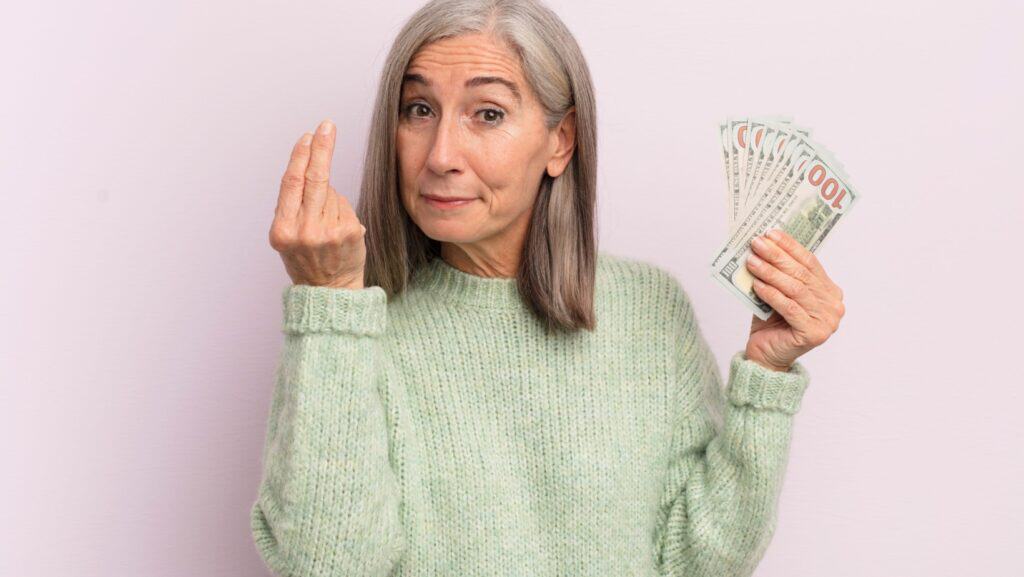
Talking about debt, retirement savings, or financial fears was once seen as tacky or shameful. After watching friends struggle, many older women now treat frank money conversations as essential. They ask questions, compare options, and read the fine print. Silence is no longer seen as polite. It is seen as risky.
“Isolation is just part of getting older”

A lot of women grew up believing loneliness was inevitable in later life. An overview in JAMA on social isolation and loneliness in older adults points out that these experiences are tied to higher risks of heart disease, stroke, and dementia. That knowledge is pushing more older women to maintain friendships, join groups, and stay active instead of quietly withdrawing.
“If you need help, you’ve failed”

Many women were praised for “doing it all” without leaning on anyone. With age, they see that no one is meant to carry everything alone. Asking for rides, support, or practical help allows them to stay independent longer. Accepting help now feels like wise stewardship of their energy, not defeat.
“Your job is to make everyone comfortable”

Older women have spent years smoothing awkward moments, absorbing criticism, and avoiding conflict. Many are finally questioning why everyone else’s comfort should cost them their own. They are more willing to tell the truth, decline invitations, or opt out of exhausting obligations. Their lives get simpler when they stop auditioning for approval.
The Rules Have Changed

The rules older women are dropping have one thing in common: they kept everyone else comfortable while keeping women smaller, quieter, and more tired. As the stakes of health, time, and energy become clearer, those rules lose their shine. In their place, many older women are choosing boundaries, honesty, and connection that actually support the lives they still want to live.
You might want to read:
- 12 perfect remote gigs for seniors who want extra cash
- 13 States Seniors Say Are the Hardest to Live In
- Seniors! 13 ways to protect yourselves from phone scams
Disclosure: This article was developed with the assistance of AI and was subsequently reviewed, revised, and approved by our editorial team.
Like our content? Be sure to follow us on MSN and Newsbreak