12 Dark Sides of the Ozempic Craze That Experts Are Quietly Worried About for Women
Forget the fountain of youth; it turns out the hottest thing in Hollywood and your neighbor’s medicine cabinet is a tiny needle and a dream of fitting into high school jeans by Tuesday.
Ozempic has sashayed into the spotlight with all the grace of a supermodel, promising a metabolic “magic wand” that makes stubborn pounds vanish like a magician’s rabbit. But while the global Ozempic market is experiencing rapid expansion, with projections showing its market size reaching a valuation of USD 24.9 billion in 2025, as stated by Biospace, the biological reality for many women is proving to be a bit more complicated than a sleek marketing brochure.
It’s one thing to lose your appetite; it’s quite another to lose your hair, your face’s structural integrity, or your digestive peace of mind. Behind the shimmering curtain of “miracle” transformations lies a messy world of biological trade-offs that nobody mentions at the cocktail party. Before you join the gold rush, let’s peel back the hype and look at the concerning side effects that prove there’s no such thing as a free lunch, even if you aren’t hungry for one anymore.
Digestive side effects are common, not rare
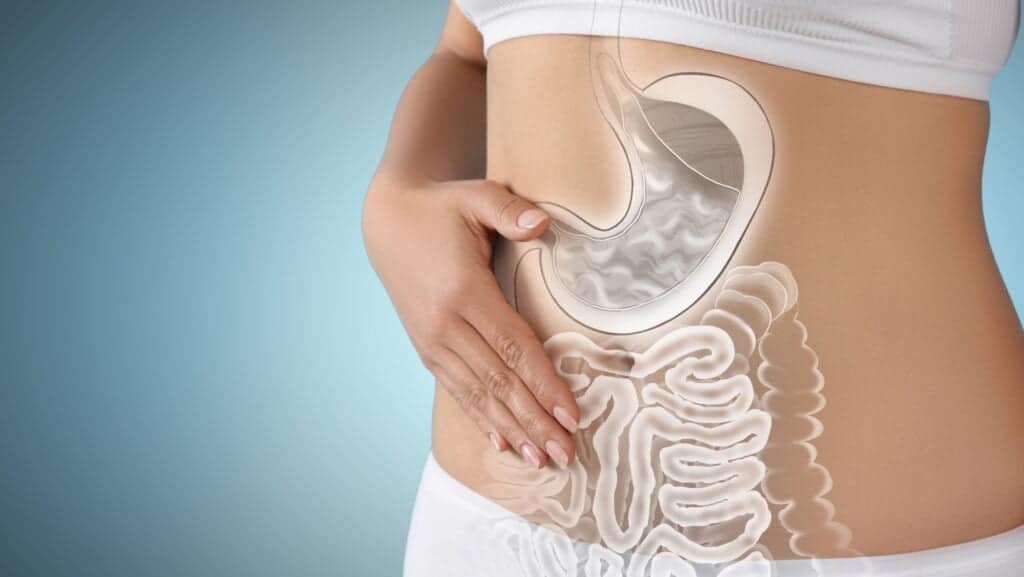
While many view Ozempic as a miracle solution, a troubling reality remains hidden behind the hype. The medication’s gastrointestinal toll is far from rare; for many women, the side effects transition from minor inconveniences to debilitating obstacles.
Gastroenterologists report that nausea, projectile vomiting, chronic constipation, and severe abdominal pain frequently force patients to abandon the treatment entirely.
These symptoms often become so intolerable that they disrupt daily life, proving that the physical cost of the “craze” involves much more than just a simple injection. Understanding these digestive risks is essential before the side effects dictate your long-term health.
Weight regain can be shockingly fast
Stepping off the Ozempic train often leads to a staggering reversal that catches many women off guard. While the initial drop feels like a miracle, the biological snapback is relentless.
Research reported by The Guardian reveals a harsh reality: individuals who discontinue GLP-1 weight-loss drugs like Ozempic typically regain roughly 60% to 75% of their lost weight within 18 to 20 months. In a trial of over 9,000 patients, the average weight loss was 33 pounds, but roughly 22 pounds came back once the treatment stopped.
This “rebound effect” suggests that without a lifelong commitment to the drug, the body aggressively fights to return to its original set point, leaving many right back where they started.
Mental health and body image pressures are colliding

Mental health and body image pressures are reaching a dangerous tipping point as the Ozempic craze intensifies. While the drug effectively suppresses appetite, it simultaneously fuels restrictive eating patterns that often trigger or worsen deep-seated psychological struggles.
Beyond the physical changes, researchers are investigating a chilling potential link between the medication and suicidal ideation, a connection that remains unconfirmed but deeply concerning to clinicians.
For many women, the looming fear of regaining weight once the injections stop creates a “trap door” effect, driving them toward disordered behaviors and a compulsive obsession with maintaining their new reflection at any cost.
Women are driving the craze and carrying unique risks

The Ozempic phenomenon is a demographic tidal wave hitting women with disproportionate force. Data from MarketWatch report on a study published in JAMA, women accounted for 76% of the 18- to 25-year-olds prescribed a GLP-1 drug in 2023.
While the promise of rapid transformation fuels the frenzy, it masks a brewing crisis of biological consequences. Behind the viral success stories, medical professionals monitor a growing list of complications.
From hormonal disruptions to the sudden development of gallstones and disordered eating, the price of entry is rising. This rush into the unknown leaves experts fearing for long-term fertility and maternal health.
Fertility, pregnancy, and “Ozempic babies” are a real grey zone

The surge in “Ozempic babies” has clinicians racing to understand a biological contradiction. While semaglutide helps regulate cycles for women with PCOS, it simultaneously forces them into a high-stakes gamble.
Medical guidelines mandate stopping the injections two months before conception, yet unexpected pregnancies are skyrocketing. Women are finding themselves caught between the joy of newfound fertility and the clinical dread of unknown developmental risks.
The miracle fix is quietly becoming a reproductive minefield that experts are desperate to map before the long-term consequences surface.
Gallbladder problems hit women especially hard

The Ozempic phenomenon hides a disturbing medical reality for women: a significant surge in gallbladder complications. While the scale shows lower numbers, internal systems often pay a steep price.
A 2022 meta-analysis of 76 randomized clinical trials published in JAMA Internal Medicine confirmed that GLP-1 receptor agonists increase the risk of gallbladder or biliary diseases, including cholelithiasis and cholecystitis, with a pooled relative risk of 1.37.
For women over 40, the danger intensifies as rapid weight loss triggers stone formation at an accelerated rate. There is a looming crisis where metabolic success leads directly to the operating table. Understanding these silent biological shifts remains vital before the next injection.
Compounded shots introduce dosing and safety wildcards

Compounded semaglutide has emerged as a high-stakes gamble for women seeking weight loss amid national drug shortages. While these custom-mixed shots offer a cheaper path to Ozempic-like results, they introduce terrifying safety wildcards.
On July 26, 2024, the FDA issued a safety alert warning of significant safety risks, including hospitalization, due to overdoses from compounded injectable semaglutide products.
Patients are inadvertently injecting toxic doses, leading to emergency hospitalizations for acute pancreatitis and gallbladder failure. This hidden crisis exposes a desperate medical frontier where the promise of a thin waistline masks the threat of permanent organ damage.
Also on MSN: 12 Game-Changers for Anyone on Ozempic or Mounjaro: Your Weight Loss Survival Kit
Muscle loss can quietly undermine women’s strength

The thin silhouette promised by Ozempic hides a metabolic tax that experts find alarming. While the scale drops, the body often cannibalizes its own foundation.
Data from Baton Rouge General Hospital showed that participants taking semaglutide, such as Ozempic or Wegovy, lost an average of 39% of their weight from muscle mass. For women, who naturally carry less skeletal muscle, this shift is devastating. It accelerates physical frailty, weakens bone density, and shatters the resting metabolic rate.
This “skinny fat” transformation creates a cycle of permanent dependency and long-term weakness. Beyond the aesthetic allure lies a silent erosion of female strength that resistance training alone may not be enough to reverse.
Social pressure and thin-ideal culture are intensifying

Societal pressure is morphing into a clinical obsession as the “thin ideal” finds a powerful new ally in GLP-1 drugs. While originally intended for medical use, Ozempic’s meteoric rise has weaponized body standards, pushing women toward pharmacological solutions for purely cosmetic goals.
This shift doesn’t just change waistlines; it reinforces a toxic culture where self-worth is tied to a prescription. Constant exposure to curated “miracle” transformations fuels a cycle of inadequacy and body dysmorphia.
For those in larger bodies, this trend heightens existing weight stigma, transforming a personal health journey into a public performance of conformity.
Long-term organ effects still aren’t fully understood

The rapid ascent of semaglutide has masked a brewing crisis regarding long-term organ health. While the scale of prescriptions climbs, clinical certainty regarding internal impact remains thin.
A 2024 case study in PMC highlights a patient developing acute pancreatitis five weeks after beginning semaglutide. Beyond the pancreas, experts fear the silent strain on the kidneys and gallbladder may not manifest for years.
This “thin-at-all-costs” culture ignores the reality that large-scale GLP-1 data is still in its infancy. For women, these metabolic shifts could lead to permanent physiological alterations that we are only beginning to document.
We still don’t know the full long-term story for women

Beyond the rapid weight loss, a troubling reality is surfacing for women using semaglutide. While the pharmaceutical industry celebrates record profits, medical experts are raising alarms about the biological toll that remains hidden.
The “Ozempic craze” often bypasses critical concerns regarding female hormonal health and long-term skeletal integrity. Sudden metabolic shifts may disrupt ovulation cycles or deplete bone density, yet many users are left in the dark.
From the psychological impact of “Ozempic face” to the mystery of how these drugs affect future pregnancies, the risks are mounting. The full story of what happens after years of use is a chapter yet to be written.
Shortages are hurting women with diabetes

The surge in demand for Ozempic due to weight loss is creating a shortage for women who rely on it for managing type 2 diabetes.
According to a February 5, 2025, report by Pearce IP, Novo Nordisk’s sales in its diabetes-care segment, which includes Ozempic®- semaglutide, Rybelsus® -oral semaglutide, and Victoza® -liraglutide, increased by 20% at constant exchange rates.
This shortage is putting vulnerable diabetic women at risk, as they struggle to access the medication they need for blood sugar control. The increased demand for Ozempic as a weight-loss drug is directly competing with life-saving treatments for women with diabetes.
Key Takeaway

While Ozempic and similar semaglutide drugs may promise quick weight loss, the risks associated with long-term use for women are a growing concern. From rapid weight regain to serious health complications like gallstones and muscle loss, the full extent of the drug’s impact is still unclear. Women driving the craze are particularly at risk, with increased pressure on their mental and physical health. With supply shortages, compounded doses, and minimal long-term safety data, it’s crucial that more research is done to ensure these drugs aren’t trading short-term results for long-term consequences.
Disclaimer – This list is solely the author’s opinion based on research and publicly available information. It is not intended to be professional advice.
Like our content? Be sure to follow us.