Why your earrings make your ears hurt—and what to do about it
You find a pair of earrings you love, put them on, and everything seems fine—until your ears start itching, burning, throbbing, or turning red.
If this happens regularly, the problem may not be earrings in general. Your ears could be reacting to a metal in the jewelry, the weight of the earrings, pressure from the backing, irritation around the piercing, or, in some cases, an infection.
Nickel is a particularly common cause of allergic contact dermatitis, which is why people with sensitive ears often pay close attention to the materials touching their skin. But even earrings made from better-tolerated materials can become uncomfortable if they’re too heavy, poorly fitted, or worn in a piercing that hasn’t fully healed.
So how can you tell what’s bothering your ears—and which earrings should you look for instead? Here’s what can cause earring discomfort, which materials may be better for sensitive ears, and how to wear earrings more comfortably.
Common Causes of Earring Discomfort
Let’s go over the most common reasons for ear discomfort, when wearing earrings.
Metal Allergies
One of the most common causes of ear discomfort is an allergy to certain metals. Nickel is a frequent allergen found in many earrings, leading to irritation, redness, and itching in sensitive individuals.
Weight and Size
Heavy earrings can pull on the earlobe, causing pain and potentially leading to stretched or torn earlobes. Large earrings might also irritate the skin by rubbing against it.
Infection
Earrings, particularly when worn in newly pierced ears, can introduce bacteria, causing infections. Poor hygiene or not cleaning earrings regularly can exacerbate this issue.
Design and Fit
Some earrings may have sharp edges or clasps that dig into the skin, causing discomfort. Poorly fitting earrings can also move around too much, leading to irritation. The good news is that it is easy to find earrings that do fit!
Piercing Issues
Improperly healed piercings or those done at an incorrect angle can lead to discomfort when earrings are worn.
Types of Earrings Good for Sensitive Ears
Here are the kinds of earrings to look for, if you have sensitive ears.
Hypoallergenic Earrings
These are made from metals less likely to cause an allergic reaction. Common hypoallergenic materials include:
Titanium
Lightweight and durable, titanium is an excellent choice for sensitive ears as it does not contain nickel.
Surgical Stainless Steel
Often used in medical implants, this metal is less likely to cause an allergic reaction.
Niobium
Like titanium, niobium is a safe option for those with metal sensitivities.
Gold and Platinum Earrings
High-quality gold (14k or higher) and platinum are less likely to cause allergic reactions, though they can be more expensive.
Plastic or Acrylic Earrings
These materials can be a good alternative to metal, especially for those with severe allergies. However, they might not be as durable or elegant as metal options.
Earrings with Coatings
Some earrings are coated with a thin layer of gold or silver, which can help prevent irritation. However, these coatings can wear off over time, exposing the underlying metal.
Silicone Backings
Using silicone or rubber backings can help reduce pressure on the earlobe and provide a comfortable fit.
Tips for Choosing and Wearing Earrings Safely

- Test for Allergies: Test them by wearing them for a short period to see if any reaction occurs.
- Clean Regularly: Clean both your earrings and your ears regularly to prevent infection and remove any buildup of bacteria or dirt.
- Choose the Right Size and Weight: Opt for lightweight earrings, especially for daily wear, to reduce strain on your earlobes.
- Consider Professional Piercing: Ensure that piercings are done by a professional with sterile equipment to reduce the risk of infection.
- Rotate Earrings: Avoid wearing the same pair of earrings every day and give your ears a break from time to time.
Now It’s Time to Shop for Earrings!
By understanding the causes of earring discomfort and choosing the right materials and designs, you can enjoy wearing earrings without the pain and irritation.
Stylish and Affordable: How to Score the Perfect Pair of Glasses!

Eyewear is not just a necessity for those with vision problems; it is also a fashion statement. Whether you are looking for prescription eyeglasses or sunglasses, the quest to find a pair that is both fashionable and economical can be a challenging task. Fortunately, with a little research and some savvy shopping tips, you can find eyewear that fits your budget and style.
READ: Stylish and Affordable: How to Score the Perfect Pair of Glasses!
Mastering Curly Hair: Tips for Perfect Curls Every Day

Curly hair is uniquely beautiful but can be challenging to manage due to its structure. Unlike straight hair, curls can become entangled easily because the hair cuticle doesn’t lie flat. This leads to higher porosity and increased susceptibility to humidity and dehydration, making proper hydration the cornerstone of curly hair care. And not all waves and curls are the same. Let’s look at wave and curl types, and how to get the most out of your hair.
READ: Mastering Curly Hair: Tips for Perfect Curls Every Day
Can “Clean Beauty” Truly Transform Your Appearance And Well-Being?
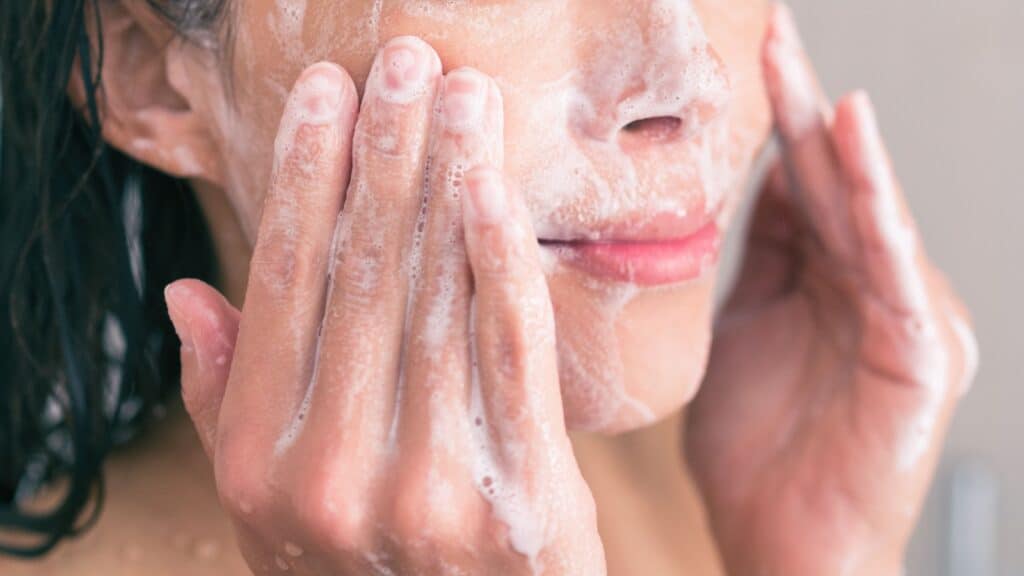
So many of us are interested in self-improvement, from maintaining or enhancing our physical appearance, to tending to our mental well-being. In recent years, one trend that has gained significant traction in this pursuit is “clean beauty”—an umbrella term encompassing various approaches and products designed to promote healthier skin and a clearer conscience. But what does “clean beauty” mean?
READ: Can “Clean Beauty” Truly Transform Your Appearance And Well-Being?