Why your bank may give you $20s and $100s—but skip the $50s
The $50 bill is legal tender, easy to carry, and large enough to make a cash withdrawal less bulky. Yet it often feels like the forgotten middle child of American currency. Customers usually ask for flexible $20 bills or compact stacks of $100s, leaving the $50 in an awkward space where few people seem eager to use it. GoBankingRates reports that the U.S. printed a record 756 million $50 bills in 2022, making them more common than many people realize.
Bank tellers notice this behavior every day, and it influences which bills they hand across the counter. Their reluctance usually has less to do with a formal ban and more to do with customer habits, drawer organization, security concerns, branch inventory, and the small frustrations that follow a $50 bill wherever it goes.
The $50 Bill Is Surprisingly Unpopular
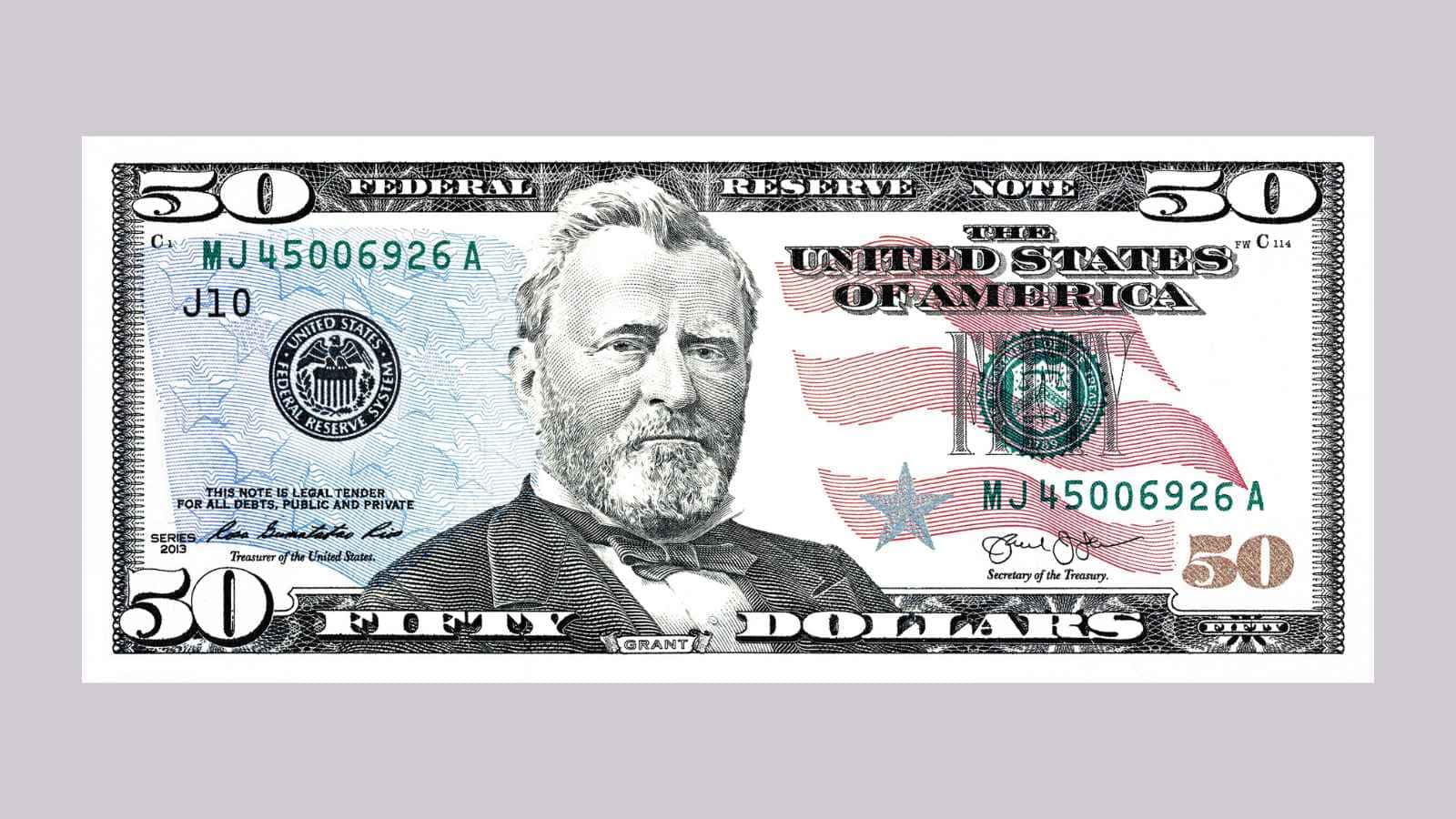
Ask a bank teller which bills customers prefer, and you’ll probably hear two common answers. People want crisp $100 bills for large withdrawals or practical $20 bills they can spend almost anywhere. The $50 bill sits uncomfortably between those choices. Even though the United States printed a record 756 million $50 bills in 2022, they still circulate far less often than several other denominations and frequently sit untouched in cash drawers.
Tellers also know that customers who receive $50 bills may return later asking to exchange them for smaller notes. That creates another transaction and adds work during an already busy day. Many frontline employees simply reach for $20s or $100s unless you specifically request $50s, which keeps reinforcing the bill’s reputation as the denomination nobody really wants.
They Can Slow Down the Line

A smooth teller transaction usually involves grabbing a familiar combination of bills without pausing to calculate an unusual mix. A request for $50s can interrupt that rhythm. The teller may need to rethink the payout, open a separate strap, check another drawer, or contact the vault if there aren’t enough $50 bills immediately available.
The delay might be only 30 seconds for one customer, but those seconds add up when dozens of people arrive during a lunch rush. Wait times quickly become noticeable, and complaints can follow. Since many branches operate with minimal staffing, tellers often learn that unusual denomination requests, including stacks of $50s, are easier to avoid when the lobby is crowded.
Cash Drawers Favor $20s and $100s
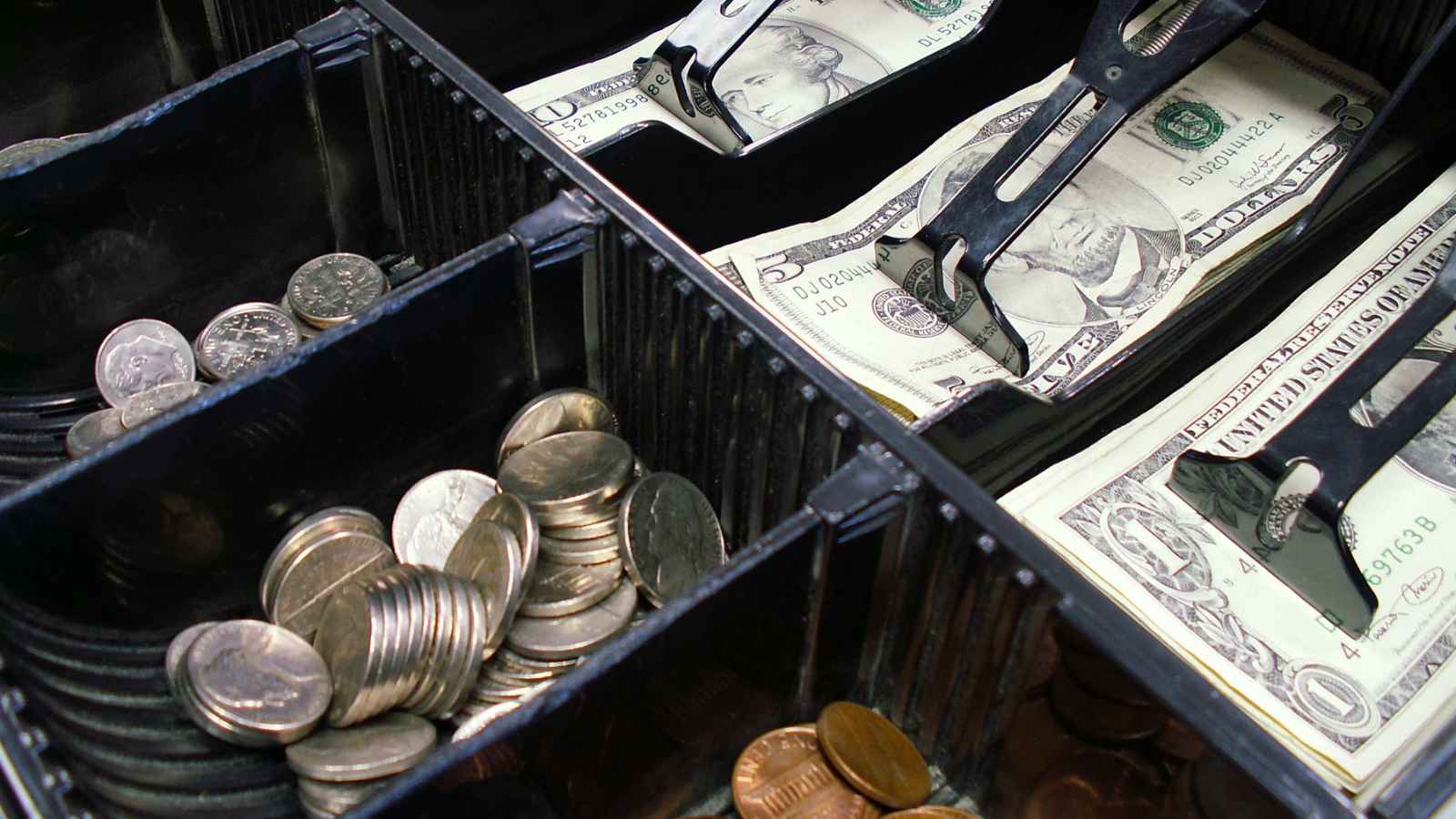
Modern teller drawers and ATM cassettes are usually arranged around denominations that move quickly. The $20 bill often receives the most space because it remains a workhorse for everyday spending. The $100 bill serves people making larger withdrawals. The $50 bill, when stocked, may be placed in a smaller compartment or kept in a separate strap that isn’t replenished as often.
That physical setup affects teller behavior more than you might expect. Employees naturally reach for the bills directly in front of them, especially when serving customers quickly. Since $20s and $100s are easier to access, they become the default choice. Over time, the $50 starts to feel like a secondary option that appears only when a customer requests it, or branch policy calls for it.
They Make Inventory Balancing More Difficult

Banks need to keep enough of each denomination to meet demand without holding more physical cash than necessary. Cash has to be counted, secured, transported, and insured, so branches carefully track what comes in and what goes out. When a teller distributes an unusual number of $50 bills, the branch may become short on that denomination while remaining overstocked with $20s or $10s.
Some branches actively encourage tellers to distribute denominations they have in excess. A teller might push $20 bills because the branch has too many and needs to move them before the next cash shipment. One employee explained that having “an abundance of twenties that we need to distribute” can make a request for $50s inconvenient because it works against the branch’s cash management targets.
Many Stores Don’t Like Accepting Them

Tellers understand that getting cash from the bank is only the first part of the experience. You still need to spend it somewhere. An increasing number of retailers refuse larger bills or display signs saying they won’t accept $50s or $100s. Their reasons usually involve counterfeit concerns and the difficulty of making change from a small register.
That creates a predictable problem. A customer receives several $50 bills, visits a supermarket, gas station, café, or small shop, and discovers that the business won’t take them. The customer may then return to the bank frustrated and ask for smaller notes. To prevent that inconvenience, tellers often hand out bills that are more widely accepted, particularly when the customer hasn’t requested a specific denomination.
Counterfeit Concerns Are Higher
Larger bills appeal to counterfeiters because every successful fake delivers a bigger payoff. The $50 bill occupies an unusual sweet spot. It carries enough value to make counterfeiting worthwhile, yet some merchants may examine it less carefully than a $100 bill. Modern $50 notes include security threads, watermarks, microprinting, and color-shifting ink, but plenty of consumers and businesses don’t check every feature.
A counterfeit bill that can be traced back to a bank may still create financial and reputational problems, even when staff followed normal procedures. Banks therefore have strong reasons to monitor higher denominations carefully. Some institutions, formally or informally, encourage tellers to limit the number of $50 bills leaving the branch unless a customer specifically requests them or the withdrawal amount makes them necessary.
They Create Problems When Making Change

Think about the purchases you make during an average day. A $50 bill can feel too large for coffee, a taxi ride, lunch, or a quick stop at a convenience store. At the same time, it may feel unnecessary for major purchases because most people use cards or digital payments. Handing a $50 bill to a small merchant can drain the register of smaller bills and force the business to open its cash reserves.
Bank tellers hear complaints from both sides. Customers say nobody wants to break their $50 bills, and business owners complain about people using large notes soon after the store opens. Tellers can avoid much of that friction by distributing $20s instead. A $20 bill fits naturally into far more transactions and rarely creates the same conflict over change.
Bigger Bills Can Increase Safety Risks
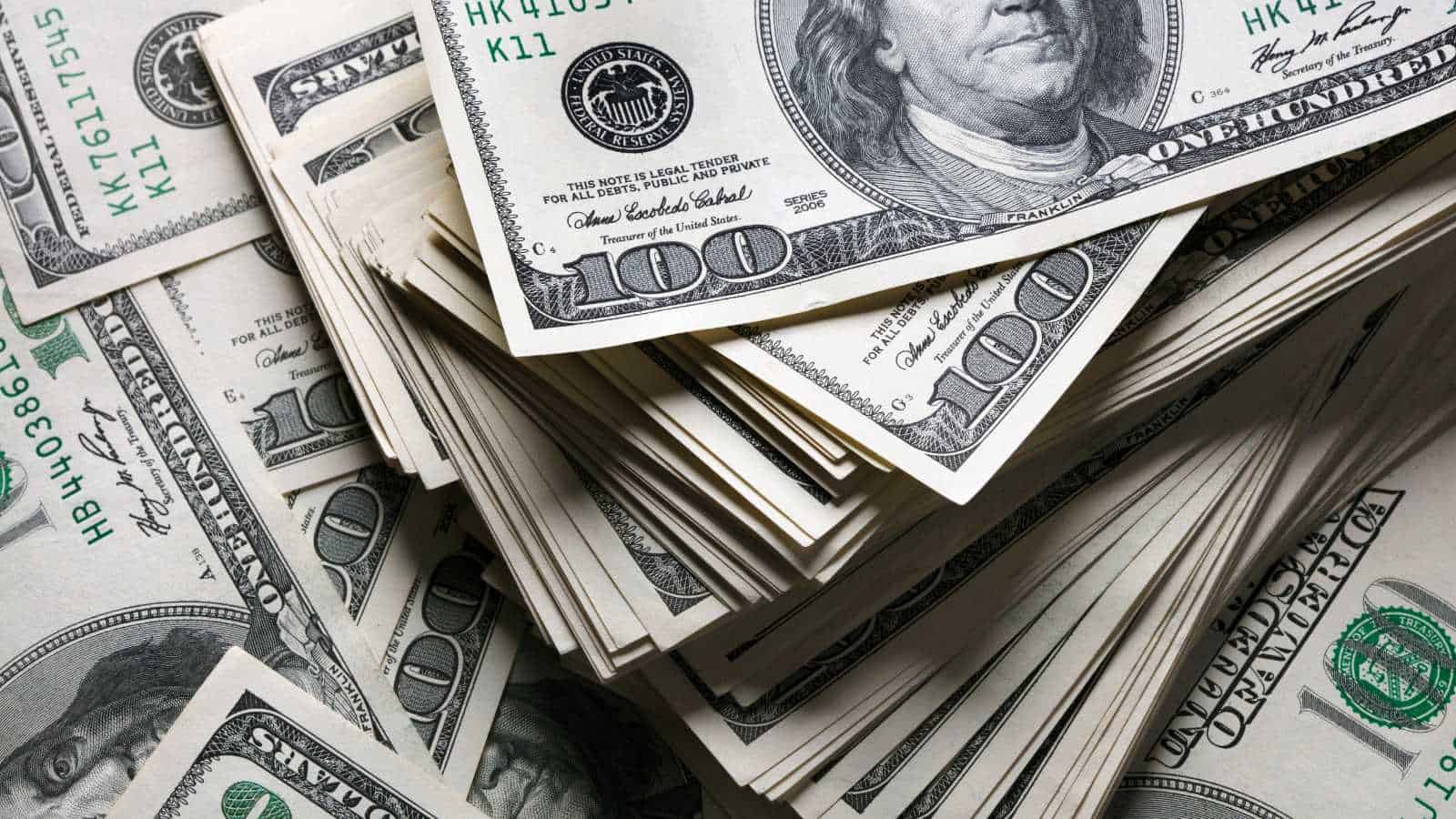
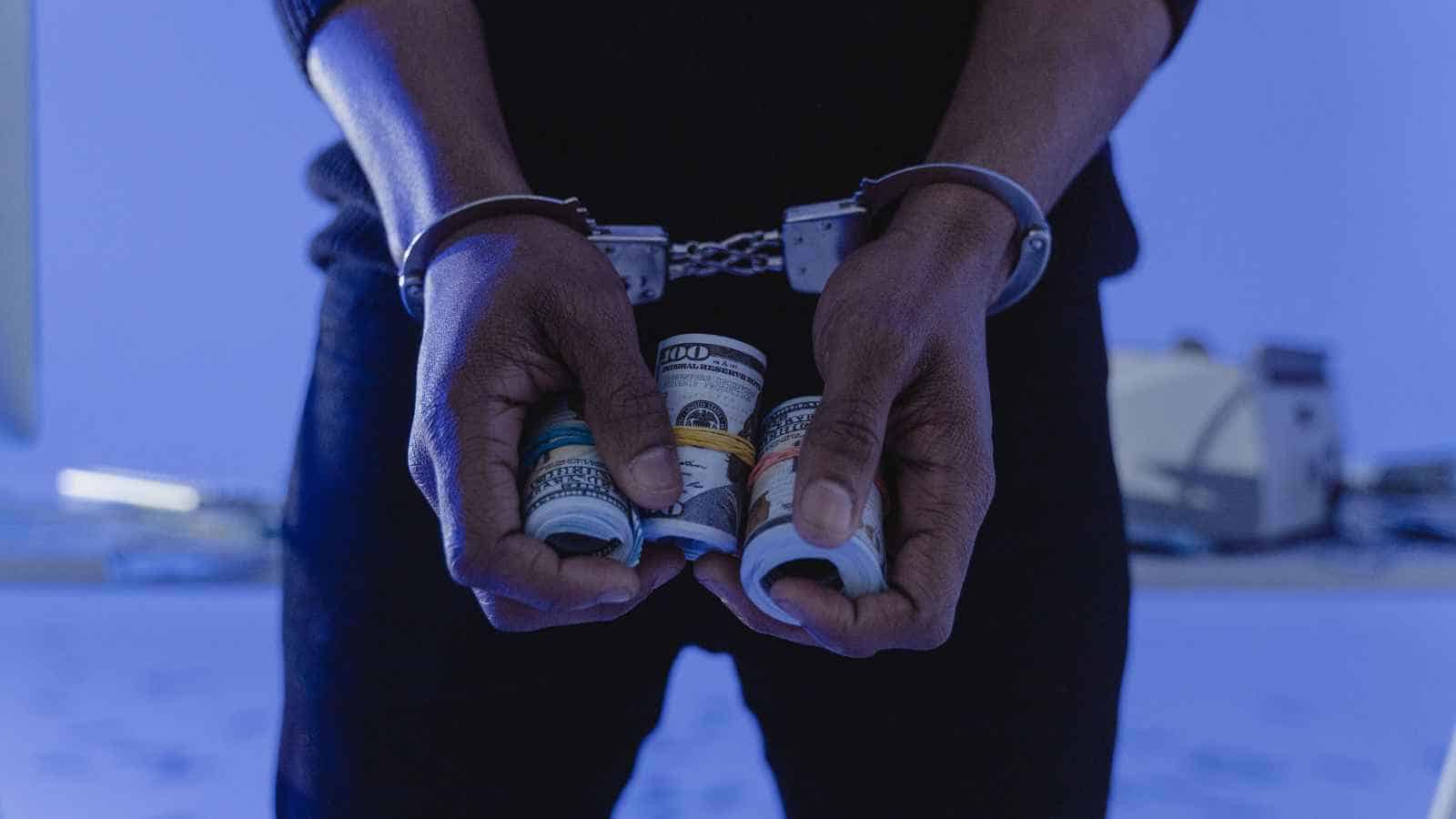
Tellers sometimes consider your safety when deciding how to prepare a large cash withdrawal. Walking out of a branch with a visible stack of higher-denomination bills may attract unwanted attention. Security professionals warn that carrying large amounts of cash can make someone a more appealing target for theft, especially near banks and ATMs where criminals may watch customers make withdrawals.
A teller may gently encourage you to take fewer physical bills, use smaller denominations, or consider a card, cashier’s check, or electronic transfer. You might also hear the reminder that “the best financial security begins with yourself.” Smaller bills don’t eliminate risk, but they can make the amount of money you’re carrying less obvious and less convenient for someone hoping to steal a compact stack of valuable notes.
They Can Complicate Fraud and Compliance Reviews

Banks are required to watch for unusual cash activity under anti-money laundering rules. A large withdrawal in $50s or $100s may attract additional attention when it doesn’t match the customer’s normal behavior or when the source and purpose of the funds are unclear. Higher denominations allow someone to move a large amount of value in a small envelope, so tellers are trained to notice suspicious patterns.
Most ordinary customers will never see the internal process behind these checks. Still, an unusual request may lead to extra questions, documentation, reviews, and possible regulatory exposure for the bank. Tellers may prefer common denominations that look more consistent with routine spending and are less likely to create additional work or trigger internal concerns.
Many ATMs Don’t Dispense Them
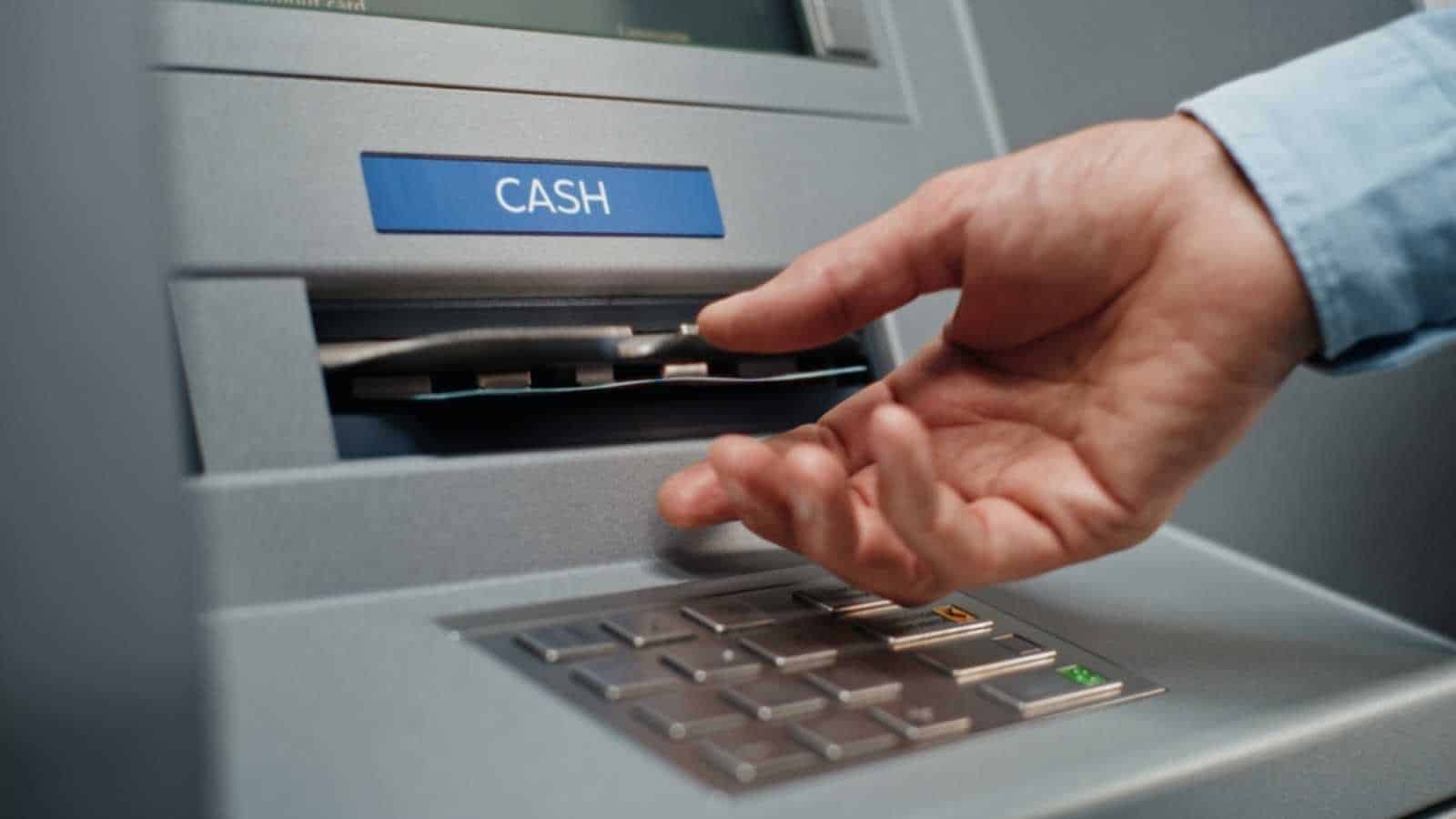
ATMs in many regions are stocked almost entirely with $20 bills because that denomination works for a wide range of withdrawal amounts. A machine filled with $20s can easily dispense $40, $60, $80, or $100 without requiring several bill types. Machines that offer $50s are often located in premium banking areas or programmed to provide them only when a customer withdraws a larger amount.
Years of receiving $20s from ATMs have shaped what customers expect cash to look like. People are familiar with $20 bills, know where they can spend them, and rarely have trouble getting change. Tellers see those preferences at the counter and often follow the same pattern. The fewer $50s customers encounter, the less comfortable they become using them, pushing the denomination further into the background.
Superstition Still Shapes Demand

It may sound irrational, but some customers view $50 bills as unlucky. Tellers have shared anecdotes about people refusing the denomination because they associate it with bad luck, gambling losses, or unpleasant financial experiences. These beliefs can vary between communities, families, professions, and cultural traditions, but they still influence whether someone wants to carry or gift a $50 note.
There’s no financial evidence that one denomination brings worse luck than another, yet perception matters in banking. After hearing enough customers say, “No $50s, please,” tellers begin anticipating the preference. Instead of asking every person whether they want them, employees may skip the $50s entirely and choose bills that customers tend to find more familiar and psychologically comfortable.
Customer Preferences Keep Reinforcing the Pattern

Current and former tellers have discussed the issue in informal Reddit conversations and on-the-record interviews. Many say they avoid giving out $50 bills because most customers dislike them or accept them only when they have no other choice. Those observations match a broader consumer habit: people prefer the denominations they see and use regularly, and $20 bills still dominate many cash transactions in the United States.
This creates a self-reinforcing cycle. Low customer demand leads banks and ATMs to stock fewer $50s. Reduced availability makes the bills less visible, which makes people even less likely to request or use them. Unless payment habits or cash stocking policies change in a major way, the $50 bill will probably remain the note tellers reach for last and quietly discourage whenever they can.
More Money Content:
- You saved for retirement. Did you prepare for the part money can’t fix?
- Need some quick cash? Pawn shops are looking for these 12 things
- Dave Ramsey’s simple money philosophy starts with one decision you make every day