10 everyday habits that may help manage high blood pressure
A high blood pressure reading can be unsettling, especially when you feel perfectly fine. And when the advice you hear is to “eat better” or “get more exercise,” it can be hard to know what to do differently tomorrow morning.
Some changes start with routines you already have. The sodium in a favorite packaged snack may be worth a second look, and a more regular bedtime is another place to start. Even emptying your bladder before a home blood pressure check can help you get a more accurate reading.
Other ideas, like handgrip training and hibiscus tea, have also been studied for their effects on blood pressure. These 10 habits cover everything from what goes in your grocery cart to how you take a reading at home, with practical ways to support the treatment plan you and your clinician have in place.
Squeeze in daily isometric handgrip exercises
Isometric exercise is a sneaky-good way to drop those numbers quickly. While standard cardio exercises like jogging drop systolic pressure by about 4.49 mmHg, squeezing exercises yield a massive 8.24 mmHg drop.
All it takes is squeezing a simple handgrip tool for 2 minutes per hand with moderate effort. This quick physical push forces the vascular system to widen and relax almost immediately.
Breathe slowly with the seven-second trick
A quick breathing break instantly halts stress hormones from tightening the arteries. The technique is simple: inhale deeply for four seconds, hold for one second, and exhale for two seconds.
Dr. Syra Hanif, a cardiovascular specialist, teaches this trick to help patients manage sudden, anxiety-induced spikes in blood pressure. Slowing things down for just three minutes tells the nervous system to relax the blood vessels.
Sip two cups of hibiscus tea daily
A simple cup of freshly brewed hibiscus tea does wonders for stiff blood vessels. Studies show that drinking two cups of this tart herbal tea daily can lower systolic pressure by 5-10 mmHg.
The red petals contain antioxidants called anthocyanins that act like mild, organic blood pressure drugs. It’s a fantastic, caffeine-free alternative to sugary morning drinks.
Fix the sodium-to-potassium balance
Cutting down on processed foods is vital because the salt shaker isn’t the only culprit. Mayo Clinic-trained cardiologist Dr. Elizabeth Klodas warns that eating just one small bag of potato chips daily adds ¾ of a cup of salt to the body, which can add up to 15 pounds over a year.
She points out that excessive sodium intake raises blood pressure and impairs blood vessel function within hours of eating. Instead, eating potassium-rich foods like bananas and sweet potatoes helps the kidneys flush out that nasty salt build-up.
Enjoy a small piece of dark chocolate
Eating dark chocolate with at least 70% cacao is a delicious way to boost vascular health. The flavonoids in cocoa help the body produce nitric oxide, which naturally relaxes the arteries.
High-quality dark chocolate slightly lowers systemic pressure when kept in check. One should limit the treat to just a single ounce daily to avoid packing on extra calories and sugar.
Snag six to eight hours of regular sleep
A chaotic sleep routine is a major cause of sudden and unpredictable daytime spikes. Just one night of restless tossing and turning can elevate arterial pressure for the entire next day.
Dr. Luke Laffin, a heart specialist at the Cleveland Clinic, notes that inconsistent sleep schedules are incredibly hard on the vascular system. Going to bed and waking up at the same time is key to healthy cardiovascular function.
Go to the bathroom without delaying
Holding a full bladder is a weird but very real trigger for sudden blood pressure spikes. Dr. Luke Laffin explains that a full bladder sends stress signals to the brain, raising pressure by 10 to 15 points.
When blood pressure climbs, the body signals the person to urinate to help lower it naturally. Using the restroom immediately prevents these unnecessary, stressful spikes.
Eat gut-friendly fermented foods

Nurturing the gut microbiome is a great, underrated way to protect the cardiovascular system. Consuming fermented foods like kimchi, kefir, and sauerkraut is associated with a 13% lower risk of developing hypertension.
These tasty additions promote beneficial bacteria that fight off arterial inflammation. Adding a daily serving of fermented foods is a tasty way to support blood flow.
Fill up on natural magnesium
Magnesium acts as a natural calcium blocker, which otherwise causes the heart and arteries to contract too hard. Getting enough magnesium keeps the arterial walls loose, relaxed, and happy.
NYU Langone heart expert Dr. Shaline Rao explains that magnesium relaxes blood vessels to help address the factors that drive high blood pressure. While supplements have a modest effect, eating greens, beans, and seeds is the ultimate way to boost magnesium.
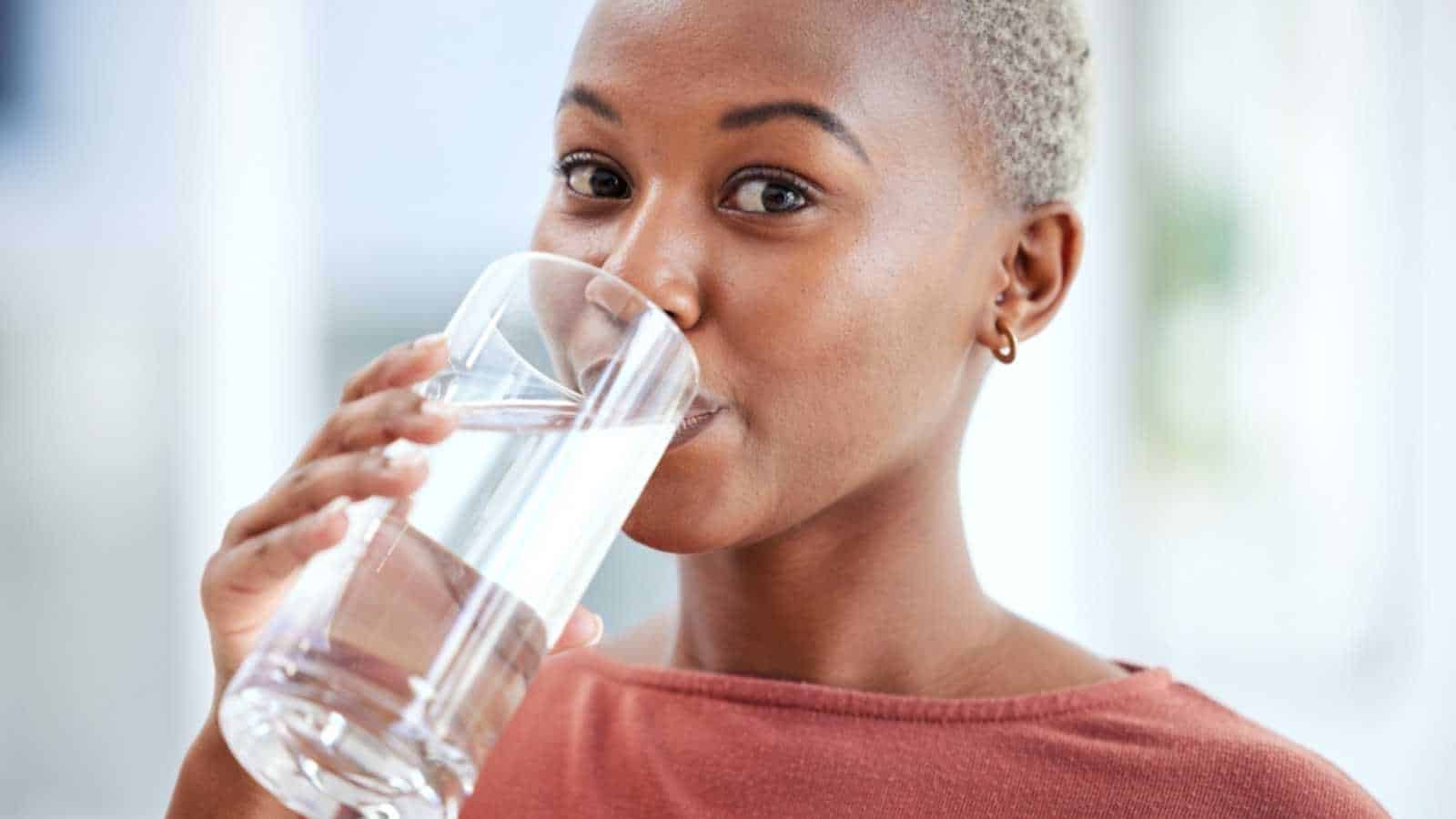
Stay hydrated with clean water
Staying properly hydrated prevents the blood from getting thick and sticky. When dehydration strikes, the brain constricts blood vessels to conserve water, causing a spike in blood pressure.
The Heart Foundation confirms that drinking enough water reduces systemic strain and supports optimal blood flow. Sipping about eight glasses of water daily keeps the whole system running smoothly.
Key takeaway
Lowering blood pressure doesn’t require a total life overhaul. Simple, daily adjustments like slow breathing, quick handgrip exercises, and drinking hibiscus tea produce fast, measurable drops. By prioritizing quality sleep, proper hydration, and healthy sodium-to-potassium choices, busy professionals can easily safeguard their hearts.
More articles you might like:
- 11 Nutrition Recommendations For Women
- Nursing Homes Are Failing To Meet Basic Nutrition Standards Putting Seniors At Risk
- What’s Really In Baby Food? Independent Analysis Uncovers Toxic Metals And Nutritional Gaps