A massive egg shortage is looming again this summer, but experts say avian flu isn’t the only culprit this time
The next time you reach for a carton of eggs, you may be paying for a whole lot more than breakfast.
We all remember the great grocery store scramble of a few years ago when breakfast staples suddenly became luxury items. Just when you thought it was safe to plan your weekend baking spree, another crisis is brewing in the poultry aisles.
Grocery shoppers across America are bracing for severe sticker shock as the temperature rises this summer. It seems like a massive scramble is lurking right around the corner, threatening our morning omelets and weekend brunches alike.
The Lingering Shadow Of Avian Influenza
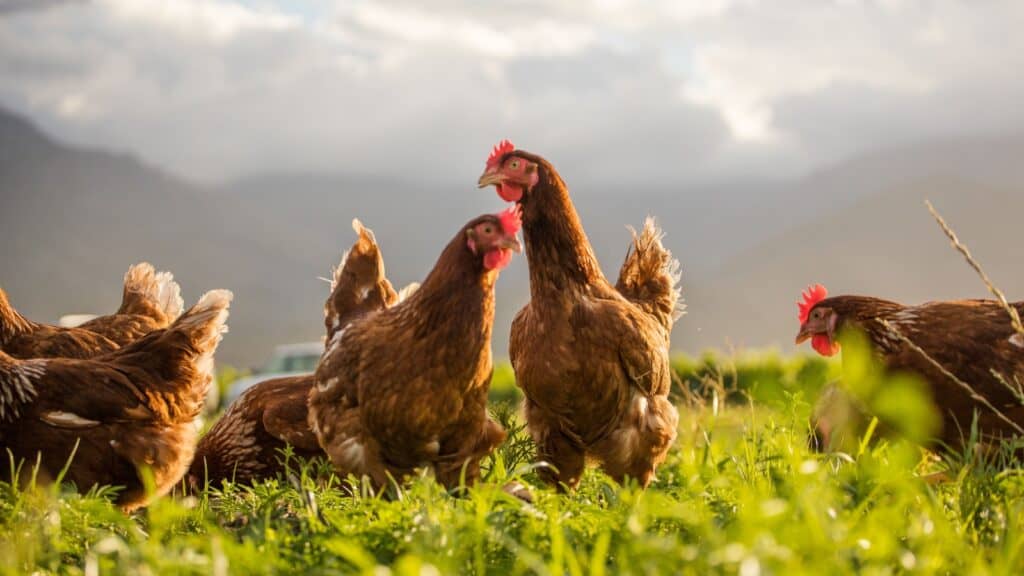
The bird flu has been a persistent nightmare for poultry farmers across the country for the last few years. Whenever a positive case pops up, entire barns have to be cleared out to stop the spread in its tracks. This preventative measure keeps other animals safe, but it absolutely ruins the supply chain for months on end.
You simply cannot flip a switch and instantly replace millions of laying hens overnight. Farmers have to completely sanitize their facilities and wait for the all-clear before bringing in new chicks. By the time production ramps back up, the summer rush is already well underway, and shelves look bare.
High Costs Are Squeezing Our Farmers Dry

Running a farm takes a lot of cash, and everything from tractor fuel to chicken feed has gotten wildly expensive. Despite the global egg market hitting an impressive $311.23 billion in 2026 404, many independent producers are struggling to keep the lights on. The math simply does not work in their favor when operating expenses outpace the wholesale price of their goods.
Every single time a feed truck pulls into the driveway, the farmer feels the pinch in their wallet. You cannot expect farmers to operate at a loss indefinitely just to keep grocery store shelves fully stocked. Eventually, these sky-high production costs get passed right down to the everyday American consumer.
A Massive Shift In Consumer Protein Diets

Americans are eating more protein than ever before, and they want cheap, accessible options to fuel their busy lifestyles. This ravenous appetite puts immense pressure on a system that is already struggling to keep up with basic demand. For instance, Wisconsin produced just 91.7 million eggs in April 2026 as facilities fought to meet these surging national cravings.
People are cracking open a dozen cartons faster than the hens can physically do their jobs. When you combine this intense consumer demand with a shrinking supply, you get the perfect recipe for empty coolers. It is basic economics playing out right in the middle of the dairy aisle.
Processed Alternatives Are Stealing The Supply
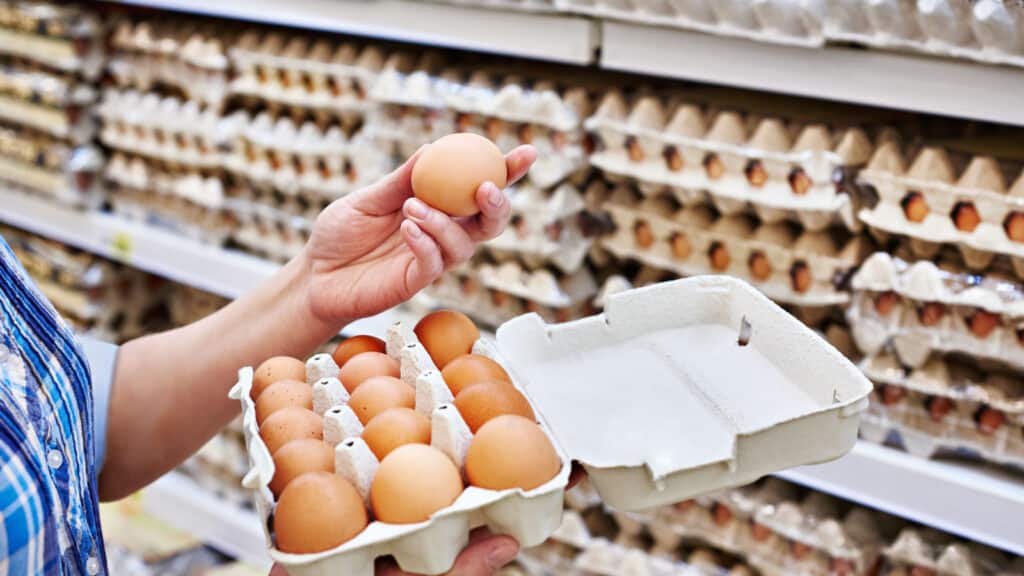
The industrial food sector gobbles up a massive portion of the nation’s poultry output before it ever reaches a grocery store. Factories need an endless supply of liquid yolks and whites to manufacture all those convenient boxed cakes and frozen breakfasts. This behind-the-scenes drain on the market leaves fewer whole cartons available for regular families.
Commercial bakeries lock in massive contracts, meaning everyday shoppers are essentially competing against giant food corporations. We are seeing the results of this tug of war, with some regions experiencing a 57 percent drop in available inventory compared to last year. You simply cannot satisfy both massive industrial factories and millions of hungry families with a compromised flock.
Mother Nature Throws A Summer Curveball
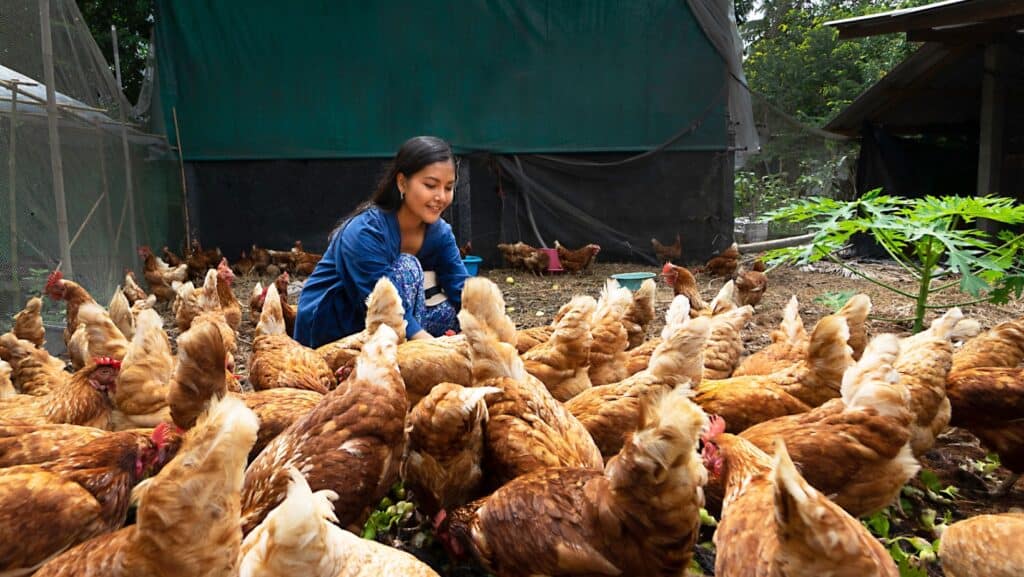
Extreme heat waves put intense physical stress on laying hens, causing their natural production cycles to slow down drastically. When the mercury climbs too high, chickens naturally eat less feed and lay significantly fewer eggs. This biological reality creates a seasonal dip in inventory right when families are stocking up for summer baking and camping trips.
Farmers try their best to keep the barns cool with massive fans, but you cannot entirely outsmart the blazing sun. The national laying flock previously climbed to 308 million hens, but a heat wave can make even a massive group underperform. Every single degree above normal chips away at the total daily output of a commercial barn.
Recovering A Flock Takes Serious Time

You cannot just order a million mature chickens off the internet with next-day shipping. Experts note that replacing a lost commercial flock can take close to two years from start to finish. A farmer has to buy young chicks, raise them carefully, and wait for them to reach their productive laying age.
This prolonged waiting game leaves a gaping hole in the market that cannot be easily patched. While the barns sit empty, the nationwide shortage grows more severe with every passing week. It is a test of patience for the farmers and a test of budgets for the folks shopping at the supermarket.
Cage-Free Upgrades Are Draining Bank Accounts

New state laws are requiring farms to switch to cage-free housing, which demands completely tearing down and rebuilding existing barns. This massive structural overhaul takes millions of dollars and forces perfectly good facilities to sit idle for months. While the result is better for animal welfare, the immediate transition severely cripples the daily output.
Many small operators simply cannot afford the hefty construction bills and choose to exit the business entirely. This loss of infrastructure compounds the tragedy, especially when over 3 million birds were recently culled at a single Wisconsin farm. We are losing vital producers at the exact moment our country needs them the most.
Transportation Hiccups Block The Grocery Aisles

Getting fragile cargo from a rural farm to an urban supermarket is a logistical headache that keeps getting worse. A shortage of reliable truck drivers means that pallets often sit waiting on loading docks instead of moving across the highway. You cannot sell what you cannot ship, and these delivery delays create artificial shortages in major city centers.
Diesel fuel costs are also hitting record highs, making every single delivery route noticeably more expensive. Distributors are forced to consolidate routes, meaning your local store might only get one delivery a week instead of three. If you happen to shop on the wrong day, you will be staring at an empty refrigerated shelf.
Financial Burnout Plagues The Poultry Industry
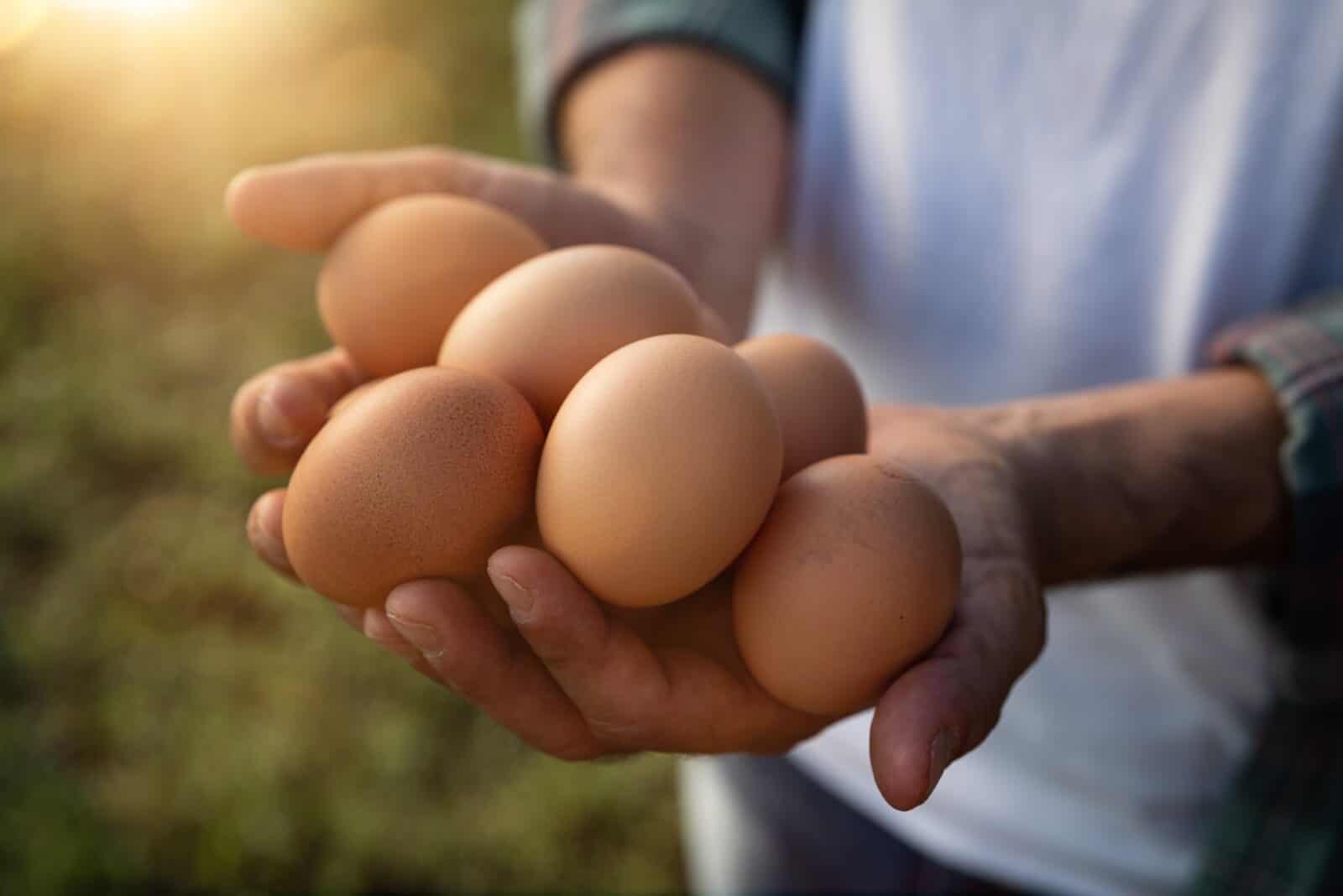
Farming has always been a tough gig, but the current economic climate is pushing many generational operators to their breaking point. The constant threat of disease and the crushing weight of debt have made this business incredibly stressful. We are seeing a wave of early retirements as exhausted farmers decide to throw in the towel for good.
When an experienced producer leaves the industry, they take decades of irreplaceable operational knowledge with them. Newcomers are hesitant to take their place because the initial startup costs are practically insurmountable. This slow drain of human talent is quietly threatening the long-term stability of our entire food supply.
High Tech Surveillance Brings New Hope

Despite the gloomy outlook, brilliant scientists are working hard to protect our food systems from future disasters. Researchers are deploying artificial intelligence to detect diseases in the barns before they can spread out of control. Catching a problem early means a farmer might only lose a single row of birds instead of the whole property.
These high-tech solutions give producers a fighting chance against a rapidly changing environment. By embracing modern technology, the agricultural community hopes to stabilize prices and keep breakfast affordable for everyone. It might take a little time to see the results, but a smarter farm is definitely a stronger farm.
Like our content? Be sure to follow us