Pedestrian deaths up 75% since 2009, big SUVs and trucks blamed
American roadways have quietly transformed into a lethal environment for those traveling on foot, marking a devastating reversal in public safety.
National statistics reveal a critical trend that challenges decades of historic gains in pedestrian safety. A sudden and sustained surge in pedestrian deaths began around 2009, driven by shifting vehicle designs and emerging urban hazards.
A joint investigation by The New York Times and the Insurance Institute for Highway Safety confirms that pedestrian fatalities have spiked by 75% since 2009.
The detailed analysis of federal crash databases and previously unreleased vehicle dimensions points directly to the commercial success of oversized sport utility vehicles and pickup trucks. The structural shift toward larger consumer automobiles has introduced massive blind zones and aggressive front-end geometry to public roads.
The lethal physics of high hoods and front-end geometry
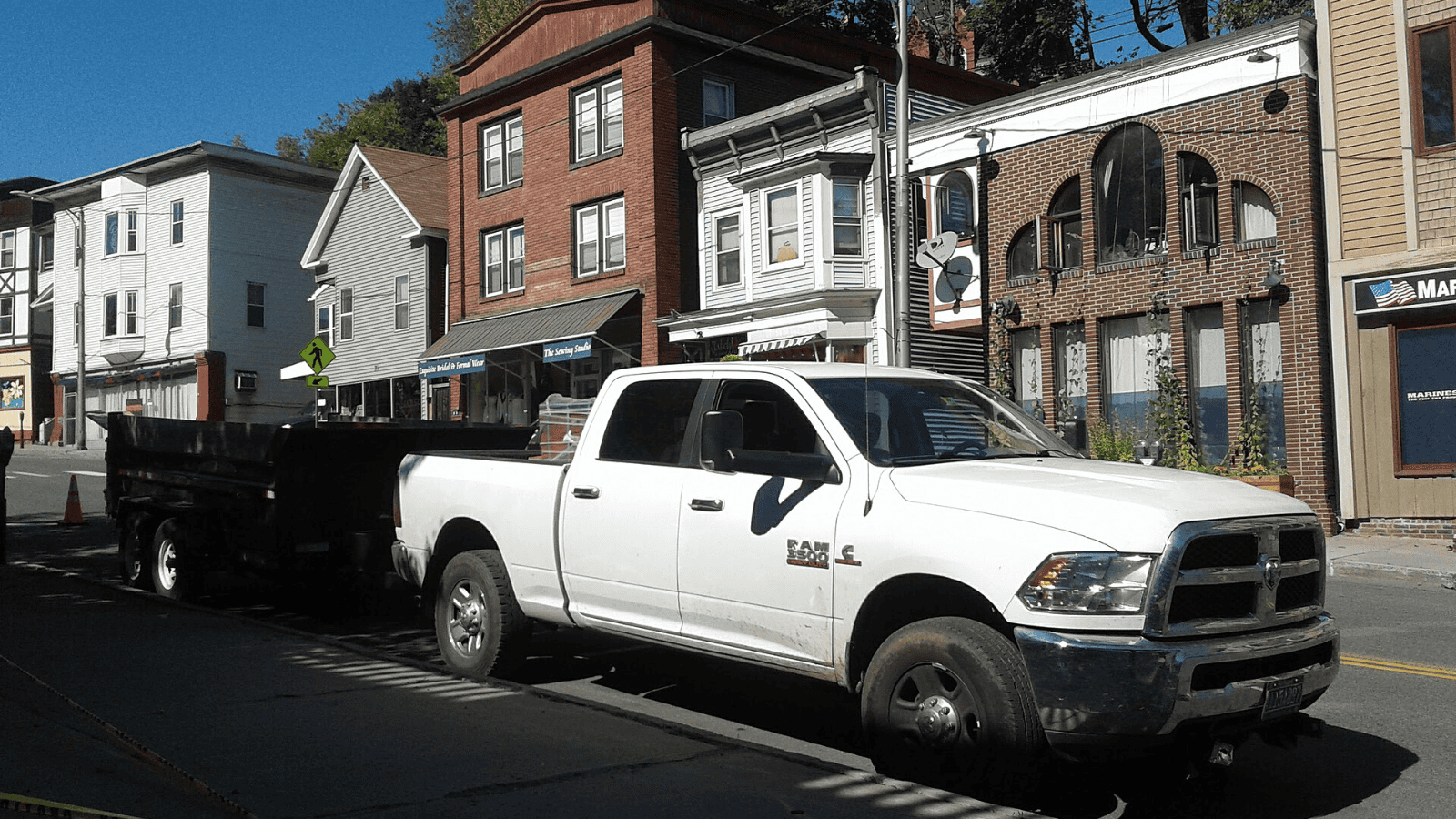
The probability of surviving a collision with a passenger vehicle depends heavily on the point of physical impact.
Traditional low-slung sedans historically struck pedestrian victims below their center of gravity, causing them to roll onto the vehicle hood. Modern light trucks and heavy utility vehicles present a flat, wall-like front end that strikes victims at or above their center of mass.
This design dynamic punts the pedestrian forward onto the asphalt rather than throwing them onto the hood. As a result, the victim is frequently knocked down directly in front of the moving vehicle, dramatically increasing the risk of lethal run-over injuries.
Collision data reveal that even low-speed impacts from high-riding vehicles are increasingly catastrophic for children and shorter adults.
Anyone shorter than 5-foot-6, representing roughly half of the adult American population, is struck at chest level. “We see a lot of devastating collisions even at lower speeds because the pedestrian gets punted forward,” explains Shawn Harrington of Forensic Rock. “Before the driver knows what’s happened, the pedestrian’s head is under the wheel,” Harrington notes regarding the physical mechanics of modern crashes.
The research estimates that if passenger fleets had maintained their early 2000s dimensions, between 2,624 and 3,077 pedestrian lives could have been saved between 2016 and 2024. This means that over 3,000 deaths are directly attributable to taller hood profiles and expanded frontal vehicle geometry.
Regulatory structures and the CAFE footprint loophole

The dramatic physical expansion of passenger vehicles is not merely a reflection of consumer preference.
Federal regulatory frameworks implemented in the late 2000s inadvertently incentivized manufacturers to build larger vehicles. In 2007, the Corporate Average Fuel Economy rules were overhauled to establish standards based on a vehicle’s footprint. The footprint is defined as the square footage between the four wheels where they touch the road.
Under these guidelines, smaller footprints face much stricter fuel economy targets than larger footprints. A light truck with a small footprint faces a target of nearly 40 miles per gallon, while a massive truck faces a target closer to 26 miles per gallon. Automakers exploited this structure by increasing vehicle dimensions to qualify for laxer fuel standards.
This approach allowed manufacturers to avoid expensive engineering solutions by making models wider and taller. Consequently, the average mass of new vehicles has steadily climbed while smaller, lightweight options have been phased out of production.
Compared to 1980s models, modern pickup trucks are typically five feet longer, twenty inches wider, and ten inches taller.
Strikingly, the length of the cargo truck bed has only grown by about five inches on average.
The rest of the physical growth is concentrated in bloated cabs, massive front grilles, and elevated hood lines that can measure up to 53 inches tall.
Distinguishing international safety trends and infrastructure gaps

Proponents of vehicular expansion often point to distracted driving and smartphone use to explain the surge in fatalities.
However, comparative global data contradict this singular focus on driver distraction.
While European nations have experienced similar rises in smartphone adoption, their pedestrian deaths have steadily declined. The core divergence lies in systemic infrastructure gaps and localized transit paradigms.
European cities employ physical speed-calming designs, including chicanes, narrow lanes, and shared spaces. American roadways are engineered like high-speed highways, encouraging rapid transit through residential and commercial areas. Safety statistics compiled by the Governors Highway Safety Association show that 65% of fatal pedestrian impacts occur in locations without sidewalks.
Nighttime visibility remains another major contributor to fatal pedestrian encounters on American roads. Over 75% of pedestrian fatalities occur after dark, a figure that skyrocketed by 84% between 2010 and 2025.
By comparison, daytime pedestrian fatalities only increased by 28% over the same thirteen-year span. Additionally, pedestrian deaths are climbing at a rate far outstripping overall vehicle occupant fatalities.
Between 2009 and 2023, pedestrian fatalities rose by 80%, while all other traffic-related deaths increased by just 13%. Furthermore, one in four pedestrian deaths involves a hit-and-run incident where the driver flees the scene.
Critical safety briefing for immediate action
Addressing this public health crisis requires immediate structural reform across multiple dimensions.
Relying solely on educational campaigns for distracted drivers is insufficient when vehicle geometry remains inherently lethal. Regulatory authorities should consider closing the footprint loophole to discourage the production of oversized consumer fleets. Some experts advocate for introducing specialized licensing classes for passenger vehicles weighing over three tons.
This specialized class would require drivers of giant trucks to demonstrate advanced vehicle handling and blind-spot awareness. Until physical vehicle designs scale down, pedestrian safety will depend entirely on localized traffic-calming interventions. The steep rise in American pedestrian deaths since 2009 is a direct consequence of lax vehicle regulations and expanding truck dimensions.
Mitigating this national trend requires a comprehensive strategy that combines federal regulatory updates, aggressive sidewalk construction, and improved nighttime illumination.
The data clearly shows that public safety is currently being traded for vehicular scale.
Disclaimer – This list is solely the author’s opinion based on research and publicly available information. It is not intended to be professional advice.
Like our content? Be sure to follow us