As a veterinarian, these 11 dog breeds are the only ones I would personally own
Across the United States, pet insurance data now tracks millions of vet visits every year, and one trend stands out: certain dog breeds consistently cost hundreds less in annual care while showing fewer chronic health issues.
Veterinarians notice these patterns long before the numbers show up in reports. You sit in exam rooms, see the same breeds age well, and watch others struggle with repeated medical problems. Over time, quiet preferences form.
Those preferences rarely come from trends or popularity charts. They come from years of hands-on experience with real dogs and real families. After enough late-night emergencies, routine checkups, and long conversations with owners, a short list of dependable companions starts to stand out.
Border Collie

The morning air feels sharp as you watch a Border Collie sprint across an open field, turning on a dime at the faintest whistle. Their eyes stay locked on the task ahead, alert and focused. That energy is not just impressive to watch. It often signals a body built for endurance and strong health.
Veterinarians tend to trust dogs that were bred to work long hours without breaking down. The Border Collie fits that description better than most. Insurance data support the pattern seen in clinics.
That number reflects more than luck. Herding breeds like this often show fewer chronic conditions because their genetics favor stamina and balanced structure. The result is a dog that stays active well into old age and visits the vet mainly for routine care.
Chihuahua

Tiny nails click across the tile as a Chihuahua trots through the room with surprising confidence. Their size might suggest fragility, yet these small dogs often show impressive toughness over time.
Health surveys referenced by Ask A Vet report that Chihuahua owners follow veterinary advice at a high rate. Around 77 percent report always following care recommendations. That strong compliance helps maintain their long lifespan of 12 to 18 years.
Veterinarians notice how this partnership between owner and pet shapes long-term health. A small dog that thrives in compact living spaces while aging slowly offers a practical choice for busy professionals.
Cavoodle

Soft paws tap across the hardwood floor as a small dog trots toward you with bright, curious eyes. A Cavoodle often carries the playful charm of a companion breed with the sharp mind of a working dog. That mix creates a pet that adapts quickly to family life.
Veterinarians see this balance show up in medical records. Hybrid breeds with strong genetic diversity can avoid some of the inherited conditions common in purebred lines. The PetSure 2025 report placed Cavoodles second for the lowest annual vet claims at $776.
That small difference behind Border Collies still places them far below many popular breeds. Lower costs often mean fewer chronic conditions and less need for repeated treatments. The result is a companion dog that stays playful without demanding constant medical care.
Golden Retriever

Warm sunlight spills across a backyard as a Golden Retriever trots over, carrying a tennis ball, tail sweeping the grass like a slow metronome. Their calm presence fills the space in a way that feels instantly familiar. Many veterinarians recognize that a steady temperament before even touching a stethoscope.
Golden Retrievers often appear in vet recommendation lists because their genetics remain relatively strong compared with many fashionable breeds. A 2025 guide cited by Let Us Bark highlights them for their overall health and lower rate of serious inherited disorders.
Training also plays a role. Dogs that respond well to guidance avoid many injury risks tied to poor behavior. That combination of good structure and easy trainability explains why many vets choose this breed for their own homes.
Labrador Retriever

You hear the splash before you see the dog. A Labrador bursts from the water, shaking droplets across the dock with unstoppable excitement. Labs live for activity, and that lifestyle tends to keep their bodies in strong condition.
Veterinarians often recommend Labradors because their genetics avoid many severe hereditary diseases. Veterinary insights place Labradors high on vet-endorsed breed lists for their friendly nature and physical durability.
Regional data shows the same pattern. A 2025 analysis of 115,000 vet and owner conversations reported by iHeart found that Labradors were the most popular breed across the Northeast and Midwest. That pattern reflects practical experience from thousands of clinics where these dogs remain reliable companions.
Australian Cattle Dog
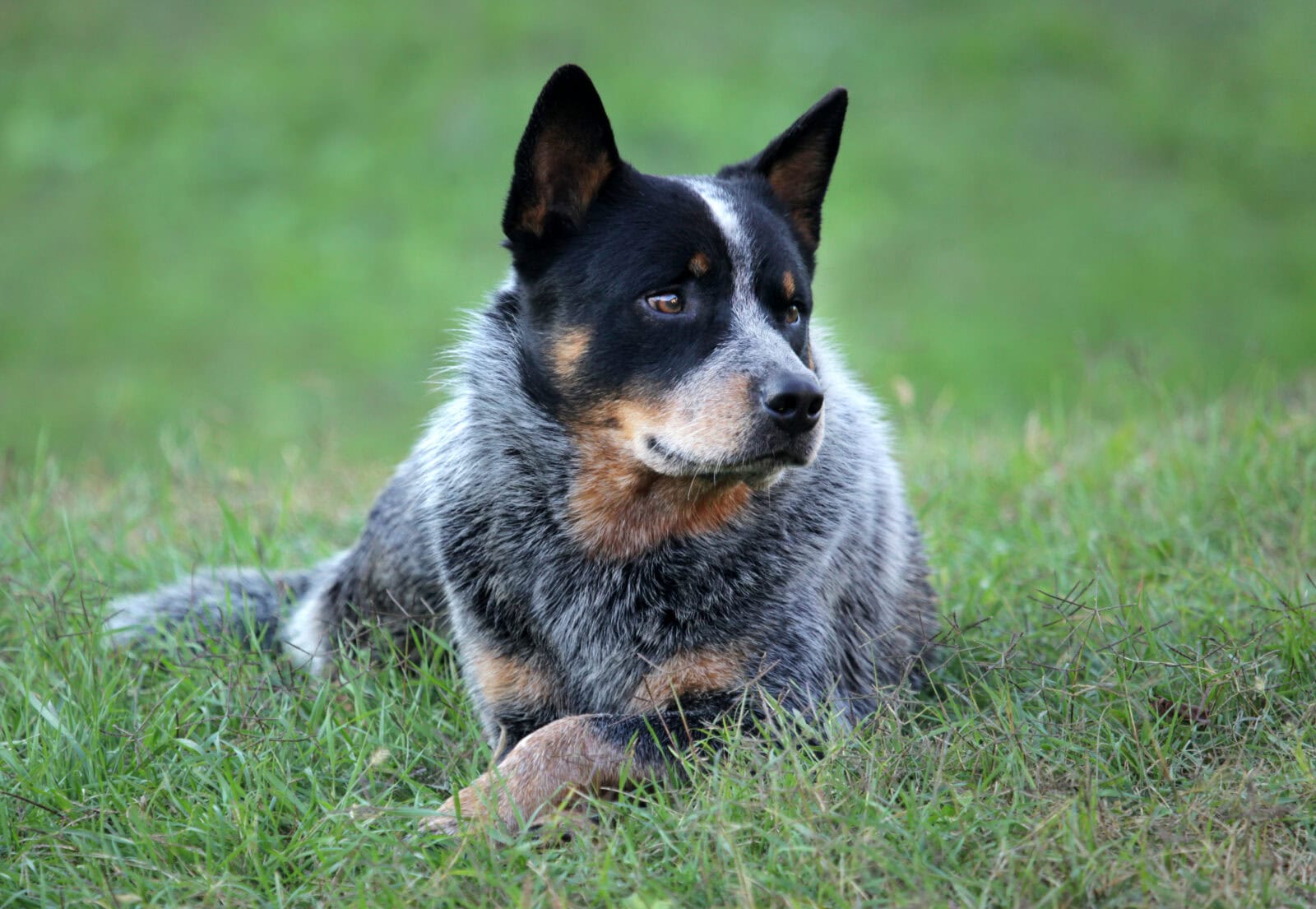
Dust kicks up along a rural trail as an Australian Cattle Dog darts between fence posts, moving with tireless precision. Their compact bodies seem built for endless motion. That endurance often translates into impressive health records.
Veterinary experts cited by PetMD place Australian Cattle Dogs among the healthiest dog breeds known today. They show strong resilience and avoid many inherited conditions common in other popular breeds.
That durability matters for veterinarians who live busy lives. A dog that thrives with daily exercise yet avoids constant medical care fits perfectly into the schedule of someone who already spends long hours inside clinics.
Havanese

Soft fur brushes against your hand as a small Havanese curls beside you on the couch. Their relaxed presence fills a quiet evening with calm companionship. Toy breeds often struggle with fragile health, yet this one tends to age differently.
Health reports highlighted by The Pioneer Woman in 2025 show that Havanese live on average 16 years. That lifespan reflects genetic diversity and a gentle temperament that reduces stress-related health problems.
Veterinarians appreciate dogs that remain lively deep into old age. A breed that can serve as a steady companion for more than a decade without major illness becomes an easy favorite among professionals who see the opposite every day.
Kelpie

The wind moves through tall grass as a Kelpie cuts across the field with quick, controlled steps. Every turn looks deliberate. Their ears stay alert, and their bodies move like they were built for motion that never seems to slow down. You watch them work and quickly realize this is a dog that needs space, purpose, and daily movement.
That energy shapes the way the breed lives. Kelpies were bred to herd livestock across wide land, often for hours at a time. A dog built for that kind of work develops strong muscles, steady joints, and sharp focus. Owners who give them room to run and tasks to solve often see a dog that stays physically and mentally balanced.
Veterinarians tend to appreciate breeds like this because their structure reflects years of practical breeding. A Kelpie thrives with exercise, routine, and mental challenges. Give them those outlets, and you get a companion that stays active, engaged, and ready for whatever the day brings.
Cockapoo

A cheerful bark echoes through a sunny living room as a Cockapoo spins in tight circles near the door. Their personality blends the intelligence of a Poodle with the gentle nature of a Cocker Spaniel.
Popularity trends reflect that balance. A 2025 survey by Tug-E-Nuff placed Cockapoos among the most loved dog breeds in the United Kingdom, ranking just behind Border Collies and Labradors.
Veterinarians often see that popularity is tied to manageable health patterns. The mix of two established breeds can spread genetic risk across a broader pool, reducing the chance of certain inherited diseases.
Australian Shepherd

A cool breeze sweeps across a park as an Australian Shepherd streaks past with bright blue eyes locked on a flying disc. Their movement feels controlled yet explosive, like a dog that thrives on both focus and motion.
Working breeds like the Australian Shepherd tend to maintain strong physical structure. Years of selective breeding for herding tasks favor stamina, balanced joints, and quick recovery after activity.
Veterinarians often respect dogs that combine intelligence with physical durability. A breed that stays active, learns quickly, and avoids excessive medical problems becomes a practical choice for those who spend their days treating less fortunate cases.
Mixed-Breed Dogs
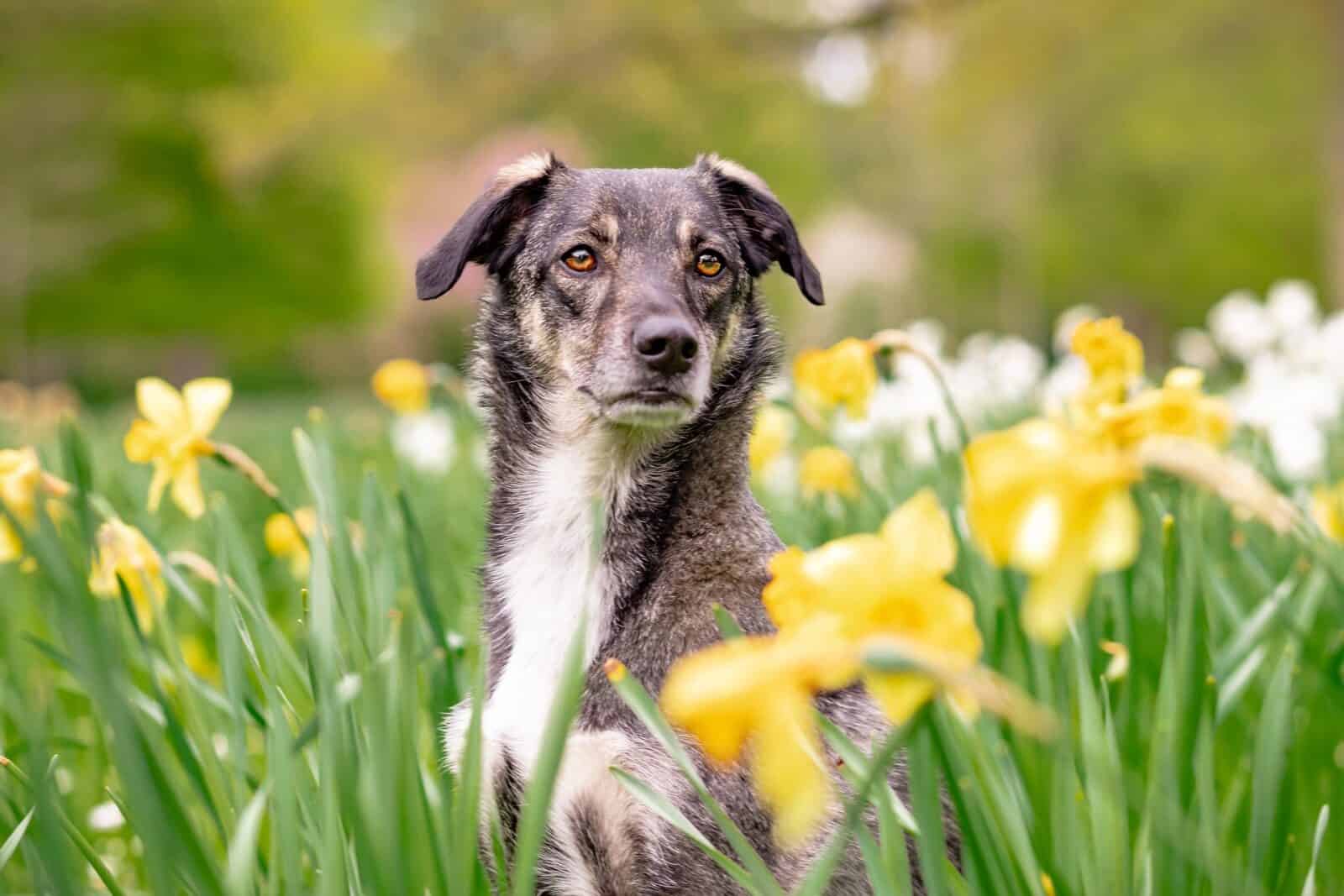
The soft shuffle of paws greets you at the shelter door as a mixed-breed dog lifts its head with quiet curiosity. Every feature tells a different story of ancestry. That mix often brings surprising health advantages.
Genetic diversity spreads inherited risks across a wider pool of traits. Many veterinarians notice mixed-breed dogs visiting clinics less often for breed-specific illnesses.
Years of observation support that impression. Dogs without narrow breeding lines tend to avoid some of the structural and genetic conditions that affect popular purebred pets. For veterinarians who value long-term health above pedigree, mixed breeds are one of the smartest companions to bring home.
Like our content? Be sure to follow us