Culture shift: what it means to be human in a post-social media world
For the first time in years, the endless scroll is slowing, hinting that our relationship with the digital world may be shifting in ways we’re only beginning to notice.
The digital world has been buzzing non-stop, but what if we’re starting to hit snooze? A staggering 5.24 to 5.42 billion people are scrolling through social media every day, according to Piktochart’s 2025 report. Yet, they’re doing it less.
In 2024, the average time spent online dipped to 143 minutes a day, down from 151 minutes in 2023. What’s going on? As our screens become a little quieter, we’re left wondering: Does being constantly connected make life better, or has the digital overload finally taken its toll?
From feeds to finite attention

People are beginning to focus less on the endless scroll and more on offline moments. A keynote speaker at a conference in Canberra in late 2023 put it well: “People don’t live in projects, they live in places.” This reflects a growing shift toward valuing physical presence over digital feeds.
Loneliness in a hyper-connected era
Despite the global boom in digital connectivity, loneliness persists. Gallup News reported in October 2024 that daily loneliness among U.S. adults rose to 20%, its highest in two years, though still below the pandemic peak of 25%. Social media is linked to increased loneliness, particularly among those who use it to maintain relationships.
Identity beyond likes and followers
The average person juggles profiles across seven platforms, constantly curating their identity. However, usage patterns are changing. While younger people still spend hours online, older adults and even Gen Z are moving toward more private communities.
Chasing likes and followers can erode self-worth. When your sense of self is outsourced to likes and followers, it becomes fragile.
Rebuilding trust beyond the algorithm

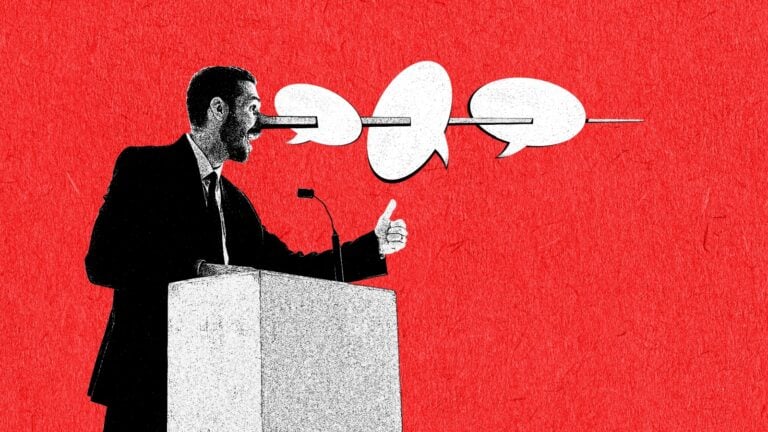
More than half of U.S. adults turn to social media for news. Americans get their news from platforms like Facebook and YouTube. However, trust in this news is low.
A 2024 survey by YouGov for the Reuters Institute found that the public has high levels of concern and little confidence in their ability to distinguish trustworthy news on social media platforms. The future of trustworthy information lies in smaller, curated spaces where relationship-based trust replaces viral reach.
From viral crowds to real communities
Civic engagement is moving from flashy, one-off campaigns to more sustained community-driven projects. This trend emphasizes long-term, relationship-driven participation, with online tools that support rather than replace real-world community life.
AI companions and augmented humanity
Grand View Research projects the global AI market, valued at around $279 billion in 2024, will surge to over $1.8 trillion by 2030. AI tools are becoming everyday companions, assisting with everything from emotional support to creative brainstorming. In 2025, nearly all major AI companies have implemented safeguards to ensure AI enhances human agency rather than replacing it.
Rethinking information diets
Many Americans rely on social media for news. By 2035, platforms like Facebook and YouTube will be among the most popular sources. However, users increasingly question the trustworthiness of information from these platforms, especially during times of polarization.
This shift is leading some to curate more intentional “information diets,” choosing newsletters and podcasts over passive social scrolling.
Choosing depth over constant connection
Global social media users continued to grow, reaching 5.66 billion active user “identities,” representing 68.7% of the world’s population and an increase of 259 million users in the preceding year, according to DataReportal.
People are now experimenting with ways to step back from constant connectivity. Many users opt for time-limited digital detoxes, smaller chats, and offline gatherings.
Key takeaway

Social media is at a crossroads, with global usage slowing and a growing shift toward more intentional, offline, and relationship-driven engagement. While loneliness remains prevalent in our hyper-connected world, people are beginning to prioritize depth over constant digital connectivity. As the world grapples with its place in the digital age, the future will likely be defined by a balance between online connection and physical presence.
Disclosure line:
This article was developed with the assistance of AI and was subsequently reviewed, revised, and approved by our editorial team.
Coffee and Confidence: How Your Brew Shapes Your Day

Coffee and Confidence: How Your Brew Shapes Your Day
Coffee doesn’t just wake you up. It sharpens focus, fuels motivation, and supports the kind of daily rituals that make you feel capable and in control. From the office to the home workspace, the evidence is clear: your morning cup can help shape not just how you start the day, but how confidently you move through it.
If you’re looking to get more out of your daily brew, consider experimenting with blends designed for smoother, steadier energy.