Employer-free healthcare: how freelancers are building their own safety nets
The rise of independent work has quietly shifted risk from companies to individuals, leaving millions to insure their own futures.
Ditching the 9-to-5 desk for the freelance life feels amazing until you realize your “company health plan” is just a mirror and a prayer. According to the World Bank, online gig work has grown significantly, accounting for 4.4 to 12.5 %t of the global labor force, comprising an estimated 154 million to 435 million workers.
With MBO Partners reporting a record 72.9 million independent workers in the U.S. for 2025, the race to build DIY safety nets is officially on.
Treating Health Insurance as a Non-Negotiable Business Cost

Smart freelancers treat health premiums like a software subscription they actually use. Savvy independents bake these costs directly into their project rates to ensure they remain covered.
This shift transforms health insurance from a personal burden into a standard business overhead.
Turning to ACA Marketplaces and Subsidies

The Affordable Care Act marketplace has become the MVP for the solo workforce. These subsidies are a literal lifesaver; KFF analysis states that if enhanced Affordable Care Act tax credits expire in 2026, average out-of-pocket premiums for subsidized enrollees could skyrocket by approximately 114%.
Currently, many low-income freelancers still snag Bronze or Silver plans for as little as $0 a month thanks to these credits.
Joining Associations and Buying Group Plans

If you can’t beat the big corporations, join a crowd that looks like one. Associations like the Freelancers Union allow individuals to pool their risk and gain group leverage.
These organizations negotiate health plans that slash premiums well below individual rates, giving freelancers the same buying power as large firms.
Building Global Safety Nets with International Plans

Digital nomads are trading local limits for global freedom with borderless insurance. According to SafetyWing, Remote Health coverage starts at approximately $106 per month for adults aged 18–39 on the standard tier.
In Europe, prices vary widely for 1099 workers, with private plans in Spain ranging from roughly €50 to over €100 per month, often offering 0-copay options for freelancers. Combining these international plans with travel medical coverage prevents a “workation” from turning into a financial disaster.
Using Health-Sharing and Crowdfunded Care

Some freelancers are skipping traditional insurance altogether for health-sharing ministries. These models use monthly “shares” rather than premiums, often appealing to those facing $700-plus monthly rates in some high-cost U.S. states.
However, experts warn that these aren’t regulated insurance; they don’t guarantee claim payments and often ignore pre-existing conditions. Most advisors suggest pairing these with a fat emergency fund to cover the gaps.
Leveraging Tax Deductions and Legal Structures

The IRS actually has a heart when it comes to self-employed health costs. According to H&R Block, eligible self-employed individuals and freelancers can deduct up to 100% of their health insurance premiums for themselves, spouses, and dependents from their taxable income.
Limited company directors can often expense private medical insurance through their business. This strategic move turns a personal expense into a tax-efficient business overhead.
Also on MSN: Tax deductions you should be accounting for now
Layering Income Protection and Disability Coverage

Healthcare is great, but it doesn’t pay the rent if you can’t actually work. Modern independents are starting to view disability cover as a business continuity tool rather than a luxury.
Without paid sick leave, a two-week flu can drain a freelancer’s savings faster than a bad tax season.
Combining Public Systems with Private Top-Ups
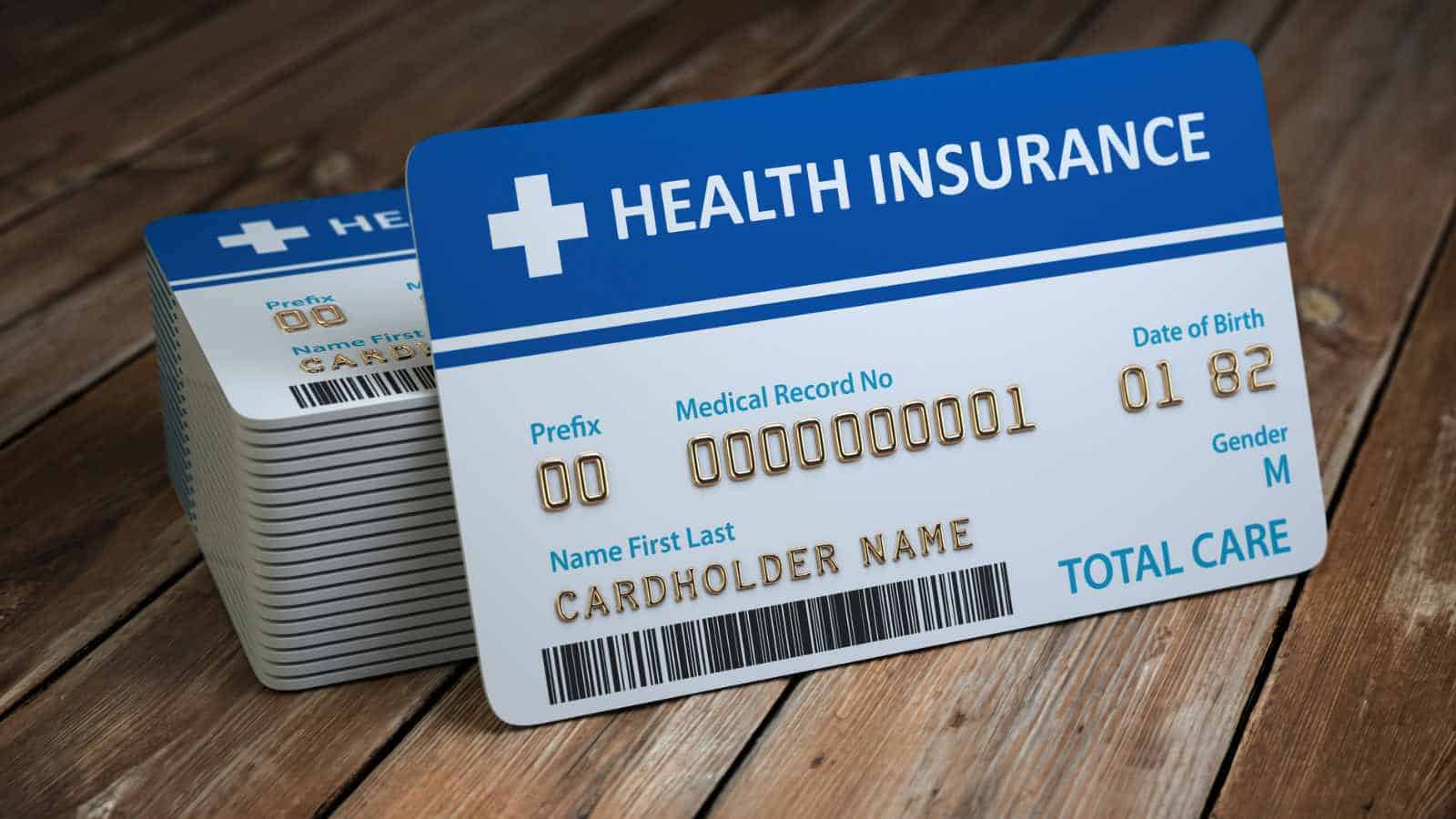
In countries with public healthcare, freelancers are playing both sides of the fence. According to information from Techniker Krankenkasse, the total statutory health insurance contribution rate for TK members in 2026 is indeed 17.29% of gross income.
However, long waiting lists have pushed many UK contractors to rely on private “top-up” insurance as a core part of their business plan. These hybrid models ensure they get treated fast enough to get back to their billable hours.
Optimizing Plans Around Preventive Care and Networks

Freelancers are becoming expert shoppers, picking plans that front-load the benefits. All ACA-compliant plans must cover 10 essential health benefits, including mental health and maternity, with no annual caps.
By choosing plans with broad local networks, workers avoid the “cheap plan trap” where a simple check-up requires a three-hour drive. Maximizing free preventive services helps catch issues before they turn into expensive, work-stopping emergencies.
Turning Healthcare Access into a Collective Advocacy Issue
Healthcare is no longer just a personal problem; it’s a political movement. According to data released by the Freelancers Union in early 2026, 82% of surveyed freelancers said access to healthcare influences how they vote.
As the freelance share of the U.S. workforce approaches a projected 50.9% by 2027, demand for “portable benefits” is growing louder. Independents are finally demanding that their benefits follow them from gig to gig, just like their laptops do.
Key Takeaway

Freelancers are bridging the massive benefits gap by treating healthcare as a business expense, leveraging ACA subsidies, and joining collective associations. While traditional employees rely on corporate handouts, the independent workforce uses global plans and tax strategies to build a mobile, custom safety net that matches the flexibility of their careers.
Disclosure line:
This article was developed with the assistance of AI and was subsequently reviewed, revised, and approved by our editorial team.
Like our content? Be sure to follow us.