Workplace Privileges That Ended After the Boomers
There was a time when going to work felt predictable. You showed up, worked hard, and could retire knowing your company had your back.
Companies love to talk about “culture” and “flexibility,” but most workers quietly admit the only flexible thing is their paycheck. The American Dream used to include stability, but now it’s about survival. According to the U.S. Bureau of Labor Statistics, just 15% of private-industry workers had access to a defined-benefit (traditional pension) retirement plan as of March 2023.
Boomers had their own struggles, sure, but they also had perks that gave work a sense of permanence. Here’s what used to make a job feel like a career and what’s been quietly taken off the table since.
Pensions You Could Count On

Boomers could work 30 years and get monthly checks after leaving. Most younger workers get a 401(k) with no match, and a whole lot of “good luck.” The idea of a lifetime pension sounds like a bedtime story now.
Raises That Came with Time

Loyalty used to mean something. If you showed up and stayed, your paycheck grew over time. Now, you can spend years in one job and still make less than the new hire sitting next to you. That’s why people jump ship, not because they want to, but because it’s the only way to move up.
Family Health Insurance

It used to be that one paycheck could cover the whole family’s healthcare. Today, even with a “good job,” the premiums eat half your take-home pay. A Kaiser Foundation study found that average family coverage now costs over $23,000 a year. Imagine telling that to someone in 1985.
Paid Lunches and Real Breaks

Boomers actually took lunch breaks. They’d grab a sandwich, chat a bit, maybe step outside. Now people eat over their keyboards while answering emails. HR calls it “flexible,” but nobody’s resting anymore.
Company Training

Back then, companies trained their own people. You could start at the bottom, learn, and climb up. These days, most jobs want three years of experience before they’ll even teach you the ropes. Workers pay for their own certifications just to stay employable.
A Gallup report found that 1 in 4 employees say they lack learning opportunities at work, a major reason they quit for better employers.
Raises That Matched the Cost of Living

When prices went up, your pay did too. Today, you’re lucky to get a 3% bump when rent jumps 10%. According to the Bureau of Labor Statistics, wages haven’t kept up with inflation for four consecutive years. That gap shows up every time you swipe your card at the grocery store.
Job Security

Older generations had layoffs too, but not this constant fear of “restructuring.” Now, one slow quarter and the whole team is gone. People don’t plan five years ahead anymore — they just hope next month’s check clears.
Paid Vacations

According to Expedia’s 2024 Vacation Deprivation Report, over 53% of Americans don’t use all their vacation days, either out of guilt or fear of falling behind.
Managers Who Stayed Longer Than You

Remember when bosses had experience? A lot of younger workers today are managed by people who started in the industry two years ago. That old-school mentorship is rare now. There’s no “grow with us” culture left, just “meet your metrics.”
Holiday Bonuses

In a 2023 SHRM report, only 32% of companies still give annual bonuses to all employees. Most now tie them to “performance” or remove them altogether.
Retirement Parties

You used to get celebrated for staying with a company. Now people quit by email, and HR mails your laptop box. Nobody really stays long enough for a cake anymore. That sense of belonging was left with the old office coffee pots.
Clear Work Hours

The book 24/7: Late Capitalism and the Ends of Sleep by Jonathan Crary calls this the “sleep crisis of productivity,” a world that runs nonstop, leaving workers always half-awake.
Unions with Actual Power
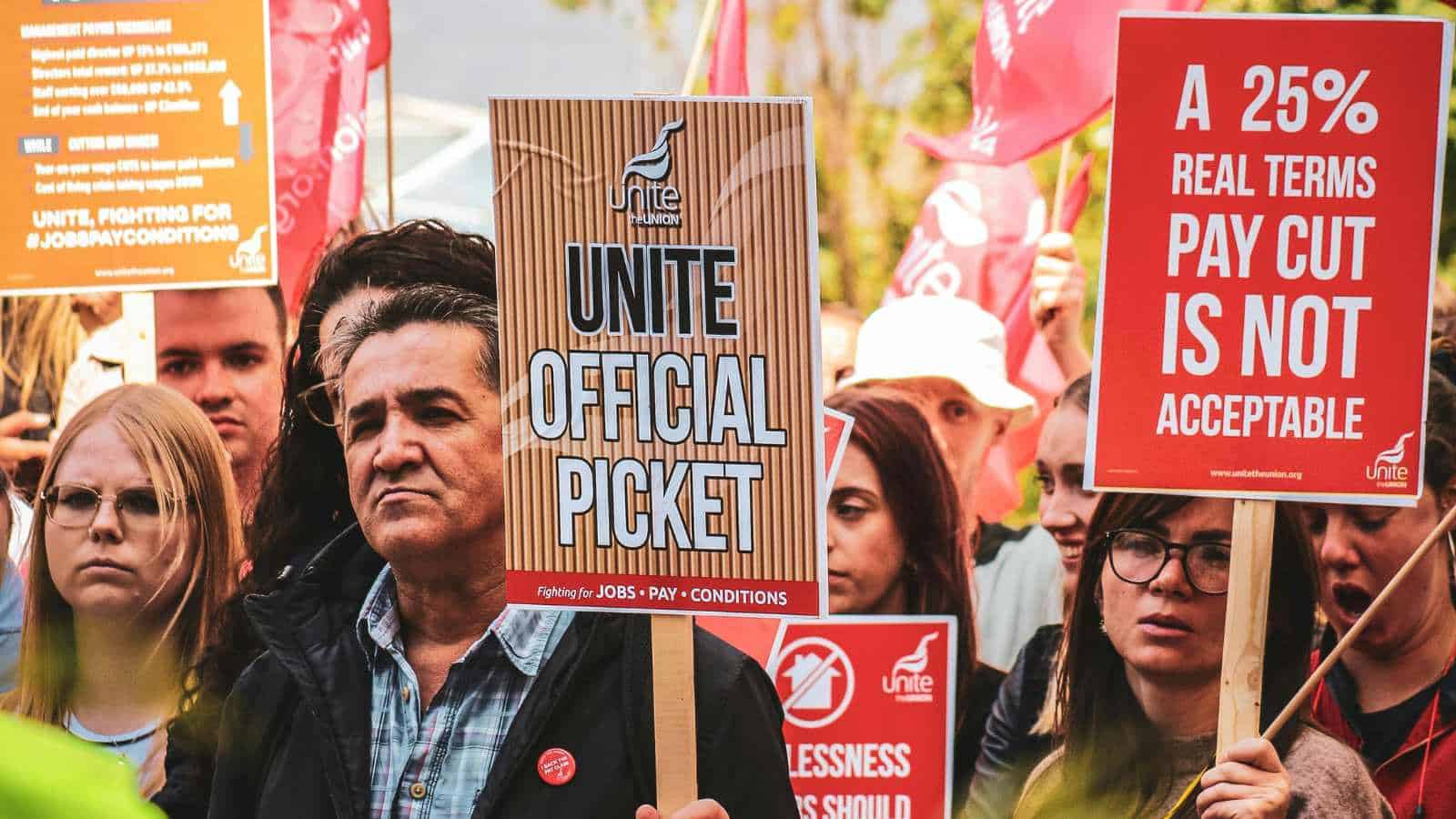
Unions once protected workers from random cuts and unfair pay. Over time, they thinned out. Now, workers are trying to rebuild them from scratch. The fight’s coming back, but the old unity isn’t what it was. Union membership fell from 20% in 1983 to barely 10% in 2024, even as worker activism rises.
Real People in HR

Human Resources used to know your name. You could walk in, talk, and fix things. Now everything’s automated or outsourced. You file a ticket and hope for an answer in two weeks. It’s all systems, no humans.
Pride in Staying Put

Back then, sticking with one company was a badge of honor. It’s almost a red flag today. People assume you got too comfortable or lacked ambition. Funny how the same thing that once showed stability now looks like stagnation.
Why investing for retirement is so important for women (and how to do it)

Why investing for retirement is so important for women (and how to do it)
Retirement planning can be challenging, especially for women who face unique obstacles such as the wage gap, caregiving responsibilities, and a longer life expectancy. It’s essential for women to educate themselves on financial literacy and overcome the investing gap to achieve a comfortable and secure retirement. So, let’s talk about why investing for retirement is important for women and how to start on this journey towards financial freedom.
Science Tells Us What To Expect As We Age: Strategies for Thriving in Later Life

Science Tells Us What To Expect As We Age: Strategies for Thriving in Later Life
How does aging affect our bodies and minds, and how can we adapt to those differences? These are questions that pertain to us all. Aging gradually alters people over decades, a long period shaped by individuals’ economic and social circumstances, their behaviors, their neighborhoods, and other factors. Also, while people experience common physiological issues in later life, they don’t follow a well-charted, developmentally predetermined path. Let’s take a look at what science has told us to expect.