Key challenges impacting the U.S. labor market
The U.S. labor market is experiencing a serious shake-up in 2026, and if you’ve been paying attention, you’ve probably felt the ground move beneath your feet.
For instance, AI is no longer a distant buzzword; it’s here, and it’s reshaping work in real time. In fact, Pew Research says 19% of American workers are in jobs highly exposed to AI. So if you’re job hunting, plotting a career switch, or simply trying to stay ahead, the struggle is real.
The job market is evolving fast, and the challenges are piling up. It’s time we break down some of the biggest challenges everyone’s facing right now.
Automation: The Job-Stealing Robot Revolution
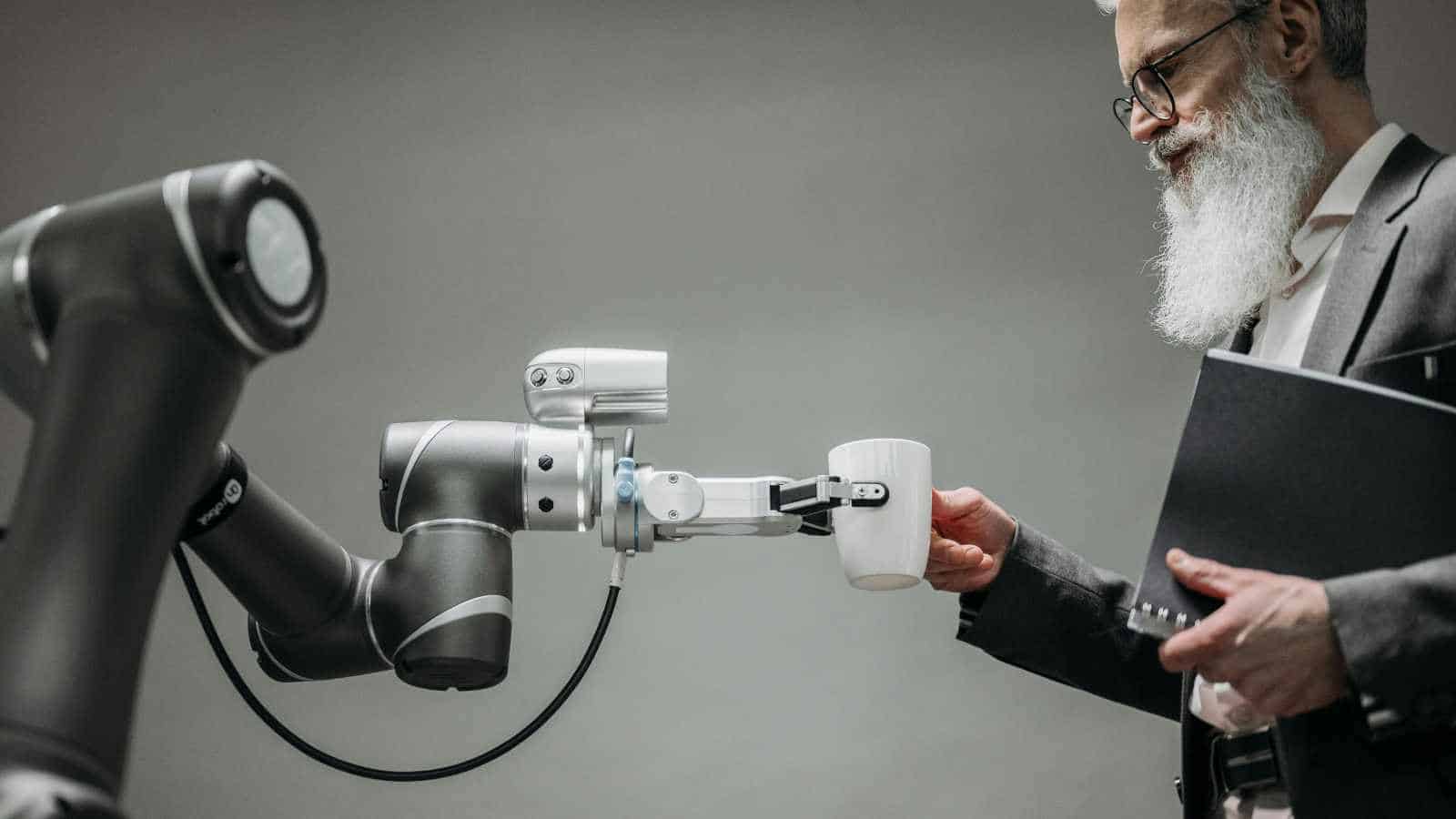
Let’s face it: robots aren’t just a science fiction fantasy anymore. Automation is taking over industries you never thought possible, and if you’re in manufacturing, retail, or transportation, your job could be at risk. In fact, Pew Research says 19% of American workers are in jobs highly exposed to AI.
But here’s the kicker: automation isn’t all bad news. As robots take over repetitive, menial tasks, they’re leaving humans to tackle the more creative, strategic, and complex jobs. If you’re willing to upskill, this shift could open the door to higher-paying, more fulfilling roles—just remember that technology isn’t your enemy, but an opportunity to adapt.
The Baby Boomers Are Retiring, and No One’s Ready

The Baby Boomer generation is hanging up their work boots, and that’s creating an interesting dilemma. With Baby Boomers retiring every day, industries are facing significant labor shortages, particularly in fields like healthcare, construction, and education. The looming workforce gap is forcing companies to scramble for skilled workers, leaving younger generations to fill those big shoes.
The upside? As the older generation exits, there’s room for younger workers to step in. The challenge, however, lies in preparing the next generation with the skills and experience needed to replace the retiring workforce, especially with fewer people entering trades and vocational careers.
The Skills Gap: Where’s the Talent When We Need It?
We’ve all heard the term “skills gap,” but what does it actually mean? Simply put, there’s a growing mismatch between what employers need and what workers can actually do, as highlighted by the Organisation for Economic Co-operation and Development. While jobs in technology, healthcare, and STEM fields are booming, the pipeline of talent trained in these areas is drying up.
Companies are stuck trying to find qualified candidates in an increasingly competitive job market. The solution? Investing in education, especially vocational programs, coding bootcamps, and apprenticeships, could bridge this gap. And it’s not just for the kids; adults can (and should) continue learning new skills to stay relevant in the workforce.
Wage Stagnation and Income Inequality: The Pay Gap We Can’t Ignore

Wages are barely moving for some workers, despite the growing cost of living. While corporate profits have reached record levels in recent years, real wages for middle‑ and low‑wage workers have barely grown over the past several decades. The wage gap between high-earning executives and regular workers continues to grow, deepening inequality.
And it’s not just about pay; worker rights are becoming a big talking point. As the cost of living rises, so does the need for fair wages, affordable healthcare, and better job security. The bottom line is that unless we address this gap, we’re looking at a future in which fewer people truly thrive.
Remote Work: Love It or Hate It, It’s Here to Stay

Remote work is no longer just a pandemic trend; it’s become a permanent fixture of the modern workforce. According to Pew Research, over 35% of Americans who now work remotely work from home all the time. While some people are loving the flexibility, others are feeling isolated and experiencing blurred boundaries between work and home life.
So, what does this mean for you? Companies are trying to strike the right balance between in-person and remote work, which can be challenging. But for those who thrive in a remote environment, it can be a game-changer. Just make sure you’ve got your time management and communication skills on lock.
The Gig Economy: Freelance or Fend for Yourself?
More and more Americans are saying goodbye to the 9-to-5 grind in favor of freelancing, consulting, or side hustles. Platforms like Uber, DoorDash, and Fiverr have made it easier than ever to join the gig economy. In fact, a report by Upwork found that nearly 38% of Americans now participate in some form of gig work.
But, as with everything in life, there’s a downside. No benefits (health insurance, retirement plans, etc.) and no job security. While gig work offers flexibility and independence, it also means that workers must be extra savvy about managing their income, expenses, and future planning. Is the gig economy really the future? Maybe, but it’s not without its challenges.
Inequality isn’t a side issue; it’s the System Showing Its Cracks

Inequality in the U.S. labor market didn’t start with the pandemic, but the last few years definitely put it under a spotlight. For example, Native American workers entered the crisis with higher unemployment and fewer remote work options, while Black men continue to face lower participation rates tied to long-standing barriers like incarceration and underinvestment. When disruption hits, these workers don’t just feel it first; they feel it longer, and recovery moves much more slowly.
Education and job quality only widen the gap. Workers without college degrees took the biggest hits, especially in low-pay service jobs with unstable schedules and limited upward mobility. Since the 1970s, the shift away from stable, long-term employment toward profit-first business models has split the labor market in two, leaving many workers stuck on the wrong side of opportunity.
Key Takeaways
So, where does this leave us? The U.S. labor market is facing significant challenges, but these obstacles aren’t all doom and gloom. Automation may be eliminating jobs, but it’s also creating new ones. The key is staying agile, constantly learning, adapting, and pivoting as new trends emerge. Whether you’re facing job loss due to automation or struggling with wage stagnation, the only constant is change. And change is an opportunity to reframe your approach to work, learning, and career development.
The demographic shift in the workforce is equally exciting and stressful. Baby boomers’ retirement is opening up positions, but there’s a gap between those retiring and those qualified to step in. If you’re looking for a way to get ahead, consider gaining new skills in growing industries, from technology to healthcare.
Finally, the gig economy is growing at lightning speed, and remote work is here to stay. While these trends offer great flexibility and opportunity, they also bring new challenges that workers need to manage, such as the lack of job benefits and stability. Navigating these challenges will require adaptability, continuous learning, and the willingness to embrace the future of work, no matter how uncertain it may seem.
So, what’s the bottom line here? The U.S. labor market is far from stable, but with the right mindset and preparation, you can thrive in the new world of work. It’s all about getting ahead of the curve, whether you’re learning new skills, considering freelancing, or just keeping your eyes open for opportunities that match the ever-evolving landscape.
Disclosure line: This article was written with the assistance of AI and was subsequently reviewed, revised, and approved by our editorial team.
7 Morning Rituals Women Swear By for More Energy and Confidence

7 Morning Rituals Women Swear By for More Energy and Confidence
Morning rituals don’t have to be complicated. A glass of water, a quick stretch, five minutes with your journal — these small things stack up to create significant change. Women who build these habits aren’t just “morning people”; they’re people who decided to take charge of their first hour of the day.
Why Your Daily Coffee Could Be the Secret to Better Wellness

Why Your Daily Coffee Could Be the Secret to Better Wellness
Coffee is more than a pick-me-up. It’s a beverage linked to improved brain health, metabolic strength, heart resilience, and even a longer life. With antioxidants and plant compounds working alongside caffeine, it’s no wonder researchers call it one of the most powerful wellness drinks available.