Feeling lonelier as you get older? These 9 habits could be making it worse without you realizing
You wake up, make yourself a cup of coffee, and settle into your usual morning routine.
The house is quiet.
Maybe you turn on the television for some background noise.
You check your phone, scroll through a few photos, and wonder what everyone else is doing today.
Before you know it, lunchtime arrives.
And you realize you haven’t had a real conversation with anyone.
Sound familiar?
One of the hardest things about getting older is that loneliness can creep into your life so gradually that you barely notice it happening.
At first, you might stop attending your weekly book club because you’re tired.
Then you turn down a lunch invitation because staying home feels easier.
Eventually, the invitations become less frequent.
And the friendships that once filled your calendar begin to fade into the background.
It’s not necessarily that you don’t want companionship.
Sometimes, life simply changes.
Children grow up and move away.
Friends relocate.
Retirement removes the daily conversations you once took for granted.
And losing a spouse or longtime companion can leave an emptiness that’s difficult to explain to someone who hasn’t experienced it.
But here’s something that deserves more attention.
Some everyday habits that seem completely harmless could actually be making feelings of loneliness worse.
Spending too much time watching television.
Avoiding new friendships because you feel too old to start over.
Turning down offers of help because you’ve always been the independent one.
Even refusing to learn how to make a video call can unintentionally make it harder to stay connected with the people you love.
And loneliness isn’t simply an uncomfortable emotion.
Research has linked persistent loneliness and social isolation with increased risks of depression, cardiovascular problems, and poorer health as people age.
For older women, especially those navigating retirement, widowhood, or major family changes, maintaining meaningful connections can become particularly important.
Of course, enjoying time alone isn’t the same as being lonely.
Some women genuinely love their independence and feel perfectly content with a small social circle.
The concern arises when solitude stops feeling like a choice and starts feeling like disconnection.
The encouraging part?
You don’t necessarily need a packed social calendar or dozens of friends to feel more connected.
Sometimes, changing a few ordinary routines can create opportunities for conversation, companionship, and a renewed sense of belonging.
From quietly withdrawing from social activities to relying too heavily on television and believing you’re too old to make new friends, these nine habits may be contributing to loneliness in older women—and recognizing them could be the first step toward feeling connected again.
Withdrawing from Social Activities
You know that book club or weekly yoga class you loved? Letting go of those regular social gatherings can quietly lead to isolation. Decreased social interactions is the singular best indicator of loneliness for older adults. Researchers agree that social connections can help people live longer and healthier lives.
BMC Public Health confirms that social isolation and loneliness are linked to increased risks of unhealthy aging in women, including functional disability, depression, and reduced quality of life, so keeping those commitments on your calendar is more important than you might think
Avoiding New Relationships
Life can also throw you big curveballs, such as retirement or losing a partner, and it’s easy to close in on yourself afterward. But staying away from strangers in these times can double your chances of loneliness. Getting out there and meeting new people, even just neighbors or fellow hobbyists, can make a world of difference.
Neglecting Technology Skills
Relying on your grandchildren to guide you through making a video call might mean you’re missing out on meaningful and enjoyable connections. The Global Solutions Initiative confirms that the gender digital divide leads to social isolation for women, especially in developing nations. Think about it: social media, messaging apps, and video chats are modern-day town squares.
Technology provides a connection for those with limited physical mobility. Learning how to use these tools isn’t just about staying current; it’s about staying connected with loved ones near and far.
Not asking for help with mental health
Brushing aside anxiety or depression can set off a vicious cycle that makes loneliness even more painful.
GOV.UK reports that untreated mental health issues can increase loneliness, primarily by causing social withdrawal, low self-esteem, and mental exhaustion. Loneliness not only correlates with health problems but causes them. Acknowledging these feelings and seeking support is a sign of strength, not a sign of weakness.
Avoiding Physical Activity
The last thing you want to become right now is a couch potato. Being physically inactive doesn’t just affect your physical health; it also isolates you.
You don’t have to run a marathon; an easy daily walk can lift up your mood and offer opportunities for casual social interactions.
Excessive Reliance on TV
Are you spending too much time in front of the TV or on digital platforms? Research indicates that dedicating more than four hours a day to these activities is closely linked to increased feelings of loneliness and a decline in social engagement.
It is a passive activity that cannot satisfy the give-and-take of a genuine conversation.
Neglecting Community Engagement
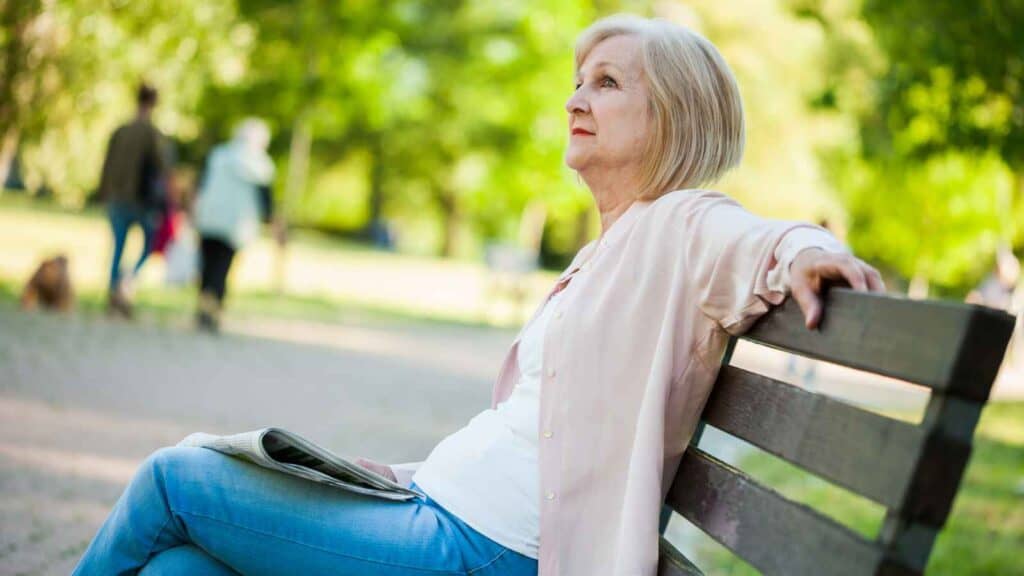
A PubMed study found that individuals engaged in community activities were substantially less likely to experience higher levels of loneliness.
Finding a local group that matches your interests can open up a whole new social world.
Refusing to Accept Help
Many women are accustomed to being the helper, not the one being helped. However, if you reject needed help due to pride, shame, or fear that you’re a burden, it can make you feel isolated.
Internalizing Negative Age Stereotypes
If you believe that getting older equals fading away or worse, becoming irrelevant, then you might give up trying to form new relationships or explore new interests.
Those who believe these negative stereotypes are more likely to be at risk of isolation. Betty Friedan wrote, “Aging is not lost youth but a new stage of opportunity and strength.”
More articles you might like:
- Is Marriage Really Dying? 12 Reasons Marriage Is Facing New Challenges Today
- 12 Marriage Mysteries That Have Surprising Explanations
- 10 Small Things That Quietly Ruin A Marriage