From icy slides to jaw-dropping loops, the roller coaster’s history
Today’s roller coasters twist, loop, and launch riders at breakneck speeds, but their roots are much older, and stranger, than you might think. From icy Russian slides to record-breaking steel giants, roller coasters have a wild backstory filled with innovation and adrenaline. Buckle up as we take you on a ride through the fascinating history of roller coasters!
1. It All Started With Ice Slides in Russia
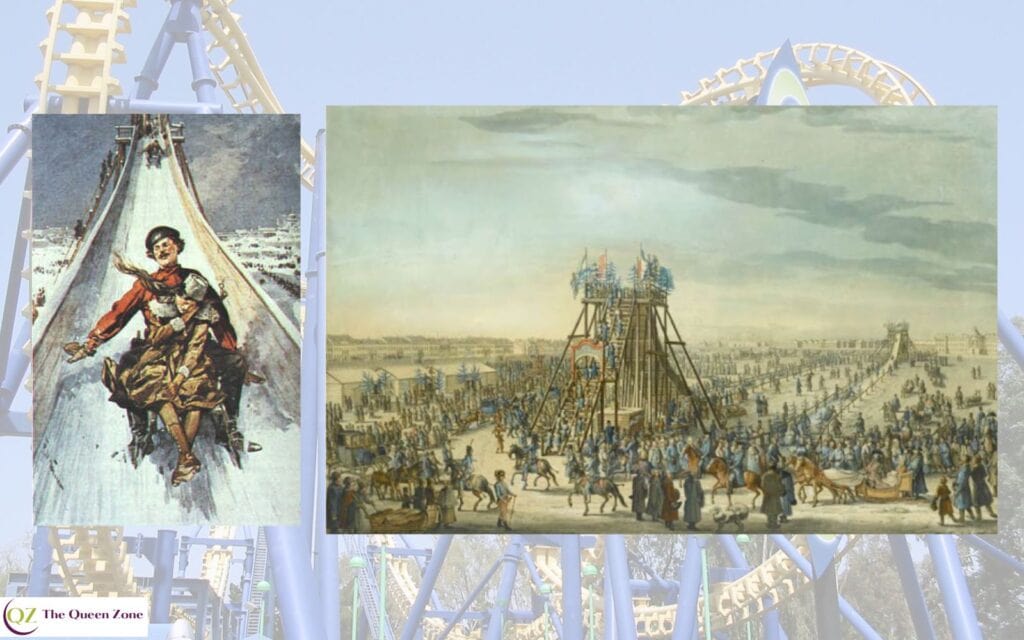
Before there were tracks and wheels, thrill-seekers in 17th-century Russia built giant wooden slides covered in ice. Known as “Russian Mountains,” these structures sent riders down icy slopes on sleds at speeds that must have felt daring for the time.
2. France Turned the Slides Into Wheeled Rides
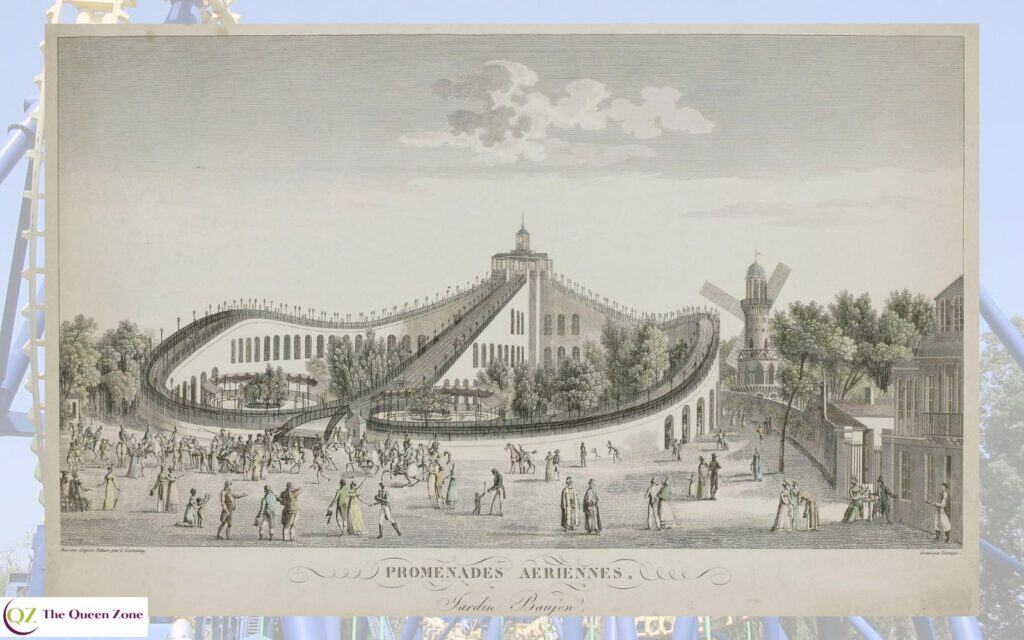
By the early 1800s, the concept moved to France, where entrepreneurs swapped sleds for wheeled carts and created elevated tracks.
3. Harbingers of the Future
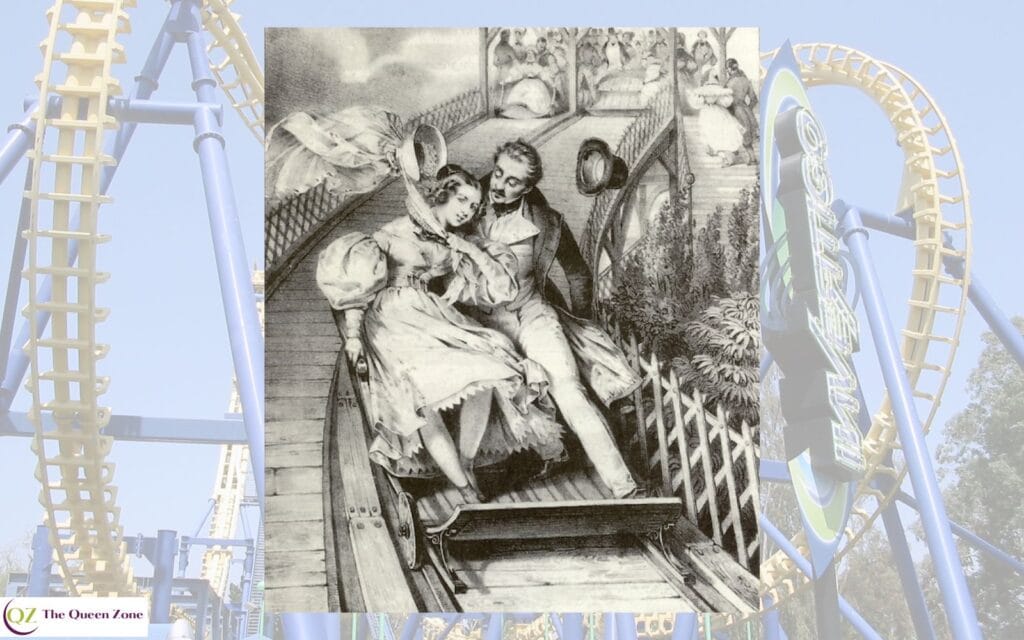
These rides were called “Les Montagnes Russes,” or Russian Mountains, inspiring the term still used for roller coasters in many languages today.
4. The First American Roller Coaster Was for Coal Cars

In the 1880s, Pennsylvania’s Mauch Chunk Switchback Railway, a coal transport line, became America’s first roller coaster when it opened to tourists for scenic rides down the mountains. This accidental attraction became so popular it inspired the amusement park industry.
5. The Birth of the Modern Roller Coaster
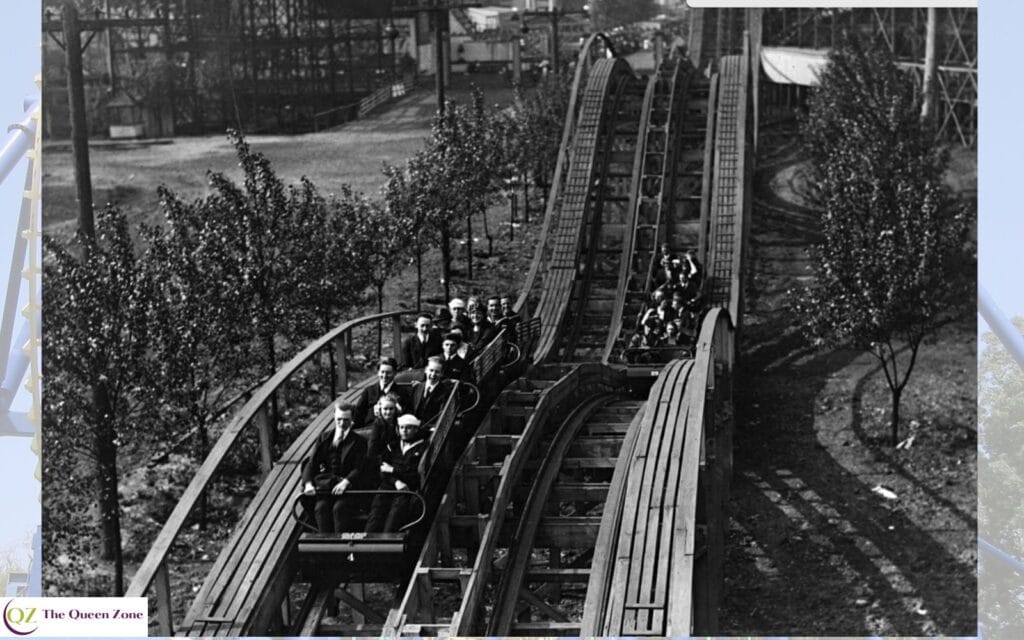
Coney Island became the epicenter of coaster innovation in the late 1800s. In 1884, LaMarcus Thompson opened the Switchback Railway, the first purpose-built roller coaster for entertainment, setting the stage for today’s thrill rides.
6. Wooden Giants Ruled the Early 1900s
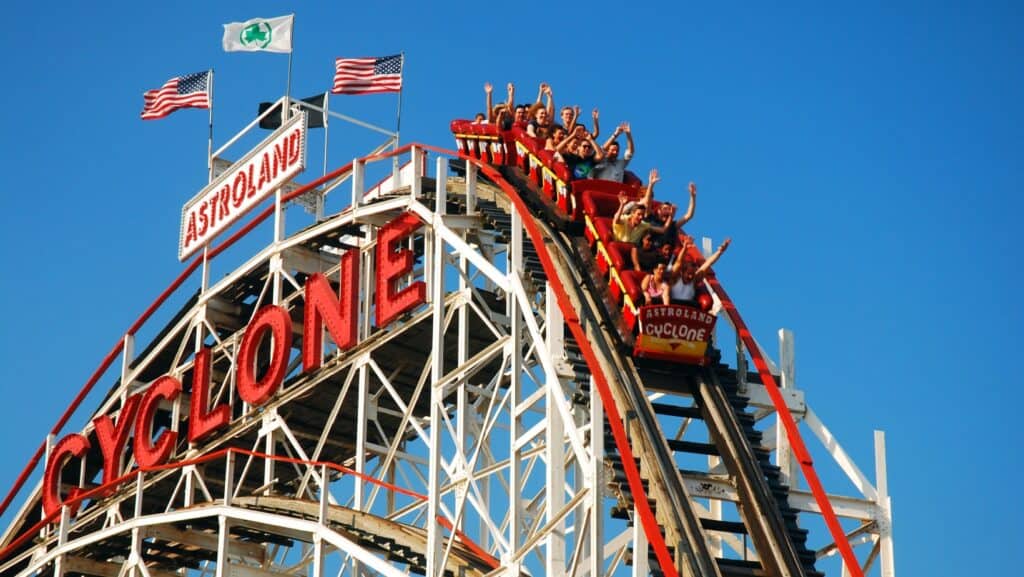
By the 1920s, wooden coasters were booming, with rides like the Cyclone at Coney Island (1927) becoming icons of the “Golden Age of Roller Coasters.” Many of these classics are still operating today, proving their timeless appeal.
7. Steel Tracks Changed Everything
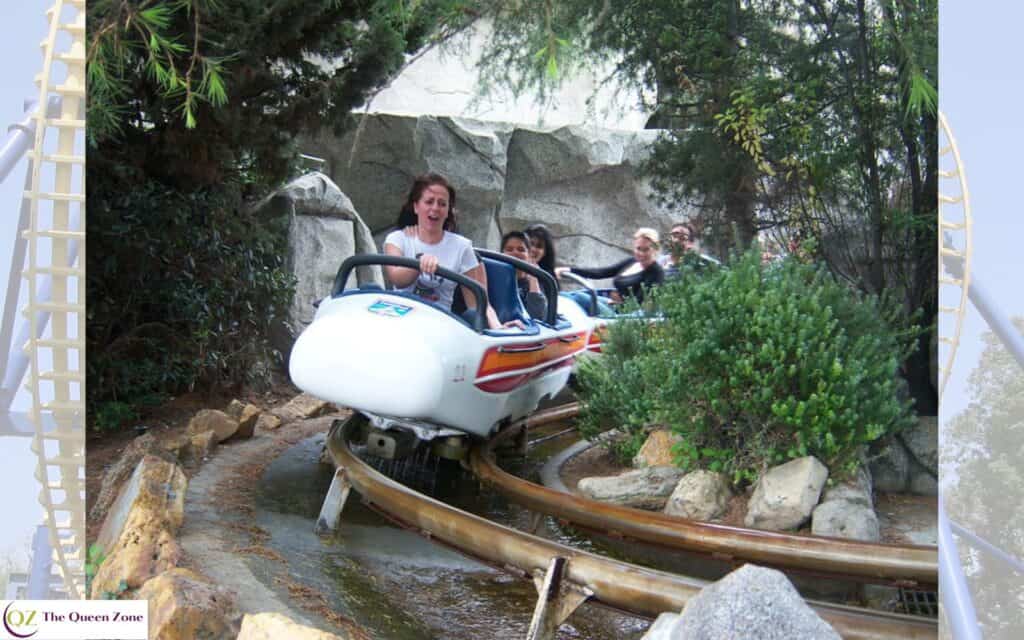
The 1959 debut of the Matterhorn Bobsleds at Disneyland introduced tubular steel tracks, allowing for smoother rides and thrilling new elements like loops and corkscrews. This innovation launched the modern era of roller coasters.
8. Loops Made a Big Comeback
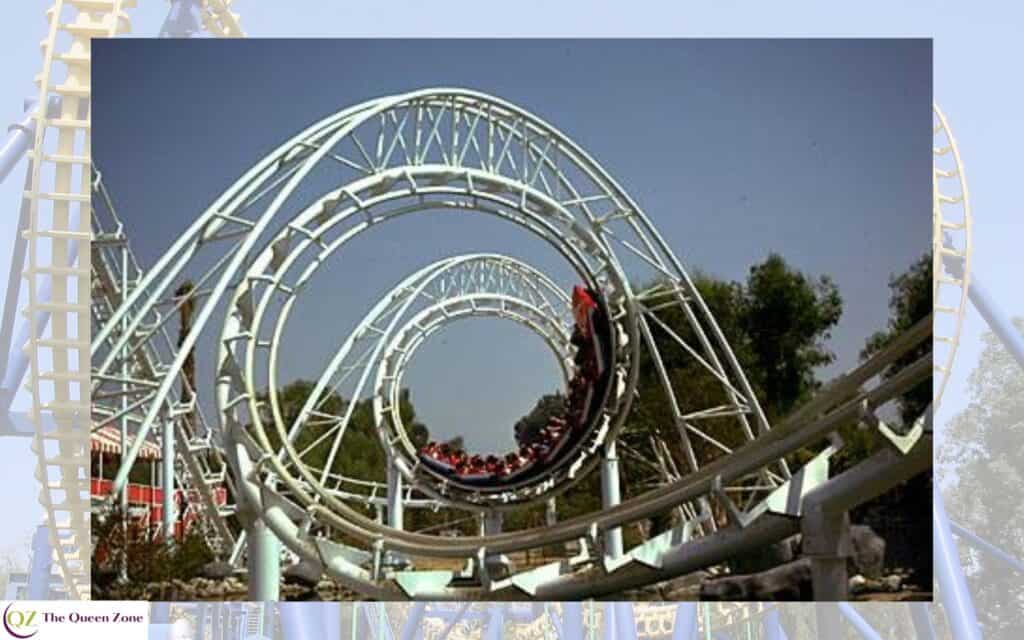
Early attempts at loop-the-loops in the 19th century were dangerous and uncomfortable, but advances in engineering brought loops back in the 1970s with rides like The Corkscrew at Knott’s Berry Farm. Today, inversions are a staple of steel coasters.
9. Record-Breaking Heights and Speeds Began in the ’90s
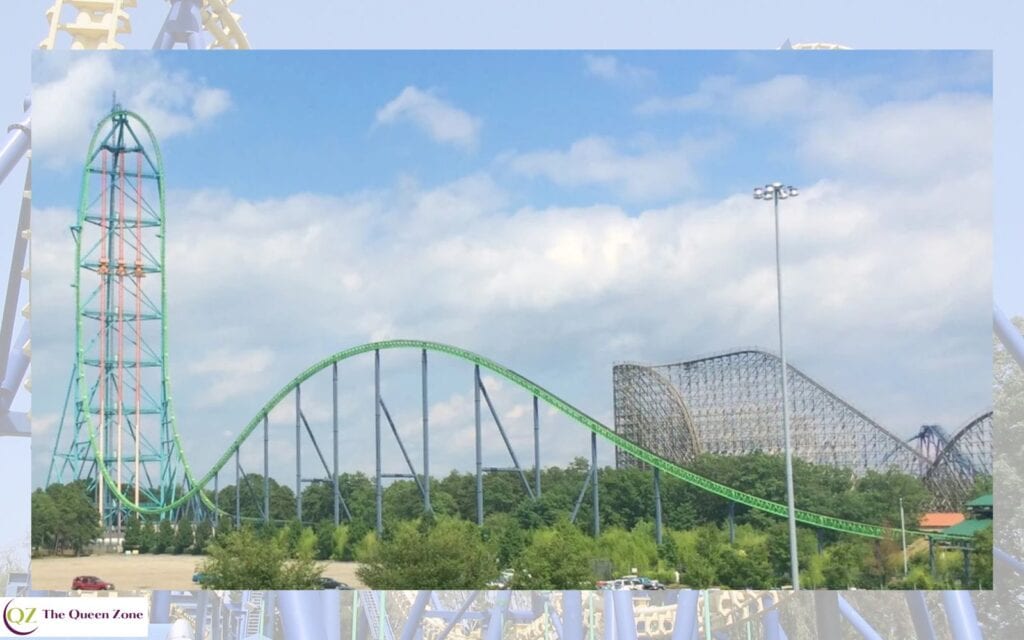
The race for the tallest and fastest coasters exploded in the late 20th century. In 2005, Kingda Ka at Six Flags Great Adventure shattered records, standing 456 feet tall and launching riders at 128 mph.
10. Launch Coasters Took Over the 21st Century

Forget the slow climb; magnetic launch systems now blast riders from zero to insane speeds in seconds. Rides like Top Thrill Dragster and VelociCoaster show just how far technology has pushed adrenaline levels.
11. The Future? Virtual Reality and Beyond

Coasters continue to evolve with VR experiences, hybrid wood-steel designs, and even rides that spin midair. The thrill of the ride isn’t slowing down anytime soon!
12. The Takeaway
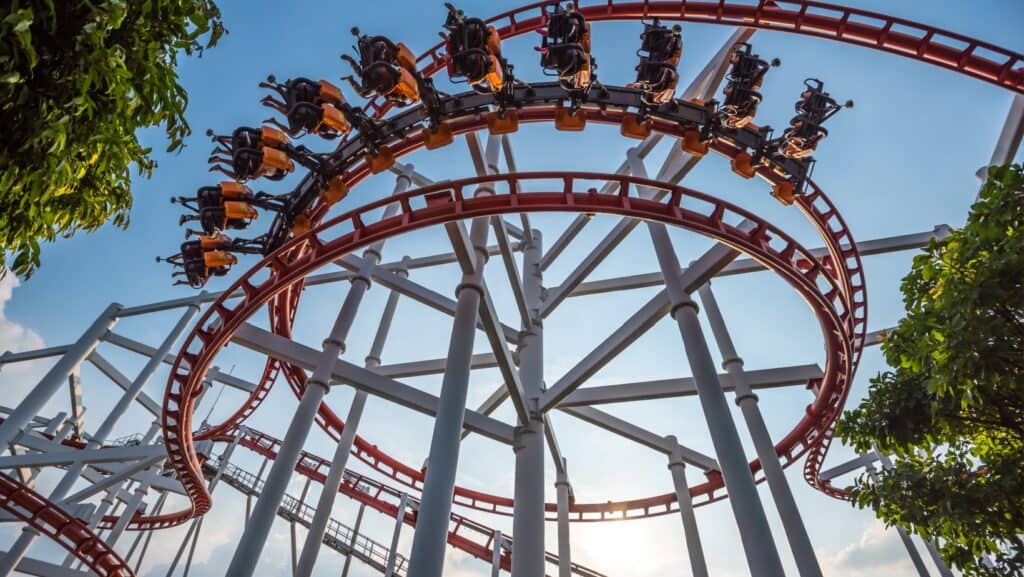
From icy slides to jaw-dropping loops, the roller coaster’s history is a story of fearless innovation and a universal love for speed. Which classic ride, or modern monster, would you dare to try?
15 Historical Events That You Will Not Believe Happened At The Same Time. Nope. Nope. Nope.

History often presents us with surprising juxtapositions of events that occurred simultaneously but seem worlds apart.
READ: 15 Historical Events That You Will Not Believe Happened At The Same Time. Nope. Nope. Nope.