Heart Doctors Say They’d Never Eat These 12 Common American Foods
I nearly dropped my burger when my cardiologist friend told me what she really eats. We all like to think a little indulgence won’t hurt, but heart doctors see the grim reality of our diet choices every single day. I realized that if the mechanics of the human heart refuse to put this fuel in their own engines, I should probably stop putting it in mine.
The standard American diet puts immense pressure on our cardiovascular system, and the statistics back this up. According to the Centers for Disease Control and Prevention (CDC), heart disease remains the leading cause of death for men, women, and people of most racial and ethnic groups in the United States. You might think you’re eating healthy, but hidden ingredients often tell a different story.
Here is a look at 12 common foods that cardiologists avoid like the plague.
Deep‑Fried Fast Food (Especially Fries)
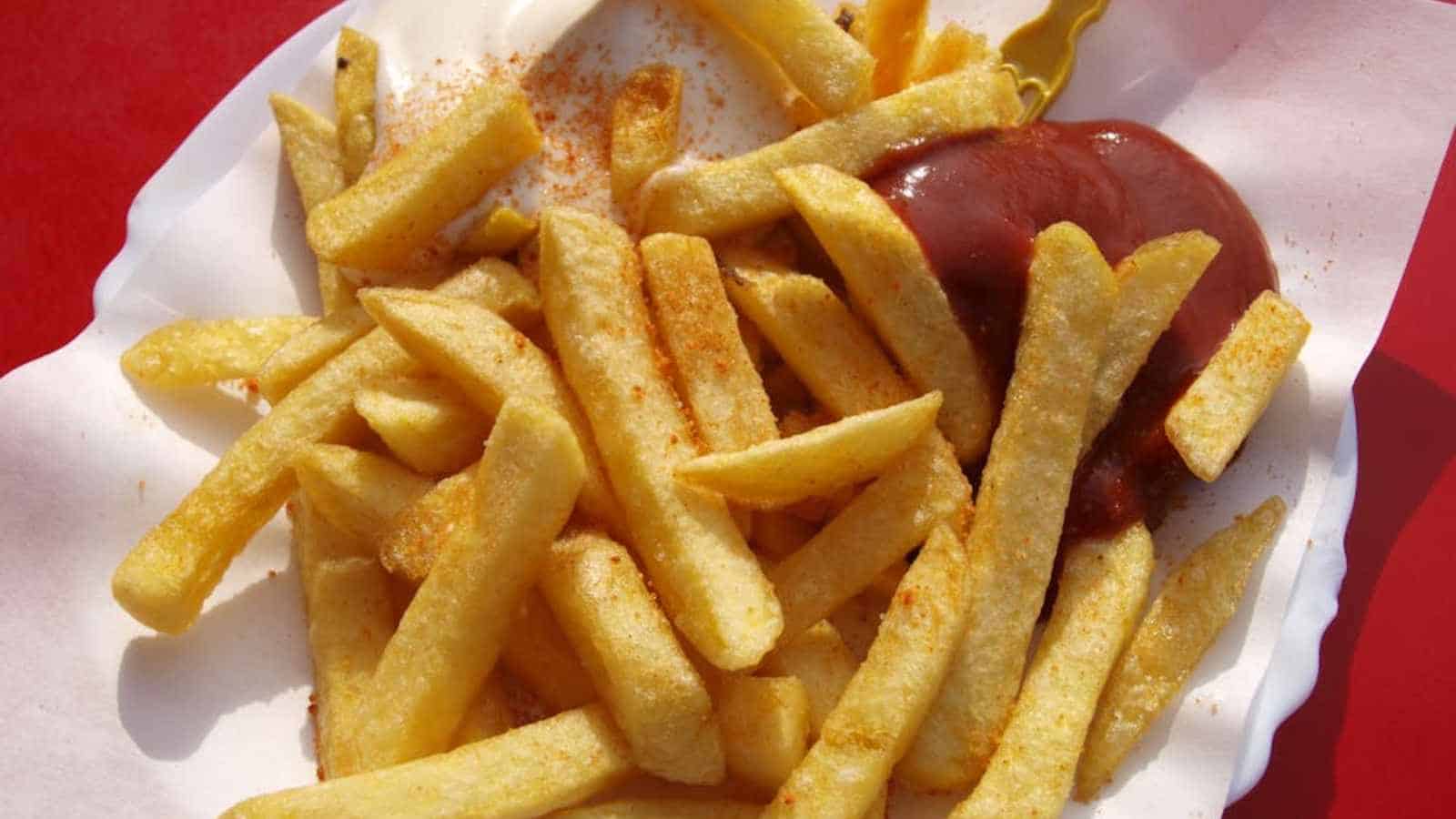
According to the National Institutes of Health, eating fried foods four or more times per week is associated with higher risks of type 2 diabetes, heart failure, obesity, and hypertension. The frying process generates trans fats and oxidized oils that raise LDL (“bad”) cholesterol, lower HDL, and promote inflammation in blood vessels.
Brown University cardiologists specifically call out French fries and fried chicken as top items to avoid, noting they combine saturated fat, trans fat, and salt. One systematic review in Science Daily found that each additional weekly 114‑gram serving of fried food was associated with a 3% increased risk of major cardiovascular events.
Processed Meats (Bacon, Hot Dogs, Bologna, Sausage)

Processed meats are consistently tied to higher heart disease and stroke risk because they’re packed with sodium, saturated fat, and preservatives like nitrites. The American Heart Association (AHA) recommends reducing processed meats and urges people to choose fish, legumes, and unprocessed lean meats instead.
In one cardiologist round‑up, Boston cardiologist Dr. James Udelson singled out bologna and similar deli meats as foods he personally avoids, and urged patients to adopt AHA‑style patterns built around vegetables, whole grains, and fish.
Sugary Sodas and Sweetened Energy Drinks

Sugar‑sweetened beverages are a major source of added sugar in the American diet and are strongly linked to weight gain, type 2 diabetes, and heart disease. The AHA recommends minimizing added sugars and choosing water or unsweetened drinks instead.
UC Davis Health lists sodas and sugary juices among the key items to avoid, noting their impact on blood pressure, triglycerides, and waistline. Another review found that even small daily amounts of sugary drinks are associated with higher risks of life‑threatening conditions, and experts suggest limiting them to rare treats at most.
Ultra‑Processed Snack Foods (Chips, Cheese Curls, Nacho Snacks)
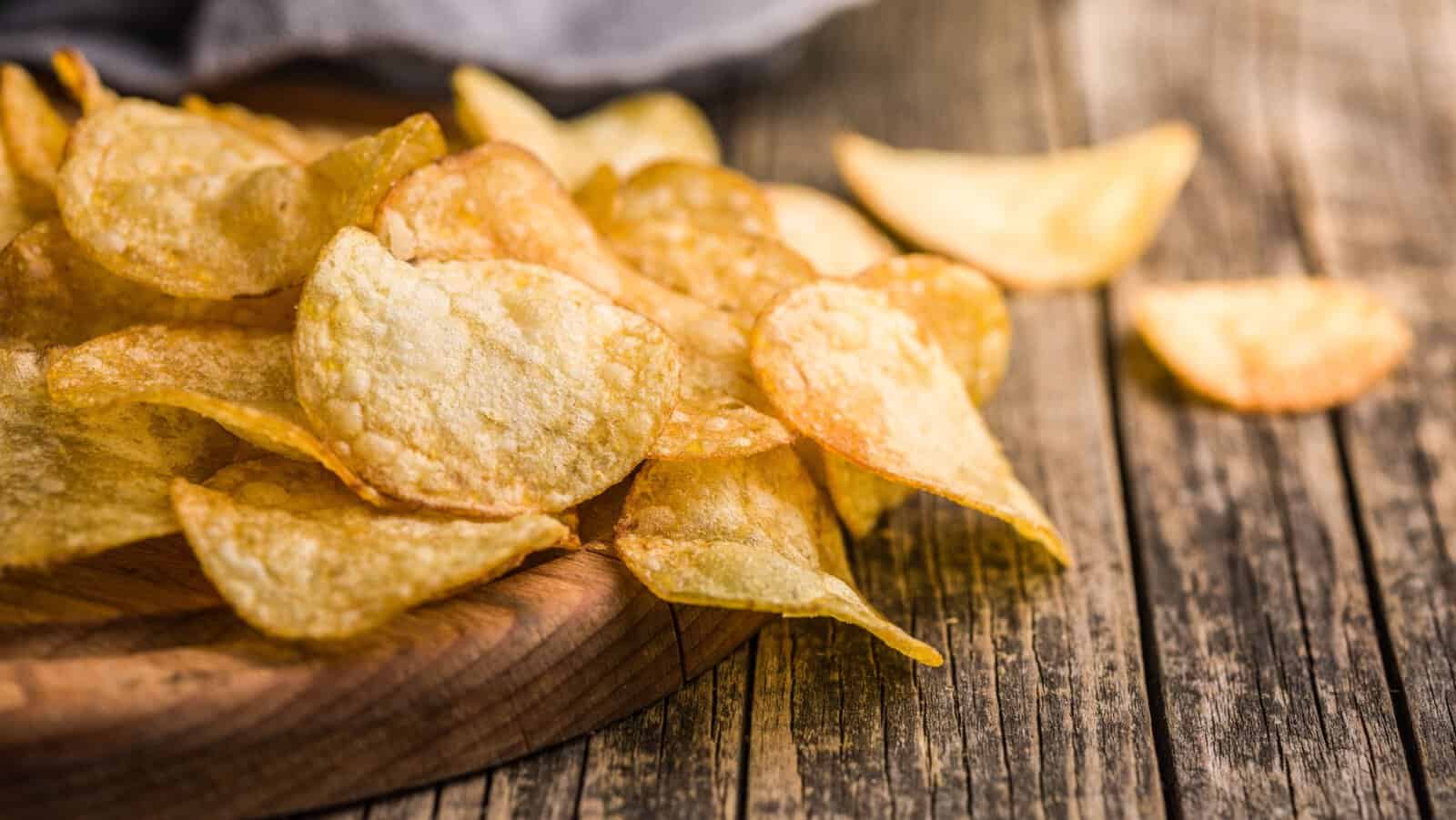
Potato chips, cheese curls, and similar bagged snacks are typically fried, high in sodium, and loaded with refined carbs and additives. Cardiologists say there’s “really nothing healthy about them” and warn that they contribute to weight gain, high blood pressure, and a higher risk of heart disease and stroke.
Public‑health summaries on ultra‑processed foods note that diets high in packaged snacks, candies, and fast foods are linked to higher rates of cardiovascular disease and mortality, even after accounting for other lifestyle factors.
Store‑Bought Doughnuts and Pastries
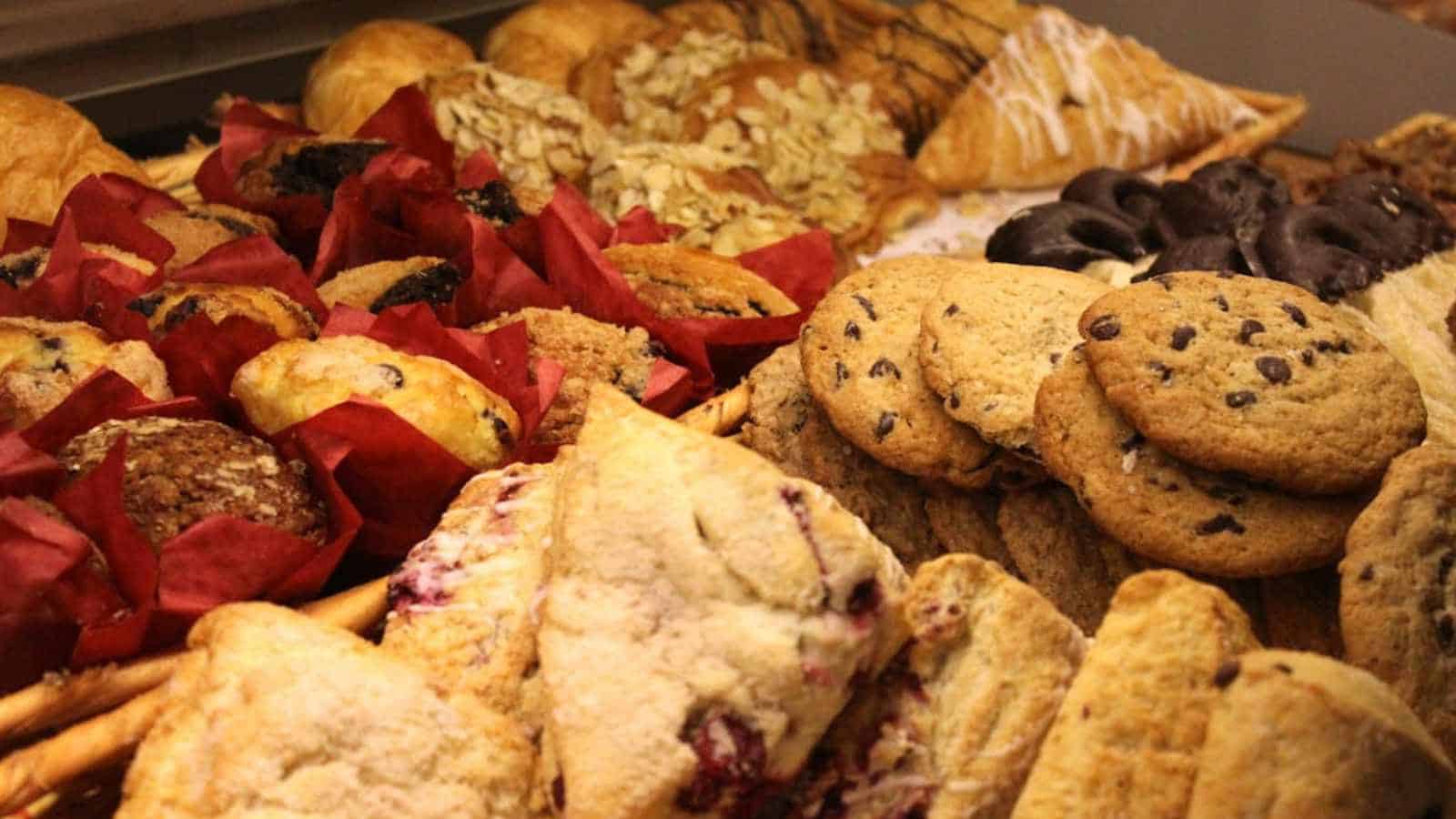
Commercial doughnuts combine several heart‑unfriendly factors: refined flour, added sugars, saturated fat, and, in some cases, residual industrial trans fat from frying. A systematic review in the BMJ found that even small increases in trans‑fat intake (about 2% of energy) were associated with a 23% higher risk of coronary heart disease.
Cardiologists interviewed about “never foods” often rank doughnuts high on the list, advising patients to treat them as very occasional indulgences, if at all. They stress that daily or even frequent pastry consumption quickly drives up calorie and sugar intake without providing fiber, healthy fats, or micronutrients.
Fast‑Food Burgers with Processed Cheese and Bacon
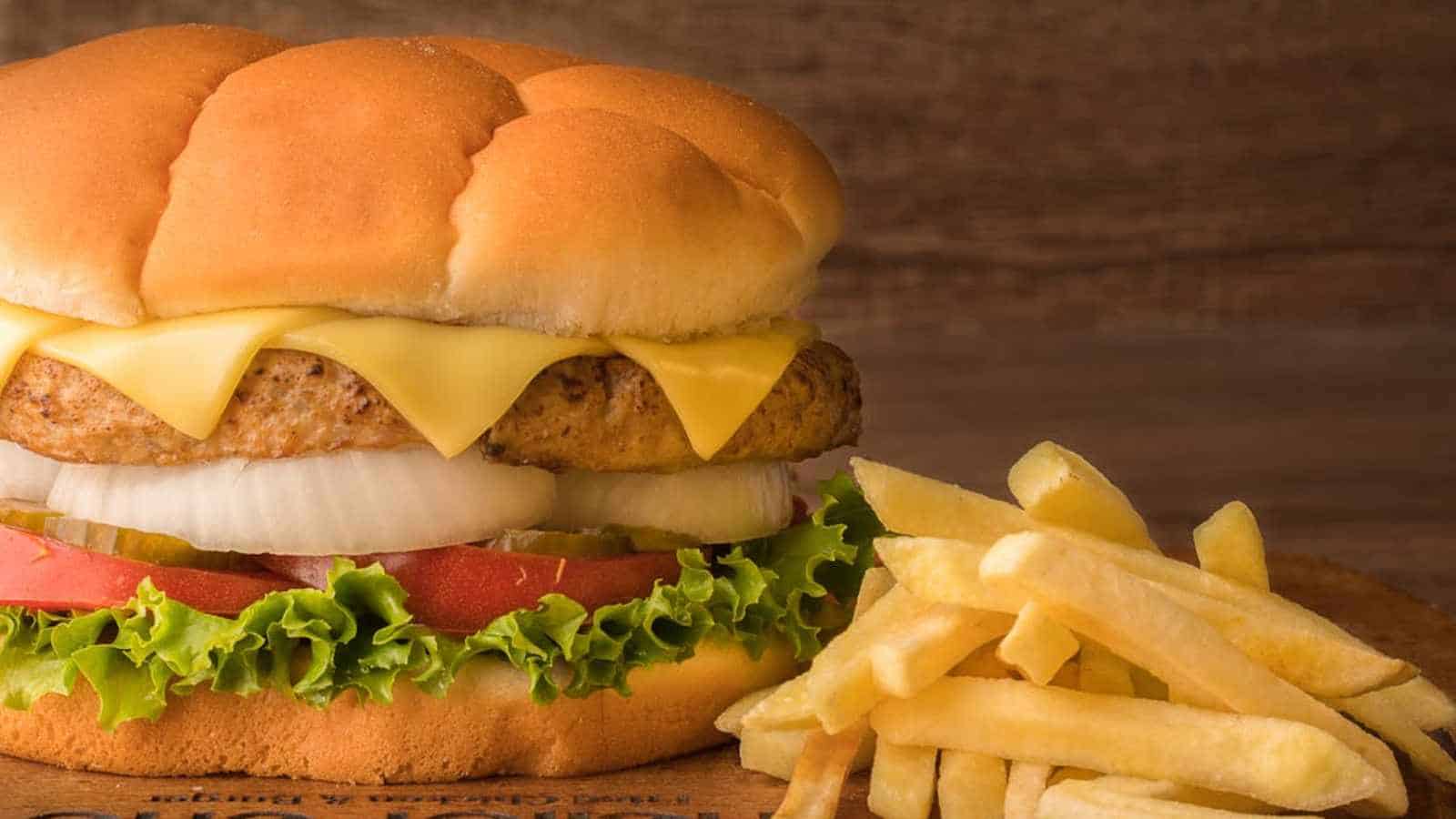
While an occasional burger isn’t necessarily off‑limits, cardiologists are wary of the typical fast‑food version: a large patty on a refined bun topped with processed cheese, bacon, and sugary sauces. This combination adds saturated fat, sodium, refined carbohydrates, and, often, trans fats from the cooking oil.
Mayo Clinic heart‑healthy diet guidance specifically advises limiting fatty and marbled meats, bacon, hot dogs, and full‑fat dairy, recommending lean, unprocessed cuts instead. Cardiologists note that frequent fast‑food meals are strongly associated with higher BMI and poorer cardiometabolic profiles over time.
White Bread, Refined Rolls, and Sugary Breakfast Cereals

Refined grains like white bread, biscuits, and many boxed breakfast cereals spike blood sugar quickly and lack the fiber that supports heart health. Studies associate a high intake of refined carbohydrates with higher triglycerides, lower HDL, and a greater risk of cardiovascular disease compared with diets rich in whole grains.
Brown cardiologists warn that many “breakfast staples” such as sugary cereals and sweetened juices deliver more added sugar than people realize, contributing to weight gain and insulin resistance. The AHA and American College of Cardiology recommend emphasizing whole grains and cutting back on refined products.
Frozen Processed Dinners and Pizzas Loaded with Sodium
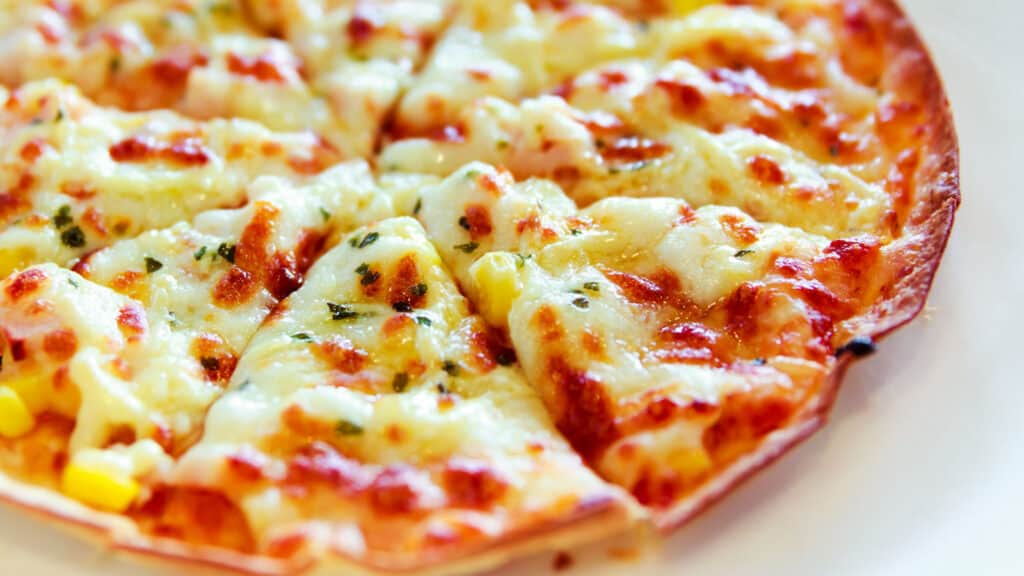
Many frozen entrées and pizzas pack over half, or even all, of a day’s recommended sodium in a single serving, along with saturated fat and refined carbs. The AHA now recommends that most adults aim for nothing more than 1,500 mg of sodium per day, especially those with hypertension.
Heart doctors say high‑sodium frozen meals are hazardous for patients with high blood pressure or heart failure, where excess salt can exacerbate fluid retention and strain the heart. They suggest choosing low‑sodium options or batch‑cooking fresh meals instead.
Sugar‑Loaded Coffee Drinks and Milkshakes Disguised as Beverages

Many popular coffee‑shop drinks and milkshakes contain as much sugar and saturated fat as a dessert, but people often treat them as “just a drink.” Cardiologists warn that these beverages can easily add hundreds of calories and well beyond the AHA’s daily added‑sugar limits (no more than 25 grams for women and 36 grams for men).
A review on heart‑unhealthy foods notes that sugary coffee drinks, milkshakes, and dessert‑style smoothies can undermine blood sugar control, weight, and triglyceride levels, especially when consumed regularly. Many cardiologists treat them as occasional desserts rather than daily staples.
Processed Cheese Products and Shelf‑Stable “Cheese” Sauces
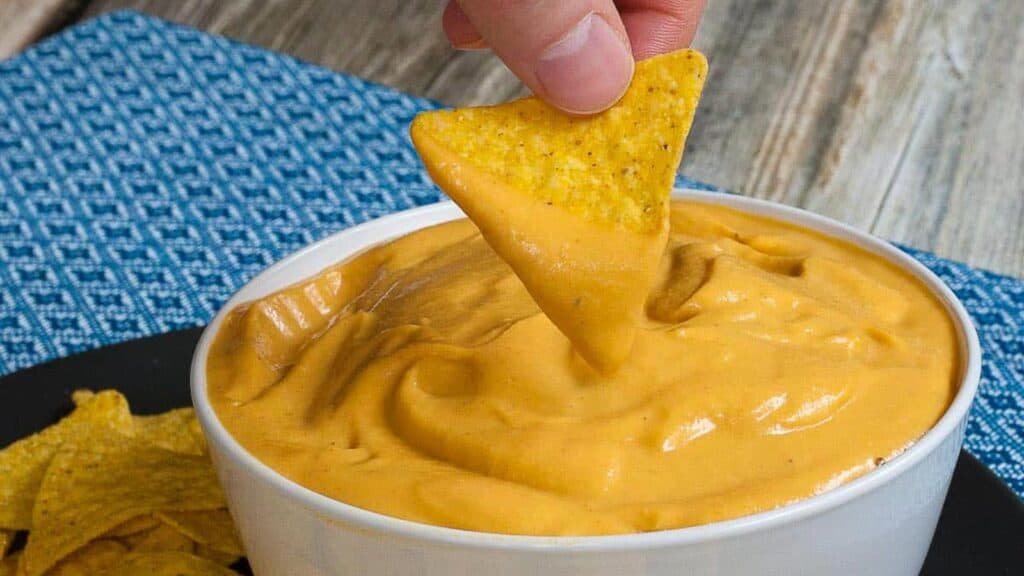
Highly processed cheese slices, “cheese food,” and shelf‑stable sauces often contain high levels of sodium, saturated fat, and emulsifiers. Heart‑healthy diet guidelines from Mayo Clinic and the AHA recommend low‑fat or fat‑free dairy in moderate amounts, rather than full‑fat or ultra‑processed cheese products.
Cardiologists point out that these products often appear in burgers, nachos, and frozen entrées, quietly increasing saturated fat and sodium intake. They recommend real, reduced‑fat cheese in modest portions instead.
Canned Soups and Instant Noodles High in Sodium
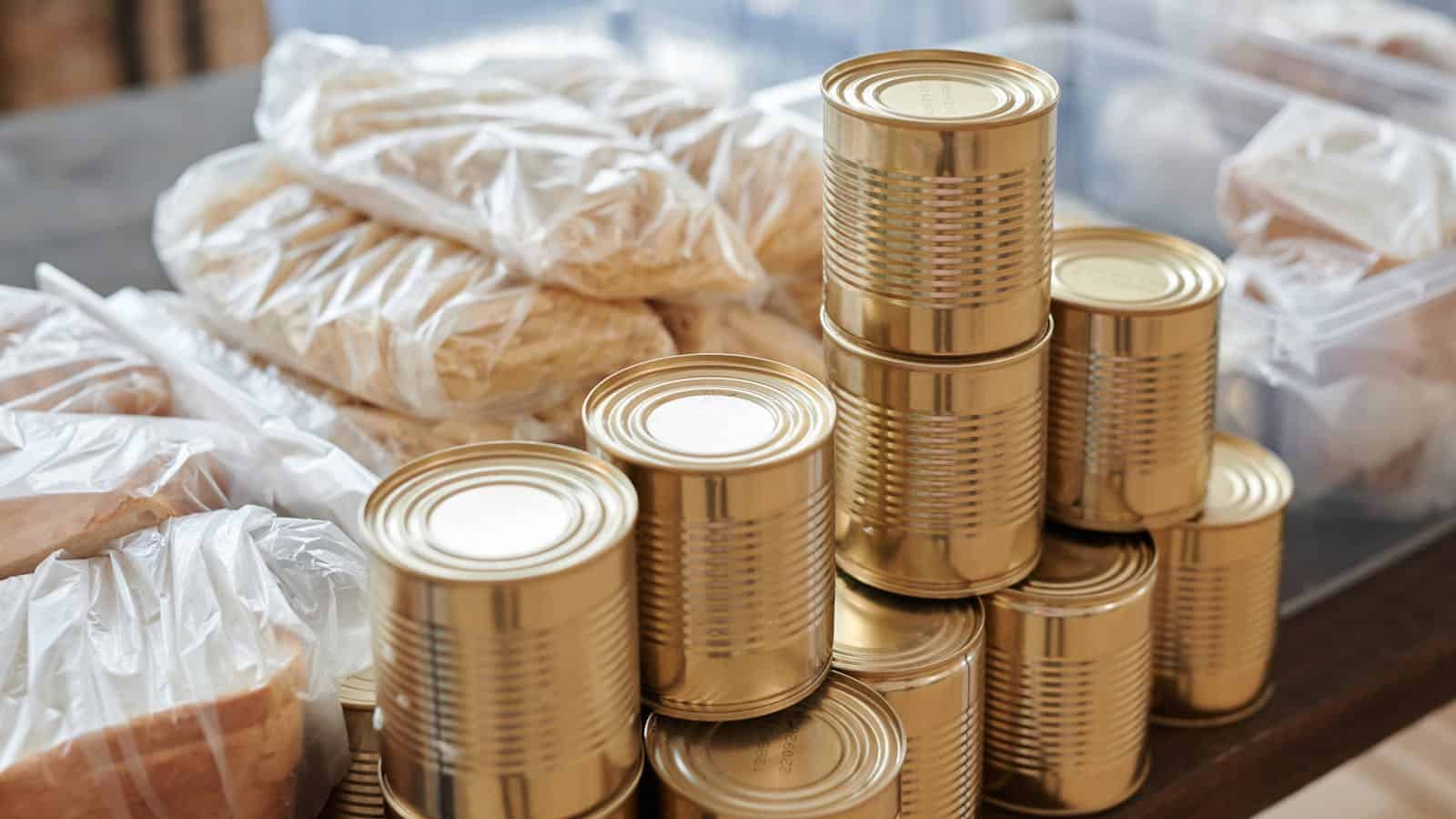
Many canned soups and instant noodle cups contain 700–1,200 mg of sodium per serving, sometimes more if people eat the entire can, which is often labeled as two servings. The AHA notes that consistently high sodium intake can raise blood pressure, a risk factor for heart attack and stroke.
Heart specialists often advise patients with hypertension or heart failure to avoid these products or seek low‑sodium versions, emphasizing homemade soups with beans, vegetables, and herbs instead.
Packaged Desserts and Cookies with Industrial Trans Fats (Partially Hydrogenated Oils)

While the FDA has effectively removed partially hydrogenated oils (the primary source of industrial trans fats) from most U.S. foods, older packaged products and some imports previously contained significant amounts, and small residual amounts can still appear on labels. A meta‑analysis found that each 2% increase in energy from trans fats was associated with a 23% higher risk of coronary heart disease.
For that reason, many cardiologists say they still scan ingredient lists and avoid anything containing “partially hydrogenated” oils. They also caution that even trans‑fat–free packaged desserts tend to be high in refined flour, sugar, and saturated fat, so they treat them as rare treats.
Everything in Moderation, But the Pattern Matters Most

Heart doctors are quick to add that almost no food is completely off‑limits if eaten very occasionally in the context of an otherwise healthy pattern. The American Heart Association emphasizes an overall diet rich in vegetables, whole grains, legumes, nuts, fruits, fish, and unsaturated fats, with minimal processed meats, refined carbs, salty snacks, and sugary drinks.
When cardiologists say there are foods they’d “never” eat, what they really mean is that these items do a lot of metabolic damage for minimal nutritional benefit. They see the consequences of that trade‑off every day in their exam rooms and cath labs.
Disclosure line: This article was developed with the assistance of AI and was subsequently reviewed, revised, and approved by our editorial team.
20 Odd American Traditions That Confuse the Rest of the World
20 Odd American Traditions That Confuse the Rest of the World
It’s no surprise that cultures worldwide have their own unique customs and traditions, but some of America’s most beloved habits can seem downright strange to outsiders.
Many American traditions may seem odd or even bizarre to people from other countries. Here are twenty of the strangest American traditions that confuse the rest of the world.
20 of the Worst American Tourist Attractions, Ranked in Order

20 of the Worst American Tourist Attractions, Ranked in Order
If you’ve found yourself here, it’s likely because you’re on a noble quest for the worst of the worst—the crème de la crème of the most underwhelming and downright disappointing tourist traps America offers. Maybe you’re looking to avoid common pitfalls, or perhaps just a connoisseur of the hilariously bad.
Whatever the reason, here is a list that’s sure to entertain, if not educate. Hold onto the hats and explore the ranking, in sequential order, of the 20 worst American tourist attractions.