Hope in the lab: the breakthrough therapies on the horizon for 2026
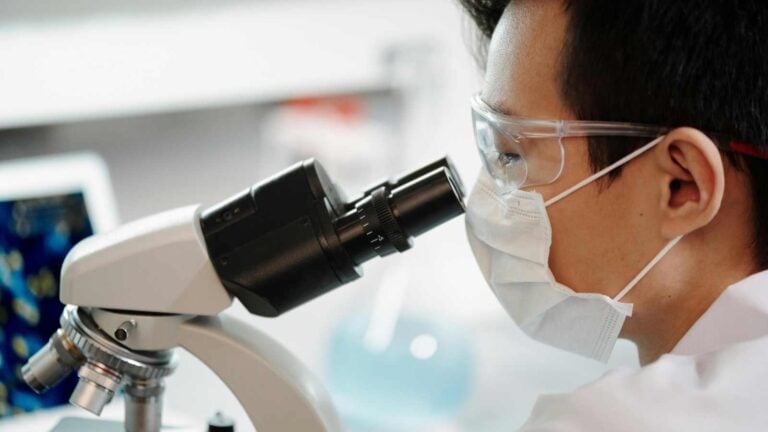
In 2026, scientists aren’t just playing with petri dishes anymore; they’re leveling up. The old methods have given way to futuristic innovations that are changing the way we develop life-saving treatments.
According to the FDCELL 2025 Annual New Drug Review, the FDA’s Center for Drug Evaluation and Research approved 46 novel drugs in 2025, which included 34 new molecular entities and 12 biologics. With a record-breaking 10-year average of over 46 new medicines annually, the medical world is delivering a steady stream of hope to patients everywhere. And this is just the beginning. Wouldn’t you like to know what’s next?
Disease-modifying Alzheimer’s drugs

The FDA approved lecanemab and donanemab in 2023 and 2024 to tackle the biological roots of Alzheimer’s rather than just masking symptoms.
Phase 3 trials showed these antibodies slow cognitive decline in patients with specific protein levels. Doctors now use these treatments to clear amyloid plaques from the brain, offering families more precious time together.
CRISPR gene editing for blood disorders

CRISPR technology officially moved from science fiction to the pharmacy with the landmark 2023 approval of Casgevy for sickle cell disease. According to a November 10, 2025, press release from CRISPR Therapeutics, the company reported that, alongside partner Vertex Pharmaceuticals, they have achieved significant momentum for CASGEVY, with 39 patients having received infusions as of September 30, 2025.
This one-time fix genetically tweaks a patient’s own cells to stop the pain and hospital visits caused by inherited blood disorders.
GLP-1 weight-loss drugs with heart protection

Scientists originally designed these medications to manage blood sugar, but the drugs now serve as a powerhouse for heart health. They do far more than just trim waistlines or suppress appetite.
These therapies actively protect the body by slashing the risk of strokes and heart attacks. Patients now use them to strengthen their cardiovascular systems while simultaneously shedding pounds.
AI-designed medicines and faster drug discovery

Artificial intelligence is slashing the decade-long wait for new meds by predicting which molecules will actually work. According to a report by Grand View Research, the global artificial intelligence in drug discovery market was estimated at USD 2.35 billion in 2025.
These digital tools handle everything from identifying new drug targets to determining which existing drugs can be repurposed for rare diseases.
Next-wave CAR-T for solid tumors
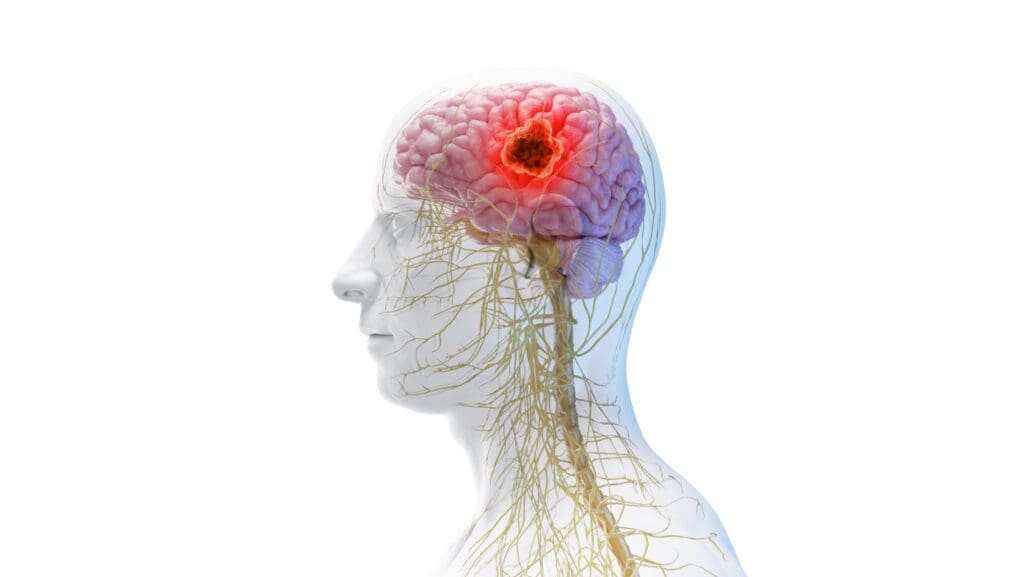
Custom-made immune cells are finally learning to hunt down stubborn solid tumors in the lungs and brain. At the American Society of Clinical Oncology Annual Meeting in June 2025, researchers from the University of Pennsylvania and Gilead’s Kite unit presented findings on a dual-target CAR-T therapy that shrank brain tumors in 62% of trial participants with recurrent glioblastoma.
While blood cancers were the first targets, this new wave of “living drugs” uses genetic engineering to penetrate the formidable defenses surrounding solid masses.
Advanced therapies for depression and anxiety

The World Health Organization reports that over 1.1 billion people globally, roughly 1 in 7, live with mental health conditions, which are a leading cause of disability. Innovations in the pipeline include digital therapeutics and rapid-acting medications designed to provide relief faster than traditional antidepressants.
Researchers are pushing for broader access to these tools as anxiety and depression continue to account for the largest share of the global disease burden.
More innovative cancer therapies in a growing cancer era

As global cancer cases continue to rise, the pursuit of “smart” precision therapies has become more critical than ever. While the World Health Organization notes the increasing prevalence of the disease, targeted immunotherapies are already actively improving survival rates.
Scientists are now prioritizing treatments that attack specific genetic mutations, ensuring that every therapy is as unique as the patient receiving it.
Also on MSN: Life after treatment: the unseen challenges of cancer survivorship
Regenerative medicine and cell-based repair

Instead of just managing chronic damage, doctors are using regenerative medicine to regrow healthy tissue from scratch. According to a February 2025 report from CRISPR Medicine News, there are approximately 250 clinical trials involving gene-editing therapeutic candidates, with more than 150 trials currently active.
These therapies use “off-the-shelf” stem cells to replace worn-out biological parts, moving us closer to a future where chronic organ damage is reversible.
Cardiometabolic therapies beyond sugar control

Cardiovascular disease remains the top global killer, but new personalized regimens are changing the survival odds for millions. A that older, high-risk patients see the biggest boost from modern metabolic drugs.
Physicians now look at a patient’s age and body mass index to tailor these treatments, ensuring the heart and metabolism work in perfect harmony.
The expanding pipeline of first-in-class drugs

The pharmaceutical industry is cranking out “first-in-class” drugs that work in ways humans have never seen before. Fierce Pharma states that the FDA approved 46 novel drugs in 2025, with 26 of them (approximately 57%) designated for rare “orphan” diseases.
This stable engine of innovation ensures that the medical breakthroughs of 2026 will continue to turn once-untreatable conditions into manageable ones.
Key Takeaway

The medical landscape of 2026 is defined by precision and speed, with AI-driven discovery and CRISPR gene editing leading the charge. From heart-protective weight loss drugs to Alzheimer’s treatments that target disease biology, the laboratory is delivering more innovative, faster, and more effective therapies than ever before.
Disclosure line:
This article was developed with the assistance of AI and was subsequently reviewed, revised, and approved by our editorial team.
Like our content? Be sure to follow us