How extreme “tipping fatigue” is quietly destroying the American restaurant industry from the inside
What was once a simple act of gratitude has evolved into a daily obligation that’s changing how people feel about spending money at all.
Grabbing a quick cup of coffee or enjoying a leisurely sit-down meal used to be a simple, relaxing pleasure for people across the United States. Today, a spinning digital tablet has completely transformed the final checkout process into a highly stressful financial quiz that leaves a bitter taste.
The entire American dining experience is currently facing a silent crisis driven by angry customers who feel completely exhausted by constant requests for gratuity at places they never previously tipped. This overwhelming frustration at the cash register is quietly unraveling the very foundation of the hospitality sector from the inside out.
What Is Tipping Fatigue?
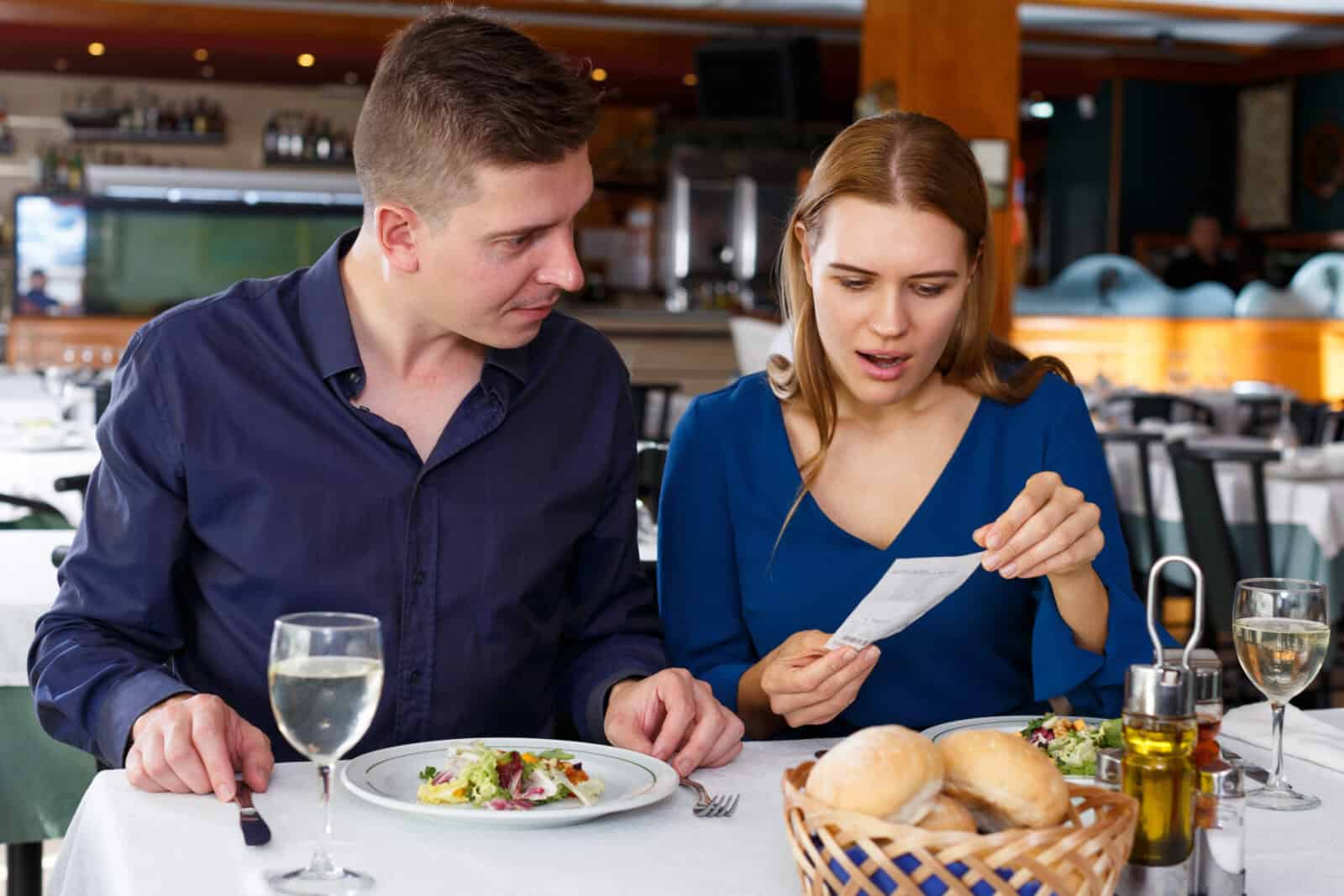
Tipping fatigue occurs when consumers feel incredibly overwhelmed and openly frustrated by the relentless expectation to leave extra money for every single basic transaction. Whether a person is picking up a simple bagel or grabbing a standard drip coffee, that glowing screen asking for twenty percent feels unnecessarily aggressive.
It completely ruins the upbeat mood of a pleasant morning routine and makes everyday buyers dread the final moment of paying for their food. A recent 2023 Pew Research Center study reveals that 72 percent of United States adults firmly state that tipping is expected in significantly more places today than just five years ago.
This massive cultural shift leaves regular folks feeling nickel-and-dimed by massive corporations that should be paying their workers better base wages in the first place. Patrons are incredibly tired of personally subsidizing employee payrolls directly from their own rapidly shrinking household budgets.
How is it quietly destroying the American restaurant industry from the inside
1. Customer Resentment Replaces The Joy Of Dining Out
Eating at a nice local restaurant is supposed to be a fun, relaxing escape from cooking at home, but intense customer resentment is quickly poisoning that well. When patrons finally sit down for a celebratory meal, they are already mentally calculating the hidden service fees and expected gratuities before even opening the menu.
This underlying financial anxiety turns a wonderful Friday night dinner into a stressful mathematical equation that destroys the intended vibe of the evening. According to a highly detailed Forbes Advisor report, 32 percent of Americans openly admit they are tipping less strictly because of inflation and surging menu prices.
Families simply cannot afford to add another twenty-five percent upcharge on top of a dinner bill that has already skyrocketed to unprecedented levels over recent months. Consequently, they are opting to stay home entirely, depriving beloved local restaurants of the vital regular revenue they desperately need to survive.
2. Front-of-House Staff Suffer From Unpredictable Wages

Servers and bartenders across the country rely heavily on the arbitrary generosity of strangers to make rent, and this outdated compensation system is becoming dangerously unstable.
As annoyed customers actively pull back on their traditional tipping habits out of sheer frustration, waiters are taking home significantly less money at the end of their exhausting shifts. A demanding job that once offered a reliable path to a very comfortable living is suddenly feeling like a massive financial gamble every single night.
The hard data perfectly reflects this harsh economic reality, with the Toast 2024 Restaurant Trends Report showing the average restaurant tip percentage has dropped to exactly 18.9 percent nationally.
While a drop of a few percentage points might sound relatively small to an outsider, it represents thousands of lost dollars annually for a hard-working career server. Many highly experienced front-of-house professionals are simply quitting the industry altogether to find more stable paychecks in completely different fields.
3. The Growing Divide Between Kitchen And Serving Staff
A healthy, functioning restaurant relies heavily on perfect, seamless teamwork between the cooks preparing the meals and the waitstaff delivering the food to the tables. However, the current chaotic tipping environment breeds deep resentment and active hostility between the back-of-house employees and the customer-facing team.
Cooks sweat over hot kitchen stoves for a flat hourly rate while angrily watching servers walk out with handfuls of cash, creating a remarkably toxic workplace atmosphere.
The National Restaurant Association 2024 State of the Industry report explicitly notes that operators say that recruiting and retaining qualified employees is their absolute top operational challenge.
When shared tipping pools dry up or become fiercely contested by angry workers, staff turnover skyrockets, and the overall quality of service plummets across the board. General managers are forced to spend all their precious time putting out interpersonal fires instead of focusing on creating a wonderful dining experience for the guests.
4. Technology Screens Create Awkward Checkout Interactions

That little glowing digital tablet sitting at the front register has quickly become the most universally despised piece of technology in modern American retail commerce. Anxious cashiers awkwardly look away while the customer is practically forced to choose between a socially unacceptable zero and an incredibly expensive twenty percent mandatory markup.
It genuinely feels like a miniature emotional hostage situation rather than a friendly, neighborly exchange of delicious goods and services.
A recent consumer survey reported by the New York Post discovered that a staggering 66 percent of buyers feel immense social pressure to tip when presented with a digital tablet screen.
This forced, highly uncomfortable interaction destroys any genuine goodwill the customer might have felt toward the cute local establishment just a few short moments prior. Instead of leaving with a happy smile, patrons walk out the front door feeling deeply manipulated and actively plotting to avoid returning to that specific store ever again.
5. Smaller Establishments Take The Hardest Hit
Massive corporate food chains possess the capital to easily absorb the temporary shock of unhappy customers, but your favorite neighborhood culinary spot operates on incredibly thin profit margins.
As frugal diners dramatically reduce their weekly restaurant visits to successfully avoid tipping pressure, local mom and pop shops are experiencing a terrifying drop in their regular repeat patrons. These businesses completely lack the massive marketing budgets required to constantly attract fresh new people to replace their lost loyalists.
Illuminating data from a 2023 Popmenu industry survey highlights this daily struggle, revealing that 67 percent of consumers are ordering less takeout and delivery specifically to save money on extra fees.
Without that completely steady stream of casual weeknight orders, fantastic independent restaurants are being rapidly forced to close their doors completely and declare bankruptcy. The rich, diverse culinary fabric of local American neighborhoods is slowly but surely being replaced by sterile, predictable corporate drive-through operations.
6. The Shift To Counter Service Eliminates Traditional Hospitality
To successfully combat rising labor costs and endless tipping drama, many independent owners are completely ditching full table service in favor of having guests order at a central counter.
While this calculated strategy definitely helps balance the monthly spreadsheets, it completely strips away the familiar warmth and personal connection that defines classic American hospitality.
You are no longer a highly valued guest being carefully attended to; you are simply an anonymous order number waiting to be called out loudly over a cheap speaker system.
This aggressive operational pivot clearly means fewer available jobs for professional servers and a distinctly downgraded evening experience for anyone hoping for a special, memorable night out.
The entire industry is basically eating its own soul to survive right now, permanently trading genuine human connection for automated buzzers and cold QR code menus. If this highly destructive trend continues completely unchecked, the traditional sit-down dinner might soon become an absurdly expensive luxury reserved strictly for the ultra-wealthy elite.
Like our content? Be sure to follow us