How the NFL turned halftime into a ratings weapon
Once upon a Super Bowl, halftime meant marching bands and snack runs—until the NFL realized people were leaving.
For most of the Super Bowl’s early history, halftime was not something anyone circled on a calendar. It was the moment people wandered into the kitchen, checked on the food, or talked over the television without worrying they were missing anything important. Today, that idea feels almost impossible to imagine.
The halftime show is now argued about weeks in advance, dissected online in real time, and debated long after the game ends. That shift did not happen because music suddenly mattered more. It happened because attention changed, television changed, and the Super Bowl found itself needing to hold an audience that had learned how easy it was to leave.
Halftime Was Originally Built to Be Background
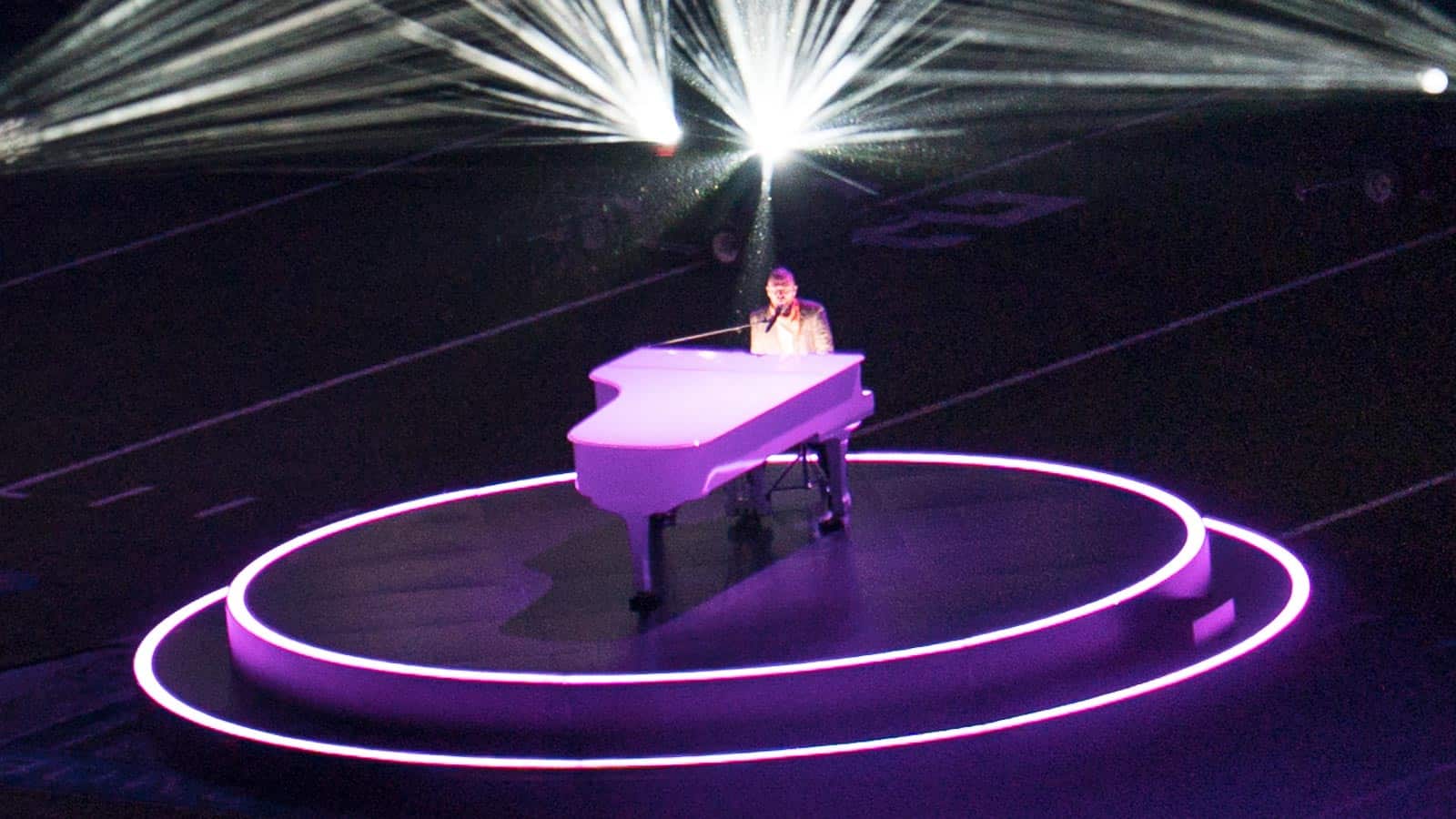
In the earliest Super Bowls, halftime was treated as a practical intermission rather than a performance meant to stand on its own. Marching bands were the backbone, joined by drill teams, mass choreography, and carefully themed productions that leaned heavily on Americana. These shows were designed to feel upbeat, respectable, and broadly appealing without asking much of the viewer emotionally.
The logic made sense for the time. Television audiences had fewer channels, fewer distractions, and fewer habits around active viewing. If the Super Bowl was on, people tended to stay put. Halftime did not need to fight for attention because attention was already assumed.
This also meant there was very little pressure to innovate. The shows were polished and orderly, but they were not memorable in the way we now expect. They existed to maintain atmosphere, not to create conversation.
Television Changed Faster Than the Halftime Show Did
By the late 1980s and early 1990s, television had changed in ways the halftime show had not yet caught up to. Viewers were becoming more comfortable flipping channels. Cable had expanded options. Audiences were no longer passive in the same way, and networks were beginning to understand that loyalty could not be taken for granted.
The Super Bowl still felt untouchable, but that confidence turned out to be misplaced.
When viewers demonstrably left the broadcast during halftime to watch something else, it forced the NFL to confront a reality it had avoided. Halftime was not immune from competition. It was exposed.
This realization reframed the problem entirely. Halftime was no longer just about entertainment. It was about retention.
The Moment the NFL Stopped Treating Halftime as Decorative
Once the NFL accepted that halftime needed to actively hold viewers, the solution became obvious. It needed to offer something people would not want to miss. That meant star power, recognition, and spectacle.
Booking Michael Jackson marked a clear line between eras. This was not a themed production with interchangeable performers. This was a star driven event built around presence, familiarity, and cultural dominance. The performance was designed to command attention, not simply fill space.
The results were immediate and measurable. Viewership increased during halftime instead of dropping. Media coverage expanded. The halftime show itself became a headline, not a footnote.
After that moment, the idea of returning to anonymous pageantry was effectively off the table.
Halftime Became a Ratings Tool, Not Just Entertainment
With proof that a major halftime performance could hold and even grow an audience, the league fully embraced halftime as a business strategy. The Super Bowl’s value depends on continuous viewership. Advertisers pay for access to attention, not just time slots, and halftime represents one of the most vulnerable moments in the broadcast.
A strong halftime show keeps people watching through the break and into the second half. It also extends the life of the event. Conversations about the performance spill into news cycles, social media, and everyday chatter, keeping the Super Bowl culturally present long after the game ends.
In this way, the halftime show became part of the Super Bowl’s infrastructure rather than a side feature.
Why Artists Accepted the Deal Even Without Traditional Pay
The question of payment often comes up, and it sounds strange on the surface. Why would artists agree to perform on one of the biggest stages in the world without a traditional fee?
The answer lies in what the halftime show actually offers. It provides an audience that is nearly impossible to replicate anywhere else. The viewership spans generations, genres, and levels of fandom. Many people watching the halftime show are not music fans in the traditional sense. They are casual listeners, family members, or people who only tuned in for the social event.
A successful performance can dramatically shift public perception, reignite careers, introduce artists to new demographics, and generate lasting momentum. Streaming spikes, sales increases, and renewed relevance often follow. For artists at the right point in their careers, the halftime show functions as a cultural reset.
Controversy Made Halftime Feel High Stakes
As the halftime show grew more prominent, so did scrutiny. Moments that sparked backlash or debate did not shrink the importance of halftime. They intensified it. People began watching more closely, anticipating whether something unexpected might happen.
The league responded by tightening controls and becoming more cautious, but the underlying effect remained. Halftime stopped being something you half watched. It became something you monitored.
Even people who claimed to dislike the halftime show found themselves paying attention, if only to participate in the conversation afterward.
Social Media Changed the Design of the Show
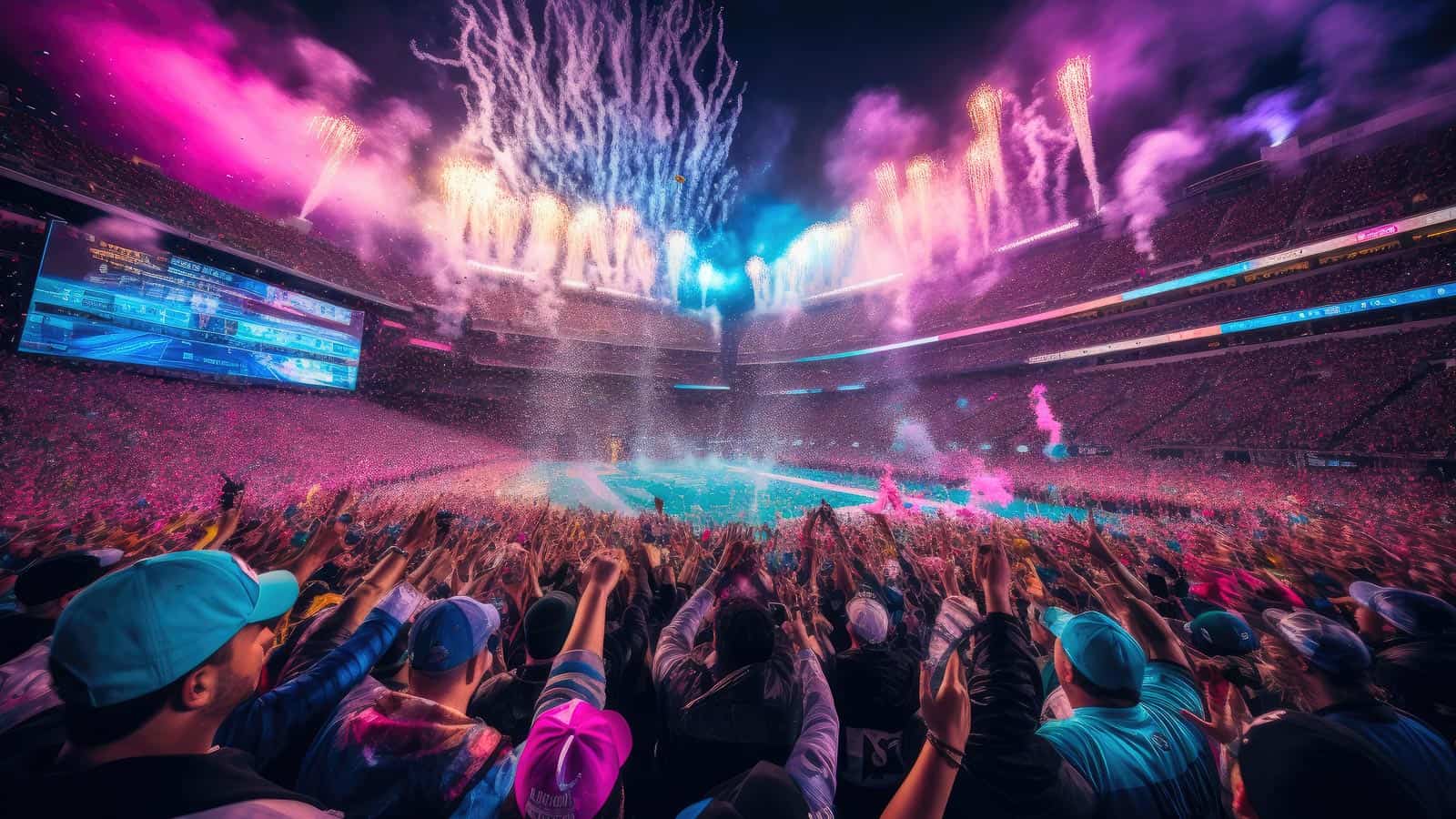
Once performances began living beyond the broadcast itself, the halftime show evolved again. Clips, reactions, and commentary spread almost instantly. This changed what mattered in a performance.
Big visual moments became essential. Clear symbols traveled better than subtlety. Surprise guests created instant buzz. Artists began designing shows not just for the stadium or the television audience, but for phones and feeds.
The halftime show developed an afterlife, and that afterlife became part of its value.
Why the Super Bowl Halftime Show Feels Unavoidable Now
One reason the halftime show feels so large today is because there are fewer shared viewing experiences left. Entertainment is fragmented across platforms, schedules, and algorithms. The Super Bowl remains one of the rare moments when millions of people are watching the same thing at the same time.
Halftime is the most accessible part of that moment. You do not need to understand football strategy to react to music. That universality gives the halftime show cultural weight that extends beyond the game itself.
How a Break Turned Into a Cultural Institution
The halftime show became massive because it solved a modern problem. How do you hold collective attention in a world designed to scatter it? By turning halftime into something people argue about, anticipate, and remember, the Super Bowl created an event within an event.
What began as background entertainment is now one of the most analyzed performances in the world, not because music changed, but because attention did.
How College Football Programs Are Tackling Head Injuries And What It Means For The Game
As awareness of concussions and chronic traumatic encephalopathy (CTE) grows, college football programs are under pressure to adopt new strategies to protect athletes. From helmet upgrades to sideline monitoring, institutions across the country are implementing cutting-edge solutions to keep players safer without compromising the game’s intensity. Learn more.