How college football programs are tackling head injuries and what it means for the game
As awareness of concussions and chronic traumatic encephalopathy (CTE) grows, college football programs are under pressure to adopt new strategies to protect athletes. From helmet upgrades to sideline monitoring, institutions across the country are implementing cutting-edge solutions to keep players safer without compromising the game’s intensity.
NCAA Concussion Protocols Are Stricter Than Ever

In January 2024, the NCAA rolled out updated concussion safety protocols, including more rigorous return-to-play rules, evaluation tools, and a checklist schools must follow. While Division I programs no longer submit protocols to NCAA staff directly (as of August 1, 2024), they remain legally required to align with best practices from medical advisory groups.
Education and Baseline Testing for Every Athlete

Colleges now conduct baseline concussion assessments and annual education for players, coaches, and staff. For example, schools require student-athletes to receive concussion training and sign an acknowledgment before participating in sport.
Impact-Detecting Mouthguards Hit the Sidelines

Instrumented mouthguards such as Prevent Biometrics’ iMG now provide in-game real-time data on head impacts. A recent NCAA study reported high sensitivity (0.89) and positive predictive value (76–98%) in tracking head acceleration events, with benchmarks across offense and defense positions established during real matches. Coaches and training staff can flag dangerous impacts instantly and decide if players should be evaluated.
High-Tech Helmets and Smart Fit Innovations

Virginia Tech’s Helmet Lab continues leading helmet safety research, advising programs on which helmet models deliver the best protection across simulated impact tests. Helmets from makers like Riddell, Schutt, Vicis, and Windpact feature advanced layers: TPU cushioning, rotational-force dampening, and liquid liners that can cut impact force by up to one third.
Padded Helmet Covers Are Growing in Popularity

Guardian Caps, soft-shell padding added over helmets, are increasingly used during practice at the college level after showing success in the NFL. NFL data show a 50% concussion reduction during practice among cap users, though independent studies in NCAA settings found no significant impact reduction yet. Colleges are monitoring ongoing research before implementing wider adoption.
Advanced Diagnostics Bring New Hope

At institutions like Columbia University, researchers are developing helmets embedding EEG sensors (like the NoMo prototype) to detect brain activity changes indicative of concussion instantly and alert sideline staff in real time.
Limiting Contact With Practice Structure Changes

Colleges are reducing full-contact drills and enforcing targeting rules to minimize head impacts. The NCAA’s 2025 rulebook highlights protection for defenseless players as a key emphasis point in reducing risk on the field. Additionally, new injury-timeout rules discourage feigning injuries for tactical stoppages.
Investing in Research Partnerships

Academic institutions including the University of Cincinnati and Virginia Tech are forging collaborations with biomedical engineering departments to research concussion risk, test helmet performance, and develop next-generation interventions such as helmet decals that reduce rotational forces.
Culture Shift Encourages Self‑Reporting and Transparency

While concussions were once underreported by pressured players, many programs now require transparent symptom reporting. Education efforts aim to reduce stigma and prioritize player health over immediate performance.
Looking Ahead at the Future of the Sport
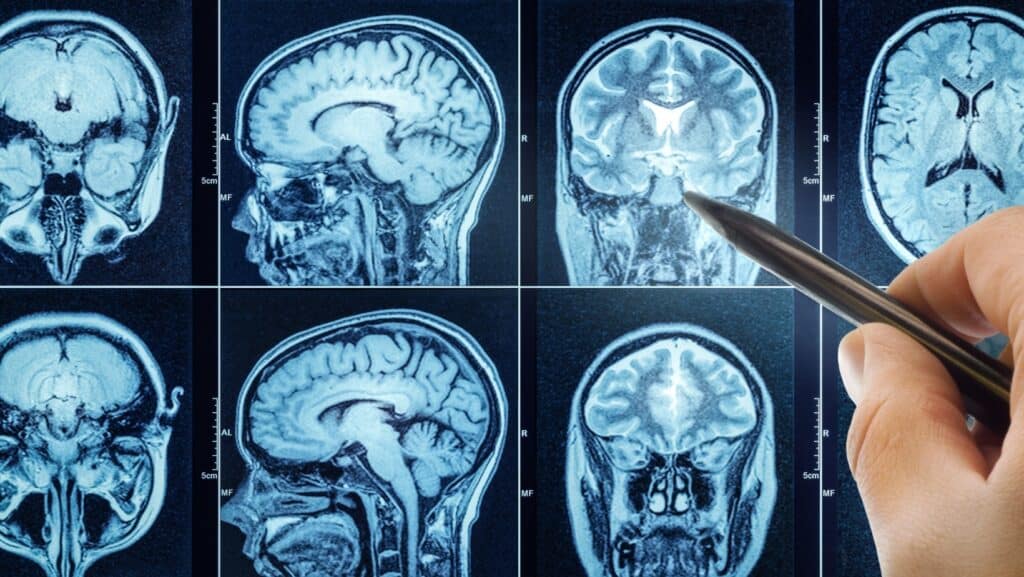
Recent tragedies, such as the head injury death of an Alabama A&M player, have reignited debate over football’s place in academia. As stakeholders call for deeper safety reforms, colleges must weigh whether head-injury mitigation efforts can preserve football’s future on campus.
The Takeaway
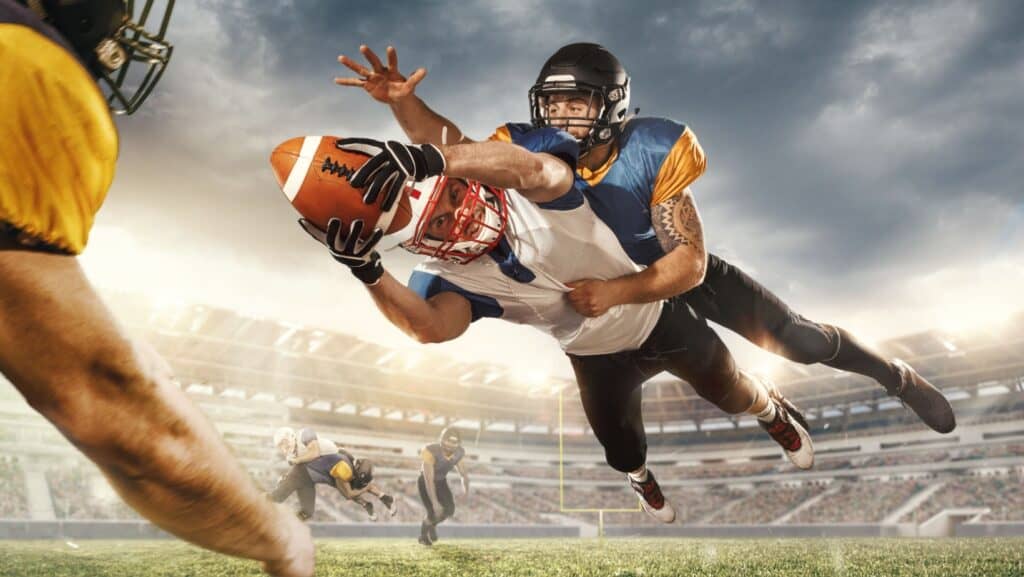
From smart helmets to data-driven training and research-backed rules, college football is evolving. Programs are embracing new protocols at every level, from sideline gear to athletic culture, to reduce head injury risk while keeping fans and athletes engaged. The changes are promising, but with CTE concerns on the rise, only sustained effort and innovation can ensure the game endures safely.
This Serious Condition Could Be the Reason Your Workouts Suddenly Stopped Working

Once thought to affect only elite athletes and military personnel, Overtraining Syndrome (OTS) is now showing up in everyday gym-goers, amateur runners, and weekend warriors. Sports medicine clinics are increasingly seeing cases of this serious, multisystem condition caused by pushing the body beyond its ability to recover.
READ: This Serious Condition Could Be the Reason Your Workouts Suddenly Stopped Working