If you entered the workforce during the 2008 recession, you likely have these 11 frugal money habits
For many millennials, the chaos of 2008 turned ordinary financial choices into lifelong instincts shaped by uncertainty and restraint.
Graduating and looking for jobs around 2008 felt like walking into a financial hurricane. The stock market was crashing while major banks were disappearing overnight. People entering the workforce during that chaotic time learned very quickly how to stretch a dollar to its absolute limit. Those early lessons in survival created lasting financial habits that stick around today.
Many millennials spent their first professional years working for minimum wage or taking unpaid internships just to build a resume. The economic shockwave forever changed how an entire generation views spending and saving. Let us explore the frugal behaviors that continue to shape the daily lives of recession graduates.
Keeping a Massive Emergency Fund
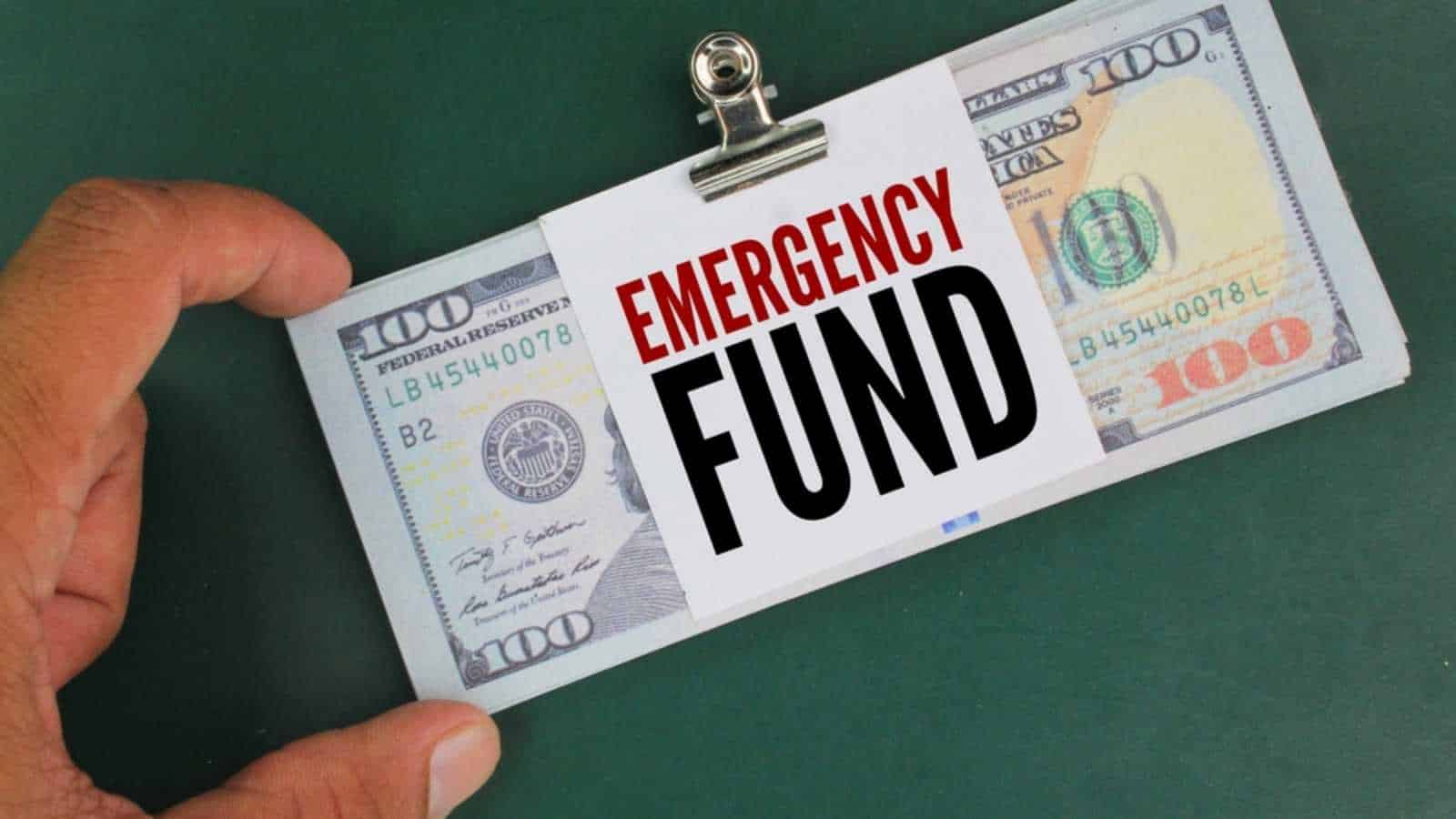
Losing a job with zero notice was a very real threat back then. You probably keep a massive cash buffer in a high-yield savings account just in case the worst happens again. According to a 2026 Bankrate survey, roughly 70 percent of Americans cannot cover a one-thousand-dollar emergency expense from savings.
You fall into the other camp because you refuse to let a crisis wipe you out completely. Building that safety net took years of discipline and passing on expensive vacations. Having cash on hand brings a profound sense of peace that money simply cannot buy.
Cooking Almost Every Meal at Home

Going out to eat often feels like a reckless waste of hard-earned cash. You learned how to meal prep and cook cheap staples out of sheer necessity. That habit never really left your routine, even after your income finally stabilized.
Grocery shopping involves hunting for weekly deals and clipping digital coupons before you hit the aisles. You view restaurant markups as entirely unreasonable and prefer to entertain guests in your own dining room. Whipping up a delicious dinner from scratch is both a financial strategy and a badge of honor.
Driving Cars Until They Completely Break Down

The idea of taking out a massive auto loan sends shivers down your spine. You prefer to buy reliable used vehicles and drive them into the ground. Recent data from S&P Global Mobility shows the average age of vehicles on American roads reached a record high of 12.8 years.
You fall right in line with that statistic because you refuse to finance a depreciating asset. Taking care of routine maintenance is your secret weapon for avoiding the dreaded dealership lot. Your older sedan might lack fancy touchscreens, but it runs perfectly and carries no monthly payment.
Avoiding Credit Card Debt Like the Plague

Watching older relatives drown in high-interest consumer debt left a permanent scar on your financial psyche. You treat your credit card like a debit card and pay the full balance every single month. A Bankrate report noted that 53% of millennials now carry a credit card balance from month to month.
You actively dodge that trap by tracking your expenses and living well below your means. If you cannot afford to buy something in cash, you simply wait until you save up the funds. Earning reward points is a fun game, but paying interest charges is an absolute dealbreaker.
Embracing Secondhand Shopping and Thrift Stores

Paying full retail price for clothes or furniture feels almost physically painful to you. Scouring thrift shops and garage sales became a weekend hobby that you still genuinely enjoy today. You know exactly how to spot high-quality items buried under piles of junk.
Your entire wardrobe probably consists of gently used brands that look brand new to everyone else. Furnishing your apartment or house involves patience and a lot of local online marketplace deals. There is a distinct thrill in finding a perfect vintage jacket for less than the cost of a coffee.
Renting Rather Than Rushing Into Homeownership

The foreclosure crisis taught you that real estate is never a guaranteed golden ticket. You took your time getting into the housing market because you saw the dangers of bad mortgages firsthand. The National Association of Realtors reported in 2025 that the median age of a first-time homebuyer hit a record high of 40.
Renting gave you the flexibility to chase better job opportunities across different cities without being tied down. When you finally bought a place, you made sure the mortgage fit perfectly within your budget. Protecting your financial flexibility always outweighed the societal pressure to buy a huge house.
DIY Fixes Instead of Calling Professionals

Hiring a plumber or mechanic feels like an absolute last resort. You consult video tutorials to fix leaky sinks and broken appliances on your own. Learning these handy skills saved you thousands of dollars during those lean early years.
Your toolbox is your best friend when things start breaking down around the house. You are not afraid to get your hands dirty if it means protecting your hard-earned savings. There is an immense feeling of pride that comes from successfully repairing something with your own two hands.
Aggressively Funding Your Retirement Accounts

The stock market crash proved that nobody is going to hand you a secure retirement on a silver platter. You started throwing every spare dollar into your investment accounts the second you landed a stable job. A 2026 Fidelity Investments report revealed that account balances grew by a solid 11 percent over the prior year.
Compound interest is your favorite mathematical concept, and you check your portfolio regularly. You view your retirement contributions as a monthly expense just like rent or groceries. Building true wealth takes time, and you refuse to leave your golden years up to chance.
Treating Vacations as a Luxury Instead of an Expectation

Traveling the globe sounds wonderful, but it rarely fits into a hyper-focused financial plan. You prefer local road trips and affordable camping weekends over lavish overseas adventures. Saving up for a major trip requires months of careful planning and setting aside dedicated travel funds.
You never book flights or hotels without exhaustively comparing prices across multiple travel websites. Taking on debt for a temporary vacation is a concept you simply cannot comprehend. Creating beautiful memories does not require emptying your bank account or maxing out your credit limit.
Holding Onto Multiple Streams of Income

Relying on a single employer for your livelihood still feels incredibly risky. You probably maintain a side hustle or freelance gig just to keep your options completely open. A survey by Bankrate found that nearly 27 percent of adults in the United States currently have a side hustle.
That extra income flows directly into your investment accounts or pays down any lingering bills. Knowing you have backup cash flow makes the daily corporate grind slightly more tolerable. Diversifying your income provides a safety net that a traditional job simply cannot guarantee.
Questioning Every Single Subscription Service

Those small monthly charges add up fast and eat away at your savings rate. You aggressively audit your bank statements every month to cancel services you no longer actively use. Sharing streaming passwords or rotating active accounts is a completely normal part of your routine.
Gym memberships and premium app subscriptions rarely survive your ruthless budget cuts. You prefer paying upfront for things instead of being bled dry by a thousand tiny recurring fees. Keeping your fixed monthly costs incredibly low is the ultimate secret to surviving any future economic downturn.
Like our content? Be sure to follow us