Kitchen trends are changing fast: 13 gadgets home cooks are quietly abandoning
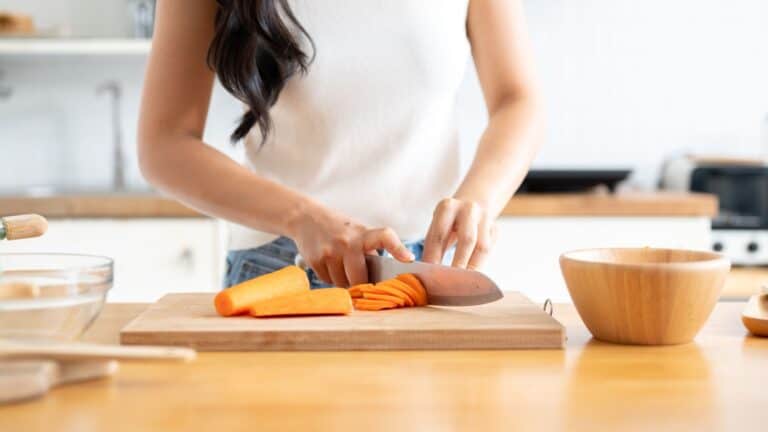
The era of the overstuffed drawer and the countertop crowded with blinking, buzzing novelties is fading, replaced by a lean, utilitarian intentionality. This shift away from kitchen gadgets reflects a growing preference for tools that serve multiple purposes rather than single-task devices.
The term unitasker was popularized by Alton Brown, the culinary scientist and host of Good Eats, who has spent decades criticizing kitchen tools designed to perform only one function. Brown’s philosophy, that the only unitasker allowed in a kitchen is a fire extinguisher, has finally trickled down from Food Network enthusiasts to the average American household.
A recent study by the International Housewares Association suggests that while kitchenware sales remain steady, the composition of those sales is pivoting toward durability and versatility. People are tired of paying for plastic junk that solves a problem they didn’t know they had until they saw an infomercial.
The Single-Purpose Plastic

Staring at a $15 plastic claw designed specifically to pit and slice an avocado, while a $100 chef’s knife sits idly in the block. The American consumer has finally realized that the banana slicer is less of a tool and more of a punchline.
While the broader kitchen tools category is growing at a 4.1% CAGR, the specialty prep sub-segments have stalled. Consumers are prioritizing multifunctional tools, such as high-quality mandolines with adjustable safety features, over single-fruit tools.
Professional organizer and author of The Home Edit, Clea Shearer, notes that visual noise in the kitchen directly correlates to cooking fatigue. When you have to dig through three strawberry hullers to find a vegetable peeler, you stop wanting to make dinner.
Why Traditional Deep Fryers are Leaking Oil Out of the Market

The traditional home deep fryer is a relic of a different era of nutrition, and the numbers show it. In the mid-2000s, these were wedding registry staples, but today, they are the first items listed on Facebook Marketplace for $10.
A study by the Environmental Protection Agency highlights that improper disposal of FOG (fats, oils, and grease) costs municipalities millions in pipe repairs, but for the home cook, the deterrent is the smell.
Once an oil fryer is used, the lingering scent of the state fair permeates the curtains for 48 hours. With the meteoric rise of convection-based alternatives, the traditional fryer has become a dinosaur.
The Market.us (2026) reports that the global air fryer market revenue reached $7.12 billion in 2025, with air fryers now accounting for a dominant share of the “frying” category in homes.
Old-Style Juicers

There was a time when the centrifugal juicer was the symbol of the clean girl aesthetic and peak wellness. Today, those machines with their sixteen interlocking parts and razor-sharp mesh screens are gathering dust in suburban pantries.
The friction of the cleanup-to-consumption ratio has finally broken the consumer’s spirit. If it takes 20 minutes to clean a machine to get 4 ounces of green liquid, the habit is doomed.
Furthermore, nutritional science has turned the tide against juicing. Dr. Robert Lustig, a pediatric endocrinologist and author of Fat Chance, has been a vocal critic of liquid sugar delivery systems that strip away essential fiber.
Rice Cooker

In many Asian-American households, the Zojirushi is a sacred object, but for the general American public, the standalone rice cooker is losing its real estate to the multi-cooker revolution. When the Instant Pot surged in popularity, it introduced a single appliance capable of replacing several traditional kitchen devices, consolidating multiple cooking functions into one countertop machine.
Why keep a machine that only boils grains when you have a pressurized vessel that can make yogurt, slow-cook a roast, and steam broccoli? The BLS data show that while overall household expenditure has risen (reaching an average of $78,535 in 2024), the share of the wallet for small appliances is consolidating. Consumers are no longer buying three $50 machines; they are buying one $200 multifunctional unit.
The dedicated rice cooker now feels like a luxury of space that most modern kitchens, especially in urban centers with shrinking square footage, cannot afford.
Bread Machines

Sales spiked during the early 2020s as a bored nation looked for comfort in carbs, but the data suggests the enthusiasm was short-lived, especially for the bulky, vertical-loaf models of the past.
Making bread is a craft, and the mechanical, rectangular loaves produced by 1990s-era machines lack the artisanal soul that modern sourdough hobbyists crave.
Once the novelty of the smell wears off, the bulky machine becomes a literal weight in the cupboard.
Unlike a Dutch oven, which can sear meat or simmer stews, the bread machine is a one-trick pony that produces a mediocre version of something you can buy at a local bakery for $6.
Manual Egg Beaters

There is a certain nostalgic charm to the hand-cranked egg beater, but in the human-versus-machine battle, the machine has won a decisive victory. The ergonomics of manual beaters are, quite frankly, a nightmare for anyone with the slightest hint of carpal tunnel or a busy schedule.
As the price of basic electric hand mixers has dropped, often retailing for under $20, the manual version has been relegated to the “antique decor” category.
Efficiency is the primary driver here. Based on the influential work of historian Ruth Schwartz Cowan, specifically her book More Work For Mother: The Ironies of Household Technology from the Open Hearth to the Microwave, the study suggests that the industrialization of the home has led Americans to trade process (the manual, time-consuming methods of labor) for output (the finished product).
We don’t want to feel the meringue’s resistance; we want it to be done so we can put the cake in the oven. The manual beater is a workout nobody asked for.
Analog Kitchen Scales

Precision is the new obsession of the home cook, and the bouncy red needle of an analog scale just doesn’t cut it anymore. Measuring by weight rather than volume has become the standard for anyone serious about their crust.
Analog scales, while aesthetically pleasing in a farmhouse-chic way, are notoriously difficult to calibrate and read when a heavy bowl is on top. Digital scales offer the tare function: the ability to zero out the weight of a container, which is the single most important innovation in measuring history.
Accuracy in measurement is the leading factor in recipe success. As digital models become slimmer than a notebook and cheaper than a movie ticket, the bulky, inaccurate analog spring scale has become a decorative relic.
Popcorn Makers

The standalone popcorn maker is a monument to redundancy. Whether it’s the hot-air blower that produces styrofoam-esque kernels or the stir-crazy dome that requires a gallon of oil, these machines have a fatal flaw: the stovetop pot exists.
A heavy-bottomed saucepan and a lid do a better job with 100% less storage space. While the hot air popper market is projected to grow slightly (CAGR 7.5%), it is primarily among health-conscious niche buyers. For the general American audience, the $13.6 billion projected spend is going toward the corn itself, not the equipment.
With the rise of high-quality, silicone microwave poppers that collapse for storage, the giant, plastic, theater-style” home machine looks increasingly ridiculous in a modern living room. It’s an appliance that solves a problem that was already solved by a 19th-century pot.
Large Food Processors

The 14-cup food processor is a beast of a machine, but it’s a beast that most people are tired of wrestling. The setup friction, hauling the 20-pound base out of a low cabinet, finding the specific blade, and then cleaning the five separate plastic components, often outweighs the time saved in chopping.
CR analysts note that for 75% of common kitchen tasks, such as chopping a single onion or emulsifying a dressing, the setup and cleanup time of a full-sized processor makes it a net negative for efficiency.
The same shows that mini-choppers (3-5 cups) and immersion blenders are now the highest-rated categories for consumer satisfaction because they can be cleaned in under 60 seconds.
People would rather spend three minutes with a knife than ten minutes cleaning a machine that chopped an onion in three seconds.
Plastic Specialty Gadgets

We are entering an era of Buy Once, Cry Once. The cheap, neon-colored plastic herb strippers and garlic presses that snap after three uses are being shunned in favor of stainless steel and wood.
The environmental impact of disposable kitchenware is a growing concern for Gen Z and Millennial shoppers. A Forbes report on sustainable consumerism reports 60% of consumers are willing to pay more for products that last a decade rather than a season.
The plastic specialty gadget is the fast fashion of the kitchen world. It looks good on the shelf but fails in the field. When a cheap plastic tool breaks, it goes into a landfill; when a cast-iron skillet is neglected, you just scrub it. Americans are choosing the latter.
The High Cost of Keeping Energy-Heavy Relics

Inflation and rising utility costs have turned the old, reliable fridge in the garage into a financial liability. Older appliances, specifically those built before the mid-2000s, are notorious energy vampires.
Modern Energy Star-rated appliances can be up to 50% more efficient than models from 20 years ago. This here is driven by the electric bill.
Consumers are realizing that the “free” second fridge they inherited from their parents is actually costing them $150 a year in electricity.
This economic pressure is forcing a mass retirement of vintage appliances that lack the insulation and smart-compressor technology of the 2020s.
Overly Complex Smart Appliances

The idea that your toaster needs to connect to Wi-Fi or that your refrigerator needs a giant tablet in the door has moved from futuristic to exhausting. The primary reason for abandonment here is the “obsolescence curve.”
While a high-quality range should last 20 years, the software in a smart range might be unsupported in 5 years. A fascinating piece in The Verge highlighted how smart home features often complicate simple tasks, such as having to update an app just to preheat the oven.
Home cooks are returning to dumb appliances, high-quality, mechanical tools that won’t become a brick if the manufacturer goes bankrupt or the server goes down. We want our ovens to cook, not to collect our data.
Duplicate Appliances

The two-of-everything kitchen is dying. Influenced by the minimalism movement and the reality of rising housing costs, Americans are decluttering with a vengeance. Why have a hand mixer, a stand mixer, and a whisk?
Why keep three different-sized ladles? The logic is simple: if you haven’t used the second one in six months, it’s a burden. Inventory management is the biggest hurdle to home cooking.
When a kitchen is lean, it’s easier to maintain and faster to navigate. The abandonment of duplicates is the final stage of kitchen maturity; the realization that a well-curated set of ten tools is infinitely more powerful than a disorganized hoard of fifty.
Key Takeaways

- Consumers are abandoning single-purpose gadgets in favor of versatile tools that perform multiple kitchen tasks, reducing clutter and improving efficiency.
- Convenience now means easy cleanup and simple setup, which explains the decline of bulky devices like old juicers, large food processors, and deep fryers.
- Multi-function appliances are consolidating kitchen equipment, with devices such as the Instant Pot replacing several standalone machines.
- Durability and sustainability are influencing buying decisions, pushing consumers away from cheap plastic gadgets toward long-lasting materials like stainless steel and cast iron.
- Rising energy costs, smaller kitchens, and minimalist trends are accelerating the shift toward fewer appliances and a carefully curated set of essential tools.
Like our content? Be sure to follow us