Mexico travel warning: 12 cities experts say you should skip today
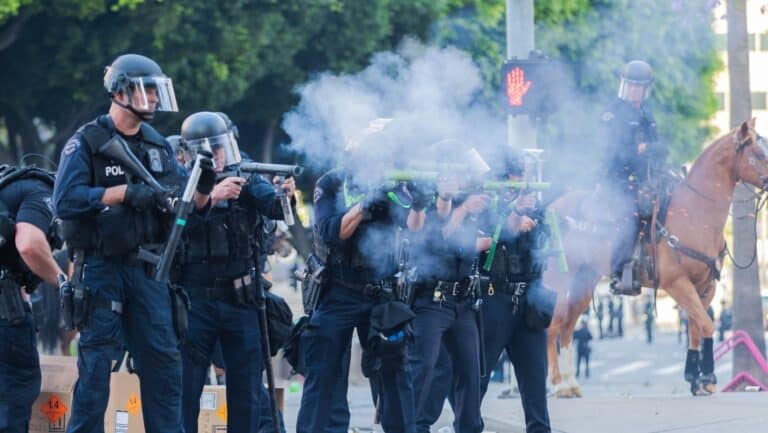
On February 22, 2026, a federal military operation in Jalisco resulted in the death of a top cartel leader as recorded by different news outlets like KVIA.com. Within hours, the security landscape shifted. Puerto Vallarta and Guadalajara were hit with shelter-in-place orders as burning vehicles blocked major roads. While those specific orders were lifted by February 24, the underlying volatility remains.
The U.S. State Department currently gives Mexico a Level 2 “Exercise Increased Caution” advisory. This is a broad category. It suggests a similar risk level to traveling in the United Kingdom or Italy. However, this label is deceptive if you don’t look at the state-specific data. Mexico is a patchwork of safety levels. You can stand in a Level 1 “Normal Precautions” zone and be just a short drive away from a Level 4 “Do Not Travel” state. In a Level 4 zone, the U.S. government has a limited ability to help you if you are kidnapped, robbed, or caught in a shootout.
Navigating this terrain requires more than just a passport and a hotel booking. It requires a clear understanding of the “Red Zones” where the tourist bubble has effectively burst. Based on the 2026 U.S. Department of State security briefings, here are the 12 cities and regions you should skip today to ensure your trip stays on track.
Culiacán, Sinaloa

Sinaloa is arguably the most famous name on the “Do Not Travel” list. It remains the heart of cartel operations. While Mazatlán is a popular port, experts advise staying within the historic city center and the “Golden Zone” beach areas only. Culiacán, however, is a different story.
Violent clashes between rival armed groups happen here without warning. The risk isn’t just about being a target; it’s about being caught in the crossfire of high-caliber weapons. U.S. government employees are strictly forbidden from traveling to most parts of the state. If you aren’t arriving by air or sea directly into the narrow tourist corridors of Mazatlán, you are essentially entering a zone with no safety net.
Zacatecas City, Zacatecas
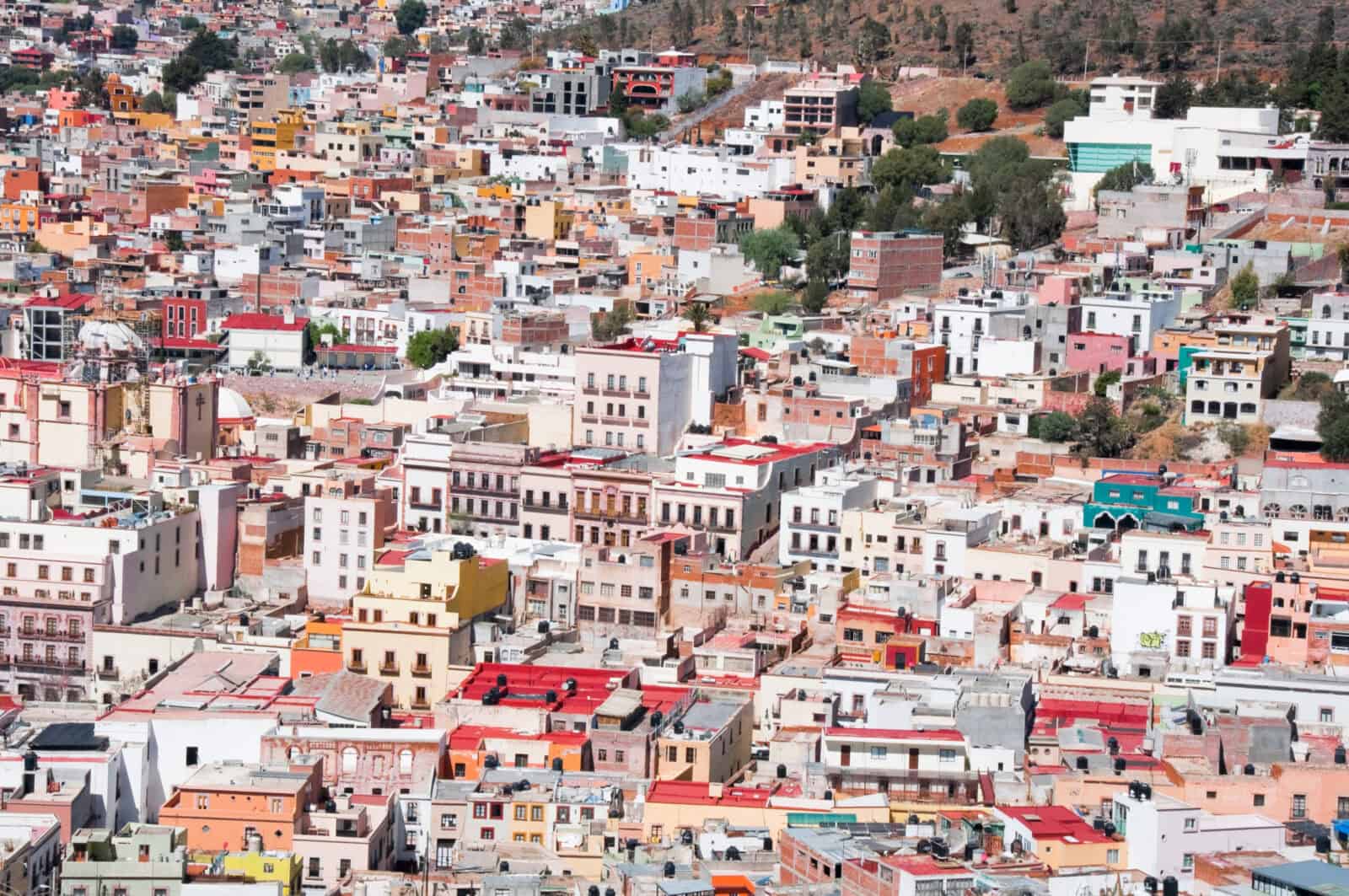
Zacatecas was once a hidden gem for its colonial architecture. Today, it’s a flashpoint for organized crime. The state has earned a reputation for the “highway of death” due to frequent illegal roadblocks.
Criminal groups often stop vehicles on main roads to extort drivers or steal cars. In 2025 and early 2026, the surge in violent crime and kidnapping reached a point where federal authorities placed the entire state under a Level 4 warning. Even the capital city, once considered a safe haven for culture seekers, is now off-limits for non-essential travel.
Morelia, Michoacán
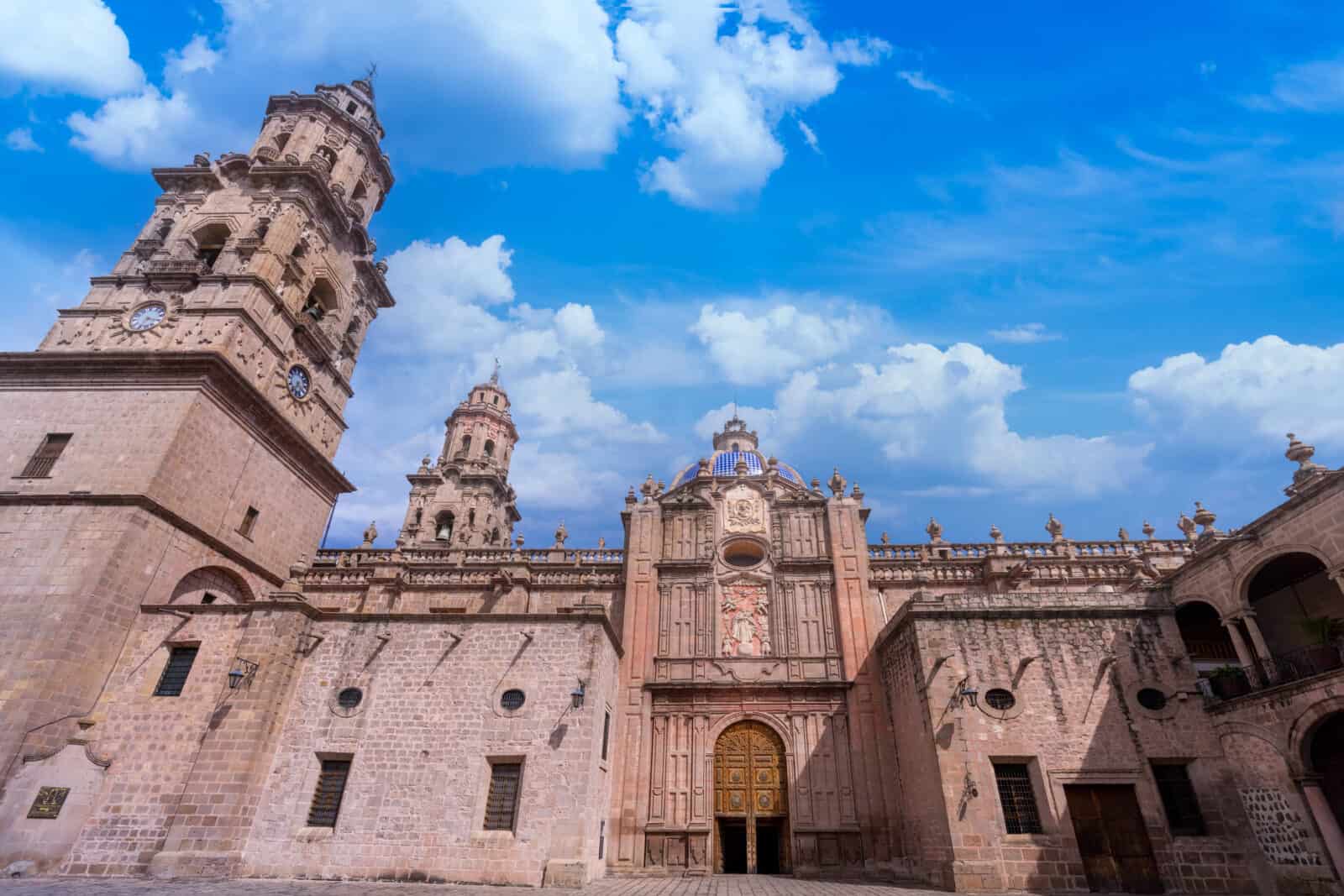
Michoacán is a stunning state known for its butterfly reserves and avocado orchards. But the beauty hides a complex conflict. Organized crime groups are widespread, and the state frequently experiences civil unrest that shuts down major transit routes.
The February 2026 security alerts specifically flagged Michoacán as a high-risk zone for U.S. citizens. While the city of Morelia is theoretically open if you fly in, venturing even a few miles outside city limits puts you at risk of encountering armed “self-defense” groups or cartel checkpoints. Experts say the risk of kidnapping here is simply too high for a standard vacation.
Reynosa, Tamaulipas

Border cities often bear the brunt of transit-related violence, and Reynosa is the poster child for this reality. Located right across from McAllen, Texas, this city sees frequent gun battles in broad daylight.
Reports from late 2025 highlight a terrifying trend: explosive devices being used in localized conflicts. Armed robbery and carjacking are so common that the Department of State – Bureau of Consular Affairs emphasizes that government personnel are restricted from traveling during the night. The risk of “express kidnapping”, where victims are forced to withdraw all their cash from ATMs, is a daily threat here.
Colima City, Colima

Colima is Mexico’s smallest state, but it currently holds one of the highest homicide rates in the world. The violence is primarily targeted between criminal organizations, but the sheer volume of gunfire makes it a “skip” for any traveler.
Most of the danger is concentrated in the capital city and the surrounding rural areas. While has named the port of Manzanillo a Level 2 zone, you must fly directly there to stay safe. Driving into Colima from neighboring states is like walking into a maze where the exits are blocked by rival gangs.
Acapulco, Guerrero
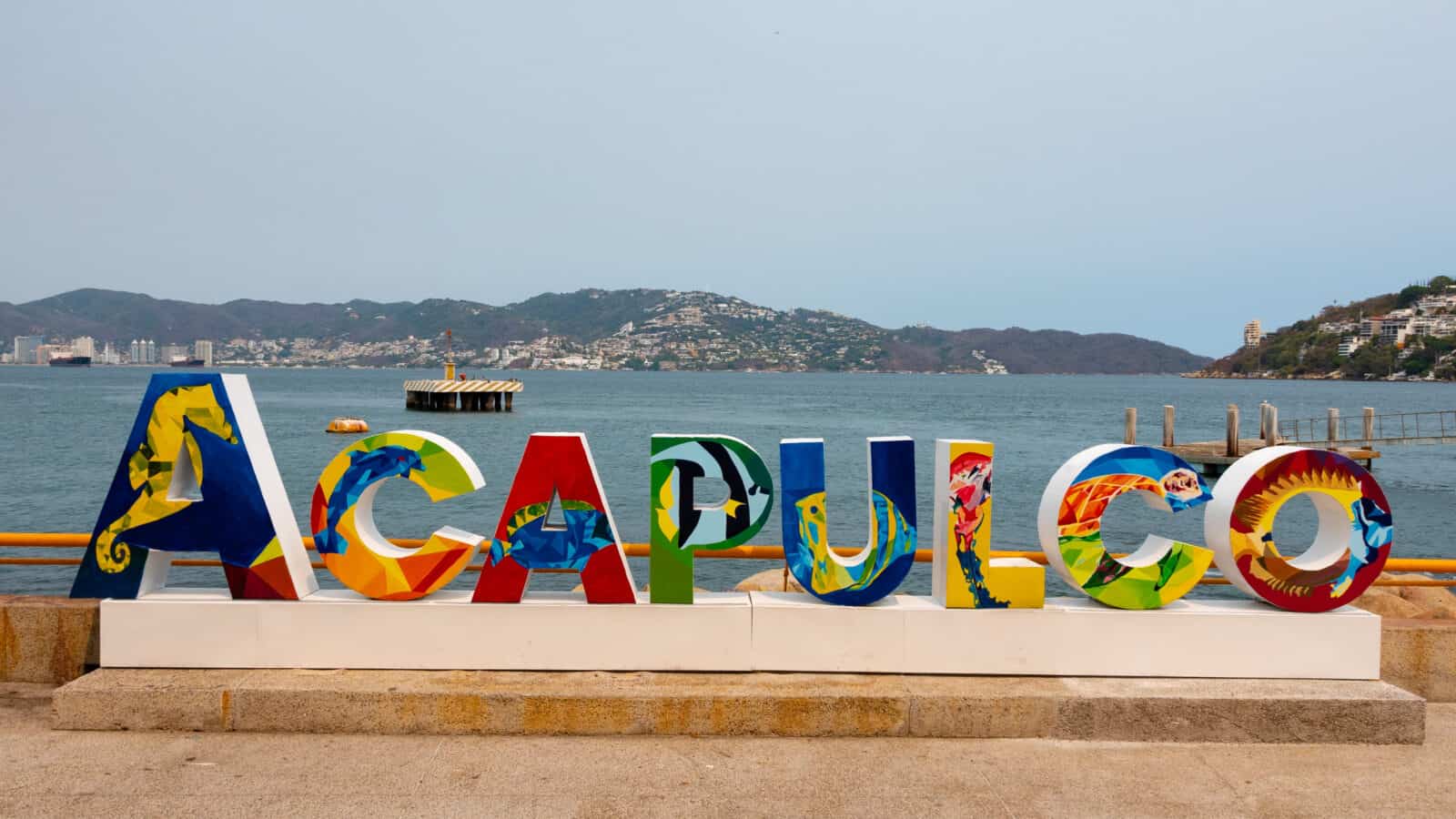
There was a time when Hollywood stars made Acapulco the most glamorous spot on earth. Those days are gone. Guerrero is now a Level 4 “Do Not Travel” state due to rampant crime and the presence of independent armed groups.
Acapulco has struggled to maintain its tourist infrastructure amidst constant territorial disputes. U.S. government employees are actually prohibited from traveling to the city entirely, even by air. The risk of armed robbery on the beaches and in the once-famous hotel zones has turned this former paradise into a cautionary tale.
Tijuana, Baja California
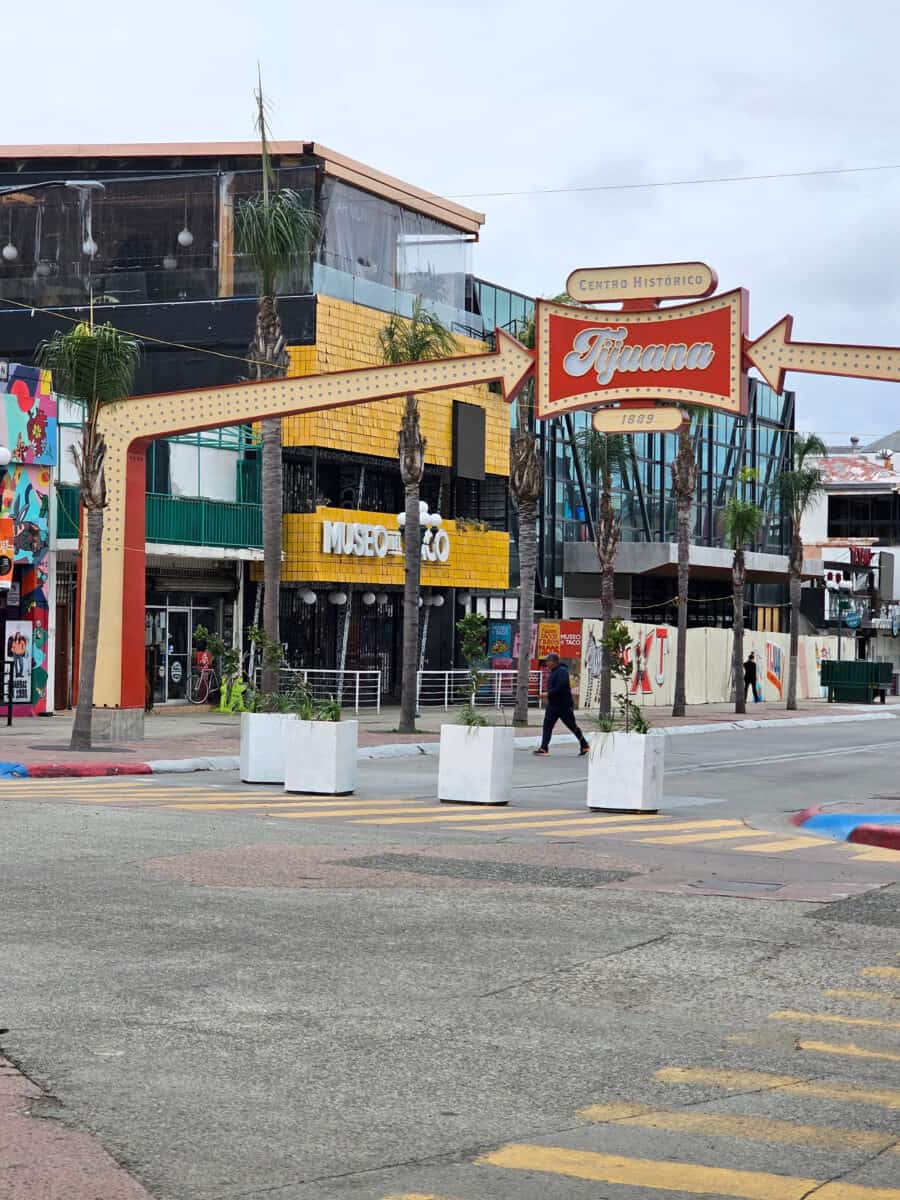
Tijuana is a Level 3 “Reconsider Travel” zone. It’s a city of contrasts where millions cross the border safely every year, yet homicide rates remain staggering in non-tourist neighborhoods.
The February 2026 events triggered a specific security alert here, leading to temporary roadblocks and business closures. While the U.S. government recently lifted the shelter-in-place order for its staff, they still warn against traveling after dark. Most violence is targeted, but the “territorial disputes” can easily spill over into public spaces where tourists frequent.
Ciudad Juárez, Chihuahua
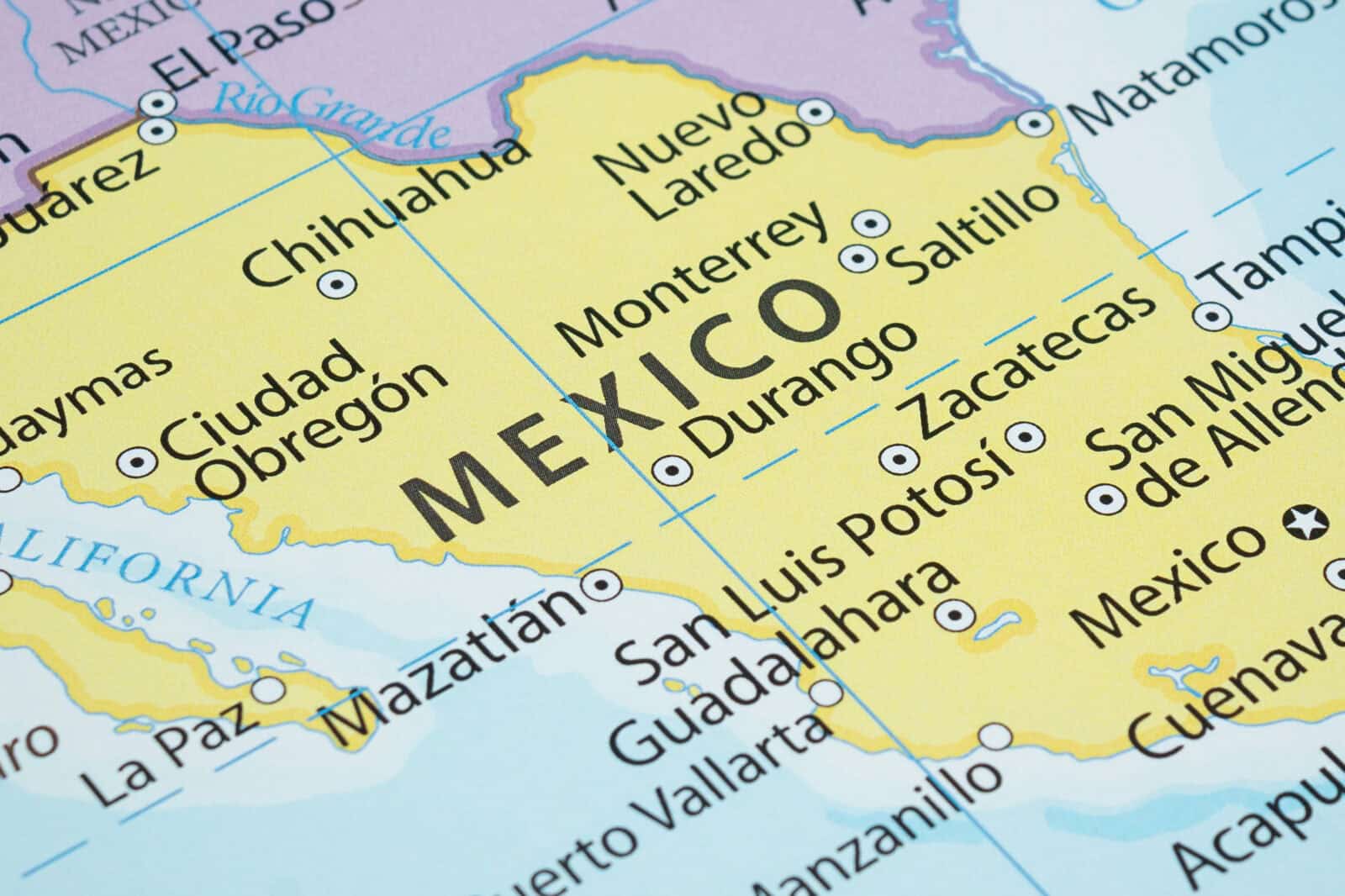
Juárez has worked hard to shed its violent image, but 2026 data shows that criminal groups are still fighting hard for control of the northern border. It remains a Level 3 destination.
The main concern for Americans isn’t just the city itself, but the federal highways surrounding it. Carjacking and kidnapping are persistent threats on the roads leading into the interior of the country. If you aren’t flying into the city for specific business, experts suggest avoiding the region to steer clear of these high-risk transit corridors.
Guanajuato
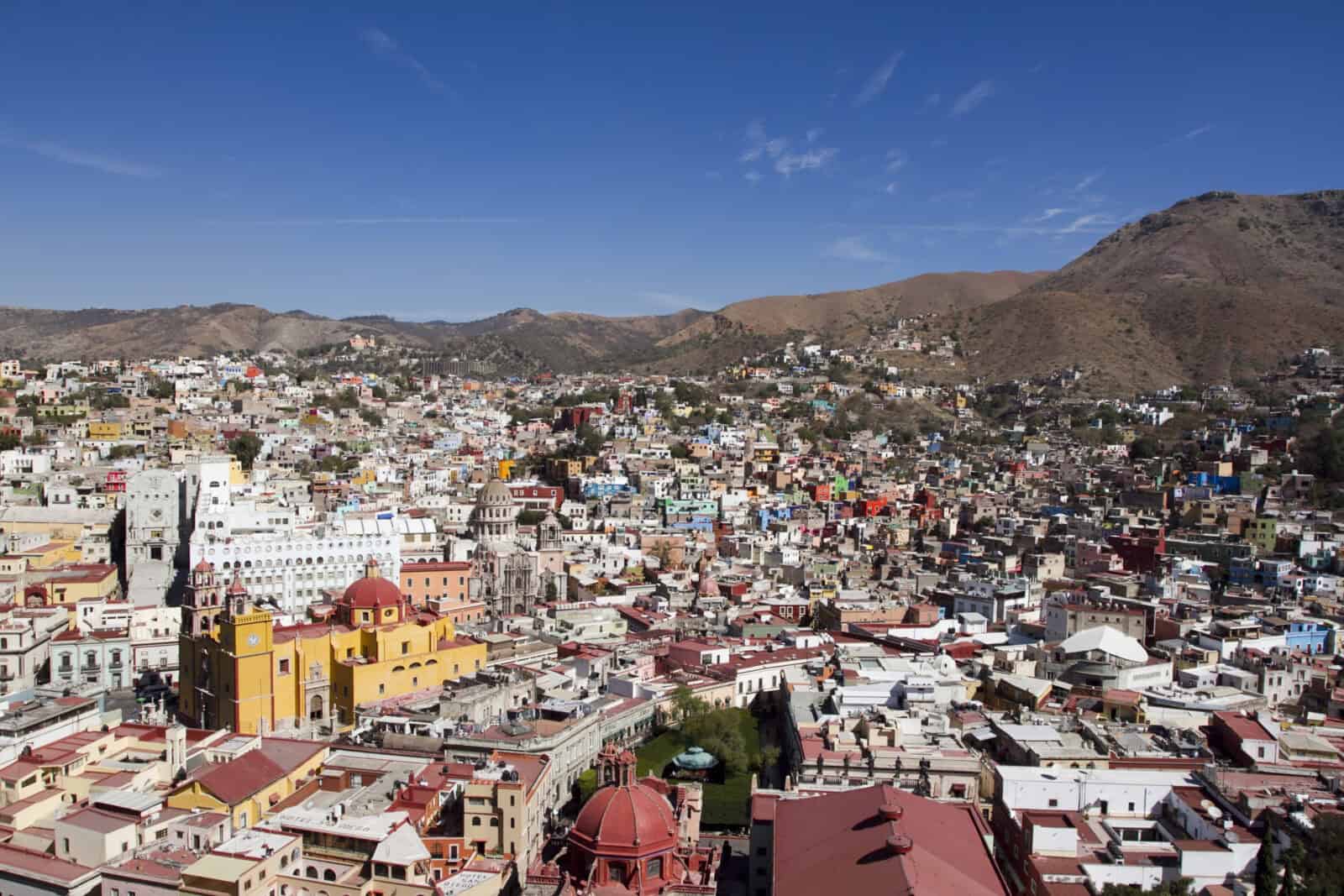
Guanajuato is home to San Miguel de Allende, a favorite for American retirees. However, the southern part of the state, including cities like Celaya and Irapuato, is a different world.
The violence here is often tied to the theft of oil and natural gas from state pipelines. This “huachicol” (fuel theft) industry has fueled a surge in murders and shootouts. While the historic center of Guanajuato City is relatively safe, straying south of Highway 45D puts you directly in the path of cartel-related violence that doesn’t care about your tourist status.
Puerto Vallarta, Jalisco
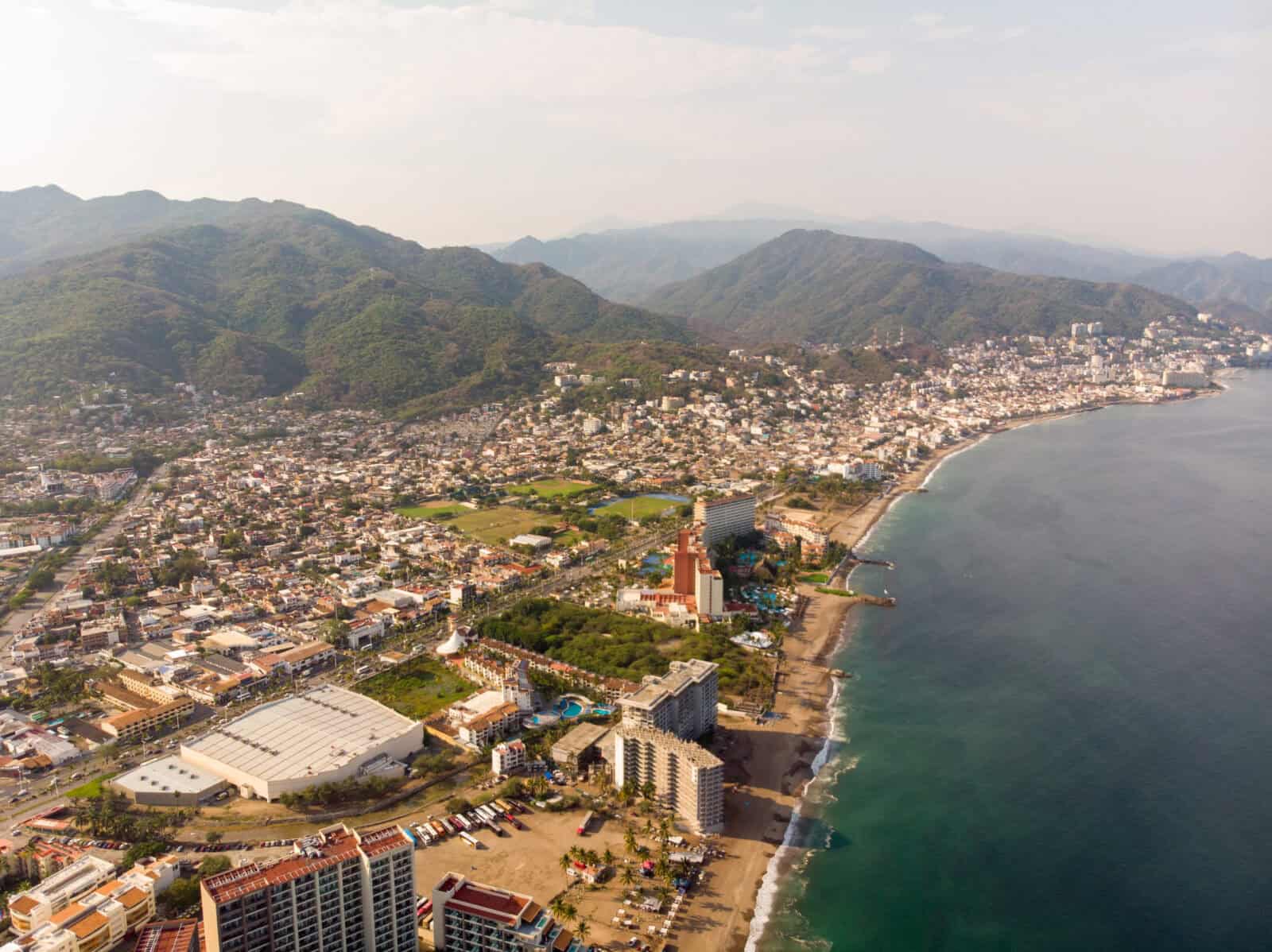
Puerto Vallarta was the epicenter of the February 22, 2026, “Code Red” violence. After the death of a cartel leader, the city saw arson attacks, firebombings, and dozens of torched vehicles used as roadblocks.
The U.S. Embassy had a nighttime curfew for its staff in Puerto Vallarta due to this. While the “shelter-in-place” order was lifted after a few days, The state of Jalisco remains at Level 3: Reconsider Travel. This is a standing advisory due to broader risks of crime and kidnapping. Experts suggest that if you must go, use only pre-arranged transport and avoid any large public gatherings or protests.
San Cristobal de las Casas, Chiapas
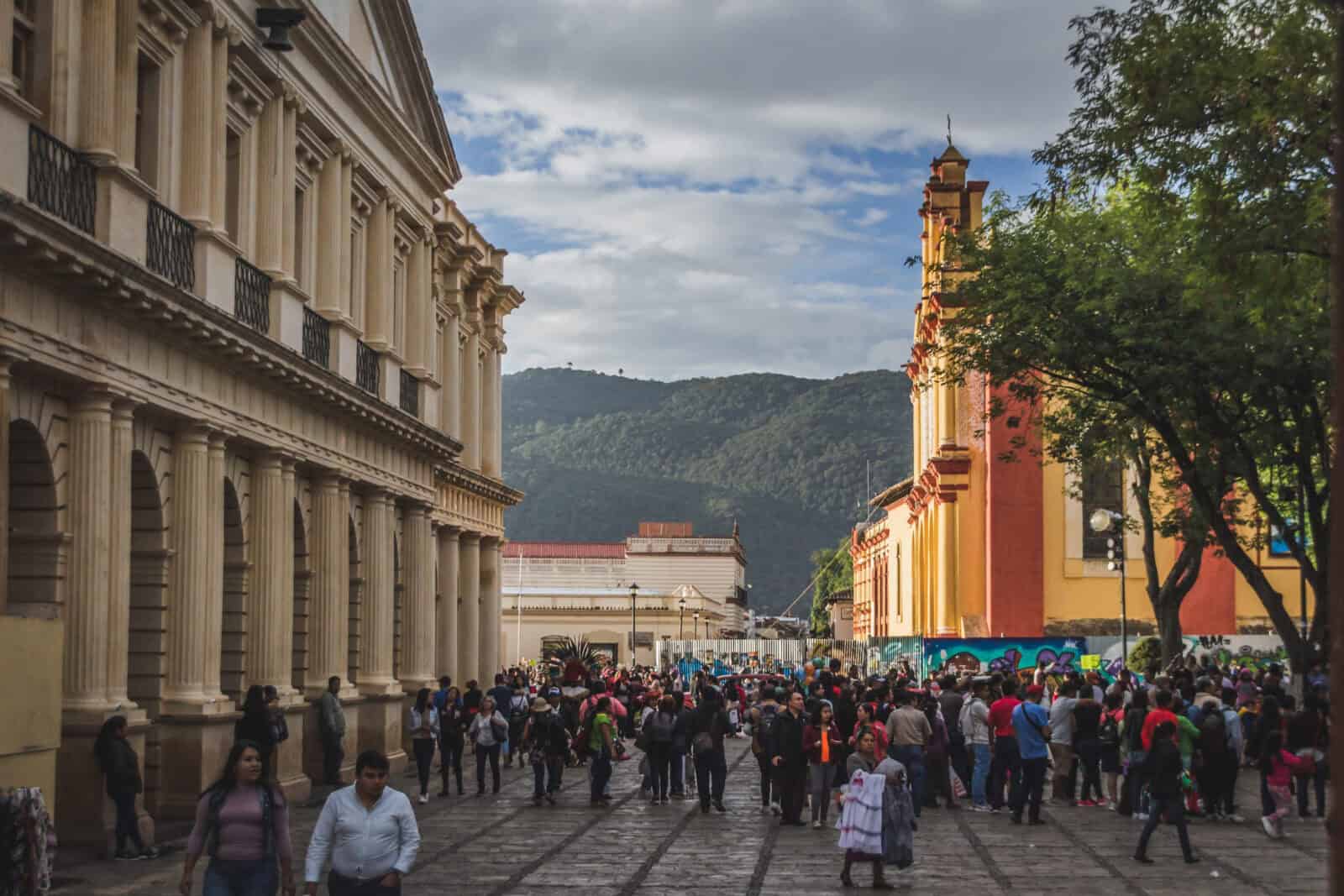
Chiapas has traditionally been a backpacker’s dream, but 2026 has seen a sharp increase in civil unrest. Criminal groups have begun fighting for control of human smuggling and narco-trafficking routes in the south.
Roadblocks are a major issue here. Travelers frequently find themselves stuck for hours or days because local groups or cartels have blocked the highways between San Cristobal and the Palenque ruins. The U.S. government advises reconsidering travel to the state, as the local police presence is often thin or non-existent in the face of these organized groups.
Nogales, Sonora

Sonora is a key transit point for travelers driving into Mexico from Arizona. But the border city of Nogales is presently considered quite unsafe.
The U.S. government restricts its employees from traveling to several parts of the state due to the risk of being caught in cartel skirmishes. Criminal groups fight for control of the border entry points, leading to sudden bursts of violence. If you’re driving, experts say to use the toll roads only and never, ever drive after the sun goes down.
Key Takeaways

- Never look at Mexico as one entity. Check the specific advisory for the state you are visiting. A Level 2 in Quintana Roo (Cancun) is not the same as a Level 4 in Sinaloa.
- Almost every expert and embassy alert gives the same advice: do not drive at night. Most carjackings and illegal roadblocks happen under the cover of darkness.
- Enroll in the Smart Traveler Enrollment Program. It’s a free service that allows the U.S. Embassy to contact you in an emergency and sends you real-time security updates.
- If you are heading to a resort area located in a Level 3 or 4 state (like Mazatlán or Puerto Vallarta), fly directly into the airport. Avoiding the highways removes 90% of the risk.
Like our content? Be sure to follow us