What to Do If You’re Peacefully Protesting and Authorities Act Aggressively
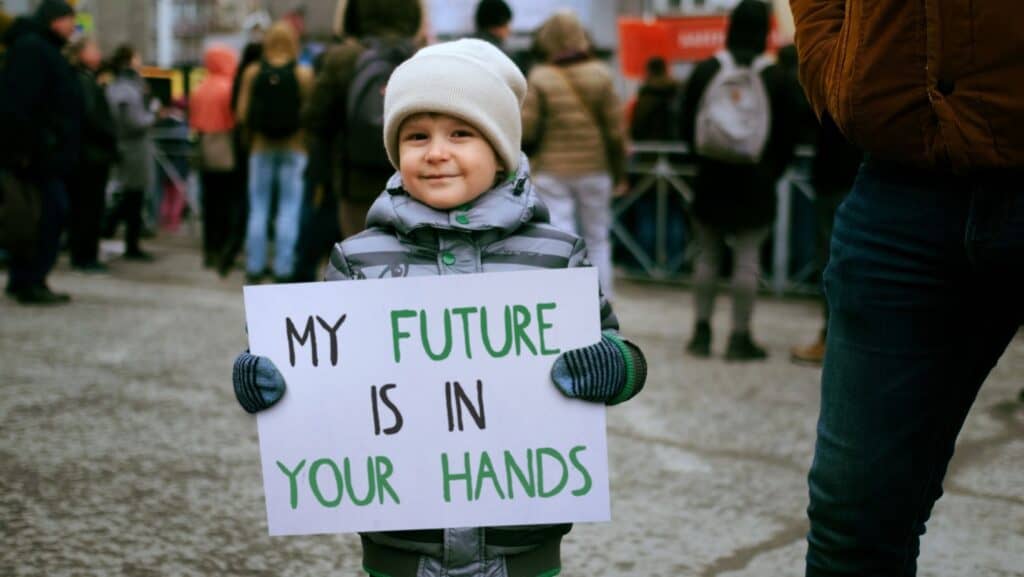
You have the right to protest peacefully in the United States. It’s a fundamental freedom protected under the First Amendment of the Constitution. But what happens when government officials, whether police, ICE, or other law enforcement, respond with aggression or act inappropriately despite your legal, nonviolent actions? Knowing your rights and having a plan in place can help protect you and those around you.
Here’s what you should do if you find yourself in that situation.
1. Know Your Rights Before You Go
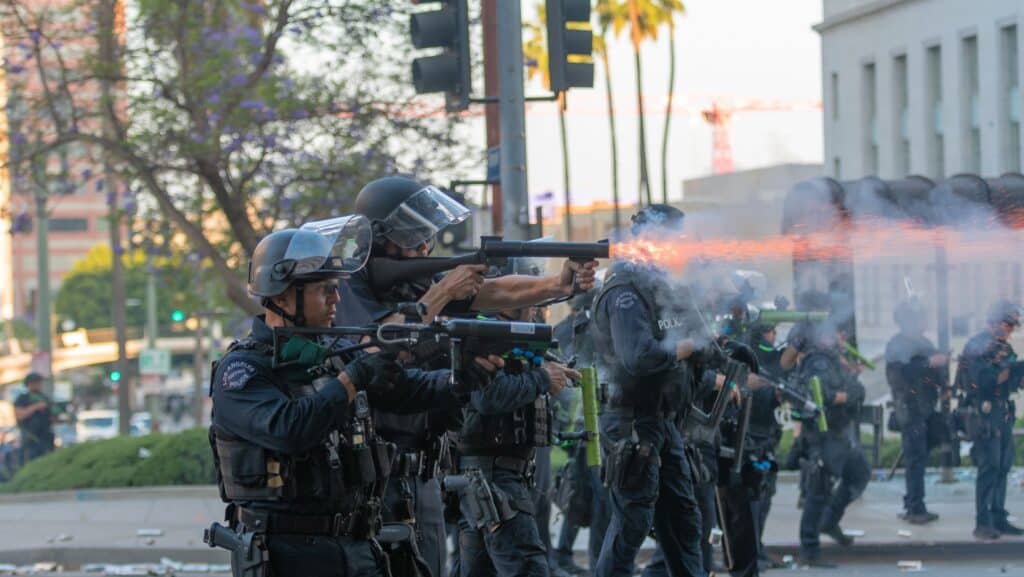
- You have the right to assemble and express your views in public spaces such as streets, sidewalks, and parks.
- You can photograph and record anything in plain view, including law enforcement, as long as you’re not interfering.
- You are not required to show ID unless you are driving, detained, or under arrest in a state with “stop and identify” laws.
Download the ACLU’s Know Your Rights guide or keep a printed copy with you just in case.
2. Remain Calm and Document Everything

If law enforcement begins using excessive force or threatening tactics:
- Do not respond with aggression. Even if you’re provoked, stay calm. Yelling or fighting back could escalate the situation and harm your legal defense later.
- Film what’s happening. If possible, discreetly record interactions with officials. Say the date, time, and location aloud while recording to document context.
- Capture badge numbers and names of the officers involved if it’s safe to do so.
- Back up your footage. Use an app or cloud service that saves video in real-time to avoid losing key evidence if your phone is taken.
3. Move to Safety, But Stay Nearby
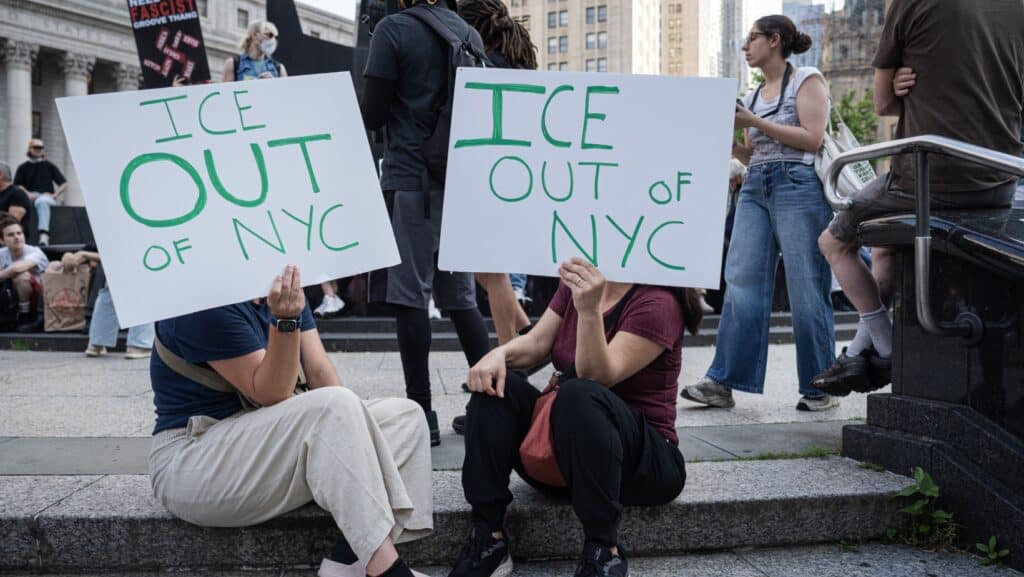
If things escalate dangerously—tear gas, rubber bullets, or unlawful arrests—prioritize your safety.
- Know your exits. Plan multiple routes out of the protest area.
- Help others who are vulnerable, such as elderly participants or people with disabilities.
- If detained or injured, try to communicate your location to someone you trust.
4. Don’t Speak Without a Lawyer Present
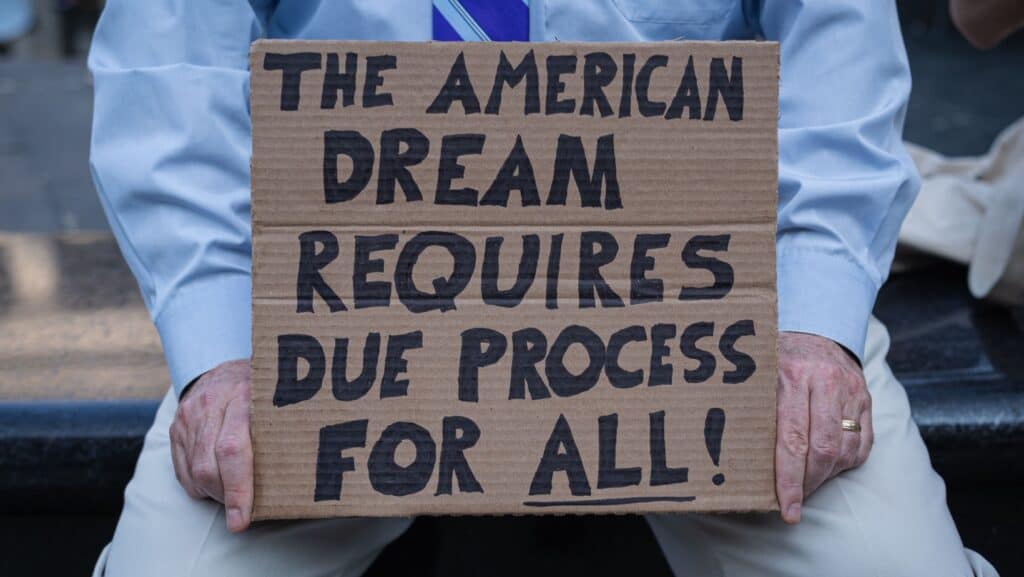
If you are detained or questioned:
- Say, “I am exercising my right to remain silent.” You do not have to answer questions about your citizenship or where you’re from.
- Ask, “Am I free to go?” If yes, calmly walk away. If not, you are being detained and should request an attorney.
- Do not sign anything or consent to a search. Simply state, “I do not consent to a search.”
If you are undocumented or at risk of immigration-related detention, contact a local immigrant rights organization beforehand for emergency support.
5. Report Misconduct Immediately
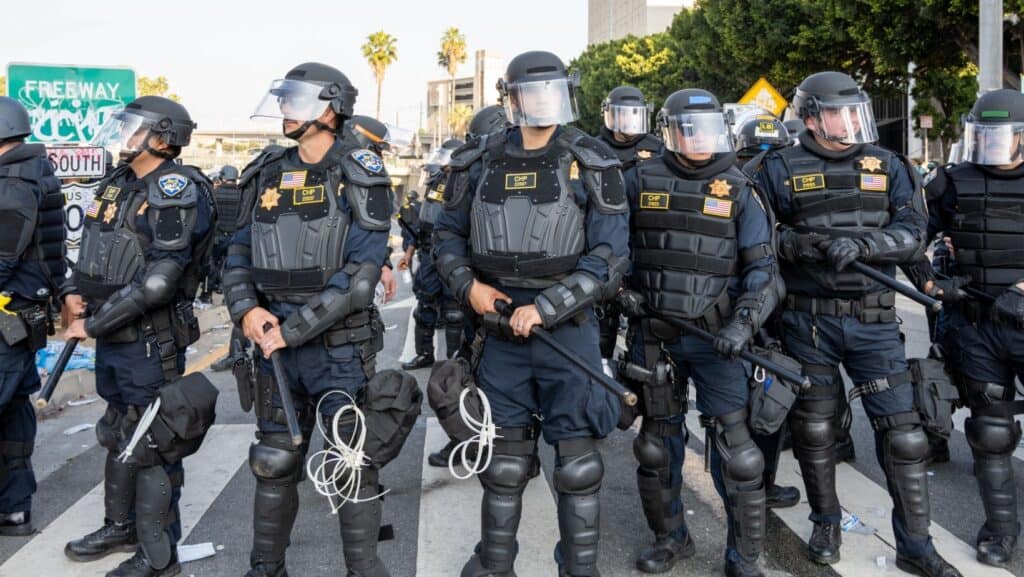
After the protest:
- File a formal complaint with the relevant police department or oversight agency. Include dates, names, badge numbers, and any video or photo evidence.
- Contact civil rights groups such as the ACLU, NAACP Legal Defense Fund, or National Lawyers Guild. They often offer legal help or referrals to attorneys who handle misconduct cases.
- Tell your story publicly, if you feel safe to do so. Media attention can increase pressure for accountability.
6. Seek Medical and Legal Support

If you were injured, seek medical attention as soon as possible, even if symptoms seem minor. Document injuries with photos and notes.
If you were arrested or believe your rights were violated, contact a civil rights attorney. Many cities have legal observer networks or protester support hotlines.
7. Protect Yourself in the Future
- Write down a legal contact on your arm in Sharpie before attending a protest.
- Use encrypted messaging apps like Signal for communication (yeah, we know *eyeroll*).
- Wear protective gear like goggles and a mask if you suspect there may be tear gas or pepper spray.
- Avoid bringing unnecessary items like your passport or work ID.
The Bottom Line
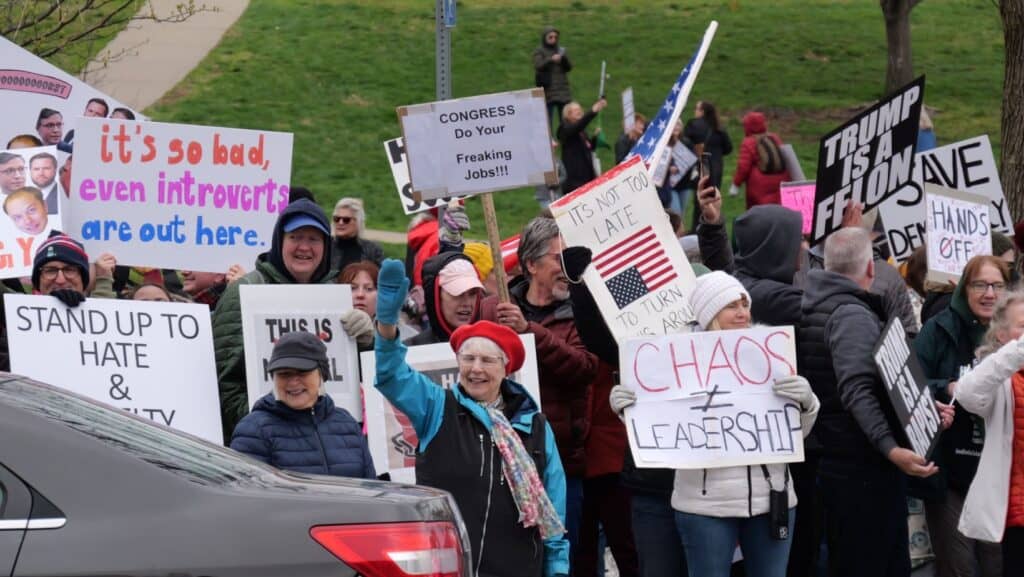
You’re allowed to protest peacefully. If law enforcement acts inappropriately, don’t assume that it’s your fault or that you’re powerless. You have rights. You have a voice. And you are not alone.
Stay calm. Stay informed. And always be ready to protect your peace, legally and safely.
How to Disappear Completely: 10 Expert Tips from Privacy Pros and Real-Life Vanishers

Disappearing isn’t dramatic—it’s disciplined. This guide blends hard-earned lessons from privacy pros, skip-tracers, and people who’ve actually pulled it off. Here’s what it really takes to vanish.
READ: How to Disappear Completely: 10 Expert Tips from Privacy Pros and Real-Life Vanishers
Join Us

Join us on this empowering journey as we explore, celebrate, and elevate “her story.” The Queen Zone is not just a platform; it’s a community where women from all walks of life can come together, share their experiences, and inspire one another. Welcome to a space where the female experience takes center stage. Sign up for our newsletter so you don’t miss a thing, Queen!