12 ways the rich are building separate lives from the rest of society
The new status symbol isn’t a bigger house or a nicer car. It’s the ability to leave the line entirely. One America waits in TSA security lines, urgent-care lobbies, public-school pickup traffic, rental queues, and grocery aisles, where every receipt feels a little heavier.
Another America slips through private terminals, books concierge doctors, lives behind guarded gates, sends children through elite school pipelines, joins paid clubs, and hires advisers to turn chaos into a managed service.
Oxfam reported in January 2026 that billionaire wealth jumped by more than 16% in 2025 to $18.3 trillion, while the St. Louis Fed found that the top 10% of U.S. households by wealth held 67.2% of total household wealth at the end of 2024. That is not a simple wealth gap. It is a separate operating system.
The disturbing part isn’t that wealthy people can afford comfort. Comfort is not the scandal. The deeper issue is what happens when the richest people no longer need the same schools, roads, hospitals, airports, news sources, neighborhoods, or public systems that shape daily life for everyone else.
Oxfam International Executive Director Amitabh Behar warned, “The widening gap between the rich and the rest is at the same time creating a political deficit that is highly dangerous and unsustainable.” That warning sits at the heart of these 12 signs. The rich are not only living better. In more and more ways, they are building private worlds inside the same country.
Gated “Shadow Cities” and Private Communities
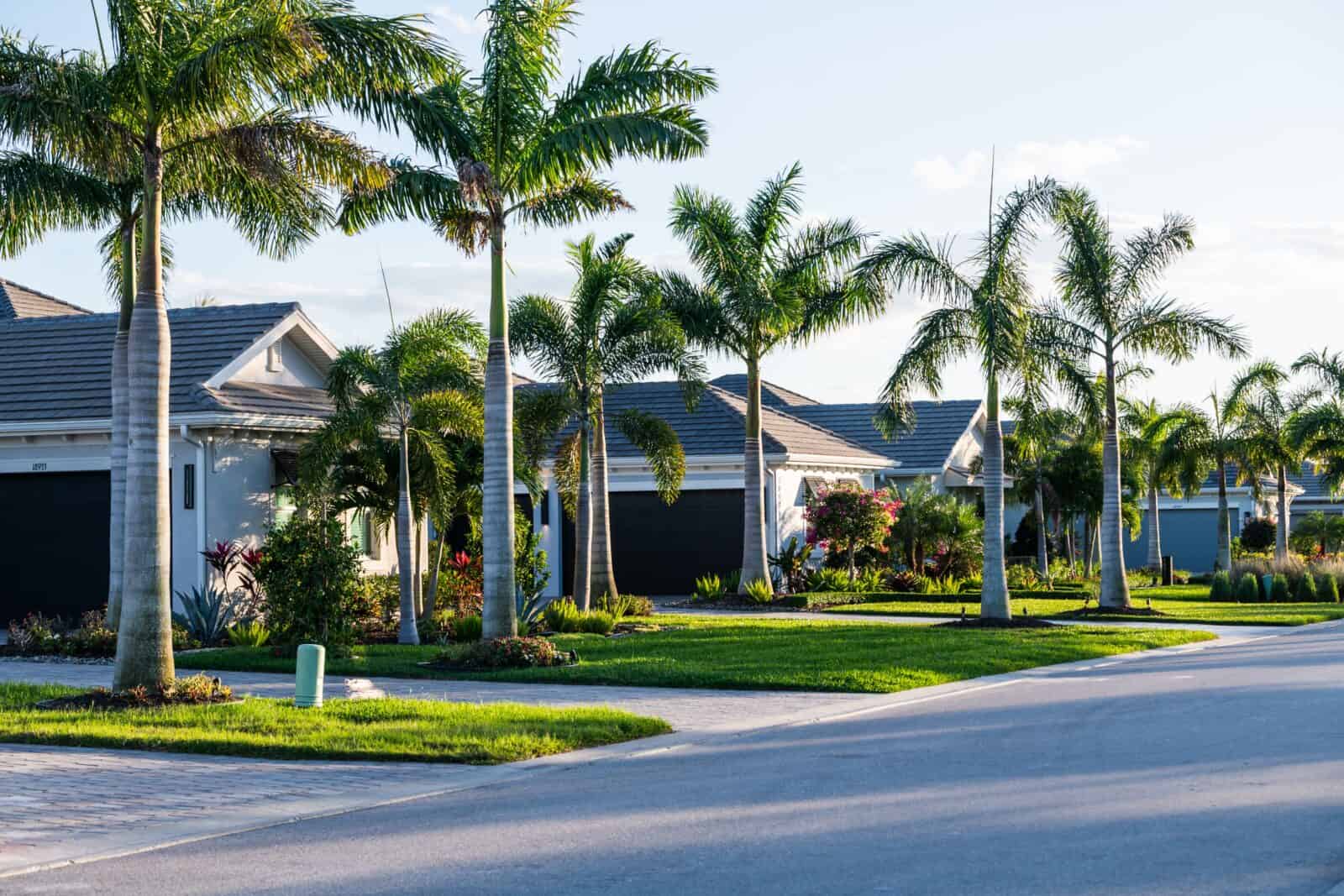
Private communities are no longer just pretty gates and manicured lawns. At the top end, they can feel like small private cities, with security, staff access, private recreation, concierge services, wellness spaces, schools nearby, and homes designed to keep public life outside the walls.
This matters because wealth now gives the richest buyers huge power over land, privacy, and local space. Oxfam reported that billionaire wealth rose by $2.5 trillion in 2025 alone, almost equal to the total wealth held by the bottom half of humanity.
In the U.S., the St. Louis Fed found that the top 10% of households had an average wealth of $8.1 million and held 67.2% of total household wealth, while the bottom 50% averaged $60,000 and held just 2.5%. That kind of split changes where people live, who they meet, and which problems they ever have to see from the front porch.
Private Skies: Jets, Membership Aviation, and Airborne Bubbles
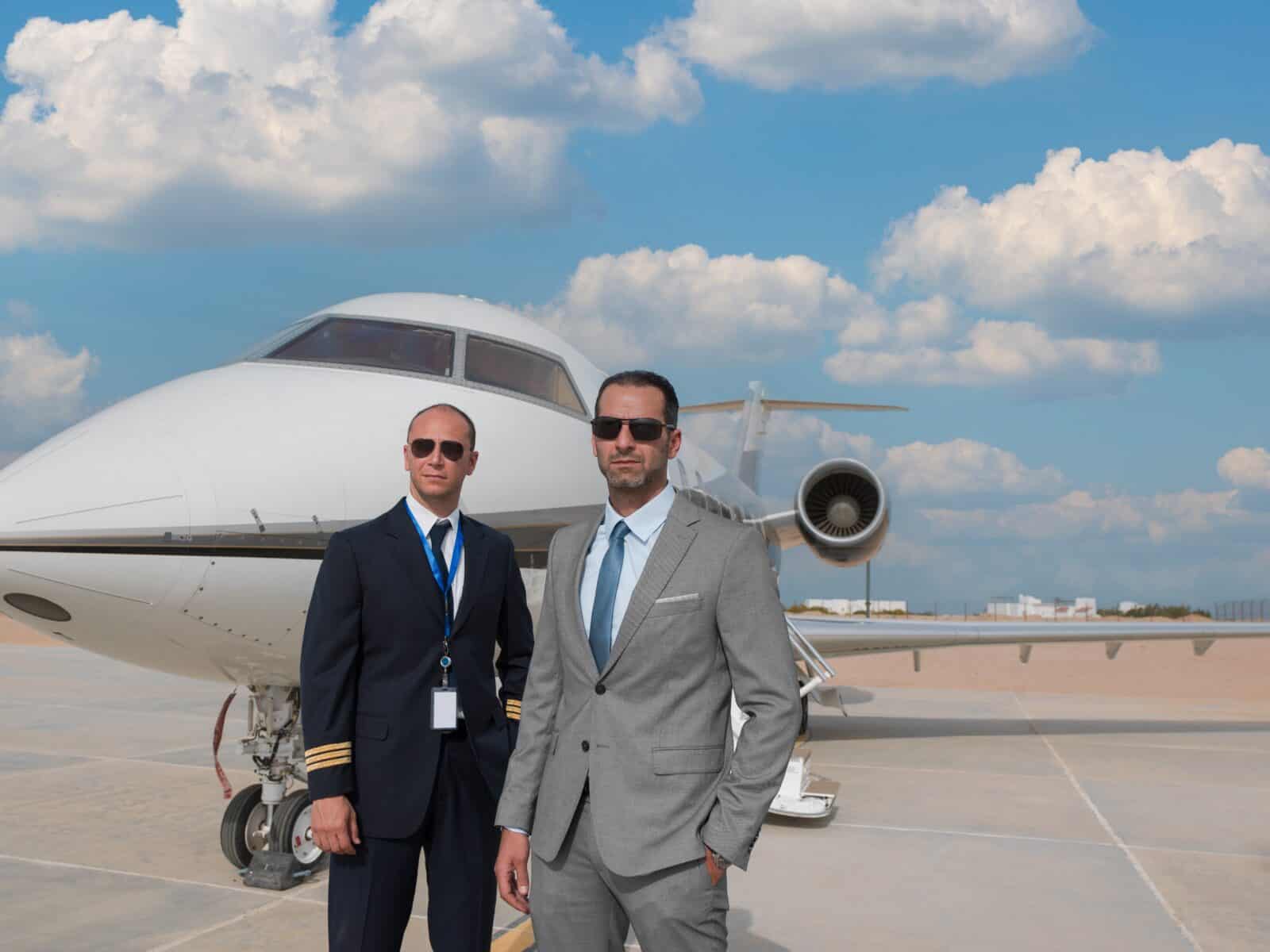
For most people, travel means crowded gates, bag fees, delayed flights, long security lines, and a quiet prayer that the overhead bin is not full. For the very wealthy, travel can mean private terminals, chartered jets, fractional ownership, dedicated staff, and a schedule built around privacy instead of patience.
Forbes reported in January 2026 that private jet flights in 2025 were 34% higher than pre-pandemic 2019 levels, showing that private aviation did not shrink back after the pandemic rush. The climate cost is just as stark. AP, citing research in Communications Earth & Environment, reported that private jet emissions rose 46% from 2019 to 2023, reaching 17.2 million tons of carbon dioxide in 2023.
That means the private sky is not just a luxury lane. It is a symbol of two travel realities: one in which ordinary people endure delays, and another in which wealth buys altitude, speed, and distance.
Parallel Healthcare Systems With Concierge and Offshore Care
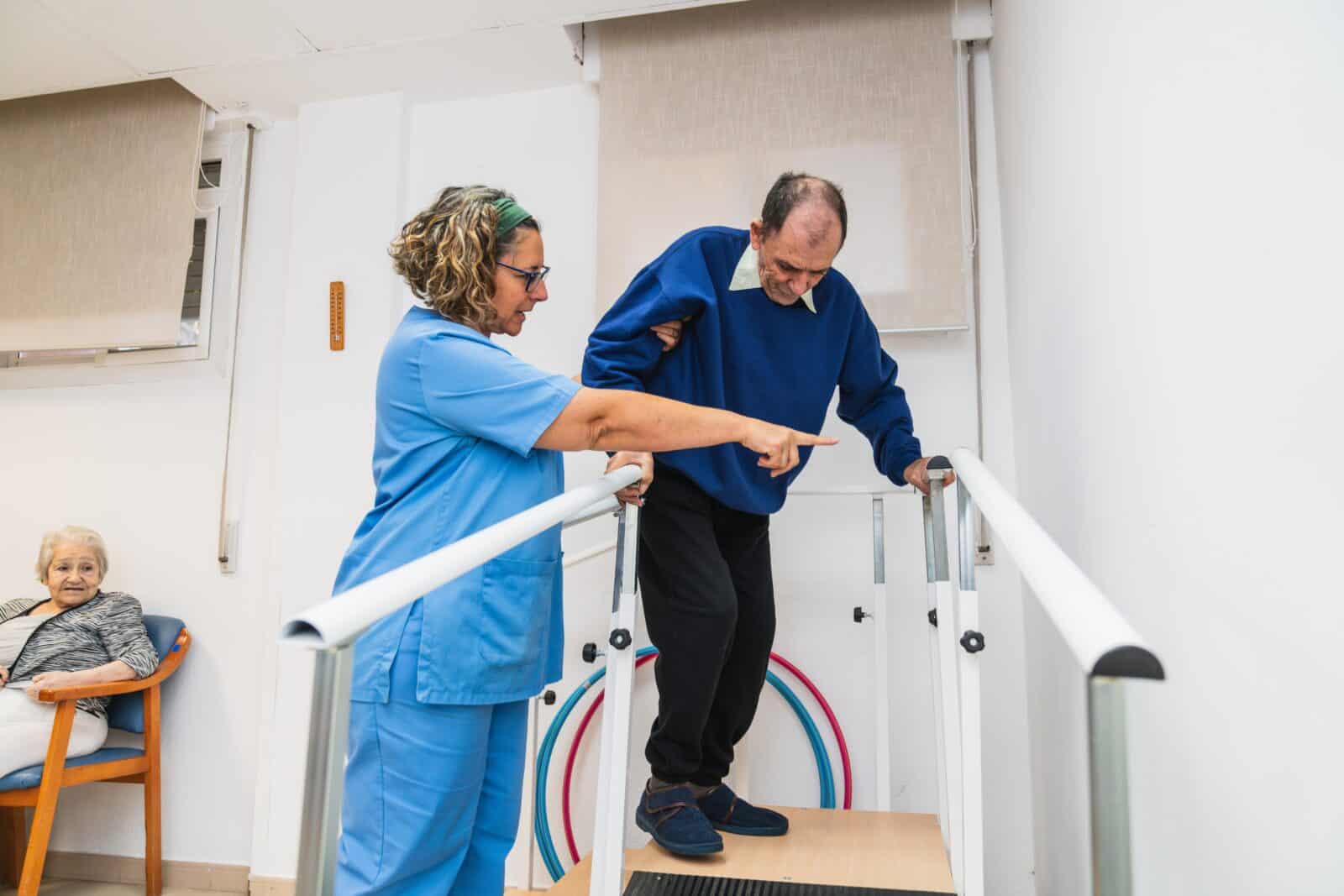
Healthcare may be the clearest place where separate lives start to feel physical. One person waits months for a specialist, argues with insurance, and checks urgent-care hours. Another pays for concierge medicine, executive physicals, same-day access, private specialists, longevity testing, and medical travel if the best doctor happens to be in another country.
A 2025 Health Affairs study found that concierge and direct primary care practices grew from 1,658 in 2018 to 3,036 in 2023, an 83.1% increase. The number of participating clinicians also grew sharply, and Harvard Medical School highlighted the same research as part of a changing primary-care landscape. This does not mean every concierge patient is a billionaire.
But at the high end, medicine becomes less like a public system and more like a private command center, where speed, attention, and prevention are purchased before illness has time to become a crisis.
Elite Education Tracks from Nursery to Network

Elite education is not just about classrooms. It is a pipeline of friends, internships, summer programs, tutors, admissions consultants, alumni doors, and family networks that start long before college.
Pew Research Center reported in 2024 that about 10% of U.S. students in pre-K through 12th grade attend private schools, while 83% attend traditional public schools and 7% attend public charter schools.
That small private-school share matters because high-income families can stack advantage on top of advantage: preschool interviews, test prep, enrichment camps, gap-year planning, private tutoring, and social circles where almost every adult knows how to work the system.
The separation begins early. By the time college applications arrive, some children have spent their whole lives inside a privately managed ladder, while others are still trying to find the first rung.
Owning (and Pricing Out) the Best of Everyday Life

The wealthy are not only buying mansions. They are bidding up pieces of everyday pleasure: coastal towns, mountain getaways, sports tickets, theme parks, farmers’ markets, ski resorts, art districts, and neighborhoods that once held a wider mix of people.
The St. Louis Fed’s 2025 wealth snapshot helps explain why. The top 10% of U.S. households held 67.2% of total wealth, while the bottom half held 2.5%. Globally, the World Inequality Report 2026 says the top 10% own three-quarters of wealth, while the bottom half holds only 2%. With that much buying power at the top, formerly ordinary spaces can turn premium in a flash.
A lake town becomes a second-home market. A game becomes a luxury experience. A thrift store becomes an aesthetic hunt. The rich do not have to feel prices the same way, so their tastes can raise the waterline until everyone else is standing on tiptoe.
Financial Engineering for a Different Set of Rules

Ordinary households often live on cash flow: paycheck, rent, insurance, groceries, debt, and an emergency fund if anything is left over. The wealthy live more through structures: trusts, family offices, foundations, private equity vehicles, tax planning, estate tools, cross-border advisers, and lawyers who turn complexity into protection.
Capgemini’s World Wealth Report 2025 found that global high-net-worth individual wealth grew 4.2% in 2024, while the high-net-worth population grew 2.6%. The same report says $83.5 trillion is set to pass to Gen X, millennial, and Gen Z heirs by 2048. That is not just inheritance. It is architecture.
The rich can transfer wealth across generations with tools most families never use, meaning their children inherit more than money. They inherit systems designed to defend the money before anyone else gets near it.
Curated News, Private Intelligence, and Reality Filters

Most people learn about risk when it becomes public: layoffs, inflation, housing shifts, elections, health scares, market swings, and weather disasters. The wealthy can buy earlier signals.
Private banks, family offices, consultants, political-risk firms, investment teams, and legal advisers translate the world into briefings before ordinary people see the smoke. Oxfam’s 2026 report adds a darker layer: it says governments are allowing the super-rich to dominate media and social media companies, and that billionaires own more than half the world’s largest media companies and all the main social media companies.
That means the richest are not just receiving filtered information. In many cases, people at the top also shape the information environment for everyone else. Public debate becomes a room where some people own the microphones, some own the walls, and everyone else is told to speak up.
Climate Havens, Backup Properties, and Disaster Hedging

Climate change does not hit everyone with the same fist. Heat, floods, fires, insurance shocks, water stress, and storm damage punish people with fewer exits first. The rich are building exits: backup homes, properties in cooler regions, second passports, private insurance advisers, generators, water systems, and the ability to leave before the road closes.
The World Inequality Report 2026 says the top 10% account for 77% of emissions tied to private capital ownership, while the poorest half account for only 3%. The report also says those who emit the least are often most exposed to climate shocks, while those who emit the most are better insulated.
That is the brutal poetry of the climate divide: the people with the largest escape plans often helped build the fire, while everyone else is told to adapt from the porch.
Buying Public Space: Private Membership Everything
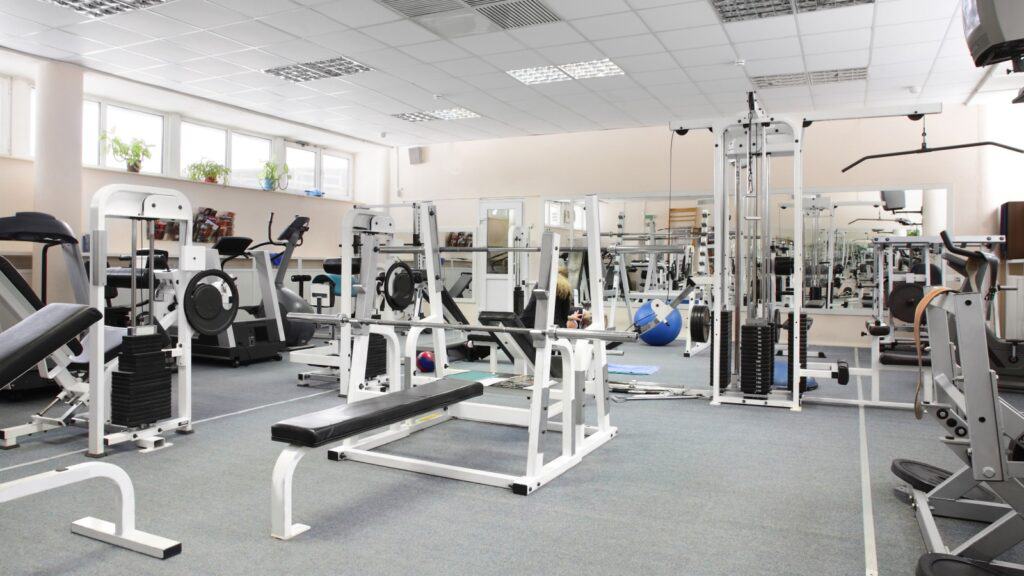
Shared spaces are being sliced into tiers. There is the regular entrance, then the VIP door. The standard line, then the priority lane. The community gym, then the private wellness club. The public café, then the members-only lounge. Theme parks, airports, co-working spaces, concerts, sports venues, social clubs, restaurants, and even family recreation now come with paid layers of access.
This is where class becomes visible in the body: who waits, who enters, who gets quiet, who gets help, who gets seated, who gets remembered by name. Oxfam’s data shows billionaire wealth rose by more than 16% in 2025 to $18.3 trillion, and Capgemini found that high-net-worth wealth continued to grow in 2024.
That money looks for places to go, and increasingly it goes into buying less friction. The rich are not just purchasing comfort. They are purchasing a life with fewer lines.
Digital Escapes: Private Platforms and Curated Online Worlds

The public internet is loud, messy, ad-heavy, and full of strangers yelling under bad lighting. Wealth buys a cleaner version. Private communities, paid networks, encrypted services, high-end cybersecurity, curated newsletters, closed forums, personal tech support, and invite-only groups give rich users a more controlled digital life.
Oxfam’s 2026 report warns that billionaire ownership and influence over media and social platforms are part of a broader power shift, naming major media and social media companies in its discussion of billionaire control.
Capgemini’s 2025 wealth report also points to next-generation wealthy clients wanting digital-first engagement and personalized service as wealth management adapts to younger high-net-worth individuals.
Put those two trends together, and the picture sharpens: ordinary users get the public feed, the ads, the spam, and the outrage machine; wealthier users can buy smaller rooms, cleaner signals, and professional filters.
Political Firewalls: Influence Without Exposure

The richest do not just escape public systems. They often shape them. Oxfam reported that billionaires are 4,000 times more likely to hold political office than ordinary people, and it cited World Values Survey data showing that almost half of people polled across 66 countries say the rich often buy elections in their country.
Behar notes: “Governments are making wrong choices to pander to the elite and defend wealth while repressing people’s rights and anger at how so many of their lives are becoming unaffordable and unbearable.”
That is the political firewall. Wealthy people can influence taxes, housing rules, labor policy, health systems, media, and climate decisions, then cushion themselves from the fallout through private schools, private doctors, private security, private travel, and private neighborhoods. The public gets the policy. The rich get the workaround.
Generational “Moats” and Inherited Isolation

The final separation may be the hardest to reverse because it is being passed down. Capgemini’s World Wealth Report 2025 says $83.5 trillion will be passed to younger high-net-worth generations by 2048, describing this as a defining shift for wealth management.
That wealth will not arrive alone. It comes with advisers, trusts, family offices, elite schools, private networks, investment habits, social codes, and a childhood spent inside a protected class ecosystem.
Oxfam says billionaire wealth has grown by 81% since 2020, and the World Inequality Report 2026 says fewer than 60,000 of the wealthiest 0.001% control three times more wealth than the other half of humanity combined.
That is not a ladder. That is a moat. Children born inside it inherit a world with fewer bumps, fewer strangers, fewer public risks, and far less contact with how most people live.
A Short Reflective Close
The real danger is not that rich people have nice things. The danger is that the richest households may no longer need the public world.
They can live behind gates, fly above crowds, learn in private pipelines, heal through private medicine, buy better information, leave climate danger faster, and shape politics without feeling the same consequences.
Behar warns, “Being economically poor creates hunger. Being politically poor creates anger.” A society can survive wealth. It struggles when wealth becomes a passport out of shared responsibility.
Key Takeaways

- Billionaire wealth rose more than 16% in 2025 to $18.3 trillion, while the number of billionaires topped 3,000 for the first time, according to Oxfam.
- The top 10% of U.S. households by wealth held 67.2% of total household wealth at the end of 2024, while the bottom half held 2.5%, according to the St. Louis Fed.
- The rich are building separate systems across housing, healthcare, education, travel, information, politics, climate safety, and digital life.
- Private aviation, concierge medicine, elite education, and family-office wealth planning are not isolated luxuries. Together, they create a parallel life.
- The public risk is simple: the more wealthy people opt out of shared systems, the less pressure they feel to fix them for everyone else.
Disclaimer – This list is solely the author’s opinion based on research and publicly available information. It is not intended to be professional advice.
Like our content? Be sure to follow us