Why are demons in the Bible always the first to know who Jesus really is?
In the dusty streets of ancient Galilee, the most accurate theological evaluations didn’t come from religious elites, but directly from the spiritual underworld. While human observers stood around debating miracles, possessed individuals frequently screamed out the exact identity of the Nazarene.
This bizarre pattern of supernatural recognition reveals a cosmic reality where rebel forces operate with a terrifying, immediate clarity that puts human hesitation to shame.
It’s a historical and narrative paradox that continues to fascinate scholars and readers alike.
Cosmic origin and spiritual eyesight

Demons don’t suffer from intellectual skepticism or theological doubt. They reside in the unseen spiritual dimension, giving them a direct line of sight to divine realities. Because of this celestial proximity, they inherently recognize divine authority far quicker than flesh-and-blood humans.
The biblical book of James states that even the demons believe in God and shudder. They easily pass the theology exam, even if they utterly fail repentance. This recognition isn’t just a random guess. The Apostle Paul notes in Colossians that all things visible and invisible were created by Jesus.
Consequently, these rebel spirits instantly recognize their own Maker when He steps onto the scene. It’s like a criminal identifying the supreme judge entering the courtroom ahead of schedule.
The ancient magical tactic of naming

In the ancient world, knowing the true name of a spiritual being was considered a powerful weapon. Magicians and exorcists believed that vocalizing a target’s secret name granted the speaker supernatural leverage over them. When a demon shrieked a title like “the Holy One of God,” it wasn’t an act of worship. It was a desperate, legalistic attempt to bind and control Jesus.
In the Mesopotamian and Greco-Roman traditions, naming was the standard self-defense tactic against a superior force. But Jesus completely bypassed these complex magical formulas with a simple, commanding rebuke. He shattered their ancient tactics by simply ordering them to shut up and get out. This effortless display of absolute verbal authority left ancient crowds completely stunned.
The fear of early execution and scheduled judgment

Rebel spirits are painfully aware of the prophetic calendar. The Gospels record demons begging not to be tormented before the appointed time of final judgment. They viewed the presence of Jesus as an immediate threat of early execution.
Catholic theologian Father Fortea points out that while the divinity of Jesus was invisible to human eyes, His perfect, sinless life made Him highly visible to spiritual scouts. The devil is a consummate appraiser of virtue and recognized that this perfect life spelled doom for dark forces.
This panic intensified during the forty days of temptation in the wilderness. The devil used a conditional formula to bait Jesus into revealing His identity. St. Ephrem the Syrian noted that this temptation occurred because a definitive sign of divinity hadn’t yet been given from heaven. Once Jesus began His ministry, the secret was out in the spiritual realm.
The fishhook theory and the cross

Why would the forces of darkness crucify Jesus if they knew exactly who He was? This mystery is solved by an ancient theological concept known as the ransom or “fishhook” theory of atonement. Popularized by thinkers such as C.S. Lewis, this theory holds that the devil knew Jesus was divine but couldn’t comprehend the humility of the cross.
The supernatural underworld couldn’t fathom why the transcendent God would consent to a shameful, naked slave’s death. Thus, the cross became a brilliant cosmic trap. As St. Paul writes in Corinthians, the diabolical rulers of the age failed to realize the true power of the cross. In attempting to destroy Jesus, they actually sealed their own defeat and public humiliation.
Why did Jesus strictly order them to be quiet?

Jesus repeatedly commanded demons to remain silent about His identity. This secrecy motif, famously termed the “Messianic Secret” by scholar William Wrede in 1901, wasn’t an accident. Wrede suggested the early church invented this secrecy, but most modern scholars point to highly practical reasons.
First, Jesus refused to receive publicity from an unclean, deceptive source. Athanasius proposed that Jesus silenced the demons because He didn’t want the truth proceeding from an unclean mouth.
Second, popular first-century expectations of the Messiah were highly political and militaristic. Jesus had to hide His identity to avoid starting a premature, violent revolution against Rome.
Protestant scholar Craig Keener explains that managing His public image allowed Jesus to control the timing of His death. This careful strategy ensured His crucifixion would align perfectly with the Passover in Jerusalem.
Spotlights, mockers, and the sons of Sceva
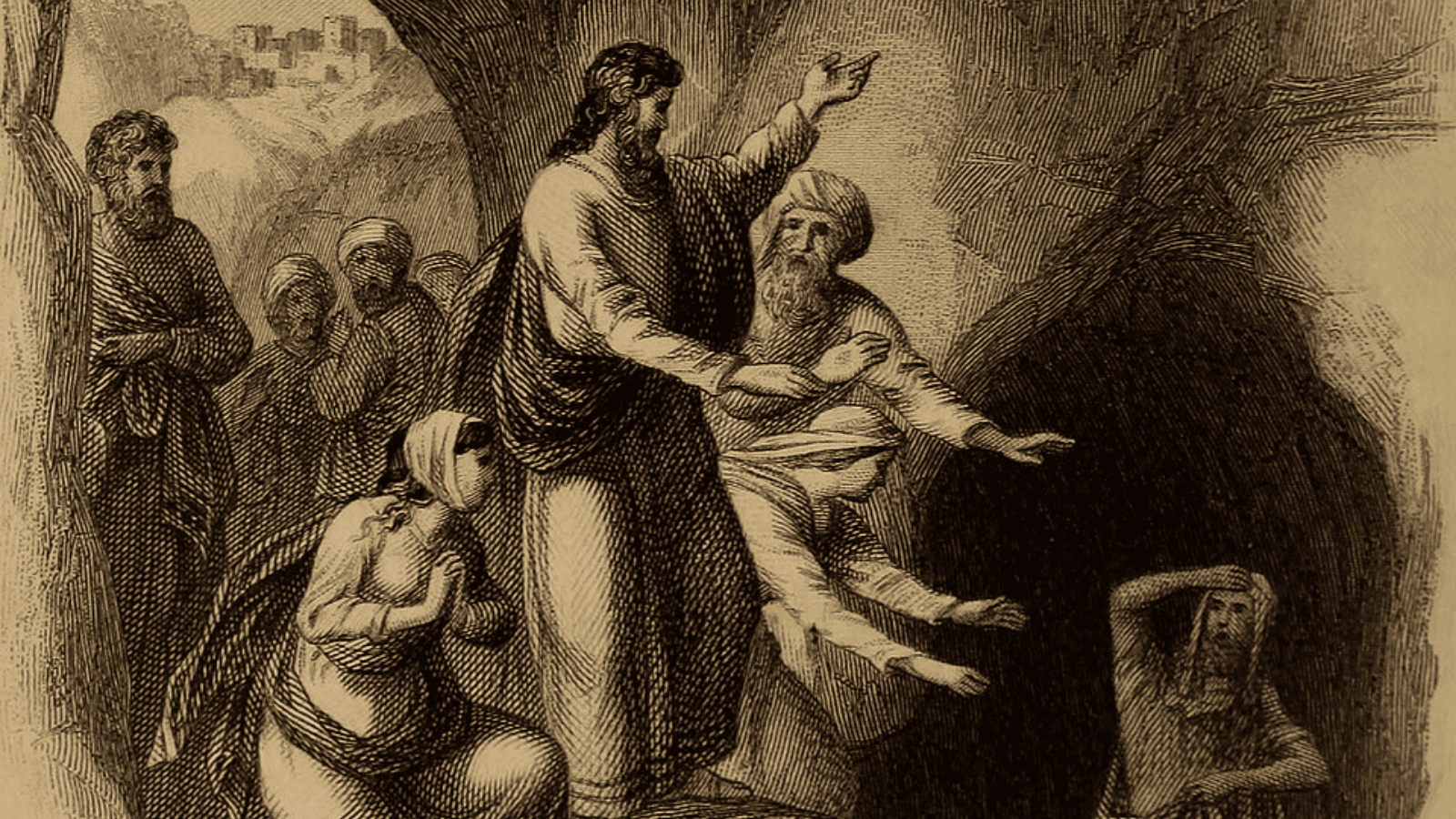
Even after Jesus’ resurrection, the spiritual realm continued to identify His followers. In Acts 16, a slave girl with a spirit of divination followed Paul, shouting his true mission. This spirit, described by scholars as a ventriloquist or familiar spirit, attempted to spotlight and compromise the apostolic work through unwanted association.
The power of the name of Jesus is further illustrated by the story of a group of seven brothers in Ephesus. These men, known as the seven sons of Sceva, tried to use Jesus’ name as a magical incantation without actually knowing Him.
The spirit mocked their authority, noting it recognized Jesus and Paul, but had no idea who these pretenders were. The demon then violently attacked the fraudulent exorcists, proving that spiritual power requires a genuine relationship, not just magic words.
Modern skepticism and the decline of belief

While ancient demons trembled, modern Americans are increasingly skeptical about the supernatural. A dramatic shift in spiritual perspectives has occurred over the last quarter-century.
This statistical decline points to a growing trend of metaphysical subjectivism in America. George Barna notes that self-reliant, achievement-driven people struggle to believe their lives can be impacted by unseen forces.
Furthermore, Barna explains that Hollywood has made evil seem tame and accessible, making spiritual warfare less worrisome than biblical texts suggest. This cultural desensitization has created a strange contradiction where people intellectually accept religious concepts but do not practice them.
Key Takeaway

The supernatural underworld immediately recognized Jesus because of their celestial origin, fear of the scheduled judgment, and failed magical naming tactics. While Jesus enforced strict silence to prevent a premature political uprising and control the timing of the cross, modern American culture has largely drifted into skepticism regarding these unseen forces.
Ultimately, the demons knew His identity first because they recognized their Creator, leaving humans to slowly catch up.
Disclaimer – This list is solely the author’s opinion based on research and publicly available information. It is not intended to be professional advice.
Like our content? Be sure to follow us